Whether an Alaskan Malamute’s Coat Is Self Cleaning
As devoted Alaskan Malamute guardians, we often hear whispers about their "self-cleaning" coats, a notion that sounds like a dream come true for anyone who’s ever battled a house full of Malamute floof. While it’s true their incredible double coats have some amazing protective qualities, the idea that they simply shed dirt and magically stay pristine is, well, a bit of a fairy tale. This guide will dive deep into the reality of the Alaskan Malamute's coat, dispelling common myths and equipping you with the honest truth about what it actually takes to keep these magnificent animals clean and healthy.
The Myth of the Self-Cleaning Coat: Where Did It Come From?
It's easy to understand why the legend of the "self-cleaning" Malamute coat persists. These dogs evolved in harsh, arctic environments where daily grooming from a human was simply not an option. Their ancestors, working alongside the Mahlemut people, needed coats that could repel snow, ice, and dirt naturally, maintaining their insulating properties without constant intervention. And indeed, their coats do have remarkable qualities that make them resistant to certain types of grime, which can make it seem like they're self-cleaning.
Imagine a Malamute rolling in the snow or trekking through a muddy trail. You might expect them to come back absolutely caked, a walking mud monster. Yet, often, once the mud dries, a good shake will dislodge a surprising amount of it, leaving behind a dog that looks far less messy than you'd anticipate. This is due to the unique structure and oils in their coat. Their guard hairs are coarse and straight, designed to shed water and debris. The dense undercoat, while incredibly insulating, also traps air and helps prevent dirt from reaching the skin. This natural design reduces the frequency of baths compared to many other breeds, giving rise to the misconception that they never need one. But "resistant" is not "self-cleaning," and ignoring their grooming needs can lead to serious problems.
Understanding the Arctic Coat's Design
To truly grasp why "self-cleaning" is a misnomer, we need to appreciate the intricate design of the Malamute's coat. It's a marvel of natural engineering, perfectly adapted for survival in freezing conditions. The outer layer consists of stiff, weather-resistant guard hairs that are relatively short to medium in length. These hairs act like a protective shield, much like the shingles on a roof, sloughing off snow and rain and preventing moisture from penetrating to the skin. Underneath this rugged exterior lies the true powerhouse: an incredibly dense, soft, and woolly undercoat. This undercoat can be one to two inches thick and is responsible for trapping a layer of warm air close to the dog's body, providing unparalleled insulation against bitter cold.
This combination is brilliant for shedding water and loose dirt particles. When a Malamute gets wet, the water tends to bead up and run off the guard hairs, much like water off a duck's back. And when they get muddy, the coarse outer hairs prevent much of the mud from clinging deeply, allowing it to dry on the surface where it can then be shaken or brushed off. It’s this efficient shedding of environmental debris that gives us the illusion of a coat that cleans itself. However, this efficiency has its limits, especially when it comes to things that stick, or the natural accumulation of dead hair and skin oils.
Why Dirt Resistance Isn't True Self-Cleaning
While a Malamute’s coat is certainly designed to minimize dirt accumulation, equating this to "self-cleaning" is a jump too far. Think of it like a high-performance, water-resistant hiking jacket. It can repel a light drizzle and shrug off a bit of mud, but if you roll it in a greasy puddle or wear it for months without washing, it's going to get dirty, smell, and lose its effectiveness. The same principle applies to your Malamute.
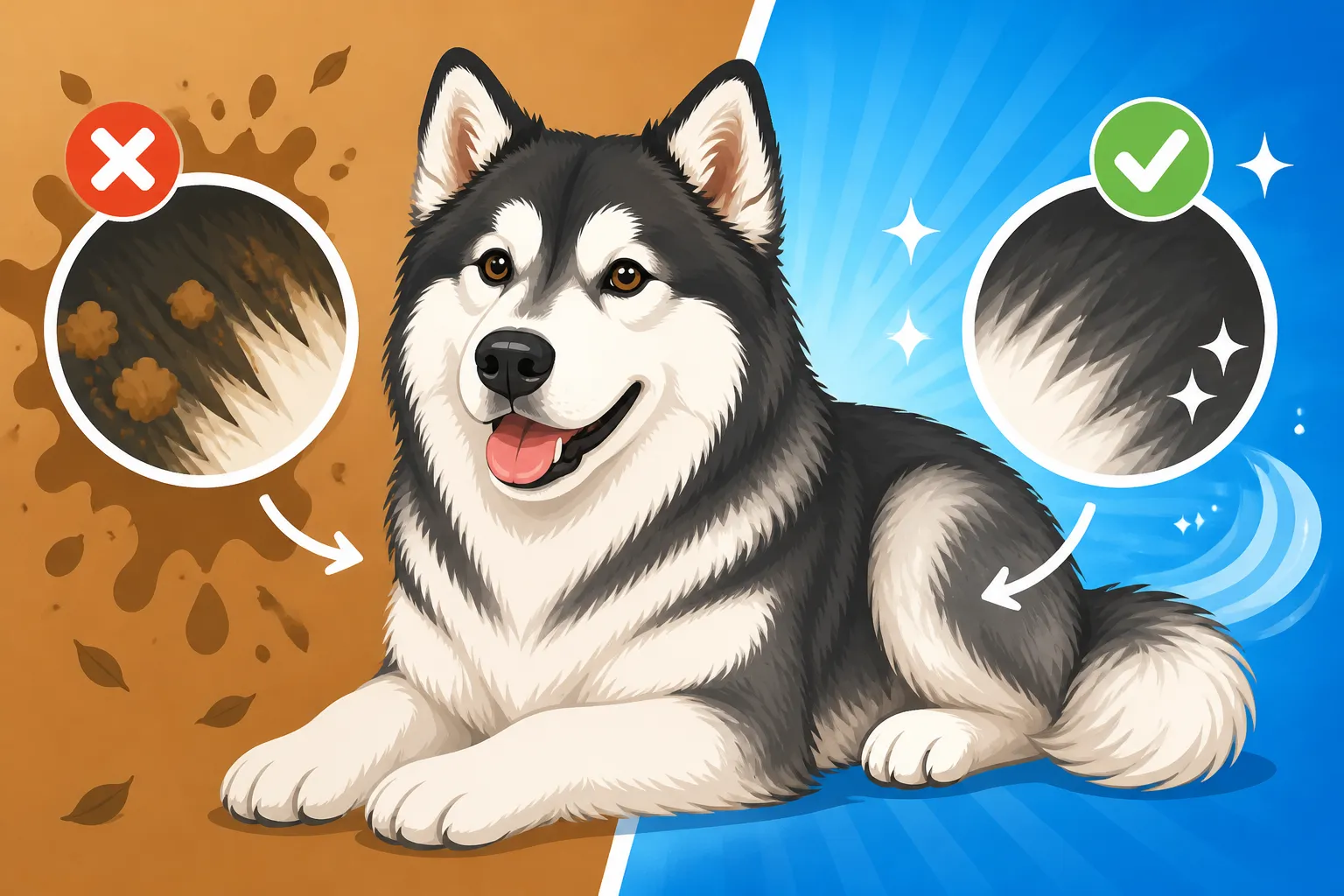
Things like tree sap, sticky burrs, or anything oily will absolutely cling to their fur. And while they might shake off loose dirt, fine dust, pollen, and dander will inevitably become embedded in their dense undercoat. Over time, these particles, combined with natural skin oils and shed hair, can create a build-up that not only makes the coat look dull and feel greasy but can also lead to skin irritation. You'll notice this especially if your Malamute likes to roll around in dusty patches in the yard or rub against furniture. It's simply not reasonable to expect the coat to magically expel these more stubborn types of grime.
The Reality of Malamute Coat Maintenance: More Than Just a Shake
So, if the self-cleaning notion is a myth, what’s the reality? The reality is that while Malamutes don't typically need weekly baths like some short-coated breeds, their unique double coat requires consistent and diligent care. Neglecting their grooming can lead to a host of problems, from matting and skin infections to discomfort and overheating. It's a common trap for new owners to believe the myth, only to find themselves overwhelmed when the coat blow hits or their dog develops skin issues.
The primary goal of Malamute coat maintenance isn't just about aesthetics; it's about health and comfort. Regular brushing helps distribute natural skin oils, keeping both skin and coat healthy. More importantly, it removes dead undercoat, which is crucial for temperature regulation and preventing mats. Without this dead hair being removed, it can become tightly packed, forming impenetrable mats that pull on the skin, cause pain, and create a breeding ground for bacteria.
Battling the Infamous Coat Blow
Every Malamute owner quickly learns about the "coat blow" – a semi-annual event (sometimes more, sometimes less, depending on climate and hormones) where your dog sheds an unbelievable amount of undercoat in a relatively short period. This isn't just "shedding"; it's a monumental expulsion of insulating fluff. During a coat blow, it will feel like your Malamute is actively trying to redecorate your entire house with their fur. This is a critical time for intensive grooming, and it's definitely not self-cleaning.
If this dead undercoat isn't meticulously removed, it will mat against the skin. These mats aren't just unsightly; they prevent air circulation, trapping moisture and heat, which can lead to painful skin infections, hot spots, and even make your Malamute miserably hot in warmer weather. A good force dryer, often purchased from retailers like Amazon or Chewy, is an invaluable tool during this period, blasting out loose undercoat that brushes alone can't reach. It’s a messy job, but a necessary one to ensure your Malamute remains comfortable and healthy. Regular proactive brushing, even outside of a full coat blow, can help manage the daily shedding and lessen the impact of the major seasonal event. For more on this, you might find The Malamute Coat Blow That Fills a Vacuum in an Afternoon helpful.
The Importance of Regular Brushing and Deshedding
Beyond the dramatic coat blow, regular brushing is a year-round necessity. Even when not actively "blowing," Malamutes shed continuously. Daily or at least several times a week, thorough brushing helps to remove loose hair, prevent tangles, and keep the skin healthy. This is where a good quality undercoat rake and a slicker brush become your best friends. These tools are designed to reach down into that dense undercoat and pull out the dead hair before it has a chance to mat or scatter itself across your furniture and clothing.
Think of it as preventative maintenance. If you keep up with consistent brushing, you'll not only have less fur tumbleweeds rolling through your house, but your Malamute's coat will remain clean, free of debris, and properly aerated. This is particularly important for dogs living in milder climates, where the undercoat might not shed as cleanly or quickly in response to temperature changes, leading to a build-up that can cause discomfort. Brushing also offers a fantastic opportunity for bonding and allows you to routinely check your dog's skin for any abnormalities like lumps, bumps, or dry patches, which can sometimes be early signs of conditions like Zinc Responsive Dermatosis in an Alaskan Malamute.
When Bathing is Truly Necessary
While Malamutes generally don't require frequent bathing, there are definitely times when it's absolutely necessary. The idea that their coat repels all smells or that bathing damages it is another common misconception. A good bath, using appropriate shampoo and conditioner for double-coated breeds, is essential for removing accumulated dirt, excess oils, and environmental allergens that brushing alone cannot eliminate.
When should you bathe your Malamute?
- When they're genuinely dirty: If they've rolled in something foul-smelling, sticky, or greasy that a simple shake won't fix.
- When their coat feels greasy or grimy: This indicates a buildup of skin oils and environmental pollutants.
- During a heavy coat blow: A bath, especially a deshedding bath, can significantly help to loosen and remove dead undercoat, making the subsequent brushing much more effective. Professional groomers often offer deshedding services that include specialized shampoos and high-velocity dryers.
- If they have a skin condition: Your vet might recommend therapeutic shampoos for issues like allergies or bacterial infections.
When bathing, it's crucial to thoroughly wet the entire coat, all the way to the skin, which can be surprisingly difficult given the density of their fur. Rinse even more thoroughly to ensure no shampoo residue is left behind, as this can cause skin irritation. And then, the most important step: drying. A Malamute must be dried completely, using towels and ideally a force dryer, to prevent skin infections from trapped moisture. Leaving a Malamute to air-dry, especially in humid conditions, is a recipe for disaster. If you're wondering How Often an Alaskan Malamute Should Be Bathed, it's generally much less frequent than many breeds, but certainly not "never."
Grooming Tools: Your Arsenal Against the Elements (and Shedding)
Since the Malamute's coat isn't truly self-cleaning, you'll need a dedicated set of tools to keep it in top condition. Investing in quality grooming equipment is not an expense, but a necessity that will save you time, frustration, and potentially vet bills down the line. Many of these essential items can be found readily available through retailers like Chewy or Amazon.
Here's a breakdown of what every Malamute owner should have:
Essential Brushes and Rakes
- Undercoat Rake: This is arguably the most important tool for a Malamute. It features long, sturdy teeth designed to penetrate the dense topcoat and reach deep into the undercoat, effectively pulling out loose, dead hair. Using it regularly, especially during a coat blow, will prevent matting and help keep your Malamute cooler. Look for one with rotating teeth to minimize tugging on the coat.
- Slicker Brush: A slicker brush, with its fine, wire bristles, is excellent for finishing the coat, smoothing out the top layer, and removing surface mats or tangles. It's not as effective for deep undercoat removal as a rake but is great for general tidying and distributing natural oils.
- Pin Brush: Similar to a human hairbrush, a pin brush is useful for general brushing and can be more gentle for sensitive areas or for puppies. It helps detangle and smooth the outer coat.
- Deshedding Tool (e.g., Furminator-style): While these can be effective, use them with caution on a Malamute's delicate undercoat. Overuse or improper technique can cut and damage the guard hairs, leading to coat damage. They are best used sparingly and with a light touch to remove excess undercoat, especially during a blow. For more specific guidance on tools, see Which Brush Gets Through a Malamute's Undercoat.
Drying Equipment
- High-Velocity Force Dryer: This is a game-changer for Malamute owners. These powerful dryers blow air at high speed, pushing water out of the coat and, more importantly, blasting out vast amounts of loose undercoat. It significantly reduces drying time after a bath and is indispensable during a coat blow to quickly and efficiently remove dead fur. This is one item where Whether a Malamute Owner Needs Their Own Force Dryer is definitely a 'yes' for most committed owners.
- Absorbent Towels: While a force dryer is ideal, you'll still need plenty of towels to initially blot excess water after a bath. Microfiber towels are particularly good for this as they are highly absorbent.
Other Handy Tools
- Nail Clippers or Grinder: Keeping your Malamute's nails trimmed is crucial for their comfort and paw health, especially for working dogs. A grinder can be less intimidating for some dogs than clippers.
- Ear Cleaner: Regularly checking and gently cleaning your Malamute's ears can prevent infections.
- Shampoo and Conditioner: Choose formulas specifically designed for dogs with double coats. Avoid harsh detergents that can strip natural oils. Many brands, including those found on Chewy, offer formulations that are gentle and effective.
Maintaining a clean and healthy Malamute coat is an ongoing process, but with the right tools and a realistic understanding of their needs, it becomes a manageable and rewarding part of dog ownership.
| Grooming Task | Frequency (General) | Primary Tools Needed | Purpose |
|---|---|---|---|
| Brushing | 2-3 times per week, daily during coat blow | Undercoat rake, slicker brush, pin brush | Remove loose hair, prevent mats, distribute oils, check skin |
| Bathing | Every 2-4 months, or as needed | Dog-specific shampoo/conditioner, force dryer, towels | Clean coat, remove odors, aid in deshedding |
| Nail Trimming | Every 2-4 weeks | Nail clippers or grinder | Prevent overgrown nails, maintain paw health |
| Ear Cleaning | Monthly, or as needed | Ear cleaning solution, cotton balls | Prevent ear infections, remove wax buildup |
| Coat Blow Mgmt. | Semi-annually (intense period) | Undercoat rake, slicker brush, force dryer, deshedding tool | Rapid removal of large amounts of dead undercoat, prevent overheating |
Common Coat Problems from Neglect
Ignoring your Malamute's grooming needs, operating under the false assumption of a "self-cleaning" coat, can quickly lead to a host of uncomfortable and potentially serious issues. It's not just about looking presentable; it's fundamentally about their well-being. These powerful double coats are incredible assets in the right climate and with proper care, but they can become liabilities if left untended.
One of the most immediate and visible problems is matting. When dead undercoat isn't removed, it intertwines with live hair and forms dense, felt-like clumps, particularly in areas of friction like behind the ears, under the legs, and around the tail. These mats pull painfully on the skin, restricting movement and causing immense discomfort. They can also hide skin infections, parasites, or injuries, making them difficult to detect. Once a coat becomes severely matted, the only humane solution is often to shave it down, a process that can stress the dog and leave them vulnerable as their natural insulation is compromised. This is why it’s so vital to keep up with brushing How Often an Alaskan Malamute Needs Brushing.
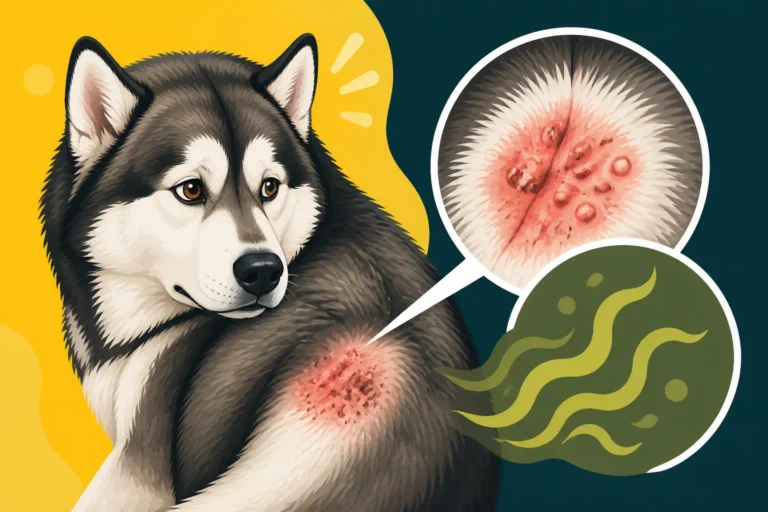
Beyond physical discomfort, neglecting coat care can lead to skin infections. Mats and heavy, dead undercoat prevent air circulation, trapping moisture and heat close to the skin. This creates a perfect breeding ground for bacteria and yeast, leading to hot spots, dermatitis, and other painful skin conditions. You might notice redness, foul odors, excessive scratching, or even pus. These conditions often require veterinary intervention, including antibiotics, antifungals, and specialized medicated shampoos to resolve. These kinds of secondary infections are often why Whether a Malamute's Skin Infections Are Secondary to an underlying issue are so common.
Furthermore, a poorly maintained coat can severely impact a Malamute's ability to regulate its body temperature. That dense undercoat is fantastic for keeping them warm, but if it's packed with dead hair, it acts like an impenetrable blanket in warmer weather, preventing heat from escaping. This can put your Malamute at a much higher risk of overheating and heatstroke, especially during the summer months. Their evolutionary design is for cold, so it's our responsibility to help them adapt to warmer conditions by properly managing their coat. This goes back to why Summer Is the Season That Kills Alaskan Malamutes when owners aren't diligent about their care.
Finally, an unkempt coat will naturally develop an unpleasant odor as oils, dirt, and moisture accumulate. While Malamutes are generally a clean breed with minimal "doggy" smell when well-cared for, neglect will quickly change that. So, while the "self-cleaning" myth sounds appealing, the reality is that diligence and dedication to grooming are paramount for your Malamute’s overall health and happiness.
Dispelling the Myth: It's About Understanding, Not Neglect
Let's be clear: the Alaskan Malamute's coat is a marvel of natural engineering, exquisitely designed for extreme cold. It's incredibly efficient at shedding snow, repelling water, and resisting some forms of dirt, which gave birth to the enduring myth of its "self-cleaning" nature. But "resistant" is not "self-cleaning." Believing this myth can lead to significant discomfort and health issues for your beloved companion.
The truth is, owning an Alaskan Malamute means committing to a regular grooming regimen that respects the unique qualities of their double coat. This means consistent, thorough brushing with the right tools, proactive management of the dreaded coat blow, and judicious bathing when genuinely needed. It means being prepared for the hair that will fill your home, despite their best efforts to shed it outdoors. It’s about understanding their needs, not expecting magic.
By embracing the reality of Malamute coat care, you're not just keeping your dog looking good; you're actively contributing to their health, comfort, and overall well-being. You're ensuring their natural insulation works as intended, preventing painful mats and skin infections, and mitigating the risks of overheating. It's a hands-on commitment, but one that strengthens the bond between you and your magnificent, fluffy friend.
Disclaimer
This article is for general informational purposes only and does not constitute professional advice. Laws, prices and regulations vary by location and change over time. Consult a qualified professional for guidance on your specific situation.