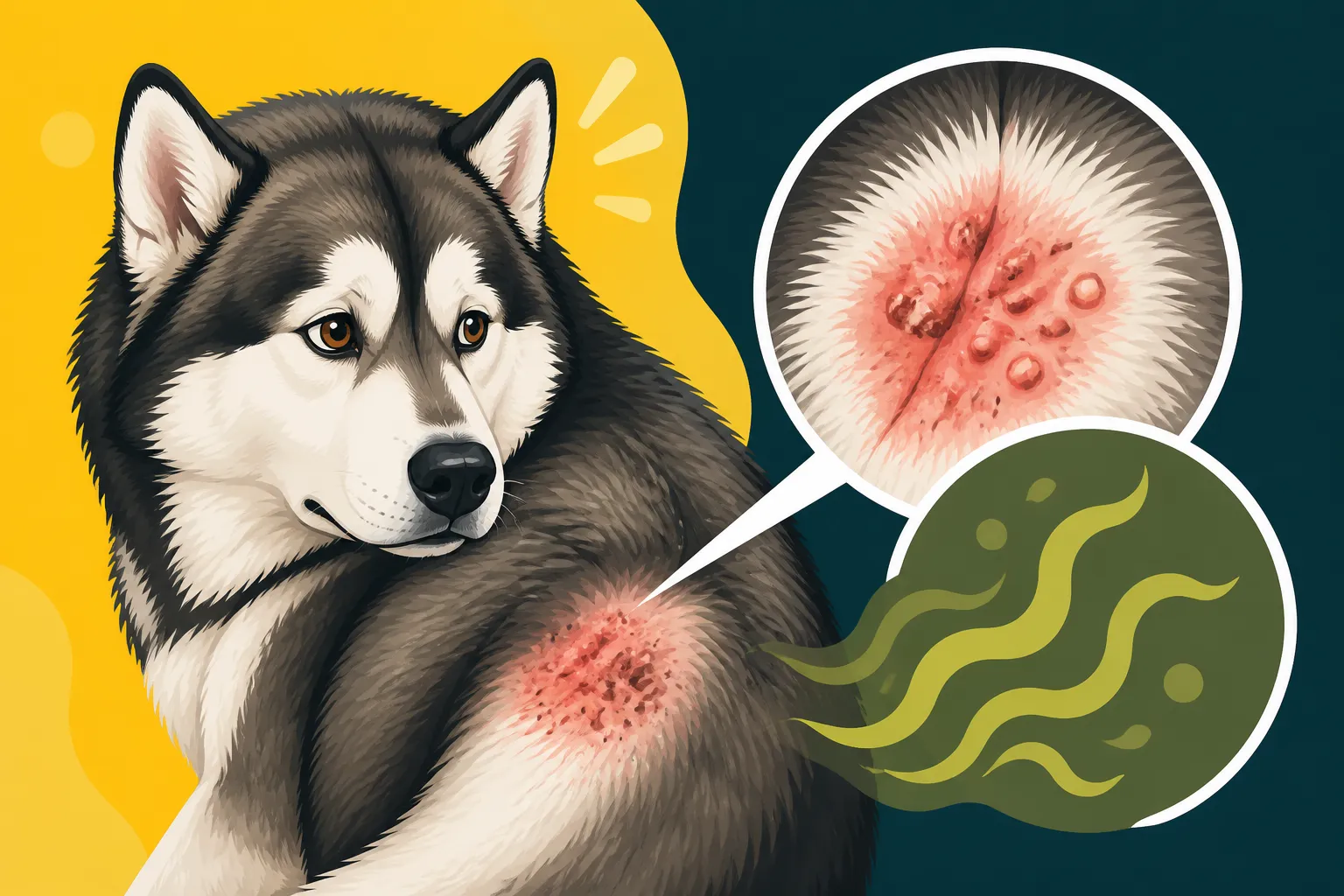
Whether a Malamute’s Skin Smells When Infected
There’s nothing quite like the feeling of burying your face in your Alaskan Malamute’s thick, fluffy coat, but sometimes, a disconcerting odor hits you first. Many Malamute owners find themselves in a bind, knowing something isn't quite right with their furry friend's skin because of a persistent, unpleasant smell, but struggling to pinpoint the source under all that glorious fur. This guide is here to help you understand why your Malamute's skin might smell when infected, what those smells can tell you, and the crucial steps you need to take to get your beloved companion comfortable and healthy again.
The Sneaky Scent of Skin Infections Under That Magnificent Coat
Alaskan Malamutes are built for cold climates, and their dense double coats are truly a marvel of natural engineering. But this very feature, while protective against the elements, can also become a stealthy hiding spot for skin issues that can escalate before you even see them. By the time you start noticing an odor, it’s often a clear signal that something significant is going on beneath the surface.
Why Odor Can Be Your First Clue
That thick, luxurious double coat your Malamute sports is fantastic for insulation, but it’s a double-edged sword when it comes to detecting skin problems. Unlike breeds with thin, short coats where a rash or a sore is immediately visible, a Malamute’s dense fur can completely obscure visual signs of irritation, redness, or even oozing lesions. You might go days, or even weeks, without seeing anything amiss. This is precisely why odor often becomes the very first, and most urgent, indicator that your Malamute is battling a skin infection.
Think about it: you might brush your Malamute diligently, feel for lumps, and enjoy their company, but when that distinct, unwelcome smell wafts up, it’s your cue to investigate deeper. This isn't just normal "doggy smell" or the damp odor they get after a swim. This is different – often yeasty, like old bread, sometimes rancid, or even sickly sweet. It's a smell that tells you bacteria, yeast, or other microbes are having a party they shouldn't be having on your dog's skin, and they've been at it long enough to make their presence known. Recognizing this specific type of odor is the first step in helping your Malamute, even if you can't see the exact spot of trouble just yet.
Common Culprits Behind the Stink
Once you've identified that "something smells off," it helps to have a general idea of what might be causing it. Different types of skin infections often produce distinct odors, and while you'll still need a vet for a definitive diagnosis, these smells can give you a head start in understanding the problem.
One of the most frequent offenders is bacterial skin infections, often referred to as pyoderma. These can arise from a variety of causes, from allergies to wounds, and they often present with an odor that's best described as stale, foul, or even reminiscent of old, dirty socks. If you detect this kind of smell, especially concentrated in one area, it's a strong indicator that bacteria are proliferating on your Malamute's skin, creating inflammation and potentially pus. These infections can develop rapidly, turning a small scratch into a significant problem under the warm, humid environment of the Malamute's coat.
Another very common cause of skin odor, particularly in breeds prone to allergies or those with skin folds, is yeast infections, primarily caused by Malassezia pachydermatis. If your Malamute has a sweet, musty, or almost "corn chip" like smell, especially around their paws, ears, or groin, yeast is a very likely culprit. Yeast infections thrive in warm, moist environments and can cause the skin to become greasy, reddish, and itchy. The skin often thickens over time, taking on an elephant-like texture. It's a distinct smell that, once you've encountered it, you wont soon forget.
While less common to produce a strong, specific odor on their own, fungal infections like dermatophytosis (ringworm) can also contribute to an unpleasant smell, particularly if they lead to secondary bacterial infections. These might have a more earthy or generally "off" smell rather than the distinct yeast or bacterial scents. Finally, it’s important to remember that many skin infections are secondary issues, meaning they pop up because of an underlying problem like environmental allergies, food sensitivities, or even endocrine disorders such as hypothyroidism. The initial allergic reaction itself might not smell, but the resulting skin irritation, constant licking, and subsequent bacterial or yeast overgrowth certainly will. Getting to the root cause is critical for long-term relief for your Malamute.
Pinpointing the Problem: Where to Check and What to Look For
So, you've noticed the smell – now comes the detective work. While your veterinarian is your ultimate partner in diagnosing and treating skin infections, knowing where to look and what common signs to spot can help you describe the issue more clearly and even perform some initial triage.
Hotspots and Hidden Creases
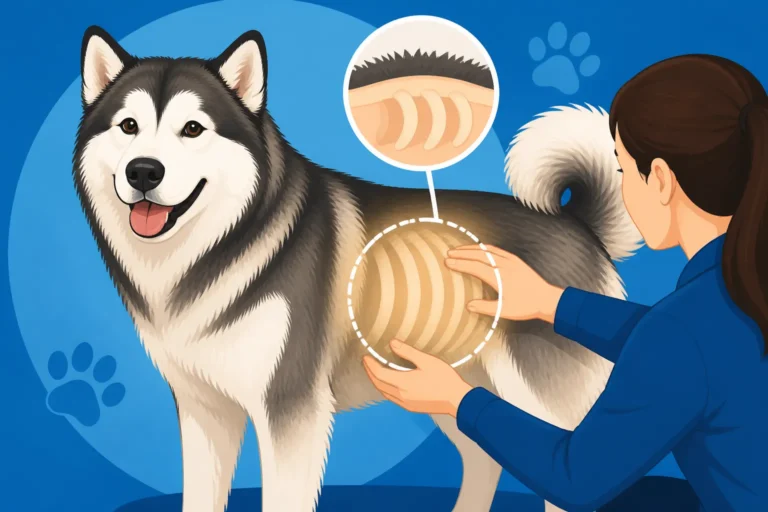
With a Malamute, the challenge isn't just identifying the smell, but finding the actual source beneath all that fur. Certain areas on their body are notorious for harboring skin infections because they provide the perfect conditions: warmth, moisture, and friction. These spots are where you need to start your thorough, sniff-and-part-the-fur investigation.
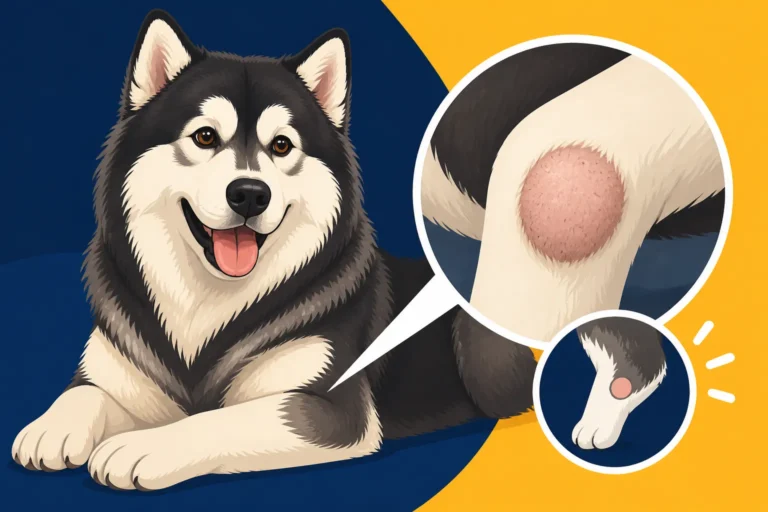
Hotspots, medically known as acute moist dermatitis, are intensely itchy, red, moist, and often oozing skin lesions that can appear seemingly overnight. They are particularly common in Malamutes, especially if they are prone to allergies, have thick coats that trap moisture, or excessively lick a particular area. When a hotspot develops, it can become incredibly smelly very quickly due to bacterial overgrowth. You might find these anywhere, but often on the cheeks, neck, flanks, or near the base of the tail. Whether an Alaskan Malamute Gets Hot Spots Under Its Coat is a crucial read for understanding these painful areas. You'll need to carefully part the fur to reveal the angry, red skin underneath, which will likely be wet and matted with discharge.
Beyond hotspots, your Malamute has several "hidden creases" and sheltered areas that are breeding grounds for yeast and bacteria. Check their armpits and groin, where skin folds can trap moisture and heat. The spaces between their paw pads are another common area for yeast infections, often accompanied by that distinctive "corn chip" smell, especially if they've been chewing at their feet. Don't forget to lift their tail and check the skin underneath and around the base of the tail, as this can also be a moist, often overlooked spot. The muzzle and chin folds, and even inside their ear flaps, can also develop infections, particularly if your Malamute drools or frequently gets their face wet. Even seemingly innocuous spots can fester; a small scratch from a playful tussle or a bug bite can quickly turn into a raging infection under the protective canopy of their coat. Remember, even a small patch of irritation can expand rapidly and become quite painful if left untreated, so a thorough check is essential.
Beyond the Smell: Other Visible Signs of Infection
While the unpleasant odor might be your first warning, it's essential to look for other visible and tactile clues that point to a skin infection. Since Malamutes have such dense coats, you often have to feel your way through the fur to discover these signs.
As you part the fur and get a closer look, you might notice redness, inflammation, or irritation of the skin itself. This can range from a faint pink blush to an angry, bright red, indicating significant discomfort. Along with redness, you might see crusting, scaling, or flakiness, which can be symptomatic of various skin conditions, including bacterial or yeast infections, or even Zinc Responsive Dermatosis in an Alaskan Malamute. If you observe a persistent crust, it's worth exploring Whether a Malamute's Crusty Skin Means Zinc Deficiency as a potential underlying factor.
Hair loss, or alopecia, is another significant sign. This can appear as thinning patches, bare spots, or even circular areas where the fur has fallen out or been licked/chewed away by your Malamute trying to soothe the itch. Whether a Malamute Loses Hair Around Its Eyes is one particular area where this might be noticeable. You might also find pustules or bumps, which are small, pus-filled lesions, or larger abscesses that feel like warm, painful lumps under the skin.
With yeast infections, the skin might feel greasy or oily to the touch, and in chronic cases, it can become thickened and hyperpigmented (darker, almost black). Crucially, pay attention to your Malamute’s behavior. Are they licking, chewing, or scratching at a particular spot more than usual? Are they sensitive or painful when you touch a certain area? This self-trauma can exacerbate the problem, breaking the skin barrier and allowing secondary infections to take hold even more easily. Any combination of these signs, especially when coupled with an unusual odor, warrants prompt attention.
Action Plan: When to See the Vet and What to Do at Home
Discovering a smelly skin infection on your Malamute can be alarming, but acting quickly and strategically is key. While some mild irritations might resolve with careful at-home care, skin infections, especially those hidden under a thick coat, almost always require professional veterinary intervention.
The Importance of Veterinary Diagnosis
Let me be absolutely clear: if your Malamute’s skin smells, and you’ve identified visible signs of infection, a trip to the vet is non-negotiable. Trying to self-diagnose and treat an infection under that dense coat can lead to prolonged suffering for your dog and potentially worsen the condition. Your veterinarian has the tools and expertise to properly identify the specific pathogen causing the problem.
During the examination, your vet will likely perform some diagnostic tests. This might include a skin scrape to look for parasites like mites, cytology (taking a sample from the skin with tape or a swab to examine under a microscope for bacteria, yeast, and inflammatory cells), or even a culture and sensitivity test to identify specific bacteria and determine which antibiotics will be most effective. These tests are vital because what looks like one type of infection to the untrained eye might actually be another, or a combination of several. For instance, sometimes a skin infection is a direct symptom of an underlying condition, such as allergies (environmental or food), hormonal imbalances (like hypothyroidism), or even more complex issues like Zinc Responsive Dermatosis in an Alaskan Malamute. Understanding the root cause is paramount not just for treating the current infection but for preventing future recurrences.
Once a diagnosis is made, your vet will prescribe the most appropriate course of treatment, which might include oral antibiotics, antifungals, or anti-inflammatory medications. They will also likely recommend topical treatments, such as medicated shampoos or creams, which are a cornerstone of managing skin issues in Malamutes. Don't delay in seeking professional advice; early intervention can prevent a minor issue from becoming a chronic, painful struggle for your Malamute.
Supporting Treatment and Preventing Recurrence
Once your vet has given you a diagnosis and a treatment plan, your role at home becomes crucial in supporting recovery and minimizing the chances of future infections. It’s a multi-faceted approach that often combines medication, specialized grooming, and dietary considerations.
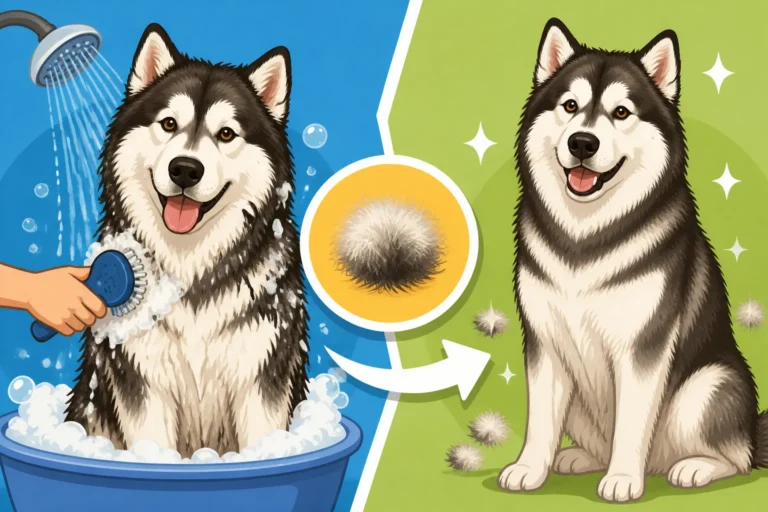
Medicated Baths: These are often a cornerstone of treating skin infections in Malamutes. Your vet will likely prescribe a specific medicated shampoo, such as an antibacterial or antifungal variety. For Malamutes, the bathing process itself needs extra attention due to their thick coats. You need to ensure the coat is thoroughly saturated with water before applying shampoo, which can take quite some time. Work the shampoo deep into the fur, making sure it reaches the skin. Critically, these shampoos often require a contact time of 10-15 minutes before rinsing, allowing the active ingredients to do their job. Then comes the rinsing – and you need to rinse, rinse, and rinse again. Any residual shampoo can irritate the skin and negate the benefits. For purchasing vet-recommended medicated shampoos and other grooming supplies, online retailers like Chewy can be a convenient resource. Whether Medicated Shampoo Helps an Alaskan Malamute is a good read for understanding the role of these treatments.
Topical Treatments: For localized hot spots or smaller areas of infection, your vet might prescribe topical sprays, creams, or wipes. These can be very effective at delivering medication directly to the affected area. Always follow your vet's instructions carefully, ensuring you apply the products as directed and prevent your Malamute from licking them off immediately. Sometimes, a cone of shame might be necessary for a short period to allow the treatment to work.
Dietary Support: While diet alone won't cure an active infection, proper nutrition can significantly support overall skin health and resilience against future issues. Ensuring your Malamute receives a balanced diet with high-quality protein and essential fatty acids (like Omega-3s) can contribute to a healthy skin barrier. Some owners explore fresh food options from services like Ollie, or high-quality kibble brands available on platforms like Amazon, as part of their long-term health strategy. If your Malamute is prone to zinc deficiency-related skin issues, a diet rich in bioavailable zinc or specific supplementation might be necessary. How a Malamute's Zinc Deficiency Is Treated and Which Zinc Supplement Suits a Malamute are excellent resources, and you might want to learn Whether a Malamute Needs Zinc for Life if this is a recurring concern.
Grooming & Drying: Regular grooming is paramount for Malamutes, especially when managing or preventing skin issues. Consistent brushing, as discussed in How Often an Alaskan Malamute Needs Brushing, helps to remove dead undercoat, improve air circulation to the skin, and allow you to inspect the skin more closely. After baths, swimming, or even heavy rain, it is absolutely critical to dry your Malamute thoroughly. Trapped moisture in their dense undercoat is a prime breeding ground for bacteria and yeast. Invest in a high-velocity force dryer (often available on Amazon) if you bathe your Malamute frequently; it makes a world of difference. And a quick but important note: never, ever shave your Malamute, even if they have skin issues. Why an Alaskan Malamute Must Never Be Shaved explains how this can actually worsen skin problems and impair their natural temperature regulation.
Here’s a quick overview of common smells and their potential implications:
| Odor Description | Common Associated Issues | Location Often Affected | Urgency to See Vet |
|---|---|---|---|
| Yeasty / Musty / Corn Chips | Yeast infection (Malassezia dermatitis), allergies | Ears, paws, groin, armpits, skin folds | Moderate |
| Rancid / Foul / Stale | Bacterial infection (pyoderma), hotspots | Any area, often hotspots, skin folds, wounds | High |
| Sweet / Sickly-Sweet | Pustules, deep bacterial infection, abscesses | Localized areas with pus formation | High |
| Generally Unpleasant/Earthy | Fungal infections, general poor hygiene | Anywhere, can be widespread | Moderate |
Dealing with a Malamute's skin infection requires patience and consistency. By working closely with your vet, adhering to treatment plans, and maintaining diligent grooming and dietary support, you can help your Malamute get back to being their wonderfully fluffy, odor-free self.
Disclaimer
This article is for general informational purposes only and does not constitute professional advice. Laws, prices and regulations vary by location and change over time. Consult a qualified professional for guidance on your specific situation.