Whether Medicated Shampoo Helps an Alaskan Malamute
It’s a truly disheartening moment when you notice your majestic Alaskan Malamute, usually a picture of robust health, starting to develop skin issues. Perhaps you’re seeing flaky patches, a dull coat, crusty areas around their muzzle, or persistent itching that just won't quit. You might be wondering if medicated shampoo is the answer, a quick fix to soothe their discomfort and restore their magnificent coat. This guide will walk you through understanding if medicated shampoo is the right step for your Malamute's skin woes, how to choose it, use it effectively, and what realistic expectations you should have.
Understanding Common Malamute Skin Issues That Might Need Medicated Shampoo
Alaskan Malamutes are resilient dogs, but their dense double coats and unique physiology can sometimes make them prone to specific skin challenges. When you start seeing signs of irritation, it’s natural to feel a pang of worry and wonder if a special shampoo is what’s needed. The truth is, medicated shampoos are indeed designed to address a variety of dermatological problems, but identifying the underlying cause is always the first crucial step.
Identifying the Root Cause of Skin Problems
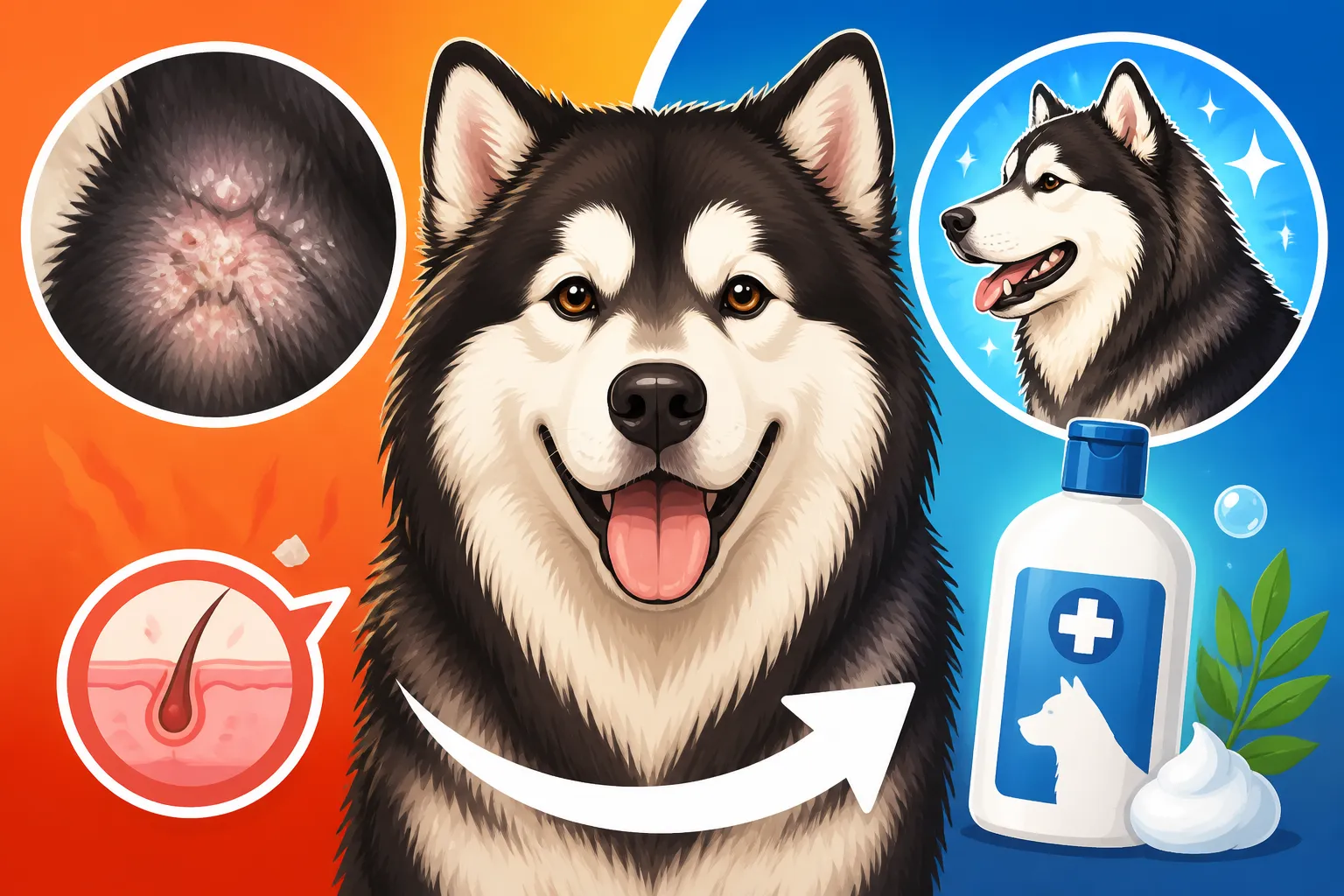
Before you even think about medicated shampoos, it's vital to recognize that skin issues are often symptoms of something deeper. With Malamutes, a common and frustrating genetic predisposition is a challenge with zinc absorption, leading to conditions like Zinc Responsive Dermatosis in an Alaskan Malamute. This isn't just a surface problem; it means their body isn't getting enough of this essential mineral, no matter how much is in their food, and it often manifests as crusty, hairless lesions, especially around the eyes, mouth, and joints. A medicated shampoo might offer temporary relief for the symptoms of irritation or secondary infection, but it won't fix the underlying zinc issue.
Other times, skin problems can stem from allergies, either environmental (pollen, dust mites) or food-related. You might see generalized itchiness, redness, or even hot spots – those rapidly developing, painful, moist lesions that seem to appear overnight. Bacterial or yeast infections are also incredibly common, often as secondary invaders once the skin barrier is compromised by itching or an underlying condition. These infections often present with a distinct, sometimes yeasty or pungent, odor, along with redness, greasy skin, and hair loss. You might find yourself checking their skin weekly, just hoping to catch these signs early, as discussed in Reading a Malamute's Skin Before the Crusts Appear.
When Medicated Shampoo Becomes a Necessary Tool
Once a veterinarian has diagnosed the specific skin condition, a medicated shampoo often becomes a cornerstone of the treatment plan. It’s not just about getting your Malamute clean; these shampoos contain active ingredients designed to kill bacteria, yeast, or fungi, reduce inflammation, or help exfoliate flaky skin. For instance, if your Malamute develops a secondary bacterial skin infection (pyoderma), which can happen easily when they scratch and break the skin, a shampoo with an antibacterial agent is far more effective than a regular grooming shampoo. Similarly, if yeast is thriving on their skin, an antifungal shampoo will be prescribed.
Consider a scenario where your Malamute is diagnosed with a bacterial skin infection. The vet might explain that the bacteria have found a home in the superficial layers of the skin, causing redness, pustules, and discomfort. A medicated shampoo, specifically formulated with antibacterial properties, will be prescribed. Its purpose is to actively reduce the bacterial load on the skin, allowing the skin to heal. Without this targeted approach, simply rinsing with water or a mild non-medicated shampoo won't effectively tackle the microscopic invaders. This is particularly true if you notice that tell-tale odor, as described in Whether a Malamute's Skin Smells When Infected.
Choosing the Right Medicated Shampoo for Your Alaskan Malamute
Navigating the world of medicated shampoos can feel a bit overwhelming, especially when you’re just trying to help your beloved Malamute. There are countless options out there, from prescription-only formulas to over-the-counter remedies, each with different active ingredients targeting various skin ailments. Making the right choice is paramount, and it almost always starts with a conversation with your veterinarian.
Prescription vs. Over-the-Counter Options
For many serious or persistent skin issues, your vet will likely prescribe a specific medicated shampoo. These prescription-strength formulas often contain higher concentrations of active ingredients or combinations of ingredients tailored to combat a precise diagnosis, such as a severe bacterial or fungal infection. They are potent and chosen for a reason, so it's crucial to follow your vet's instructions to the letter regarding frequency and contact time. Do not assume you can just pick up any shampoo and get the same results. Your Malamute’s unique physiology, especially its dense coat, might require specific formulations to penetrate effectively.
However, there are also many excellent over-the-counter (OTC) medicated shampoos available that can be highly effective for milder issues or as part of a long-term maintenance plan. These might include shampoos with oatmeal for soothing dry, itchy skin, or those with ingredients like coal tar or salicylic acid for flaky, seborrheic conditions. While these can be purchased from pet supply stores or online retailers like Chewy or Amazon, it's still best to discuss them with your vet first, even for apparently minor issues. They can confirm if the active ingredients are appropriate for what you’re observing on your Malamute's skin.
Understanding Key Active Ingredients
The effectiveness of a medicated shampoo lies in its active ingredients. Here’s a quick rundown of some common ones and what they typically target:
- Chlorhexidine: A powerful antiseptic and antibacterial agent, often found in shampoos for bacterial skin infections (pyoderma). It works by disrupting bacterial cell membranes.
- Miconazole: An antifungal agent, frequently combined with chlorhexidine to create broad-spectrum shampoos that tackle both bacterial and yeast infections.
- Benzoyl Peroxide: An antibacterial agent that also helps flush hair follicles, often used for oily skin, follicular issues, and conditions like demodectic mange.
- Selenium Sulfide: An antifungal and antiseborrheic agent that helps control scaling and flaking associated with oily, scaly skin.
- Oatmeal/Colloidal Oatmeal: A soothing agent, often found in shampoos for dry, itchy, or irritated skin due to allergies or general dryness. It doesn't treat infections but helps alleviate discomfort.
- Phytosphingosine: A ceramide found naturally in healthy skin, added to some shampoos to help restore the skin barrier, which is often compromised in dogs with allergies or chronic skin issues.
Choosing Which Shampoo Suits a Malamute's Zinc Prone Skin involves understanding these ingredients and matching them to your Malamute's specific diagnosis. For instance, if your Malamute is exhibiting the crusty lesions typical of zinc responsive dermatosis, a shampoo with chlorhexidine might be used to clear up secondary bacterial infections, while zinc supplementation tackles the root cause. Without knowing the problem, you could inadvertently choose a shampoo that is ineffective or even irritating.
| Active Ingredient | Primary Target | Common Conditions Addressed | How It Works |
|---|---|---|---|
| Chlorhexidine | Bacteria | Pyoderma (bacterial skin infection), superficial folliculitis | Antiseptic, disrupts bacterial cell walls |
| Miconazole | Yeast, Fungi | Malassezia dermatitis (yeast infection), ringworm | Antifungal, inhibits fungal growth |
| Benzoyl Peroxide | Bacteria, Follicular Flushing | Oily skin, pyoderma, demodex, hot spots | Kills bacteria, flushes hair follicles of debris |
| Selenium Sulfide | Yeast, Seborrhea | Oily, flaky skin (seborrhea), yeast infections | Antifungal, cytostatic (slows skin cell turnover) |
| Colloidal Oatmeal | Itch, Dryness | Allergic dermatitis, dry skin, general irritation | Soothes, moisturizes, forms protective barrier |
| Phytosphingosine | Skin Barrier Support | Allergic skin disease, chronic dermatosis | Restores natural skin barrier function |
Always check the label for directions and warnings. Some medicated shampoos require a specific "contact time" – meaning the lather needs to stay on your Malamute’s skin for 5-10 minutes before rinsing to allow the active ingredients to work. This is critical for efficacy and a detail often missed by owners.
The Proper Way to Bathe an Alaskan Malamute with Medicated Shampoo
Bathing an Alaskan Malamute is an undertaking in itself, given their size, strength, and incredible double coat. When you add medicated shampoo into the mix, the process requires even more care and attention to ensure the treatment penetrates effectively and doesn’t leave any irritating residue. It's not just a quick scrub; it's a therapeutic procedure.
Preparing for the Bath
First things first, gather your supplies. You'll need the medicated shampoo, a dog-specific conditioner (often recommended post-medicated bath to prevent dryness), plenty of towels, and potentially a force dryer or a high-velocity pet dryer. Before even wetting your Malamute, give them a thorough brush-out. This is paramount for Malamutes, as their dense undercoat can hold onto loose hair, debris, and even dead skin cells, which can hinder the shampoo from reaching the skin. Removing this excess fur beforehand, particularly during a The Malamute Coat Blow That Fills a Vacuum in an Afternoon, will ensure the shampoo has a better chance of working its magic.
Having a non-slip mat in the tub or shower is essential for your Malamute's safety and your own. Make sure the water temperature is lukewarm – not too hot or too cold – to keep them comfortable and to avoid aggravating already sensitive skin.
The Medicated Bathing Technique
Once your Malamute is thoroughly wet, apply the medicated shampoo. This is where it gets tricky with a Malamute’s coat. You can’t just squirt a dollop on their back and expect it to reach the skin. You’ll need to work in sections, applying the shampoo directly to the skin where possible and massaging it deeply through their thick fur. For areas with specific lesions or crusts, like those seen in What Zinc Responsive Dermatosis Looks Like on a Malamute, pay extra attention, gently working the shampoo into these spots.
Lathering is crucial. You want a good, rich lather that gets right down to the skin. If your vet specified a contact time, set a timer. This might feel like a long time to stand in a steamy bathroom with a wet Malamute, but it’s absolutely necessary for the active ingredients to do their job. Distractions like a chew toy or a lick mat covered in peanut butter (if not contraindicated by allergies) can be your best friend during this waiting period.
The All-Important Rinse and Dry
The rinse might be the most critical part of bathing a Malamute, especially with medicated shampoos. Any residue left behind can cause irritation, dryness, or even new skin problems. You’ll need to rinse, rinse, and rinse again. Run your hands through their coat, feeling for any slippery or sudsy patches. Keep rinsing until the water runs completely clear and their fur feels "squeaky" clean, not slick. This can take significantly longer than you might expect due to their double coat. If you’re ever in doubt, rinse for another five minutes.
Drying a Malamute is equally vital. Allowing a dense, wet coat to air-dry slowly can create a damp, warm environment ripe for bacterial or yeast growth, potentially undoing all your good work. Towel-dry them thoroughly, then use a force dryer. A force dryer isn't just for shedding; it blasts water out of the coat quickly and efficiently, drying down to the skin. This prevents hot spots and ensures the skin is dry and healthy. You can find excellent force dryers on Amazon or Chewy. Never shave your Malamute to make bathing easier; their coat provides insulation and protection, as detailed in Why an Alaskan Malamute Must Never Be Shaved. Proper drying also helps prevent matting, especially in hard-to-reach areas.
Remember that the frequency of these baths will be determined by your vet, often starting more frequently (e.g., twice a week) and then tapering down as the condition improves. For general maintenance bathing, you might only need to bathe your Malamute every few months, as discussed in How Often an Alaskan Malamute Should Be Bathed.
What to Expect and When to Call the Vet
Using medicated shampoo is a proactive step in managing your Malamute's skin health, but it's essential to approach it with realistic expectations. These shampoos are tools, not magic wands, and success often depends on consistent application and vigilant observation. Knowing what to look for and when to seek further veterinary guidance can save you and your Malamute a lot of frustration and discomfort.
Setting Realistic Expectations
Firstly, don't expect instant miracles. Medicated shampoos typically require a few applications before you start seeing significant improvement. Depending on the severity of the condition, it might take days or even weeks for redness to subside, crusts to soften, or itching to lessen. Your vet will usually provide a timeline for expected improvement. For conditions like zinc responsive dermatosis, while the shampoo might help with secondary infections or general skin health, the core issue of zinc absorption requires internal supplementation, as elaborated in Whether a Malamute's Zinc Problem Is Diet or Genetics. The shampoo is often just one piece of a larger puzzle.
During the treatment period, you should regularly inspect your Malamute's skin. Look for a reduction in the primary symptoms: less redness, fewer crusts or scabs, decreased flakiness, and, most importantly, less itching or discomfort for your dog. A slight improvement in their demeanor or a decrease in scratching is often the first positive sign. Their coat might also start to look healthier and less greasy, depending on the initial condition.
Recognizing Limitations and When to Re-Consult Your Vet
While medicated shampoos are incredibly helpful, they aren't always a standalone solution. There are several scenarios where you absolutely need to re-consult your veterinarian:
- No Improvement or Worsening: If, after the prescribed period, you see no improvement, or worse, your Malamute's skin condition seems to be getting worse, it's time to call the vet. This could indicate the initial diagnosis was incorrect, the shampoo isn't effective against the specific pathogen, or there's an underlying issue that hasn't been addressed. Persistent bald patches or lesions, even after treatment, definitely warrant further investigation, as covered in Whether a Malamute's Bald Patch Needs a Vet.
- New Symptoms: If new symptoms appear, such as open sores, increased pain, or systemic signs like lethargy or loss of appetite, seek immediate veterinary attention.
- Allergic Reaction: While rare, some dogs can have an adverse reaction to a shampoo ingredient, leading to increased redness, swelling, or extreme itchiness. If you suspect an allergic reaction, rinse the shampoo off thoroughly and contact your vet.
- Recurrence: If the problem seems to resolve but quickly returns once you stop or reduce the medicated baths, it suggests the underlying cause is still active and requires further investigation or a different long-term management strategy. This is common with chronic conditions like allergies or some genetic predispositions.
Your vet might suggest additional diagnostics, such as skin scrapings, fungal cultures, or biopsies, if the medicated shampoo isn't yielding the desired results. They might also explore systemic treatments, like oral antibiotics or antifungals, or dietary changes if allergies are suspected. Remember, your vet is your best partner in navigating these challenges, and open communication about your Malamute's progress is key to their long-term skin health.
Disclaimer
This article is for general informational purposes only and does not constitute professional advice. Laws, prices and regulations vary by location and change over time. Consult a qualified professional for guidance on your specific situation.