Whether a Malamute’s Bald Patch Grows Back
Finding a bald patch on your magnificent Alaskan Malamute can send a jolt of worry through any owner. One minute you're admiring their luxurious coat, the next you spot a thinning area, or worse, a completely hairless spot. It's unsettling, and you immediately wonder if that beautiful fur will ever grow back. This guide is here to walk you through the common reasons why a Malamute might develop a bald patch, what the potential for regrowth looks like, and what steps you can take to help your furry friend recover their glorious coat.
Why Your Malamute Might Have a Bald Patch
Bald patches, or alopecia, on an Alaskan Malamute can stem from a variety of causes, some more serious than others. Given their dense double coats and unique physiology, what might be a minor issue in another breed could present differently, and often more dramatically, in a Malamute. It's crucial to understand these potential culprits so you can discuss them intelligently with your veterinarian.
Nutritional Deficiencies
One of the most notorious causes of hair loss in Malamutes is Zinc Responsive Dermatosis. It's a condition where, despite adequate zinc in their diet, their bodies struggle to properly absorb and utilize it. This isn't just a simple nutrient deficiency; it's a metabolic hiccup that's fairly common in our breed. You'll often see crusty, thickened skin and hair loss, particularly around the eyes, muzzle, ears, and pressure points like elbows and hocks. It's heartbreaking to see that beautiful face marred by this, and it’s a specific concern that many Malamute owners are keenly aware of. What Zinc Responsive Dermatosis Looks Like on a Malamute is a common worry for owners. If left unaddressed, these patches will certainly not grow back, and the condition will worsen, leading to secondary infections.
Hormonal Imbalances
Another significant cause of symmetrical hair loss in Malamutes, often without itching, is hypothyroidism. This is when your Malamute's thyroid gland isn't producing enough hormones. The coat can become thin, brittle, and dry, and you might notice patches of hair loss, particularly on the flanks or tail, sometimes described as a "rat tail." Other signs might include lethargy, weight gain, and a dull expression. Whether a Malamute's Coat Thins With Thyroid Disease is a question many owners ask when they see hair loss without any obvious irritation. It's a slow, insidious change, and by the time you notice significant bald spots, the underlying condition has likely been present for a while.
Allergies and Skin Infections
Just like people, Malamutes can suffer from allergies – environmental, food, or flea allergies. When your Malamute is itchy, they're going to scratch, lick, and chew, which can quickly lead to hair loss, skin irritation, and secondary bacterial or yeast infections. You might see red, inflamed skin, scabs, and distinct bald spots from self-trauma. Sometimes, the infection itself, even without overt allergies, can cause pus-filled pustules and subsequent hair loss. This type of hair loss is often patchy and irregular, unlike the more symmetrical patterns seen with hormonal issues or zinc deficiency. Dealing with skin infections can be a long road, and getting a clear diagnosis from your vet is always the first step. Whether a Malamute's Skin Smells When Infected is a good indicator that a secondary infection might be at play.
Parasites and Fungal Issues
Don't forget the creepy crawlies! Mites, particularly Demodex mites (which cause demodectic mange), can lead to hair loss. While Demodex is often seen in puppies and typically localized, it can become generalized in older or immunocompromised dogs. Ringworm, a fungal infection, is another common culprit. It presents as circular patches of hair loss, often with redness and scaling. These conditions can be incredibly itchy and frustrating for both dog and owner. The hair loss is usually quite distinct and localized, often starting as small, expanding bald spots. Catching these early can prevent widespread issues.
Pressure Sores or Friction
Sometimes, the cause of a bald patch is simpler and more mechanical. Malamutes are big, heavy dogs, and they love to lie down. If your Malamute spends a lot of time resting on hard surfaces, they can develop pressure sores or calluses on their elbows, hocks, or even hips. These areas can become hairless due to constant friction and pressure. Similarly, ill-fitting harnesses or collars can rub and chafe, leading to localized hair loss. This isn't usually a sign of internal illness, but it's still a patch of missing hair that needs attention. Providing soft bedding and checking their gear regularly can help prevent these kinds of bald spots.
Understanding Hair Regrowth in Malamutes
The magnificent coat of an Alaskan Malamute is one of their defining features, but it's also a complex system. Understanding how their hair grows and what impacts that process is key to managing bald patches and setting realistic expectations for regrowth.
The Malamute Coat Cycle
Alaskan Malamutes have a double coat: a thick, soft undercoat for insulation and coarse, protective guard hairs. Their coat growth operates on a cycle of growth (anagen), rest (telogen), and shedding (exogen). Unlike breeds that shed constantly, Malamutes have pronounced "coat blows" – typically twice a year – where they shed their entire undercoat. This cycle is influenced by daylight hours, temperature, and hormones. When a bald patch appears, it means the natural cycle has been disrupted, or the hair follicles themselves are damaged. The body wants to grow hair, but something is preventing it. This natural cycle means that even if a cause is identified and treated, regrowth might not be instantaneous; it often has to wait for the hair follicle to return to its active growth phase.
Factors Affecting Regrowth
Several factors play a huge role in whether your Malamute's bald patch will grow back and how quickly. The primary factor, of course, is resolving the underlying cause. If it's a simple case of Zinc Responsive Dermatosis, successful supplementation with a quality zinc product, often a chelated form like zinc methionine which can be found through your vet or online retailers like Chewy or Amazon, can see hair starting to return within weeks. However, if the cause is chronic, like long-standing severe hypothyroidism, the follicles might have been dormant for so long that regrowth is slower. Secondary skin infections also need to be completely cleared before new hair can emerge.
Another critical factor is the depth of damage to the hair follicle. If a skin infection was severe and caused deep inflammation or scarring, the follicles might be permanently damaged, making regrowth difficult or impossible in that specific area. Age also plays a role; older Malamutes, much like older people, might have a slower metabolic rate and therefore slower hair growth. A good, balanced diet, providing all essential nutrients, supports overall skin and coat health, creating the best environment for regrowth. Feeding an Alaskan Malamute for Zinc It Cannot Absorb highlights the importance of diet for their unique needs.
When to Expect Hair to Come Back
Patience is definitely a virtue when dealing with Malamute coat regrowth. Once the underlying issue is identified and effectively treated, you should typically start to see signs of fuzz or new hair growth within a few weeks to a couple of months. For conditions like Zinc Responsive Dermatosis, you might see small, fine hairs emerging from the affected areas, which then gradually thicken and lengthen. With hypothyroidism, once thyroid medication is consistently given, the overall coat condition should improve, and thinning areas will slowly fill in.
However, it's important to remember that it can take several months for a Malamute's coat to fully recover, especially if the bald patch was large or the underlying condition was chronic. Their dense double coat takes a significant amount of time to grow out. Don't be discouraged if it's not a rapid process. Consistent treatment, good nutrition, and regular, gentle grooming are your allies. Sometimes, the new hair might even grow back a slightly different color or texture initially, before blending back into their natural coat.
Practical Steps to Help Your Malamute's Coat
Seeing your Malamute with a bald patch is concerning, but there are definite actions you can take to address the issue and encourage healthy regrowth. Getting to the root cause is always step one.
Veterinary Diagnosis and Treatment
This is non-negotiable. As soon as you notice a bald patch that isn't clearly explained by a simple scrape or wound, get your Malamute to the vet. They will perform a thorough examination and likely suggest diagnostic tests such as skin scrapes (to check for mites), fungal cultures (for ringworm), blood tests (to check for thyroid function or zinc levels), or even a skin biopsy in more complex cases. Self-diagnosing and treating can often delay proper healing and even worsen the condition. For instance, if it's Zinc Responsive Dermatosis, your vet can recommend the proper form and dosage of zinc supplementation. For hypothyroidism, they will prescribe daily thyroid hormone replacement medication. These targeted treatments are essential for successful regrowth. Remember, some conditions, like Whether a Malamute Needs Zinc for Life, require ongoing management, not just a quick fix.
Nutritional Support and Supplements
Beyond specific treatments for diagnosed deficiencies, ensuring your Malamute receives excellent general nutrition is paramount for coat health. A high-quality dog food, rich in omega fatty acids, vitamins, and minerals, provides the building blocks for healthy skin and hair. Look for foods with balanced protein and fat sources. If your vet confirms a zinc deficiency, they will guide you on appropriate supplements. Zinc methionine is a highly bioavailable form often recommended. You can find various reputable brands of zinc supplements on platforms like Chewy or Amazon, but always consult your vet for dosage and type.
Beyond zinc, some owners also look into omega-3 fatty acid supplements, like fish oil, to support skin barrier function and reduce inflammation. Brands such as Nordic Naturals or Zesty Paws are popular choices often found at pet stores or online. Discussing these with your vet before introducing them is always a good idea, especially if your Malamute is on other medications or a specialized diet like those offered by companies such as Ollie, which might be balanced enough on its own.
Environmental Management
Sometimes, simply adjusting your Malamute's environment can make a big difference. If the bald patch is due to pressure sores or friction, providing soft, supportive bedding is crucial. Memory foam beds or orthopedic mattresses can redistribute weight and alleviate pressure points. If allergies are suspected, minimizing exposure to allergens might be part of the strategy. This could mean more frequent cleaning to reduce dust mites, avoiding certain outdoor areas, or using air purifiers. For Malamutes with sensitive skin or allergies, using mild, hypoallergenic shampoos and conditioners recommended by your vet can prevent further irritation. Regular cleaning of their bedding and living areas also helps reduce potential allergens and irritants that could hinder coat recovery.
Grooming and Skin Care
While you might be tempted to over-groom a bald patch, gentle and appropriate care is best. Regular, gentle brushing with a tool like an undercoat rake or slicker brush helps stimulate circulation to the skin and distributes natural oils, promoting overall coat health, but avoid harsh brushing directly on the bald spot. When your Malamute is in a coat blow, How Long a Malamute's Coat Blow Lasts can feel like an eternity, but gentle grooming during this time is essential for removing dead undercoat and preventing mats that can hide skin issues.
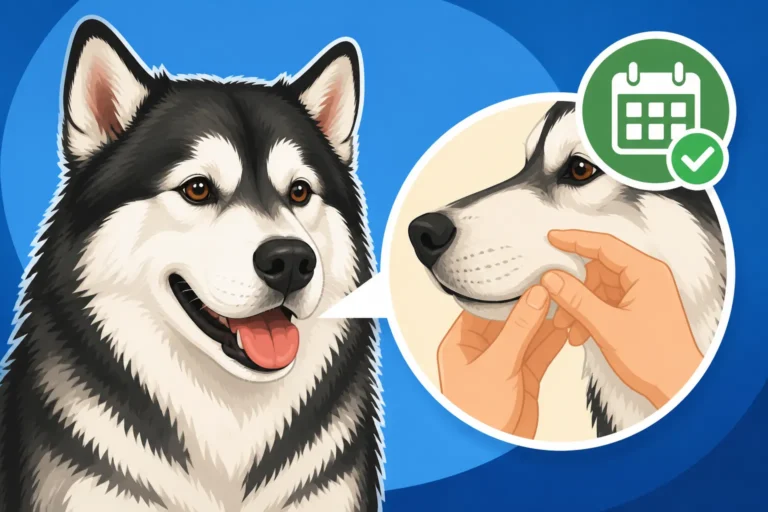
Bathing should be done with a veterinarian-approved shampoo, especially if there's an infection or specific skin condition. Over-bathing can strip natural oils, so follow your vet's advice on frequency. After bathing, ensure your Malamute's coat is thoroughly dried, particularly if they have thick fur, to prevent fungal or bacterial growth. For targeted care, your vet might recommend topical treatments, medicated wipes, or conditioning sprays to soothe irritated skin and support healing. Regular inspections of your Malamute's skin, like those described in Reading a Malamute's Skin Before the Crusts Appear, can help catch new problems early.
When a Bald Patch Might Not Grow Back (Or Will Be Different)
While it's always hopeful that your Malamute's beautiful coat will return, there are unfortunate circumstances where a bald patch might not fully regrow, or the new hair might be different. Understanding these possibilities helps manage expectations and allows you to focus on your Malamute's overall health and comfort.
Scarring and Permanent Damage
One of the main reasons a bald patch might not fully recover is if the hair follicles have been severely damaged or destroyed. This can happen with deep wounds, burns, or very severe, chronic skin infections that lead to extensive scarring. When scar tissue forms, it replaces normal skin structures, including hair follicles. In such cases, the area will remain bald, often with a smoother, slightly different texture to the surrounding skin. It's a tough reality, but sometimes, despite the best medical care, the damage is too profound. The focus then shifts to preventing further scarring and keeping the remaining skin healthy.
Chronic Conditions
Some underlying conditions, even with treatment, can lead to persistent or recurring hair loss, or prevent full regrowth. For example, while hypothyroidism is treatable with medication, if the diagnosis was delayed, or if a Malamute has other chronic health issues impacting their overall vitality, the coat might never return to its former glory. Similarly, if allergies are severe and difficult to manage, continuous scratching and irritation can lead to ongoing hair thinning and bald spots, even if minor. The goal with chronic conditions is often management and minimizing symptoms rather than complete eradication, which means some coat changes might be permanent. For an older Malamute, Caring for an Old Alaskan Malamute often includes managing coat and skin changes as well.
Age-Related Changes
As Malamutes age, their bodies, including their skin and coat, undergo natural changes. You might notice their fur becoming thinner, coarser, or developing bald spots without any specific underlying disease. This can be a normal part of the aging process, similar to how human hair thins or grays. Older Malamutes might also be more prone to certain health conditions that impact coat quality, or their metabolism might slow down, affecting hair growth cycles. While you can support their overall health with good nutrition and veterinary care, some age-related baldness might just be a sign of their wisdom and years. Signs an Alaskan Malamute Is Getting Old can also include these subtle but noticeable changes in their fur.
Regardless of whether a bald patch fully recovers, your Malamute still needs your love and care. Focusing on their comfort, managing any underlying health issues, and providing a high-quality life is what truly matters.
| Cause of Bald Patch | Likelihood of Regrowth (with treatment) | Typical Time to See Regrowth | Key Actions |
|---|---|---|---|
| Zinc Responsive Dermatosis | High | 4-8 weeks | Vet-prescribed zinc supplementation |
| Hypothyroidism | High | 8-12 weeks | Lifelong thyroid medication |
| Allergies/Infections | High (if cleared) | 6-10 weeks | Vet diagnosis, targeted medication, allergen management |
| Parasites (Mites, Ringworm) | High (if cleared) | 4-8 weeks | Specific anti-parasitic/anti-fungal treatment |
| Pressure Sores/Friction | Moderate to High | 6-12 weeks | Soft bedding, appropriate gear, protect skin |
| Severe Scars/Burns | Low to None | Permanent | Wound care, prevention of further injury |
| Age-Related Thinning | Low | May not fully regrow | Supportive care, nutrition, vet check for other causes |
Disclaimer
This article is for general informational purposes only and does not constitute professional advice. Laws, prices and regulations vary by location and change over time. Consult a qualified professional for guidance on your specific situation.