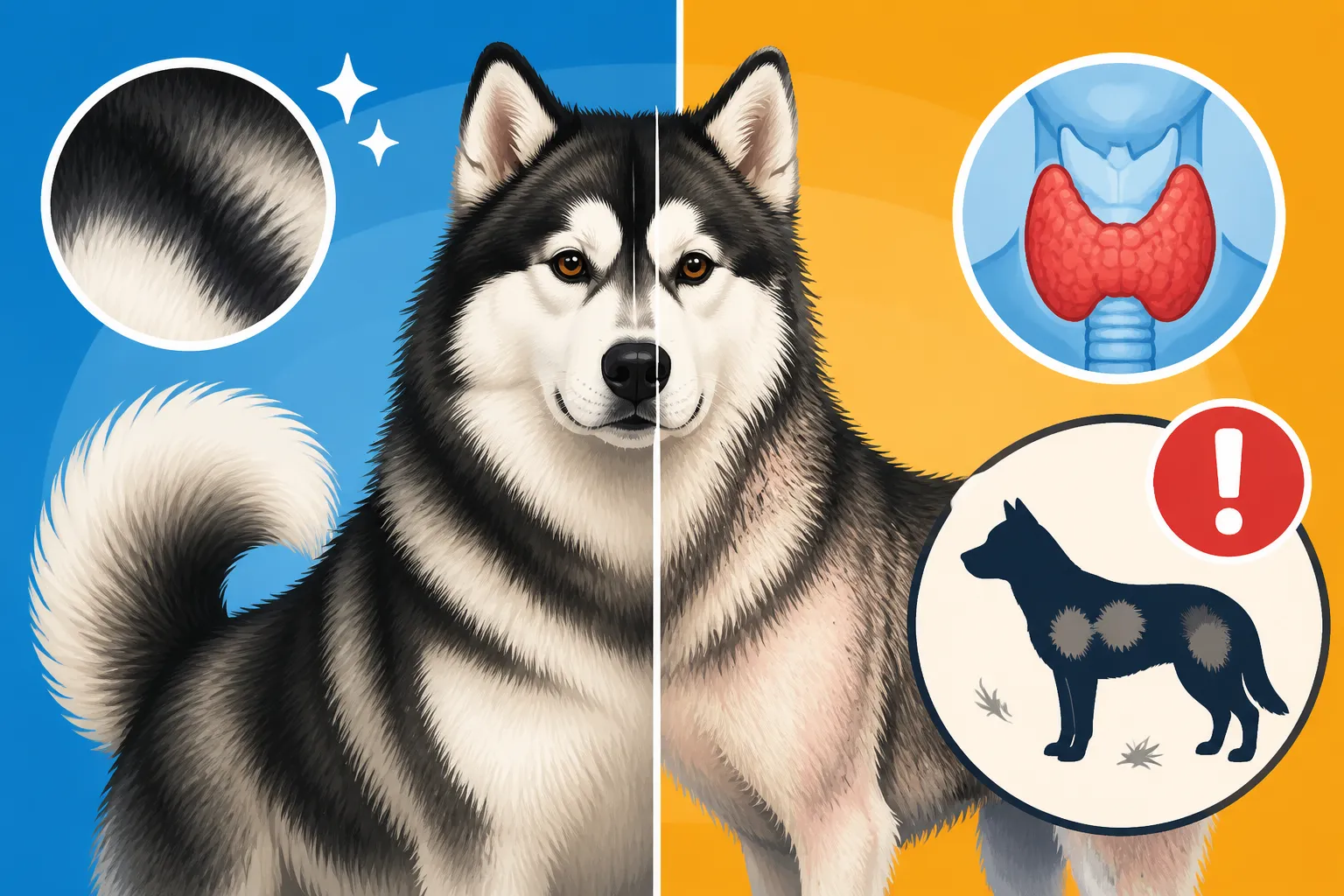
Whether a Malamute’s Coat Thins With Thyroid Disease
It’s a truly frustrating experience when you notice subtle changes in your beloved Alaskan Malamute, especially when it comes to their magnificent coat. You might brush it off as normal shedding, or perhaps a seasonal change, but deep down, you worry. Many Malamute owners wonder if a thinning coat could be a sign of something more serious, like thyroid disease. This guide is here to shed light on that exact concern, helping you understand the link between your Malamute's coat health and their thyroid function.
Understanding Canine Hypothyroidism in Alaskan Malamutes
When you're sharing your life with an Alaskan Malamute, you quickly learn they are a breed unlike any other. Their thick, luxurious coats are part of their charm, but also a complex system that can sometimes signal underlying health issues. One such issue, often manifesting subtly through changes in their fur, is hypothyroidism.
What is Hypothyroidism and Why Malamutes are Prone?
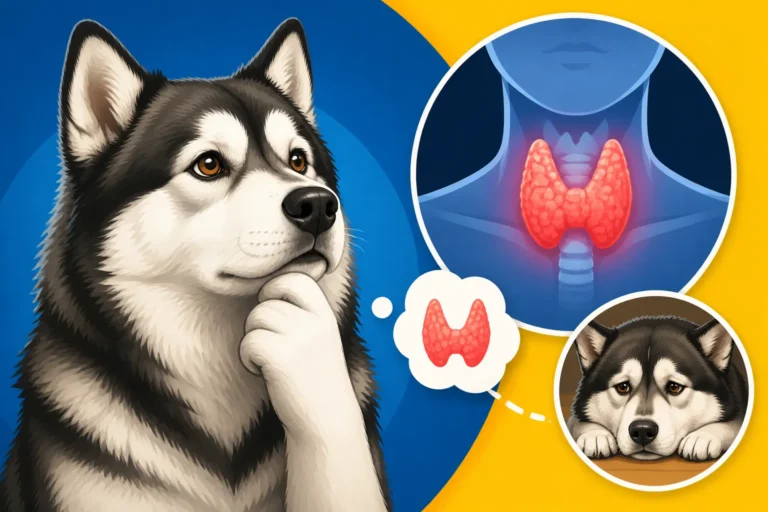
Hypothyroidism, in simple terms, is a condition where your dog's thyroid gland doesn't produce enough thyroid hormone. This hormone is crucial; it acts like the body's thermostat, regulating metabolism, energy levels, and even the health of their skin and coat. Without enough of it, everything starts to slow down. For Alaskan Malamutes, like some other larger breeds, there seems to be a genetic predisposition to this condition, primarily due to an autoimmune process where the body mistakenly attacks its own thyroid gland. This is often referred to as autoimmune thyroiditis, gradually destroying the gland's ability to produce hormones. It's not a sudden event but a slow decline that can take years to fully manifest, making it tricky to spot in its early stages. Many owners might notice symptoms starting around middle age, but it can affect Malamutes as young as two or three years old.
The Insidious Onset of Symptoms
One of the most challenging aspects of hypothyroidism is just how sneaky its onset can be. You might attribute your Malamute's slight drop in energy to them getting older or the weather, or perhaps a new diet. They might seem a little less enthusiastic about their walks, or take longer to warm up to play. This gradual decline makes it easy to overlook, and before you know it, what started as a subtle shift has become a noticeable change in their overall demeanor and physical appearance. The powerful instinct to push through discomfort, a trait inherited from their working dog ancestors, often means a Malamute will show nothing until it cannot work, making symptoms less obvious until the disease is quite advanced. This is why paying close attention to any minor, persistent changes, no matter how small, is so incredibly important for Malamute parents.
The Link Between Thyroid Disease and Coat Health
It's natural to be concerned when your Malamute's glorious double coat starts to look less than perfect. While shedding is a normal part of their life, especially during the famous "coat blow" seasons, a general thinning or poor quality of fur can be a significant red flag pointing towards an underlying issue like hypothyroidism.
Explaining Hair Loss and Thinning
Thyroid hormones play a direct role in the growth cycle of hair. Each hair follicle goes through phases: growth (anagen), regression (catagen), and resting (telogen). In a hypothyroid dog, the lack of adequate thyroid hormone disrupts this cycle, often pushing more follicles into a prolonged resting phase. This means existing hairs aren't replaced efficiently, leading to diffuse hair loss or an overall thinning of the coat. You might notice the thinning is symmetrical, often affecting both sides of the body equally, which is a classic indicator of a metabolic or hormonal issue. It's not usually patchy baldness initially, but rather a uniform reduction in hair density, especially on the flanks, chest, and tail. The once thick, plush undercoat might become sparse, and the guard hairs might lose their strength, leading to a duller appearance.
Beyond Just Thinning: Other Coat Changes to Watch For
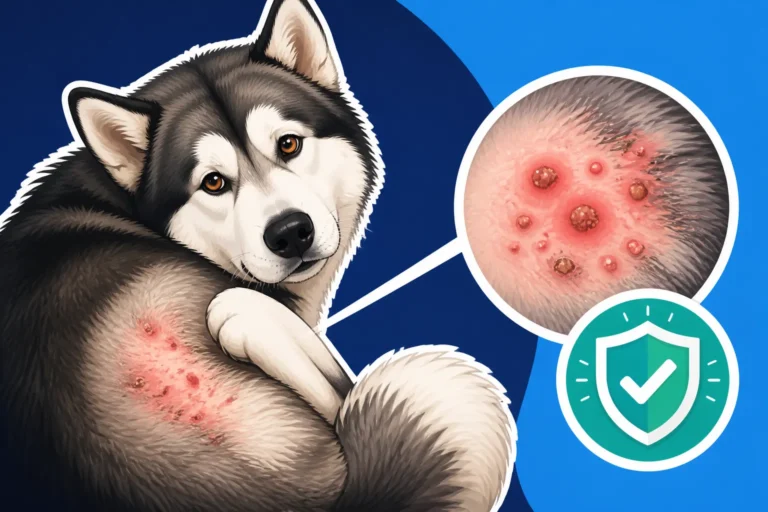
The impact of low thyroid hormone on the skin and coat isn't limited to just thinning hair. You might also observe a host of other unpleasant changes. The skin itself can become dry, flaky, and sometimes greasy, leading to a condition called seborrhea. This can result in a distinctive, somewhat musty odor that regular bathing doesn't seem to resolve. Furthermore, the impaired skin barrier and compromised immune function can make your Malamute more susceptible to secondary skin infections, both bacterial and fungal. These infections can manifest as redness, pustules, and crusting, particularly in areas like the muzzle, elbows, and hocks. This is different from the localized crusting you might see with something like Zinc Responsive Dermatosis in an Alaskan Malamute, which typically has a distinct appearance around the eyes, mouth, and pressure points. It's crucial not to mistake a Malamute's thyroid disease for zinc deficiency, as the treatments are vastly different.
Recognizing Other Key Symptoms Beyond the Coat
While coat changes are a significant indicator of potential thyroid issues in your Alaskan Malamute, it's far from the only symptom. Hypothyroidism affects the entire body, leading to a range of signs that, when pieced together, can paint a clearer picture of what's happening internally. Recognizing these other signs is key to getting an early diagnosis and starting appropriate treatment.
Behavioral and Energy Shifts
One of the most commonly reported non-coat symptoms is a noticeable drop in energy. Your once vibrant, always-ready-for-adventure Malamute might start to seem sluggish, lethargic, and generally less interested in activities they once loved. They might sleep more, or simply lie around the house without the usual Malamute "zoomies" or insistence on walks. This reduced metabolism also often leads to unexplained weight gain, even if their diet and exercise routine haven't changed. You might find yourself asking, "How much an Alaskan Malamute should eat?" as you try to adjust their food intake, only to find they still pack on pounds. This weight gain, coupled with low energy, can make them seem older than their years. You might observe a general mental dullness or even a slight change in temperament, perhaps becoming less engaged or more withdrawn. These subtle shifts can be mistaken for the normal aging process, especially in Malamutes who are Caring for an Alaskan Malamute Past Eight.
Less Common but Important Signs
Beyond the more typical signs, there are other, less common but equally important symptoms that can point to hypothyroidism. Many Malamute owners notice their dogs become intolerant to cold. Despite their thick coats, they might shiver more, seek out warm spots, or seem generally uncomfortable in cooler temperatures that they once thrived in. This is because their internal thermostat is essentially broken.
Another subtle but telling sign is a change in facial expression. Some veterinarians describe it as a "tragic" or "sad" facial expression, characterized by drooping eyelids or a dull look, often due to thickening of the skin and muscles of the face. In some cases, reproductive issues can also arise, such as infertility, abnormal heat cycles in females, or decreased libido in males. While these are less frequently the initial complaint, they can be a piece of the puzzle. It's truly a full-body condition, impacting everything from the immune system to muscle strength, which is why a comprehensive approach to diagnosis and treatment is essential.
Diagnosing and Managing Hypothyroidism in Your Malamute
If you've noticed any of these concerning changes in your Malamute, it's natural to feel worried. The good news is that canine hypothyroidism is a very treatable condition, and with proper diagnosis and management, your Malamute can often go on to live a full and happy life. The key is to work closely with your veterinarian.
The Diagnostic Journey: Blood Tests and Beyond
Diagnosing hypothyroidism isn't always a straightforward "yes" or "no" answer based on a single test. Your veterinarian will start with a thorough physical examination, taking into account all the symptoms you've observed. The definitive diagnosis relies on blood tests that measure the levels of thyroid hormones in your Malamute's system.
Typically, this involves measuring total T4 (thyroxine) and sometimes free T4 (fT4), which is the unbound, active form of the hormone. Many vets will also run a TSH (thyroid-stimulating hormone) test. A low T4 combined with a high TSH is a strong indicator of primary hypothyroidism. However, other illnesses can temporarily suppress thyroid hormone levels, leading to what's called "euthyroid sick syndrome." This is why a full thyroid panel, often including autoantibodies to T4 and T3 (thyroglobulin autoantibodies, TgAA), is often recommended to get the most accurate picture, especially in a breed like the Malamute where specific disease patterns can occur. It helps differentiate true hypothyroidism from other conditions that might mimic it or affect results. This testing can be crucial, and many owners find that pet insurance providers like Healthy Paws offer excellent coverage for diagnostic tests and ongoing care for chronic conditions, which can be a huge relief.
Lifelong Management and Prognosis
Once hypothyroidism is diagnosed, treatment is typically simple but lifelong: your Malamute will need daily oral medication, usually a synthetic thyroid hormone called levothyroxine. This medication effectively replaces the hormone their body isn't producing enough of. The dosage will be carefully determined by your vet, often starting with a specific amount and then adjusted based on follow-up blood tests.
You'll usually see improvements in energy levels and attitude within a few weeks, with coat and skin issues taking a bit longer, often several months, to fully resolve. Regular monitoring appointments, including blood work to check thyroid levels, will be necessary to ensure the medication dose remains optimal throughout your Malamute's life. Initially, these checks might be every few weeks, then perhaps every 6-12 months once a stable dose is achieved. With consistent treatment, Malamutes with hypothyroidism can enjoy excellent quality of life and maintain their expected The Ten to Fourteen Years an Alaskan Malamute Lives. It’s about commitment and staying on top of their care, and many pet insurance plans, such as those from Healthy Paws, are invaluable for managing the long-term costs associated with chronic conditions like this, making sure your beloved companion gets the best possible care without undue financial strain. This condition means Whether a Malamute Needs Yearly Thyroid Bloodwork is not just a recommendation, but a necessity for their well-being.
Here’s a quick overview of symptoms that might suggest hypothyroidism in your Alaskan Malamute:
| Symptom Category | Common Indicators to Watch For |
|---|---|
| Coat & Skin Changes | Thinning coat (often symmetrical), dull/dry fur, excessive shedding, flaky skin, poor hair regrowth, recurrent skin infections, "rat tail" (thinning tail fur). |
| Energy & Metabolism | Lethargy, reduced activity, increased sleeping, unexplained weight gain despite normal food intake, cold intolerance (seeking warm spots, shivering). |
| Behavioral Changes | Mental dullness, less alert, potentially some irritability, reduced enthusiasm for play or walks. |
| Other | "Tragic" facial expression (due to facial skin thickening), muscle weakness, reproductive issues (infertility, abnormal heat cycles). |
Disclaimer
The information provided in this guide is for general informational purposes only and is not intended as a substitute for professional veterinary advice. Always consult with a qualified veterinarian for any health concerns or before making any decisions related to your pet's health or treatment.