Signs an Alaskan Malamute Is Too Hot
It's a fear that lives in the heart of every Alaskan Malamute owner, especially as the temperatures start to climb: that sudden, silent worry that your powerful, magnificent dog, built for the frozen North, is struggling with the heat. We know our Mals are magnificent creatures, designed for pulling sleds across icy landscapes, not lounging on a hot patio. But sometimes, even with our best intentions, the signs that they’re truly overheating can be subtle at first, easy to mistake for simple tiredness. This comprehensive guide will help you understand the specific dangers heat poses to your Malamute and equip you with the knowledge to recognize the early, moderate, and critical signs of heat stress, so you can act quickly and potentially save their life.
Why Heat is Such a Profound Danger for Alaskan Malamutes
Our Malamutes are living testaments to their Arctic heritage, every fiber of their being engineered for survival in sub-zero temperatures. This incredible adaptation, while a blessing in winter, becomes their greatest vulnerability when the mercury rises. Understanding why they struggle so much helps us appreciate the urgency of recognizing overheating signs.
The Incredible Insulation: A Double Coat Designed for Extreme Cold
Picture a Malamute in its element: snow-covered trails, frosty breath, ears alert against a biting wind. Their coat is their ultimate survival tool in this environment. They possess a thick, dense double coat consisting of a coarse outer guard coat and a soft, woolly undercoat. This undercoat is like a natural down jacket, designed to trap warm air close to their body, providing unparalleled insulation against the cold.
While this system is perfect for winter, it works too well in warmer climates. That same insulating layer that keeps them toasty in blizzards now traps heat against their skin, preventing their body from releasing it effectively. It's like wearing a heavy winter coat to the beach. Many new owners, in a desperate attempt to cool their dog, consider shaving their Malamute. However, this often does more harm than good, disrupting their natural insulation and even exposing their sensitive skin to sunburn. You can read more about this common mistake in Why an Alaskan Malamute Must Never Be Shaved. Their coat isn't just for warmth; it actually helps regulate temperature if it's healthy and allowed to breathe.
An Efficient Metabolism That Generates Internal Heat
Beyond their physical coat, Malamutes also have a unique physiological makeup that contributes to their heat sensitivity. These dogs were bred for endurance, to work tirelessly over long distances with minimal food. This means they have an incredibly efficient metabolism. Their bodies are masters at converting food into energy and maintaining a steady core temperature, which is fantastic when they're burning calories to stay warm while pulling a sled.
However, this efficient metabolism also means they generate a significant amount of internal heat, even when at rest. When the external temperature is also high, their body has to work overtime to dissipate this internally generated heat. Unlike humans who sweat profusely from their skin, dogs primarily cool themselves through panting and through the pads of their feet. This combination of superior insulation and an efficient, heat-generating metabolism means they can overheat much faster and with less apparent exertion than many other breeds. It’s a delicate balance their bodies are trying to strike, and often, the heat tips the scales against them, turning their natural advantages into disadvantages. This efficiency is something new owners often underestimate, as discussed in The Efficient Metabolism That Surprises Every New Malamute Owner.
Subtle Early Indicators of Heat Stress You Might Overlook
Sometimes, before a Malamute is in full distress, they offer us subtle clues that they're starting to feel the heat. These early indicators are crucial to recognize because acting at this stage can prevent a life-threatening situation. It's about tuning into your dog's normal behavior and spotting the slight deviations.
Slight Changes in Behavior and Demeanor
One of the first things you might notice is a subtle shift in your Malamute's usual personality or activity level. They might be less enthusiastic about their favorite toy or show a decreased interest in a walk they'd normally eagerly anticipate. Instead of their usual playful nudges or vocal greetings, they might just lie down, seeking out the coolest tile in the house, or simply appear more withdrawn and quiet. This isn't just "tiredness"; it's their body conserving energy because it's already working hard to manage its internal temperature.
You might also observe them actively seeking out shade more persistently, even in areas where they'd usually happily bask in the sun for a bit. Perhaps they're lying flatter on the ground, trying to maximize contact with cooler surfaces. If your Malamute, who usually trails you from room to room, decides to stay put in one spot and seems a bit unresponsive to your calls, it's a sign to pay closer attention. They might also appear mildly restless, shifting positions frequently but not actually getting up to do anything, almost like they're uncomfortable but don't know why.
Elevated Respiration and Minor Physical Shifts
While dramatic, heavy panting is a clear sign of distress, early heat stress can manifest as a more rapid or slightly deeper pant than what you'd typically hear from your Malamute after a short burst of activity. It might not seem alarming at first, but if it's sustained even when they're not actively exercising, it's a yellow flag. Consider checking out Whether an Alaskan Malamute Pants Constantly in Summer to understand normal versus warning panting. Their breathing might still be smooth, but the frequency has increased.
You'll also likely notice an increased thirst. Your Malamute might be visiting the water bowl more often, drinking larger quantities, or even trying to get into the shower or a kiddie pool if one is available. There might be a slight increase in drooling, but not yet the thick, ropey saliva associated with more severe overheating. When you touch them, especially around their ears, armpits, or groin area, their skin might feel noticeably warmer than usual. It’s not necessarily a fever yet, but a clear indication that their core temperature is on the rise and their body is trying to shed heat through radiation from these less insulated areas. These are the moments when a quick intervention – a cool drink, moving indoors, or a damp towel – can make all the difference. Many of these cooling supplies, from large water bowls to cooling mats, can be found easily on platforms like Amazon.
Recognizing Moderate Overheating: When to Act Decisively
When the early signs progress, your Malamute enters a stage of moderate overheating. This is a critical point where immediate and decisive action is required. Delaying at this stage significantly increases the risk of severe, life-threatening heatstroke. You'll move beyond subtle cues to more obvious physical and behavioral distress.
Vigorous, Uncontrolled Panting and Excessive Drooling
The panting you observe now is far more pronounced than the early indicators. It's no longer just faster; it's deep, labored, and often appears almost frantic. Your Malamute might be stretching their neck out, their tongue flattened and wide, trying to move as much air as possible across the moist surfaces of their mouth and lungs to cool down. It will sound strenuous, not just quick. They might even make grunting or snorting noises as they struggle to breathe effectively.
Accompanying this intense panting will be a significant increase in salivation. Your Malamute's mouth will likely be very wet, and you'll see copious amounts of drool, which might be thick and sticky rather than watery. In some cases, particularly if they're also anxious, this excessive drooling can even become frothy around their mouth. This isn't just them being a bit thirsty; it's their body's increasingly desperate attempt to regulate temperature through evaporative cooling, and it’s a clear signal that they are in distress and their cooling mechanisms are struggling to keep up with the heat load.
Coordination Issues and General Weakness
As overheating progresses, a Malamute's muscles can start to suffer, leading to noticeable problems with coordination and overall weakness. You might observe them stumbling, staggering as if they're drunk, or having an uncoordinated gait. Their hind legs might seem particularly weak or wobbly. They may be very reluctant to move at all, preferring to lie down, but even lying down won't look comfortable or relaxed.
Muscle tremors or shaking can also become apparent, especially in their legs or flanks. This involuntary shivering is a serious sign that their body is under immense strain. Ultimately, if the heat stress continues, they might collapse or become unable to stand. This isn't just exhaustion; it's a sign that their neurological and muscular systems are being profoundly affected by the rising core temperature. At this point, they are in serious danger and need immediate, active cooling and potentially veterinary attention.
Bright Red or Dark Gums and Tongue
Checking your Malamute's gums and tongue is a crucial step in assessing their condition. Gently lift their lip. Normally, their gums should be a healthy bubblegum pink, and when you press on them briefly, the color should return almost instantly (this is called capillary refill time, or CRT). With moderate overheating, their gums and tongue will often appear bright red, almost cherry-red. This indicates increased blood flow to the surface as their body tries to dissipate heat.
If the situation worsens, the color can shift to a darker, dusky red or even a purplish hue. This is a very alarming sign, suggesting that their organs are not receiving adequate oxygen and blood circulation is compromised. A prolonged CRT (where the pink color takes more than 2 seconds to return) also indicates a problem. These color changes are a direct reflection of their circulatory system struggling under the strain of excessive heat. Any deviation from healthy pink gums is a serious warning, and a dark red or purplish color signals an urgent need for intervention.
Critical Signs of Severe Heatstroke: An Emergency Situation
If the signs of moderate overheating are ignored or progress despite efforts to cool them, your Malamute can rapidly enter severe heatstroke. This is a life-threatening medical emergency that demands immediate veterinary attention. Every minute counts.
Gastrointestinal Distress and Neurological Symptoms
Severe heatstroke can cause significant damage to internal organs, and one of the clearest signs is profound gastrointestinal distress. Your Malamute may begin to vomit, and tragically, this vomit can often contain blood, indicating internal bleeding in their digestive tract. They may also develop severe diarrhea, which can quickly lead to dangerous dehydration and further electrolyte imbalances. These symptoms are not just unpleasant; they are indicators of systemic organ damage and failure.
Simultaneously, their neurological function will rapidly decline. Your Malamute will appear profoundly disoriented, confused, and may have a glazed, unfocused look in their eyes. They might respond slowly or not at all to their name or commands. Their mental state will be dull, almost like they are no longer truly "there." As the brain itself is affected by the extreme temperature, more severe neurological signs can emerge, including violent seizures, complete collapse, and ultimately, loss of consciousness. If you observe any of these symptoms, do not hesitate. This is not something you can manage at home. As we've seen, Summer Is the Season That Kills Alaskan Malamutes far too often, and immediate medical intervention is the only course of action.
Body Temperature and Shock Indicators
In severe heatstroke, your Malamute's core body temperature will skyrocket to dangerously high levels, well above their normal range. While I can't give specific numbers, a veterinarian would measure rectal temperature, and readings far beyond what's considered healthy for a dog are indicative of critical heatstroke. This extreme internal heat is what causes the widespread cellular and organ damage.
Beyond temperature, their body will show clear signs of shock. Their heart rate will be rapid and weak, almost thready, as their circulatory system struggles to cope. Their mucous membranes (gums, inner eyelids) may become very pale or even bluish as oxygen delivery falters. They might hyperventilate, taking rapid, shallow breaths, or their breathing might become very irregular and gasping. They might even go into respiratory arrest. These symptoms collectively point to multi-organ dysfunction and circulatory collapse, meaning their body's vital systems are shutting down. At this point, they require not just cooling, but intensive veterinary care to address organ damage, fluid imbalances, and prevent further complications. You must get them to an emergency vet clinic right away.
Factors That Dramatically Increase a Malamute's Heat Risk
It's not just the temperature outside that dictates how susceptible your Malamute is to overheating. Several other factors, often interconnected, can dramatically amplify their risk. Being aware of these can help you better manage their environment and activities.
Activity Level, Hydration, and Environmental Conditions
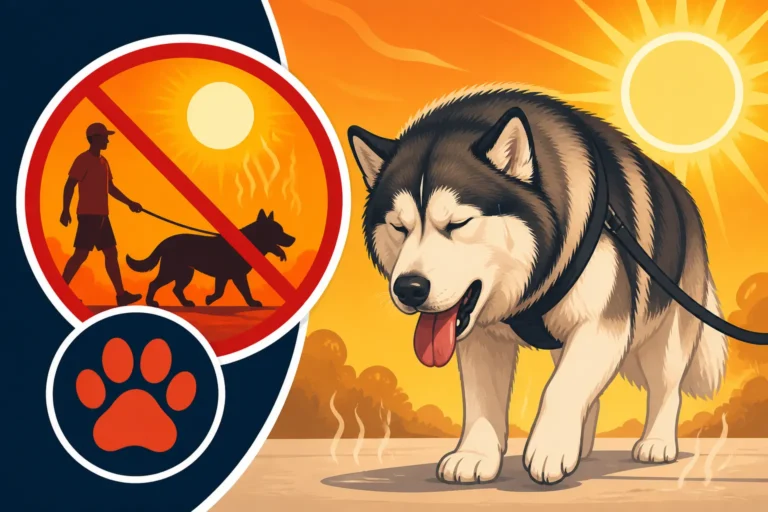
One of the most obvious, yet often underestimated, factors is the level of physical activity. A Malamute running, playing vigorously, or working (even light pulling) in warm weather generates a huge amount of internal heat. Couple this with high humidity, which makes evaporative cooling (panting) far less effective, and you have a recipe for disaster. What might be a comfortable temperature for a short walk for some breeds can be dangerously high for a Malamute. This is why it's crucial to understand Why a Malamute Should Not Walk at Midday during warmer months.
Inadequate hydration is another critical component. If your Malamute doesn't have constant access to fresh, cool water, or isn't encouraged to drink regularly, they can quickly become dehydrated, making it harder for their body to cool itself. Being confined in a hot, poorly ventilated space, like a car (even with windows cracked), a garage, or an unshaded yard, compounds the problem rapidly. Even just direct sunlight on a warm day can be too much for an extended period. Think about the timing of their activities; How Early a Malamute Should Be Walked in Summer is a crucial consideration. Ensure they have access to water, perhaps a large bowl from a store like Chewy, or even a small kiddie pool on Amazon.
Individual Predispositions: Age, Weight, and Underlying Health Conditions
While all Malamutes are susceptible, some are at an even higher risk. Very young puppies and senior Malamutes tend to be more vulnerable. Puppies haven't fully developed their thermoregulation systems, and older dogs may have underlying health issues or simply less efficient bodily functions. Their ability to cope with stress, including heat stress, is diminished.
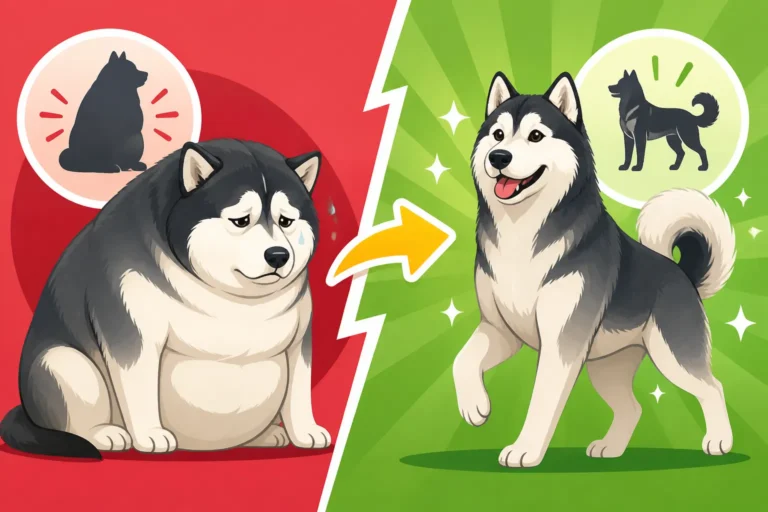
Weight is another significant factor. Overweight or obese Malamutes carry an extra layer of fat, which acts as additional insulation, further trapping heat in their bodies. This also puts more strain on their cardiovascular and respiratory systems, making it even harder for them to cool down effectively. If your Malamute is on the heavier side, please be extra vigilant; you can read more about this in Whether an Overweight Malamute Overheats Faster. Furthermore, any Malamute with pre-existing health conditions, such as heart disease, respiratory problems, laryngeal paralysis, or even certain medications, can have their ability to regulate body temperature compromised, turning a warm day into a life-threatening situation faster than for a healthy dog.
Immediate Steps to Cool Your Malamute and When to Seek Vet Care
Recognizing the signs is only half the battle; knowing what to do immediately is just as vital. Swift action can make the difference between a scary incident and a tragic loss. Remember, your goal is to cool them down safely and effectively while preparing for potential veterinary care.
Rapid Cooling Techniques and Hydration
If you suspect your Malamute is overheating, the very first step is to get them out of the hot environment immediately. Move them into air conditioning, a shaded area, or in front of a powerful fan. Offer them fresh, cool (not ice-cold) water to drink. Don't force them to drink, but make it readily available.
Next, focus on active cooling. Wet them down with cool water, concentrating on areas where blood vessels are close to the surface, such as their paw pads, inner thighs, belly, and around their ears. A garden hose (set to a gentle spray) or wet towels can be effective. You can also place them in a shallow kiddie pool of cool water. The key is cool, not freezing or icy water, as ice can constrict blood vessels and actually hinder cooling, and it can also cause them to shiver, generating more heat. You can get a cheap kiddie pool from Amazon. For more detailed instructions, check out How to Cool an Overheated Alaskan Malamute. Continue these cooling efforts until their breathing starts to calm and they seem more responsive. However, be careful not to overcool them, especially if you're measuring their temperature.
When the Vet Becomes Non-Negotiable
While immediate home cooling is crucial, there are clear instances where professional veterinary care becomes non-negotiable. If your Malamute is showing any of the severe heatstroke signs – collapsing, having seizures, profuse or bloody vomiting, severe diarrhea, or is unresponsive – you need to get them to an emergency veterinarian immediately. Do not delay, even if you feel they are starting to cool down. Organ damage can still occur even if external signs improve.
Even if they only show moderate signs, but do not improve rapidly with your cooling efforts, or if their condition seems to worsen, it's time to call your vet. Always call ahead if possible, so they can prepare for your arrival. Transport your Malamute safely, ideally in an air-conditioned car, continuing to apply cool, wet towels to their body if safe to do so. A vet will be able to measure their core temperature accurately, administer IV fluids, provide oxygen, and address any internal organ damage that may have occurred. Remember, your vigilant observation and quick actions could be the difference between life and death for your beloved Malamute. You might also want to review The Temperature at Which a Malamute Should Stay Indoors for guidance on when to simply avoid the heat altogether.
| Sign / Condition | Normal / Mild Hot Weather | Moderate Overheating | Severe Heatstroke |
|---|---|---|---|
| Panting | Steady, controlled, deep breaths, sometimes rapid after exertion | Faster, more shallow, vigorous, may struggle for breath | Extreme, distressed, struggling, gasping, sometimes irregular |
| Gums / Tongue | Healthy pink | Bright red, dark red | Dusky red, blue-tinged, very pale, or brick red |
| Salivation / Drooling | Minimal or light drooling | Increased, thick, sticky drool, sometimes foamy | Profuse, foamy, possibly bloody |
| Behavior | Seeking shade, resting, drinking more, still responsive | Restless, anxious, withdrawn, reduced responsiveness, seeking coolness frantically | Disoriented, confused, lethargic, unresponsive, stumbling, collapsing, seizures |
| Body Temperature | Normal (around 101-102.5°F rectal) | Elevated (e.g., 103-105°F rectal) | Dangerously high (e.g., 105°F+ rectal) |
| Gastrointestinal | Normal | May refuse food, mild upset | Vomiting (often bloody), severe diarrhea |
| Urgency | Monitor, provide cool water/shade | Immediate cooling measures, watch closely, prepare for vet | VETERINARY EMERGENCY – IMMEDIATELY! |
Disclaimer
This article is for general informational purposes only and does not constitute professional advice. Laws, prices and regulations vary by location and change over time. Consult a qualified professional for guidance on your specific situation.