Taking Weight Off a Malamute That Is Not Working
It’s a truly disheartening moment when you look at your beloved Alaskan Malamute and realize they’ve packed on a few too many pounds. Despite thinking you’re feeding them a reasonable amount, their powerful frame starts to soften, and their vibrant energy can seem a little less pronounced. This guide is here to walk you through the realistic steps and practical considerations for safely and effectively helping your non-working Malamute shed those extra ounces, because a healthy weight is crucial for their long-term well-being and happiness.
Understanding Why Your Malamute Might Be Gaining Weight
Before we even talk about cutting calories, it’s vital to understand why your Alaskan Malamute is prone to weight gain, especially if they're not actively pulling a sled or participating in strenuous work. It’s not simply a matter of "too much food, not enough exercise" – though those play a part. Their very genetics are designed for efficiency.
The Malamute's Efficient Metabolism
Imagine a dog bred for centuries to survive and thrive in the harsh Arctic, where food was scarce and energy expenditure was immense. That's your Malamute. They are phenomenal at extracting every single calorie and nutrient from their food and using it with incredible efficiency. This means that a diet that might keep another large breed lean could easily lead to weight gain in a Malamute that isn't burning a huge number of calories daily. This is a common realization for new owners; many are often surprised to learn Why an Alaskan Malamute Eats Less Than Expected compared to other breeds of similar size. Their bodies are built to conserve, not to waste. This historical adaptation is a double-edged sword in modern pet homes. When they're not pulling freight across frozen landscapes, that efficient metabolism can easily tip the scales towards weight gain. It's not a fault in your dog, it's a testament to their incredible heritage. You might even discover more about this unique trait by reading The Efficient Metabolism That Surprises Every New Malamute Owner.
Common Pitfalls in Feeding Non-Working Malamutes
One of the biggest culprits for a Malamute gaining weight is often found right in their bowl, or sometimes, from your hand. We love our dogs, and it’s natural to want to spoil them, but those extra treats and slightly generous meal portions add up quickly for a breed like the Malamute. Many owners fall into the trap of feeding according to the guidelines on the back of a kibble bag, which are often generalized and don't account for the Malamute's specific metabolic rate or a dog's individual activity level. If your Malamute isn't actively working, those recommended portions can be far too much. Over-treating, especially with high-calorie biscuits or table scraps, is another huge pitfall. A few extra pieces of cheese or a couple of large dog treats throughout the day can easily amount to an entire extra meal's worth of calories without you even realizing it. It's also worth noting that many commercial kibbles, while complete, can be calorie-dense, formulated for active dogs. Without that intense activity, your Malamute becomes a furry sponge, absorbing and storing all that excess energy.
The Role of Exercise or Lack Thereof
An Alaskan Malamute is not a couch potato by nature. They were bred for endurance, for pulling heavy loads over long distances. While they can certainly enjoy a good nap, their bodies and minds need consistent, challenging exercise. When a Malamute isn't getting enough physical activity, not only do they burn fewer calories, but they can also become bored and frustrated, which can sometimes manifest as destructive behavior or, ironically, a more sedentary lifestyle. A bored Malamute might be less inclined to play, preferring to lie around, further contributing to weight gain. This lack of appropriate exercise can be particularly problematic for large breeds, as extra weight puts immense strain on their joints, potentially exacerbating conditions like Hip Dysplasia in an Alaskan Malamute or leading to arthritis as they age. It’s a vicious cycle where less activity leads to more weight, which then makes activity even harder.
Practical Steps to Assess and Adjust Your Malamute's Diet
Taking off weight isn't about starvation; it's about smart, sustainable changes. This requires a bit of detective work and consistency, but your Malamute's health is absolutely worth the effort.
How to Accurately Assess Body Condition
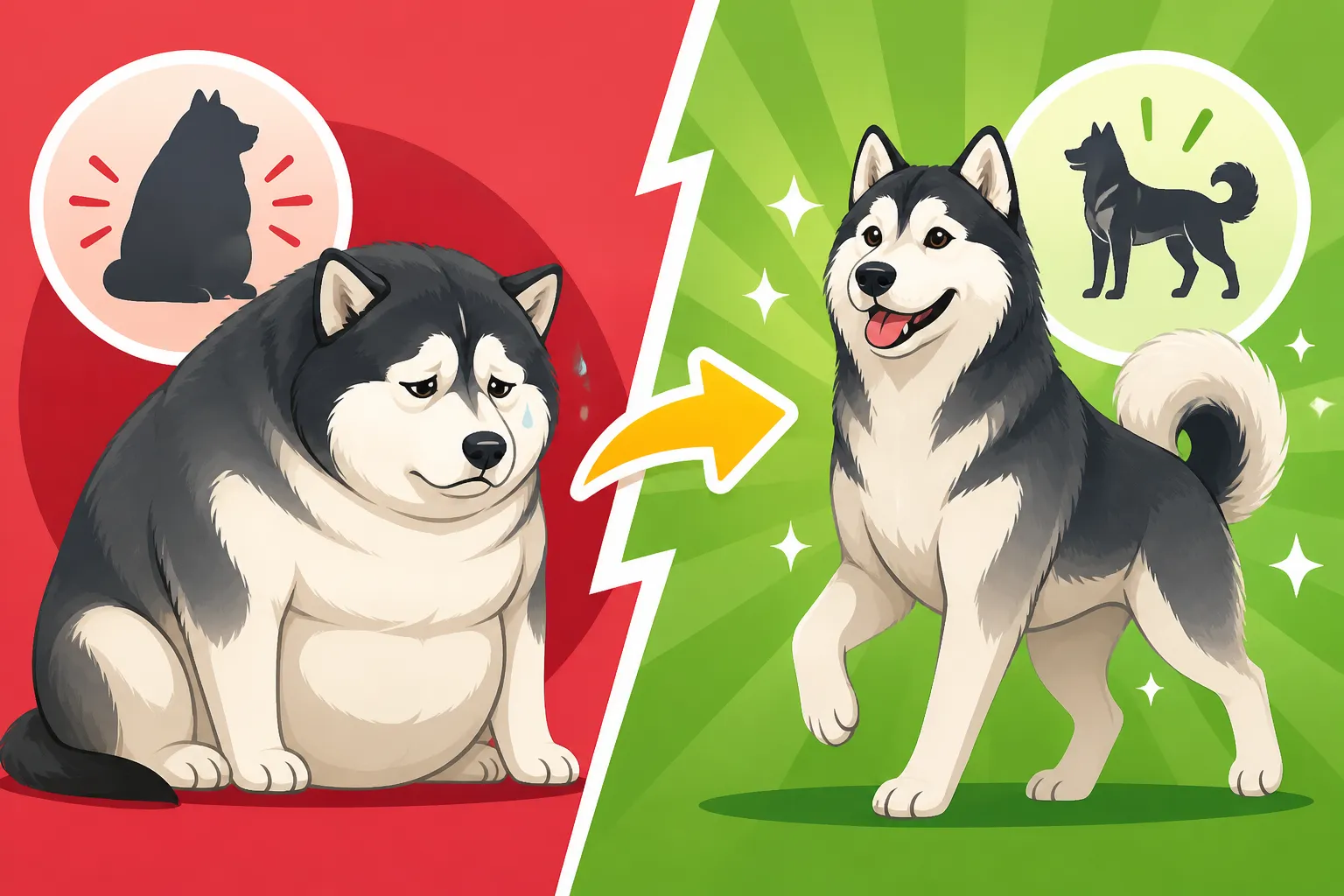
The first step to managing your Malamute's weight is knowing exactly where they stand. Forget what the scale says for a moment; it’s all about body condition scoring. This involves using your hands and eyes to feel for fat cover and muscle definition. You should be able to easily feel your Malamute's ribs, spine, and hip bones under a thin layer of fat, without them protruding sharply. When viewed from above, your Malamute should have an hourglass shape, with a noticeable tuck behind the ribs. From the side, their abdomen should tuck up slightly, not hang low. Many owners struggle to accurately gauge their Malamute's condition due to their thick, insulating double coat. It's a common struggle, and you can learn more about how to do this effectively by checking out How to Spot a Heavy Malamute Under Its Coat or getting hands-on with Feeling for Ribs Under an Alaskan Malamute's Coat. Don't be shy about getting your hands on them and feeling through that dense fur!
Choosing the Right Food and Portions
Once you know your Malamute’s current condition, it's time to tackle the diet. This is where most of the weight loss battle is won.
- Switch to a Lower-Calorie Formula: Look for dog foods labeled "weight management," "senior," or "light." These typically have reduced fat and calorie content but still provide essential nutrients. Many high-quality, lower-calorie kibbles are available through retailers like Chewy, which makes it easier to compare options and read reviews.
- Measure Accurately: This is non-negotiable. Don't eyeball it. Use a standard measuring cup or, even better, a kitchen scale to weigh out your Malamute's food. Even small discrepancies can add up over time. If you're unsure how much your Malamute should be eating, start by reducing their current intake by about 10-15%. You might be surprised at How Many Cups a Day an Adult Alaskan Malamute Eats when they're not working heavily.
- Feed Multiple Small Meals: Instead of one or two large meals, consider splitting their daily ration into three or four smaller meals. This can help keep them feeling fuller throughout the day and regulate their metabolism. A slow feeder bowl can also help, making them work for their food and slowing down their intake, which is excellent for digestive health and satiety. You can find a wide variety of effective slow feeders on Amazon.
- Consider Fresh or Raw Options: Some owners find success with fresh food diets, where the ingredients are less processed and often contain fewer fillers. If you're considering fresh food options, services like Ollie are out there, providing portion-controlled, human-grade meals that can be formulated for weight loss. Be sure to consult with your vet or a canine nutritionist to ensure complete and balanced nutrition, especially when making significant dietary changes. Also, always be mindful of their unique needs, such as ensuring sufficient zinc intake, as Whether Fresh Food Delivers a Malamute Enough Zinc is a consideration for this breed.
The Art of Healthy Treats and Snacks
Treats aren't off-limits, but they need to be rethought. High-calorie biscuits are out. Think about low-calorie, high-value alternatives:
- Vegetables: Many Malamutes adore carrots, green beans, cucumber slices, or small pieces of apple (without seeds). These are crunchy, satisfying, and very low in calories. Always introduce new foods slowly and ensure they are safe for dogs.
- Plain Air-Popped Popcorn: Without butter or salt, plain popcorn can be a fun, low-calorie, high-volume treat for some dogs.
- Ice Cubes: On a hot day, an ice cube can be a refreshing, calorie-free treat that helps with hydration.
- Training Treats: Use tiny, pea-sized pieces of boiled chicken breast, lean roast beef, or special low-calorie training treats. These are fantastic for mental stimulation without piling on the pounds.
- Puzzle Toys: Instead of just handing out treats, put a portion of their daily kibble ration into a puzzle toy. This makes them work for their food, engages their mind, and slows down eating.
Remember, treats should make up no more than 10% of their total daily calorie intake when on a weight loss program.
Incorporating More Activity Safely and Effectively
Weight loss is 80% diet, but the other 20%—exercise—is crucial for your Malamute's overall health, muscle tone, and mental well-being. This doesn't mean you need to turn them into an Iditarod champion overnight, especially if they're currently overweight.
Low-Impact Exercise Options for Overweight Malamutes
When your Malamute is overweight, their joints are already under strain. High-impact activities like jumping or long runs on pavement should be avoided initially. Focus on gentle, consistent exercise:
- Leisurely Walks: Start with shorter, frequent walks on soft surfaces like grass or trails. Gradually increase the duration and pace as your Malamute's stamina and weight improve. Two 20-minute walks are often better than one 40-minute walk.
- Swimming: This is an excellent full-body, low-impact exercise for Malamutes, assuming they enjoy water (many do!). It builds muscle without stressing joints. A local dog-friendly lake or a canine hydrotherapy center can be great options. Just be mindful of their dense coat and ensure thorough drying afterward to prevent skin issues.
- Controlled Leash Work: Practice consistent, steady walking on a leash, encouraging them to walk beside you at a comfortable pace. This helps build endurance without sudden bursts of energy.
- Short Play Sessions: Engage in gentle play in the yard, like tossing a soft toy a short distance, rather than intense, prolonged games of fetch that involve a lot of stopping and starting.
If your Malamute is older or has known joint issues, discussing an exercise plan with your vet is essential. They might recommend Joint Supplements for an Alaskan Malamute or other interventions, especially if you're dealing with Arthritis in an Older Alaskan Malamute.
Creative Ways to Keep Your Malamute Moving
Beyond structured walks, integrate movement and mental engagement into their daily routine:
- "Find It" Games: Hide treats (low-calorie, of course!) or toys around the house or yard and encourage your Malamute to sniff them out. This engages their powerful sense of smell and provides mental stimulation, which is tiring in itself.
- Stair Walking: If your Malamute doesn't have knee or hip issues, walking up and down a few stairs a couple of times a day can be a gentle way to build hindquarter strength. Supervise closely.
- Interactive Toys: Invest in durable chew toys or puzzle toys that dispense kibble slowly. These keep your Malamute engaged and moving for longer periods, rather than just lying around.
- Socialization (Controlled): If your Malamute enjoys the company of other calm, well-matched dogs, short, supervised playdates can encourage gentle movement and mental interaction. Always ensure it's a safe environment, especially given that Malamutes can sometimes exhibit Same Sex Aggression in a Pack Bred Alaskan Malamute.
- "Work" Simulation: Even if they aren't pulling a sled, you can give them a sense of purpose. A sturdy backpack (properly fitted and weighted lightly) on a walk can give them a "job" and increase calorie burn. Start with empty packs and gradually add minimal weight. Whether a Malamute Can Carry a Backpack is a good read for more details.
Remember that an overweight Malamute can overheat more easily due to their dense coat and insulating fat layer. Always exercise in cooler parts of the day, provide plenty of water, and watch for signs of overheating, which is discussed further in Whether an Overweight Malamute Overheats Faster.
Monitoring Progress and Adjusting the Plan
Weight loss in Malamutes, as in humans, is rarely a straight line. There will be good weeks and slower weeks.
- Regular Weigh-Ins: Weigh your Malamute weekly or bi-weekly, ideally at the same time of day and at the vet's office for accuracy. Keep a log of their weight.
- Body Condition Reassessment: Continue to feel your Malamute's ribs and check their tuck regularly. Sometimes, muscle might increase as fat decreases, and the scale might not move dramatically, but their body shape will change for the better.
- Adjusting as Needed: If your Malamute isn't losing weight after a few weeks, or if the loss is too rapid, it’s time to adjust. You might need to slightly reduce food portions further or increase exercise intensity/duration. Conversely, if they're losing too quickly or seem lethargic, you might need to slightly increase their food. The goal is a steady, gradual loss – typically 1-2% of their body weight per week.
- Patience and Consistency: This is a marathon, not a sprint. It took time for the weight to go on, and it will take time for it to come off. Stick with the plan, be consistent, and celebrate small victories. Keeping an Alaskan Malamute at a Working Weight is an ongoing process.
Addressing Underlying Health Concerns and When to Seek Vet Help
While diet and exercise are the primary drivers of weight loss, it’s incredibly important to rule out any medical reasons for your Malamute's weight gain, or to manage conditions that might make weight loss more challenging.
Ruling Out Medical Conditions
Sometimes, weight gain isn't just about overeating or under-exercising. Several medical conditions can contribute to a dog putting on weight, even if you feel you're doing everything right.
- Hypothyroidism: This is a common culprit in dogs, especially larger breeds, where the thyroid gland doesn't produce enough hormones, leading to a slowed metabolism, weight gain, lethargy, and coat issues. A simple blood test can diagnose this.
- Cushing's Disease: This condition involves the overproduction of cortisol and can also lead to weight gain, particularly a pot-bellied appearance, along with other symptoms.
- Joint Pain: As mentioned, if your Malamute is in pain from arthritis or hip/elbow dysplasia, they will naturally be less active, leading to weight gain. Addressing the pain is crucial before an effective exercise regimen can be implemented. Arthritis in an Older Alaskan Malamute is something to be particularly aware of.
- Medication Side Effects: Certain medications can cause weight gain as a side effect. Always discuss this with your vet if your Malamute is on long-term medication.
It's tempting to jump straight into a diet, but getting a vet check-up first ensures you're tackling the right problem.
Working with Your Veterinarian for a Weight Loss Plan
Your veterinarian is your most valuable partner in this journey. Don't hesitate to reach out to them as soon as you notice your Malamute gaining excessive weight.
- Initial Assessment: Your vet can perform a thorough physical exam, confirm your Malamute's body condition score, and discuss their ideal weight. They can also perform necessary blood tests to rule out underlying medical conditions.
- Personalized Plan: Based on their assessment, your vet can help you formulate a safe, effective, and personalized weight loss plan, including specific calorie targets and exercise recommendations tailored to your Malamute's age, current health, and activity level.
- Prescription Diets: In some cases, your vet might recommend a prescription weight-loss diet. These foods are specifically formulated to be very low in calories but high in fiber and protein to help your dog feel full and maintain muscle mass during weight loss.
- Monitoring and Support: Regular check-ins with your vet can keep you accountable and allow for adjustments to the plan as needed. They can offer encouragement and help troubleshoot any issues you encounter. Remember, managing weight is a long-term commitment, often for the entirety of The Ten to Fourteen Years an Alaskan Malamute Lives.
The Importance of Regular Check-ups
Even after your Malamute reaches their ideal weight, regular veterinary check-ups remain crucial. Weight management is not a one-time fix; it's a lifelong commitment. These routine visits allow your vet to monitor their weight, body condition, and overall health, catching any potential issues early. As Malamutes age, their metabolism can slow even further, and activity levels naturally decrease, making it easier for weight to creep back on. Regular check-ups are especially important as The Age an Alaskan Malamute Counts as a Senior approaches, as their nutritional and exercise needs will shift. It's about proactive care, ensuring your Malamute lives the longest, healthiest, and happiest life possible by staying at a lean, healthy weight.
Feeding Strategies for Weight Management
| Strategy | Description | Pros | Cons |
|---|---|---|---|
| Calorie-Reduced Kibble | Switching to a specific "weight control" or "light" commercial dog food. | Readily available, balanced, easy to measure, often cheaper. | Still needs careful portioning; some dogs may not feel as full. |
| Increased Fiber Diet | Adding low-calorie, high-fiber foods (e.g., green beans) to current kibble. | Helps dog feel fuller, adds nutrients. | Requires careful calculation to maintain balance; can cause digestive upset if introduced too fast. |
| Multiple Small Meals | Dividing daily food allowance into 3-4 smaller meals throughout the day. | Helps regulate blood sugar, reduces hunger pangs, boosts metabolism slightly. | Requires more feeding effort from owner; can be inconvenient. |
| Puzzle Feeders/Slow Bowls | Using specialized bowls or toys that make the dog work for its food. | Slows eating, increases mental stimulation, promotes satiety. | Can be messy; some dogs figure them out quickly; not all Malamutes are motivated by them. |
| Fresh/Lightly Cooked Food | Feeding human-grade, less processed food tailored for weight loss. | Highly palatable, often nutrient-dense, easily digestible. | Can be expensive; requires careful formulation to ensure complete nutrition; requires refrigeration. |
Disclaimer
This article is for general informational purposes only and does not constitute professional advice. Laws, prices and regulations vary by location and change over time. Consult a qualified professional for guidance on your specific situation.