Foods That Are Dangerous to an Alaskan Malamute
As a Malamute owner, you know these dogs are built for power and resilience, capable of handling harsh environments. But despite their robust nature, their bodies are surprisingly delicate when it comes to certain everyday human foods. Many of us have felt that pang of guilt after a hopeful stare from our furry friend, wondering if just a tiny piece of our meal could hurt them. This guide aims to clearly lay out the common and less common foods that pose a real danger to your Alaskan Malamute, helping you keep them safe and healthy.
The Silent Threat: Common Toxic Foods for Alaskan Malamutes
It's astonishing how many common household staples, perfectly harmless to us, can be incredibly dangerous, even deadly, for our Malamutes. These aren't just obscure ingredients; they're often things we keep readily available in our kitchens, sometimes leaving them within paw's reach without a second thought. Understanding the specific toxins and how they affect your dog is the first line of defense.
Chocolate and Caffeine: The Bitter Truth
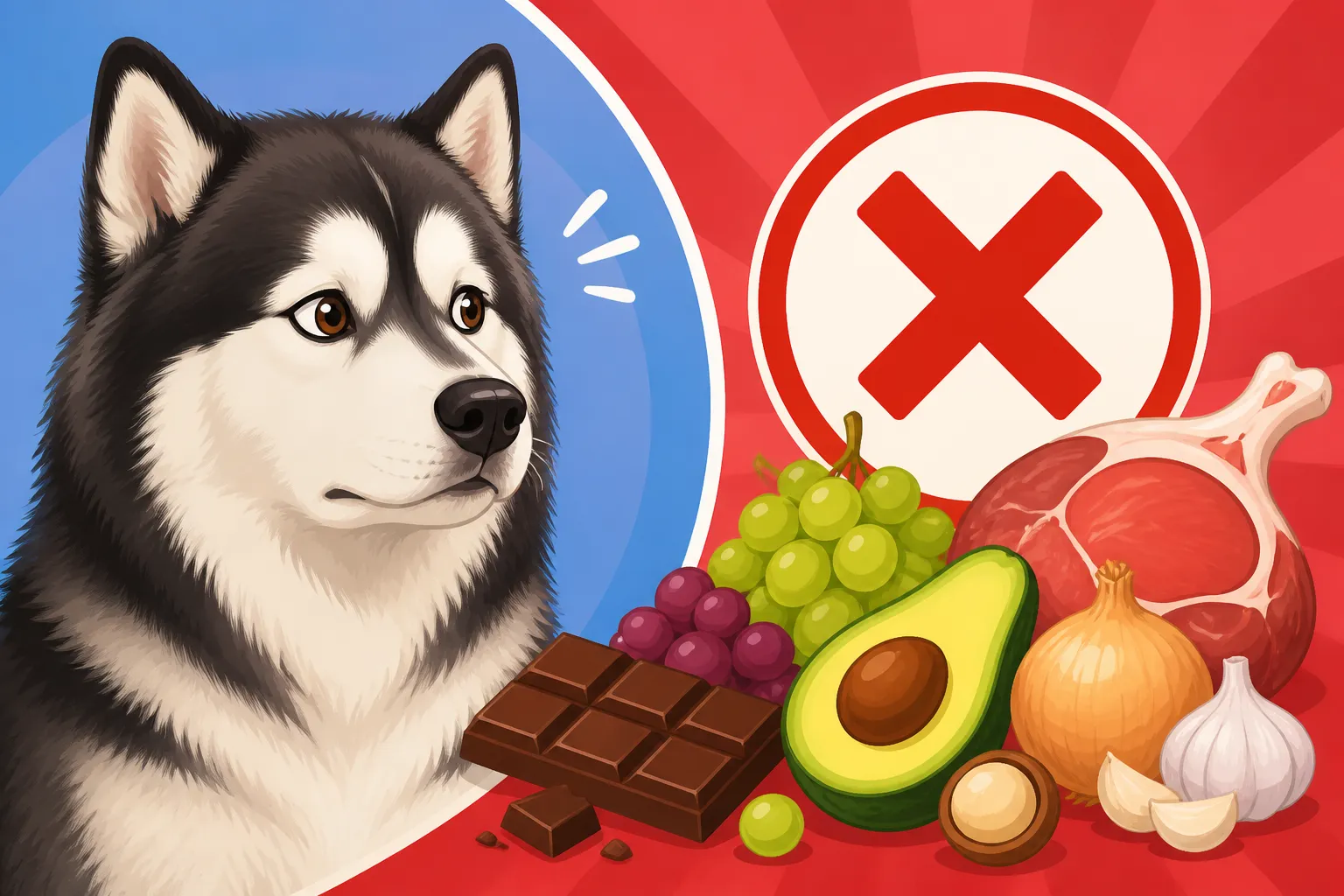
Chocolate is perhaps the most well-known dangerous food for dogs, and for good reason. It contains theobromine, a stimulant similar to caffeine, which dogs process much more slowly than humans. This slow metabolism means the toxins stay in their system longer, building up to dangerous levels. The darker the chocolate, the higher the concentration of theobromine, making baker's chocolate and dark chocolate particularly hazardous. Even milk chocolate or chocolate-flavored items like cookies or candy bars, while containing less theobromine, can still cause significant issues if ingested in large enough quantities, especially for a powerful chewer like a Malamute who can devour an entire bag in minutes.
The symptoms of chocolate poisoning can range from mild to severe, depending on the amount and type consumed, and the dog's size. You might see vomiting, diarrhea, increased thirst, restlessness, and hyperactivity in milder cases. As the toxicity increases, signs can escalate to tremors, seizures, an elevated heart rate, and in severe instances, even death. It’s a terrifying experience to witness your typically calm and collected Malamute suddenly frantic and unwell, which is why keeping all forms of chocolate and caffeine (think coffee beans, tea bags, energy drinks) completely out of reach is non-negotiable. Even items like certain garden mulches made from cocoa shells can pose a risk.
Grapes, Raisins, and Xylitol: Small But Mighty Dangers
While seemingly innocent, grapes and raisins are another major concern for Malamute owners. The exact toxic agent is still unknown, which makes them even more insidious, but it's clear that even a small amount can cause acute kidney failure in some dogs. This isn't a dose-dependent issue for every dog; some can eat a few without consequence, while others suffer severe illness from just one or two. The unpredictability is what makes them so dangerous. It’s simply not worth the risk. This means being vigilant about fruit bowls left on coffee tables or forgotten snacks on low shelves.
Xylitol, a sugar substitute found in many "sugar-free" products like gum, candies, toothpaste, and some peanut butters, is another silent killer. When ingested by dogs, xylitol causes a rapid release of insulin, leading to a precipitous drop in blood sugar (hypoglycemia). This can happen within 10-60 minutes and can be life-threatening. Higher doses can also lead to liver failure. Imagine your Malamute grabbing a pack of your favorite sugar-free gum off the counter; within minutes, they could be disoriented, staggering, and collapsing. Always check ingredient labels on any human food product you might share, especially peanut butter which is often used for giving medication or as a treat. Many pet-specific treats are safe, and you can find great options on sites like Chewy that clearly label ingredients.
Onions, Garlic, and Chives: More Than Just Flavor Enhancers
These aromatic vegetables, all members of the Allium family, contain compounds that can damage a dog's red blood cells, leading to anemia. While garlic is sometimes touted for its health benefits for dogs, the reality is that any amount can be problematic, and large quantities or regular exposure can cause serious issues. These compounds cause oxidative damage, leading to the destruction of red blood cells, which carry oxygen throughout the body.
The symptoms of Allium poisoning might not appear immediately; they can take a few days to manifest as the red blood cells are gradually destroyed. Look for signs like lethargy, weakness, pale gums, increased heart rate, rapid breathing, and reddish-brown urine. This means that even a small amount of onion powder in a leftover casserole, or garlic in a shared piece of pizza, can accumulate over time if fed regularly. You need to be extra cautious with savory human leftovers, as these ingredients are common in many dishes. Always err on the side of caution and keep these ingredients, fresh or powdered, away from your Malamute.
Beyond the Toxin: Physical Dangers and Digestive Disasters
Sometimes, it's not the chemical composition of a food that's the danger, but its physical form or its impact on the digestive system. A Malamute's powerful jaws and enthusiastic eating habits can sometimes work against them, turning seemingly benign items into serious threats.
Bones, Corn Cobs, and Other Choking Hazards
While the image of a dog happily gnawing on a bone is iconic, cooked bones, especially chicken or pork bones, are incredibly dangerous. Cooking makes bones brittle and prone to splintering, creating sharp fragments that can lodge in your Malamute's throat, perforate their esophagus or intestines, or cause obstructions that require emergency surgery. Even raw bones, while generally safer if appropriately sized and given with supervision, carry their own risks of choking or teeth fractures if your Malamute decides to swallow a piece whole rather than chew it thoroughly. My own Malamute, Loki, once tried to swallow a small turkey neck too fast, and it was a terrifying few seconds before he managed to dislodge it.
Corn cobs are another silent menace. They might seem harmless, offering a bit of chewing entertainment, but a Malamute's strong jaws can break off pieces that are too large to pass through the digestive tract. These pieces frequently cause intestinal obstructions, leading to severe abdominal pain, vomiting, and often requiring expensive and risky surgery. Other common choking hazards include fruit pits (like from peaches, plums, or avocados), which are not only potential toxins but also perfectly sized to get stuck. Even large, hard dog chews can become choking hazards if they break into smaller, swallowable pieces. Always supervise your Malamute with any chew item and consider toys from reputable brands that prioritize safety and durability. If you are exploring various feeding methods, remember that Whether Raw Feeding Suits an Alaskan Malamute often brings up the topic of bones, and careful selection and supervision are key.
Fatty Foods and Pancreatitis Risks
We all love to share a bit of our delicious, fatty holiday meal with our Malamutes, don't we? A sliver of ham, some gravy, or a piece of fatty meat. But rich, fatty foods can trigger pancreatitis, a painful and potentially life-threatening inflammation of the pancreas. The pancreas is responsible for producing digestive enzymes and insulin, and when it becomes inflamed, these enzymes can begin to digest the pancreas itself. This condition can lead to severe abdominal pain, vomiting, diarrhea, loss of appetite, and lethargy.
Alaskan Malamutes, like many breeds, can be susceptible to pancreatitis, and even a single, high-fat meal can be enough to set it off. The consequences can be long-lasting, sometimes leading to chronic pancreatitis or even diabetes. It's especially tempting around holidays or when you have guests who might not understand the risks. Be firm with visitors about not feeding your Malamute table scraps, no matter how much they beg with those soulful eyes. Instead, have Malamute-safe treats on hand from brands like Ollie or Chewy that can be offered as an alternative.
Yeast Dough and Alcohol: The Fermentation Fiasco
Unbaked yeast dough is a double threat. First, the warm, moist environment of a dog's stomach acts as an incubator, causing the yeast to rise and expand. This can lead to a dangerously bloated stomach, putting pressure on other organs and potentially causing gastric dilatation-volvulus (GDV), or bloat, a life-threatening condition where the stomach twists. Signs a Malamute Is Bloating can come on rapidly, and it's a terrifying emergency. The expanding dough can cause intense pain and obstruct blood flow, requiring immediate veterinary intervention.
Second, as the yeast ferments in the warm stomach, it produces alcohol. This alcohol is rapidly absorbed into the bloodstream, leading to alcohol poisoning. Symptoms of alcohol poisoning in dogs include staggering, disorientation, vomiting, tremors, weakness, difficulty breathing, and a dangerously low body temperature. In severe cases, it can cause coma and death. Think about how easily a curious Malamute could sniff out and ingest dough left to rise on a counter. It's not just baked goods; homemade pizza dough, bread dough, or even sourdough starters are all potential hazards. Alcohol itself, even in small amounts, is also highly toxic. Keep alcoholic beverages and any unbaked yeast products completely inaccessible.
Hidden Culinary Pitfalls and Long-Term Dietary Worries
Beyond the immediate, obvious dangers, there are other foods and feeding practices that can sneak up on you and your Malamute, causing subtle issues or contributing to long-term health problems. Vigilance isn't just about avoiding the big no-nos; it's about making informed choices daily.
Avocado: A Question of Quantity and Sensitivity
Avocado is a tricky one because the flesh of the avocado itself isn't universally toxic to dogs in the same way grapes are. However, it contains persin, a fungicidal toxin that can cause vomiting and diarrhea in some dogs, particularly if consumed in large quantities. More importantly, the large pit of the avocado poses a severe choking hazard and can cause dangerous intestinal obstructions, similar to corn cobs or other fruit pits. If your Malamute swallows that pit, you're looking at a potential emergency.
Additionally, avocado is high in fat, which as we've discussed, can contribute to pancreatitis in susceptible dogs. While a tiny amount of the flesh might be okay for some Malamutes, the risk of a stomach upset, the fat content, and the ever-present danger of the pit make it a food best avoided altogether. It's simply not worth the gamble when there are so many other safe and healthy treats available. Don't let that curious nose lead them to a discarded pit in the trash.
Macadamia Nuts and Other Less Common Toxins
Macadamia nuts are another specific food that causes a distinct, though usually not fatal, toxicity in dogs. The exact mechanism of toxicity is unknown, but ingestion can lead to weakness, tremors, vomiting, fever, and depression. These symptoms typically appear within 12 hours of ingestion and usually resolve within 24-48 hours with supportive care. While they rarely cause death, it's still a distressing and uncomfortable experience for your Malamute. These nuts are often found in cookies and other baked goods, so once again, vigilance with human treats is essential.
Other less common but still dangerous foods include:
- Mushrooms: Only feed mushrooms purchased from a grocery store. Wild mushrooms can be highly toxic, causing liver damage, seizures, or even death. If you forage for mushrooms, ensure none are left where your Malamute can get to them.
- Rhubarb leaves: The leaves contain oxalates, which can cause kidney issues.
- Nutmeg: Can cause tremors, seizures, and central nervous system effects in large doses.
- Raw potatoes and potato plants: Contain solanine, a toxic compound that can cause gastrointestinal upset and neurological problems. Cooking potatoes reduces the solanine content.
- Salt: While essential in small amounts, excessive salt can lead to sodium ion poisoning, causing vomiting, diarrhea, tremors, seizures, and even death. Be mindful of salty snacks like chips or pretzels, and resist adding extra salt to your Malamute's food.
The Perils of 'People Food' and Table Scraps
The biggest overarching danger might just be the casual habit of feeding "people food" and table scraps. It's often not one specific item, but the accumulation of ingredients that are either directly toxic or simply unhealthy for your Malamute's digestive system. Many processed foods contain high levels of salt, sugar, fats, and artificial ingredients that are not designed for a canine digestive system. Over time, a diet heavy in table scraps can lead to obesity, dental problems, and a host of other health issues.
Furthermore, it creates a problematic begging habit and can teach your Malamute that all human food is fair game, increasing the likelihood they'll try to snatch something dangerous off a counter or out of the trash. It's a tough habit to break, both for us and our dogs, but consistency is key. Establish clear boundaries early on. Instead of sharing your dinner, set aside a small portion of plain, cooked lean meat or Malamute-safe vegetables as a special treat. Remember, your Malamute's metabolism is incredibly efficient, as discussed in The Efficient Metabolism That Surprises Every New Malamute Owner, meaning they don't need as many calories as you might think for their size. Sticking to a high-quality, balanced dog food from a trusted brand found on Amazon or Chewy is always the safest bet.
| Dangerous Food Category | Specific Items | Potential Effects on Malamutes | Severity |
|---|---|---|---|
| Toxins | Chocolate, Caffeine | Vomiting, diarrhea, hyperactivity, tremors, seizures, heart issues, death | High |
| Grapes, Raisins | Kidney failure | High | |
| Xylitol (sugar substitute) | Rapid drop in blood sugar, liver failure, seizures | High | |
| Onions, Garlic, Chives | Red blood cell damage, anemia, weakness, pale gums | Moderate to High | |
| Macadamia Nuts | Weakness, vomiting, tremors, fever | Moderate | |
| Wild Mushrooms, Rhubarb Leaves, Nutmeg, Raw Potatoes | Liver damage, kidney issues, neurological problems, tremors | High | |
| Physical Hazards | Cooked Bones (chicken, pork, etc.) | Choking, internal perforations, obstructions | High |
| Corn Cobs, Fruit Pits (peach, plum, avocado) | Choking, intestinal obstruction | High | |
| Raw Yeast Dough | Bloating, GDV (stomach twist), alcohol poisoning | High | |
| Digestive Issues | Fatty Foods (gravy, fatty meats) | Pancreatitis (inflammation of pancreas), severe pain, vomiting | High |
| Excessive Salt (salty snacks) | Sodium ion poisoning, vomiting, tremors, death | Moderate to High | |
| Alcohol | Alcohol poisoning, staggering, coma, death | High |
When Accidents Happen: What to Do in an Emergency
Despite our best efforts, accidents can and do happen. A dropped piece of food, a counter-surfing Malamute, or a guest who unknowingly shares a dangerous treat. Knowing what to do in those stressful moments can make all the difference for your Malamute's outcome.
Recognizing the Signs of Food Poisoning
One of the most crucial steps is recognizing when something is wrong. Symptoms can vary depending on the toxin and the amount ingested, but some common signs that warrant immediate attention include:
- Vomiting and Diarrhea: These are often the first signs that something is upsetting your Malamute's digestive system.
- Lethargy and Weakness: Your normally energetic Malamute might suddenly seem unusually tired, reluctant to move, or even collapse.
- Changes in Behavior: Restlessness, hyperactivity, agitation, or sudden confusion can indicate neurological effects.
- Increased Thirst or Urination: Can be a sign of kidney issues or dehydration.
- Tremors or Seizures: A serious sign requiring immediate veterinary care.
- Pale Gums: Can indicate anemia, often associated with onion or garlic poisoning.
- Abdominal Pain: Guarding their belly, whining, or a distended abdomen (like in cases of bloat from yeast dough) are red flags. You might also notice Whether a Malamute's Crusty Skin Means Zinc Deficiency in some cases, but this is usually a chronic issue, not an acute one from food poisoning.
Timing is critical. If you suspect your Malamute has eaten something toxic, don't wait for severe symptoms to appear. The sooner you act, the better their chances.
Immediate Steps to Take at Home
If you've just witnessed your Malamute eating something dangerous, your first step should always be to immediately call your veterinarian or an emergency veterinary clinic. They will provide the best, most up-to-date advice based on the specific food, quantity, and your Malamute's size and health. Do not try to induce vomiting without veterinary instruction, as this can sometimes cause more harm than good (e.g., if the substance is corrosive, or if they are already showing neurological signs).
While on the phone with the vet, try to gather as much information as possible:
- What did your Malamute eat? Be as specific as possible (e.g., "a half bar of 70% dark chocolate" vs. "some chocolate").
- How much did they eat? Estimate the quantity.
- When did they eat it? Even a rough timeframe is helpful.
- Are they showing any symptoms? Describe what you observe.
- Your Malamute's weight. This helps determine toxicity levels.
Your vet might advise you to come in immediately, or in some cases, might guide you through inducing vomiting at home with hydrogen peroxide if appropriate. They might also tell you to simply monitor your Malamute closely if the quantity ingested was very small or the food poses a minor risk. However, it's crucial to get professional advice before taking any action yourself.
When to Rush to the Vet
In many cases, your vet will recommend bringing your Malamute in immediately. This is especially true for highly toxic substances like grapes/raisins, xylitol, significant amounts of chocolate, or any situation where your Malamute is already showing severe symptoms like seizures, collapse, or signs of bloat. The faster you can get them professional medical care, the better the prognosis.
The veterinary team can induce vomiting safely, administer activated charcoal to absorb toxins, provide intravenous fluids to support organ function, and offer other supportive care to manage symptoms. They might need to monitor blood work, especially for kidney or liver function, or perform imaging tests to check for obstructions. Be prepared for potential overnight stays or extensive treatment depending on the severity. It can be costly, as discussed in articles like What Bloat Surgery Costs on an Alaskan Malamute, but it's often life-saving.
Remember, prevention is always the best medicine. By understanding the foods that are dangerous to your Alaskan Malamute and practicing consistent vigilance, you can ensure they live a long, happy, and healthy life free from unnecessary dietary hazards.
Disclaimer
This article is for general informational purposes only and does not constitute professional advice. Laws, prices and regulations vary by location and change over time. Consult a qualified professional for guidance on your specific situation.