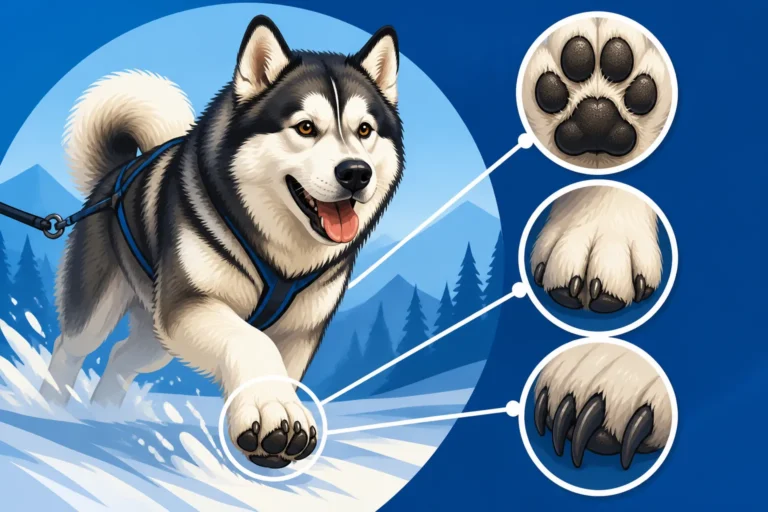
The Months an Alaskan Malamute Blows Its Coat
Few things can truly prepare a new Alaskan Malamute owner for the sheer volume of fur that will overtake their home at certain times of the year. It's not just shedding; it's a monumental event known as "coat blow," and it can feel like your house is suddenly filled with tumbleweeds made of dog hair. This guide will walk you through the months when your Malamute transforms into a fur-producing factory, what to expect, and how to keep your sanity (and your vacuum cleaner) intact.
Understanding the Alaskan Malamute Coat Blow Phenomenon
The Alaskan Malamute, with its thick, double coat, is perfectly engineered for the harsh, cold climates of its ancestors. This magnificent coat, however, comes with a seasonal shedding cycle that can be quite the experience for owners. When we talk about "coat blow," we're really describing the period when your Malamute sheds its entire undercoat, often in preparation for a new season. It's less a gentle trickle and more a full-blown fur storm.
When Does the Coat Blow Season Really Hit?
While individual Malamutes might vary a little, and climate can certainly influence the timing, most Alaskan Malamutes typically experience two major coat blows a year. The first, and often the most dramatic, occurs in the spring, usually around March, April, or May. This is when they shed their heavy winter undercoat to make way for a lighter summer coat. Imagine trying to wear a wool sweater in July – that's essentially what your Malamute is trying to avoid! This spring blow can last for several weeks, sometimes even stretching into a couple of months, depending on the dog and how diligently you're grooming.
The second significant coat blow typically happens in the fall, around September, October, or November. This is when they shed their summer coat to prepare for the growth of a thicker, denser winter coat. While still a substantial amount of fur, many owners find the fall blow slightly less intense than the spring spectacle. It’s all part of their natural adaptation to temperature changes. It's a cyclical process, and understanding When an Alaskan Malamute Blows Its Coat means being prepared for these biannual events.
Why the "Blow" is More Like an "Explosion"
The term "coat blow" perfectly describes the way the undercoat literally seems to release from the dog. It’s not like the fine, constant shedding you might see from a short-haired dog breed. Instead, the soft, downy undercoat comes out in clumps, tufts, and sheets. You might find yourself pulling out handfuls of fur that look like cotton candy. This is because the undercoat hairs are designed to insulate, and when they've served their purpose, they detach from the skin quite readily.
It can be a shocking experience for first-time Malamute owners. One day your dog is fluffy, the next you're sweeping up what looks like enough fur to knit a small blanket every hour. Many owners express frustration that they can brush for an hour and still find more fur seemingly materializing out of thin air. This is just the nature of their dense, arctic-ready coat doing its job. It's also why you might hear the phrase The Malamute Coat Blow That Fills a Vacuum in an Afternoon – it’s not an exaggeration!
Navigating the Chaotic Cycle of Shedding
Malamutes shed year-round, of course, but the coat blow seasons are in a league of their own. It's a fundamental aspect of their physiology, and while you can manage it, you can't stop it entirely.
The Hormonal and Environmental Triggers
The primary triggers for these intense shedding cycles are changes in daylight hours and temperature, which influence a dog's hormones. As days lengthen in spring, the body signals it's time to shed the heavy winter protection. Conversely, as days shorten in fall, the body prepares for colder weather by shedding the lighter summer coat and growing a new, thick one. This natural process is deep-seated in their genetics, harking back to their working dog heritage in the Arctic.
While spaying or neutering can sometimes alter the texture of a Malamute's coat, making it softer or sometimes even thicker year-round, it doesn't eliminate the coat blow. Some owners even report that spayed or neutered Malamutes have a more frequent or slightly more constant shed throughout the year, though the dramatic seasonal blows still stand out. Hormones play a crucial role in hair growth cycles, and altering those can have subtle impacts. Furthermore, indoor living with artificial lighting and climate control can slightly disrupt the natural rhythm, leading to more year-round shedding, but the major blows still largely adhere to seasonal changes.
Distinguishing a Normal Blow from Year-Round Shedding
It's important to differentiate between the normal, constant shedding that occurs with any Malamute and the truly epic coat blow. Regular shedding is when you find a moderate amount of hair on your furniture, clothes, and floor every day. This is just part of living with a double-coated breed. Even if you're brushing your Malamute regularly, you'll still encounter loose hairs. This steady shedding pattern is something that Whether an Alaskan Malamute Sheds All Year touches upon – the answer is yes, but the intensity varies wildly.
The coat blow, however, is unmistakable. You'll literally be able to pull out large handfuls of soft, fluffy undercoat with minimal effort. The hair will come off in tufts, often sticking together in large clumps that look like cotton wool. Your Malamute might look a bit ragged during this time, with patches of undercoat visibly loose or hanging from their topcoat. This is the period when grooming becomes a daily, sometimes twice-daily, commitment if you want to keep the fur from completely taking over your home and garden.
Your Arsenal Against the Avalanche of Fur
Surviving a Malamute coat blow requires commitment and the right tools. Trying to get through it with just a regular brush will be an exercise in futility and frustration for both you and your dog.
Essential Tools for Tackling the Undercoat
Investing in quality grooming tools is non-negotiable for a Malamute owner. You'll need more than just a slicker brush or a pin brush for this kind of job. The absolute hero of coat blow season is the undercoat rake. These tools are designed with long, strong teeth that reach deep into the dense undercoat without damaging the guard hairs. They effectively pull out the loose, dead undercoat that would otherwise end up all over your house. A good undercoat rake can be a game-changer, and you can find many highly-rated options on platforms like Amazon or Chewy.
Another invaluable tool is a high-velocity force dryer. This isn't just for baths; it’s excellent for blowing out loose undercoat. The powerful air stream can loosen and push out an incredible amount of fur that brushing alone might miss. If you've never used one, prepare to be amazed (and slightly overwhelmed by the fur tornado it creates!). It's also a fantastic way to ensure the coat is completely dry after a bath, which is crucial for preventing skin issues. For details on what specific brushes are best, you might want to look at Which Brush Gets Through a Malamute's Undercoat.
Grooming Strategies to Survive the Shed
During coat blow season, daily brushing is really the minimum. Many owners find that brushing twice a day, in shorter sessions, is more effective and less tiring for both dog and owner. Focus on line brushing, where you part the fur and brush small sections at a time, working from the skin outwards. This ensures you're getting down to the root of the undercoat.
Bathing can also help during a coat blow, especially if followed by a thorough blow-drying. A good deshedding shampoo can help loosen the coat, and the water combined with the action of washing can encourage dead hair to release. Just remember that fully drying a Malamute's double coat can take hours, especially if you don't have a force dryer. Never leave a Malamute to air dry partially, as this can lead to skin irritation or hot spots under their dense fur. The question of Whether a Deshedding Bath Shortens a Malamute's Blow is often yes, but it’s the drying and subsequent brushing that really makes the difference.
Consider taking your Malamute to a professional groomer during the peak of their coat blow. Groomers have specialized equipment, like powerful force dryers and tubs, that can significantly reduce the amount of loose fur. They are experts at getting out the maximum amount of undercoat in one session, giving you a much-needed reprieve.
| Grooming Tool | Purpose | Frequency During Blow | Benefits |
|---|---|---|---|
| Undercoat Rake | Reaches deep to pull out loose undercoat | Daily or every other day | Highly effective, less damage to guard hairs |
| Slicker Brush | Removes surface tangles, smooths topcoat, catches loose fur | Daily | Good for finishing, distributing oils |
| Force Dryer | Blows out loose undercoat, dries coat thoroughly | After baths, or standalone 'blow-out' sessions weekly | Incredible volume of fur removed, prevents matting/skin issues |
| Deshedding Shampoo/Conditioner | Helps loosen dead hair during baths | Every 4-6 weeks during blow (or as needed) | Facilitates hair release, leaves coat clean |
| Nail Clippers/Grinder | Maintains paw health, reduces discomfort from long nails | Every 2-4 weeks (unrelated to blow, but important care) | Prevents splaying, ingrown nails, joint strain |
Living with the Lighter Side of a Coat Blow
While the fur can seem overwhelming, there are ways to manage the impact on your home and keep your Malamute comfortable and healthy during this period.
Maintaining a Clean Home During the Shedding Frenzy
During coat blow, your vacuum cleaner will become your best friend, and probably your worst enemy if it keeps clogging. You'll need to vacuum frequently, sometimes daily, paying special attention to corners, under furniture, and anywhere your Malamute loves to lounge. Robotic vacuums can be helpful for maintaining some level of cleanliness between deeper cleans, but they'll need frequent emptying.
Consider investing in furniture covers that are easy to wash, or dedicate specific areas of your home for your Malamute that are easier to clean. Lint rollers will become a permanent fixture in your home and car, ready to tackle any outfit before you head out. It's often shocking How Much Undercoat a Malamute Puts Into a House, so be prepared to adjust your cleaning routine significantly. Remember to empty your vacuum's canister or change bags often, as that much fur can quickly reduce suction.
Supporting Your Malamute's Skin Health Through the Transition
Beneath all that fur, your Malamute's skin needs attention, especially during a heavy shed. Regular brushing not only removes dead hair but also distributes natural oils, which helps keep the skin healthy and prevents dryness. It also allows you to regularly check for any skin irritations, redness, or bumps that might be hidden by the thick coat. For some tips on proactive skin checks, see Reading a Malamute's Skin Before the Crusts Appear.
Good nutrition plays a vital role in coat health year-round, including during shedding. Ensuring your Malamute receives a balanced diet with adequate essential fatty acids (like Omega-3s) can contribute to a healthy coat and skin, potentially making the shedding process smoother. You might consider adding a fish oil supplement, available from places like Ollie, or looking for foods formulated for skin and coat health at retailers like Chewy. A healthy coat sheds more efficiently than a dry, brittle one. Hydration is also key; always ensure your Malamute has access to fresh, clean water. This helps maintain overall health, which in turn supports healthy skin and a robust coat.
Remember, a Malamute's double coat is there for a reason, providing insulation against both cold and heat. This is why Why an Alaskan Malamute Must Never Be Shaved is such critical advice. Shaving can permanently damage the coat, disrupting its natural insulation properties and potentially leading to skin problems and an inability to regulate temperature effectively. Embracing the coat blow as a natural part of Malamute ownership, armed with the right tools and strategies, will make the experience far less daunting.
Disclaimer
This article is for general informational purposes only and does not constitute professional advice. Laws, prices and regulations vary by location and change over time. Consult a qualified professional for guidance on your specific situation.