Whether an Old Alaskan Malamute Feels the Cold
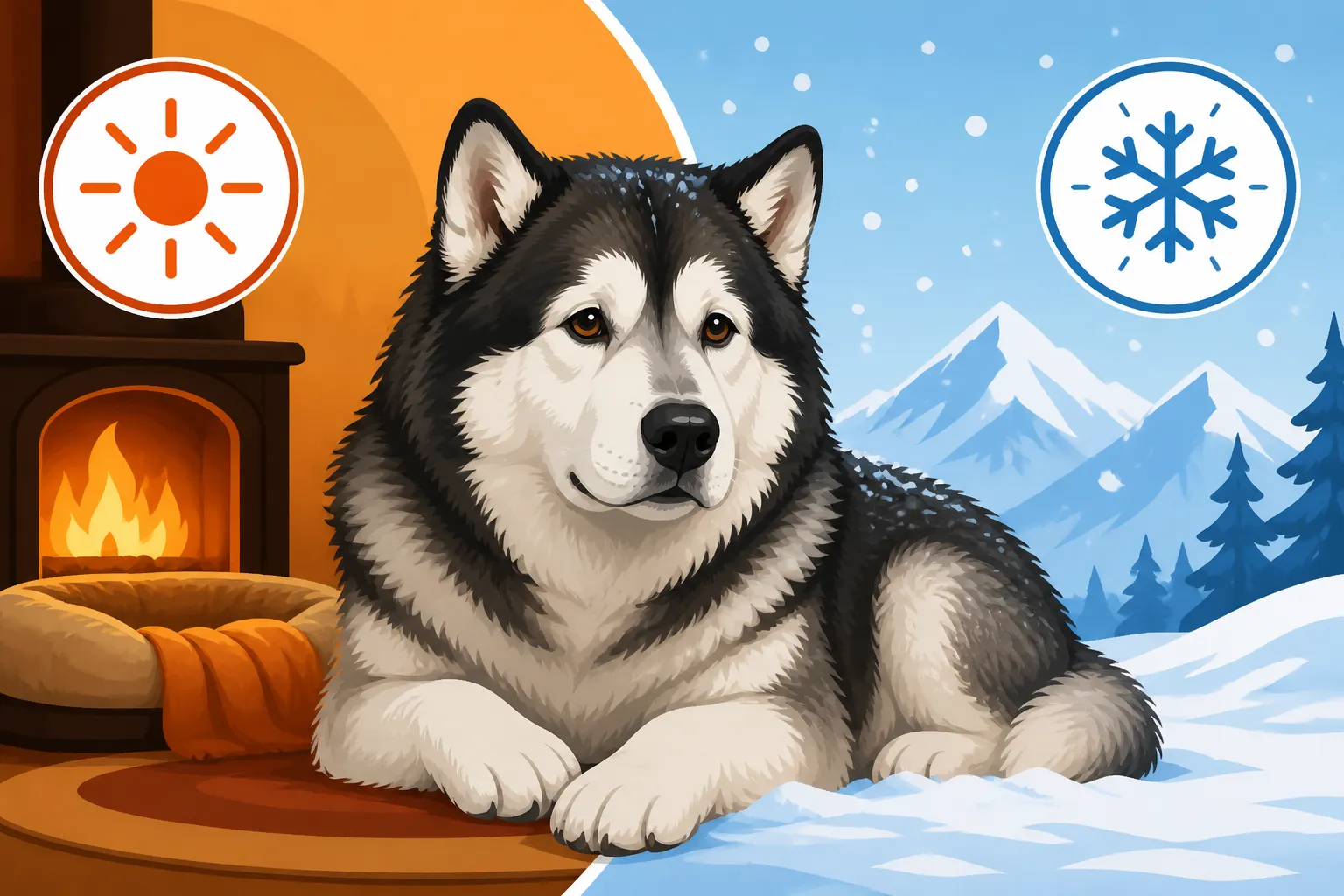
It’s a common misconception, isn't it? We get these magnificent Alaskan Malamutes, dogs born for the arctic, and we just assume they'll brave any winter, even into their golden years. But the truth is, just like us, an old Alaskan Malamute starts to feel the nip in the air a lot more acutely than their younger, robust counterparts. This guide will help you understand why your senior Malamute might be feeling the cold, and what you can do to ensure their comfort and well-being as they age.
The Shifting Reality of an Aging Malamute's Cold Tolerance
When we first welcome a Malamute into our lives, especially as a puppy, we envision them romping through snowdrifts, happily enduring temperatures that would send us scrambling for a parka. And for their prime years, that vision is often spot-on. These dogs are built for cold; their dense double coats, efficient metabolisms, and sheer love of winter wonderland activities make them legendary. It's truly a sight to behold watching a young Malamute absolutely revel in a blizzard, sticking their nose into the snow and emerging with a happy, frosted face. They thrive when the mercury drops, often coming alive when other breeds are shivering indoors.
However, as they mature and inevitably reach their senior years – typically around The Age an Alaskan Malamute Counts as a Senior – things begin to change. That seemingly boundless resilience to cold starts to wane. It’s a quiet shift, often so subtle that many owners don't notice it immediately, or they might even dismiss early signs as just "slowing down." The old Mally who once lounged on a snowbank for hours might now prefer the sheltered porch, or even worse, be found shivering despite being out in what you consider mild winter weather. This isn't a sign of weakness; it's a natural physiological progression that every Malamute owner needs to be aware of and empathetic towards. Our expectations of their cold tolerance need to evolve with their age.
You might find yourself questioning, "Is my Malamute truly cold? They're an Alaskan Malamute!" And that's a perfectly normal thought. It's hard to reconcile the image of the unstoppable arctic sled dog with a senior whose joints ache and whose internal thermostat isn't quite as effective. But ignoring these changes can lead to discomfort, increased pain, and even health issues for your beloved companion. Their heritage is strong, but time affects all living creatures, even the most formidable.
Understanding the Physiological Changes in Senior Malamutes
The graceful aging process brings a cascade of changes within your Malamute's body, each contributing to a diminished capacity to handle the cold. It’s not just one factor, but a combination of interconnected systems that start to operate a little less efficiently. Understanding these changes is key to providing appropriate care and truly seeing your senior dog's needs.
Metabolism Slows Down
One of the most significant changes in an aging Malamute is the slowing of their metabolism. A younger, active Malamute burns through calories with incredible efficiency, generating a lot of internal body heat as a byproduct. Think of them as a well-stoked furnace constantly producing warmth. As they age, that furnace doesn't run quite as hot. Their energy levels naturally decrease, they move less, and their body's internal processes become less vigorous. This means less heat is produced internally, making them more reliant on external warmth and insulation. What was once a minor chill for a young dog can become a truly uncomfortable cold for a senior whose body isn't working as hard to keep itself warm. This metabolic shift also means that while their caloric needs might decrease in terms of pure quantity, the quality and type of nutrients, especially fats, become even more crucial for maintaining body temperature and overall health, as discussed in Feeding an Old Alaskan Malamute.
Coat Changes and Thinning
That magnificent, dense double coat is a Malamute's primary defense against the cold, a marvel of natural engineering. However, with age, even this can undergo changes. Some senior Malamutes experience a thinning of their undercoat, the soft, woolly layer that provides the bulk of their insulation. The guard hairs, which protect against snow and ice, might also become more brittle or less dense. You might notice this especially during their seasonal The Malamute Coat Blow That Fills a Vacuum in an Afternoon, where the new coat coming in isn't quite as thick or lush.
This isn't necessarily a dramatic bald patch, but a subtle reduction in the overall insulating power of their fur. Imagine your favorite winter jacket gradually losing its fluff and becoming less effective – that's what can happen to a senior Malamute's coat. A thicker, well-maintained coat is absolutely essential for repelling moisture and trapping warm air close to the skin. If you suspect Whether an Old Alaskan Malamute's Coat Thins, regular grooming, while always important, becomes even more critical to stimulate healthy hair growth and remove dead undercoat that might be hindering the effectiveness of the remaining fur.
Arthritis and Joint Pain
Arthritis and other joint issues are incredibly common in older dogs, especially large breeds like Malamutes. Arthritis in an Older Alaskan Malamute can make movement painful and stiff. When it's cold, this pain often intensifies, making your Malamute even more reluctant to move or get up. Less movement means less muscle activity, which in turn means less heat generation. It's a vicious cycle: cold exacerbates joint pain, and joint pain leads to less activity, which makes them feel colder.
Imagine yourself with a nagging ache in your knee – on a warm, sunny day, you might still walk a bit. But on a damp, chilly day, all you want to do is curl up under a blanket. Your Malamute feels something very similar. The desire to stay warm and minimize painful movement can make them seek out warmer, sheltered spots, and avoid going outside as much as they used to, even for short periods. This sensitivity to cold due to joint pain is a strong indicator that their needs have changed dramatically.
Circulatory Issues and Thyroid Health
As Malamutes age, their cardiovascular system can become less efficient. This means blood flow, particularly to the extremities like paws, ears, and tail, might not be as robust. Reduced circulation makes these areas more susceptible to feeling cold and can even lead to discomfort. You might notice their paws feeling colder to the touch than usual, even after they've been indoors for a while.
Furthermore, hypothyroidism, a common condition in Malamutes, can significantly impact their ability to regulate body temperature. The thyroid gland produces hormones that control metabolism, and a sluggish thyroid means a slower metabolism and reduced heat production. This condition often manifests with subtle signs that can easily be overlooked or attributed to old age, but cold intolerance is a classic symptom. If you notice your senior Malamute is constantly seeking warmth, is lethargic, or shows other signs like weight gain or changes in coat quality, it's worth discussing with your vet if Signs a Malamute's Thyroid Has Failed might be a factor. A simple blood test can often diagnose this, and medication can make a world of difference in their comfort and well-being.
Environmental Considerations and Practical Winter Care for Older Malamutes
Knowing that your old Malamute is more sensitive to the cold is just the first step. The real challenge, and the real act of love, is adapting their environment and routine to keep them comfortable. It's about providing the right level of warmth without making them overheat, which is still a concern for Malamutes even in old age if they're confined to a too-warm space without escape.
Adequate Shelter and Warm Bedding
For a younger Malamute, a sturdy dog house might suffice, even in cold climates. But for a senior, "adequate" takes on a whole new meaning. Their shelter, whether indoors or an outdoor space, needs to be truly draft-free and well-insulated. An outdoor kennel should offer not just protection from snow and wind, but also a barrier against the cold ground. This might mean elevating their bed, adding straw or a thick layer of cedar shavings, or even investing in a heated bed designed for outdoor use. For indoors, think about where they sleep. Is it on a cold tile floor? Next to a drafty window? Even a small change, like moving their bed or adding a thicker, orthopedic dog bed, can make a huge difference. Brands like Chewy and Amazon offer a wide range of orthopedic and self-warming beds that can provide invaluable comfort. Look for beds with good loft and insulating properties that keep them off cold floors.
Consider a raised bed, even indoors, to get them away from the coldest air currents near the floor. A thick, supportive mattress is also crucial for their aching joints. It's about creating a true sanctuary from the cold. For Malamutes that spend time in outdoor runs, Whether a Malamute Needs Bedding in an Outdoor Kennel is a resounding yes, especially as they age.
Dietary Adjustments for Warmth
A Malamute's diet is always critical, but for seniors, it plays an even more direct role in maintaining body heat. While their overall activity levels might decrease, their body still needs fuel to keep warm. Discuss with your vet or a canine nutritionist whether a slightly higher fat content in their diet might be beneficial during colder months. Fats are a dense source of energy and contribute to internal heat production. However, don't overdo it, as weight gain can exacerbate joint problems. The goal is to provide enough good quality calories to support warmth and overall health without leading to obesity.
Some owners explore fresh food options, wondering if it aids metabolism or nutrient absorption. Companies like Ollie offer fresh, human-grade food that can be tailored to your dog's specific needs, potentially providing highly digestible nutrients. Whatever diet you choose, ensure it's balanced and provides all the essential vitamins and minerals to support a healthy immune system and coat quality. Remember, hydration is also key; always ensure access to fresh, unfrozen water, especially if they are outside.
Appropriate Exercise and Activity Levels
It might seem counterintuitive, but keeping your senior Malamute moving is still important, even if they feel the cold more. Moderate exercise helps keep their circulation healthy, maintains muscle mass, and generates some internal heat. However, the key is appropriate exercise. Long, strenuous romps in the snow that a young Malamute would adore could be too much for an older dog with stiff joints or a less efficient heart.
Opt for shorter, more frequent walks, especially during the warmer parts of the day. Consider softer surfaces like grass or packed dirt rather than icy pavement. If the weather is truly bitter, a brief potter in a secure yard or some gentle indoor playtime might be preferable. Listen to your dog: if they're lagging, showing signs of pain, or trying to head back inside, respect their limits. Just because Winter Is When an Alaskan Malamute Comes Alive for younger dogs doesn't mean the same is true for a senior. Keeping them moving is a delicate balance, and What an Alaskan Malamute Needs Every Day changes with age.
Protective Gear (Yes, Even for a Malamute!)
The idea of putting a coat on an Alaskan Malamute might seem absurd to many, but for an old, thin-coated, arthritic senior, it can be a genuine blessing. If you find your Malamute is consistently cold, shivering, or reluctant to go out even for quick potty breaks in chilly weather, a well-fitting dog coat or sweater could be incredibly beneficial. Look for options that cover their back and belly, offering insulation without restricting movement. This is especially true for those moments when they aren't actively moving, like waiting for you in the car or just standing outside for a quick break. It's about providing an extra layer of warmth where their natural coat might be failing them.
Don't forget paw protection! Ice, snow, and especially road salts can be incredibly irritating and even painful for sensitive senior paws. Dog booties can protect their pads from chemical burns and cracking, making winter walks much more comfortable.
Recognizing When Your Senior Malamute Is Truly Cold
It’s one thing to know that an old Malamute can feel the cold, but it’s another to accurately interpret their signals. Our Malamutes are often stoic, and sometimes their signs of discomfort are subtle. Learning to read these cues can help you intervene before they become truly miserable.
Observable Physical Signs
The most obvious sign that your senior Malamute is cold is shivering. While a little shivering might occur when they first step out into a very cold day, persistent shivering, especially when indoors or after a short time outside, is a clear indicator that they are not warm enough. This is their body’s involuntary attempt to generate heat through muscle contractions.
Beyond shivering, look at their posture. A dog that is cold might hunch their back, tuck their tail tightly against their body, and generally appear tense or contracted, trying to minimize their surface area. They might stand with their paws close together, or repeatedly lift their paws off the cold ground. Their ears or paws, when touched, might feel unusually cold – colder than just a brisk chill, almost clammy or stiff. This is particularly true if their circulation isn't as efficient.
You might also notice changes in their coat. While a young Malamute's coat might puff up in the cold, an old Malamute might have a less robust response, or their fur might feel less dense when you run your hands through it. Pay attention to how they are using their environment. Are they actively seeking out warm spots, like sunbeams, heating vents, or curling up tightly under blankets more often than usual? Are they reluctant to leave their warm bed? These are all tell-tale signs they are feeling the chill.
Behavioral Changes
Behavioral cues can be just as important as physical ones. If your senior Malamute, who once loved to linger outside, now rushes through their potty breaks or actively tries to get back inside, they're telling you something. They might become more subdued or lethargic when it's cold, choosing to sleep or rest rather than engage in their usual activities. This can sometimes be confused with general aging or Whether an Old Malamute Gets Confused, but if it's tied to cold weather, it's a specific response to discomfort.
They might also whine or vocalize more, not necessarily in obvious pain, but as a low grumble or a softer version of their characteristic "woo" sound, indicating general discomfort. They might also become clingier, seeking out physical contact with you for warmth. Conversely, some dogs might become irritable or withdrawn if they are uncomfortable and in pain from the cold. A senior Malamute who is usually gregarious might become less tolerant of interaction if they're feeling particularly stiff and cold. It's crucial to observe these subtle shifts and adjust their environment accordingly, recognizing that their needs change dramatically as they enter their senior years, as covered in Caring for an Alaskan Malamute Past Eight.
Remember, your senior Malamute still wants to be with you and feel safe. Their comfort in their later years is paramount to a good quality of life. Regularly assess their comfort levels and don't hesitate to consult your veterinarian if you have concerns about their ability to regulate their body temperature or manage pain in cold weather.
| Aspect | Young/Adult Alaskan Malamute | Senior Alaskan Malamute |
|---|---|---|
| Metabolism | High, efficient heat production | Slower, reduced internal heat generation |
| Coat Density | Thick, dense double coat with robust undercoat | Potentially thinner undercoat, less insulating power |
| Joint Comfort | Generally free of pain, agile | Prone to arthritis and stiffness, pain exacerbated by cold |
| Circulation | Robust blood flow to extremities | Less efficient, extremities may feel colder |
| Activity Level | High, thrives in cold, prolonged outdoor activity | Lower, reluctant to move, prefers shorter outings, seeks shelter |
| Seeking Warmth | Minimal need, often prefers cold surfaces | Actively seeks warm spots (sunbeams, blankets, heat vents) |
| Shivering | Rare, even in extreme cold | Can occur even in moderately cool temperatures, especially indoors |
| Recovery from Cold | Quick, bounces back rapidly | Slower to warm up, prolonged discomfort after exposure |
Disclaimer
This article is for general informational purposes only and does not constitute professional advice. Laws, prices and regulations vary by location and change over time. Consult a qualified professional for guidance on your specific situation.