Whether Grain Free Food Helps a Malamute’s Zinc
It’s a common worry among Alaskan Malamute owners, isn't it? You see your beautiful, fluffy companion, and then you start to notice something a little off with their skin or coat. You read up, and suddenly the word "zinc" is everywhere, alongside discussions about diet. The world of pet food can be an absolute minefield, and when you hear that grains might be interfering with zinc absorption, it’s only natural to wonder if grain-free food could be the magical solution to your Malamute's unique needs. This guide will dive deep into this specific question, helping you understand the nuances of zinc, diet, and what might truly benefit your beloved Malamute.
The Alaskan Malamute's Unique Relationship with Zinc
Owning an Alaskan Malamute means understanding a few distinctive genetic predispositions, and their propensity for zinc-related issues is certainly high on that list. It's not just about a simple deficiency that any dog might get; for Malamutes, it's often a complex, inherited inability to properly absorb and utilize this vital mineral.
Why Zinc Absorption is a Big Deal for Malamutes
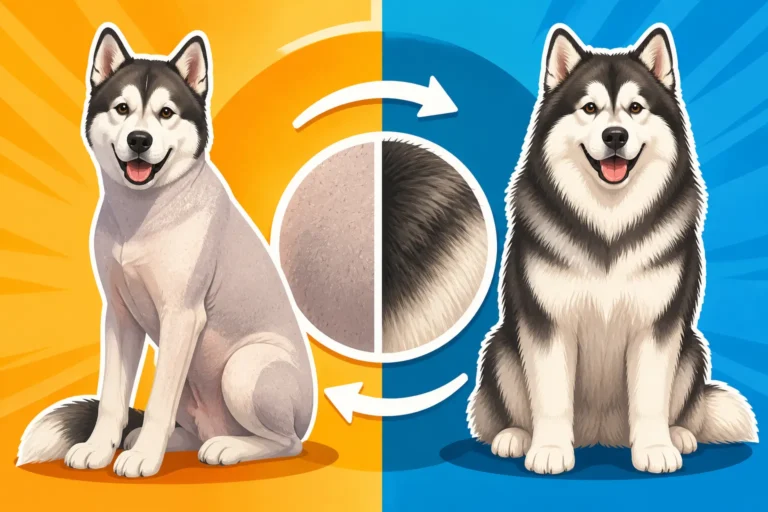
Unlike many other breeds, Alaskan Malamutes are unfortunately predisposed to a condition known as Zinc Responsive Dermatosis (ZRD). This isn't just a minor skin irritation; it's a serious condition that can manifest in crusty, flaky, and reddened skin, often around the eyes, muzzle, ears, and pressure points like elbows. It can be incredibly uncomfortable, even painful, for your dog and frustrating for you as an owner trying to find relief. But the impact of poor zinc absorption can extend beyond skin issues. Zinc is crucial for so many bodily functions, from immune system health to proper growth and neurological function. We even see connections between zinc and other serious conditions specific to the breed, as explored in Zinc Is the Thread Running Through Three Malamute Diseases, where the inability to properly utilize zinc seems to be a common thread in a few different genetic disorders. It's a foundational element for their overall health, and when it's compromised, a cascade of problems can arise.
The challenge isn't always that there isn't enough zinc in their food. Often, for a Malamute with a genetic predisposition, their body simply isn't equipped to absorb and process it efficiently from the digestive tract, regardless of how much is present. This is why addressing zinc issues in Malamutes isn't as simple as just grabbing any zinc supplement off the shelf, or assuming a certain type of food will solve everything. It requires a more nuanced approach, often involving specific forms of supplementation under veterinary guidance. This distinction is crucial when considering dietary changes, as simply changing the ingredients in their bowl might not tackle the fundamental biological challenge your Malamute faces.
The Role of Phytates in Grain-Based Foods
Now, let's talk about grains and those complex compounds called phytates, or phytic acid. Phytates are natural substances found in the outer layers of many plant seeds, including grains like corn, wheat, soy, and rice, as well as legumes and nuts. In the plant world, they serve as a storage form for phosphorus. However, when consumed by animals (and humans!), phytates have a bit of a downside: they can bind to certain minerals, including zinc, iron, calcium, and magnesium, in the digestive tract. This binding action forms insoluble complexes that the body struggles to break down and absorb.
The theory, therefore, is that if your Malamute is eating a diet high in grains, the phytates in those grains could be acting as "anti-nutrients," effectively blocking a portion of the zinc (and other minerals) from being absorbed. For a Malamute already struggling with an inherent genetic issue in zinc absorption, this theoretical interference could potentially exacerbate the problem. It seems logical, right? Reduce the phytates, increase the available zinc. This is precisely the argument often put forward by proponents of grain-free diets for dogs with zinc challenges.
However, it's important to understand that the impact of phytates isn't always clear-cut. The amount of phytate interference can depend on many factors, including the processing of the food (some processing methods can reduce phytate levels), the overall balance of minerals in the diet, and the individual dog's digestive system. While phytates can interfere, whether they are the primary cause or even a significant contributing factor to a Malamute's genetic zinc absorption disorder is a more complex question that requires careful consideration beyond just removing grains.
Understanding the Grain-Free Diet Trend
Before we zero in on Malamutes and their zinc, it’s helpful to understand the broader context of the grain-free movement in pet food. It really took off and became a huge part of the pet food landscape over the last couple of decades, driven by various ideas and market forces.
The Rise of Grain-Free in Pet Food
The grain-free trend truly surged in popularity largely due to a combination of factors, including marketing efforts, a growing public interest in "natural" or "ancestral" diets for pets, and concerns about food allergies. Many pet owners, genuinely wanting the best for their companions, began to question the role of grains in commercial pet foods. There was a widespread belief that dogs, being descendants of wolves, were not designed to digest grains and that grains were simply "filler" ingredients or common allergens. This narrative, often fueled by well-meaning but sometimes misinformed sources, led many to seek out diets that promised to be closer to what a wild canine might eat.
Manufacturers quickly responded to this demand, flooding the market with a vast array of grain-free options. The allure was strong: grain-free was often marketed as healthier, more digestible, and superior for dogs with sensitivities or digestive issues. For a while, it seemed like the answer to so many pet health woes, and millions of dog owners, including those with Malamutes, made the switch, hoping to see improvements in everything from coat condition to energy levels. The sheer volume of options available at pet stores like Chewy and even general retailers like Amazon made it easy for owners to jump on board, often without deeply understanding the science behind the trend.
What "Grain-Free" Actually Means
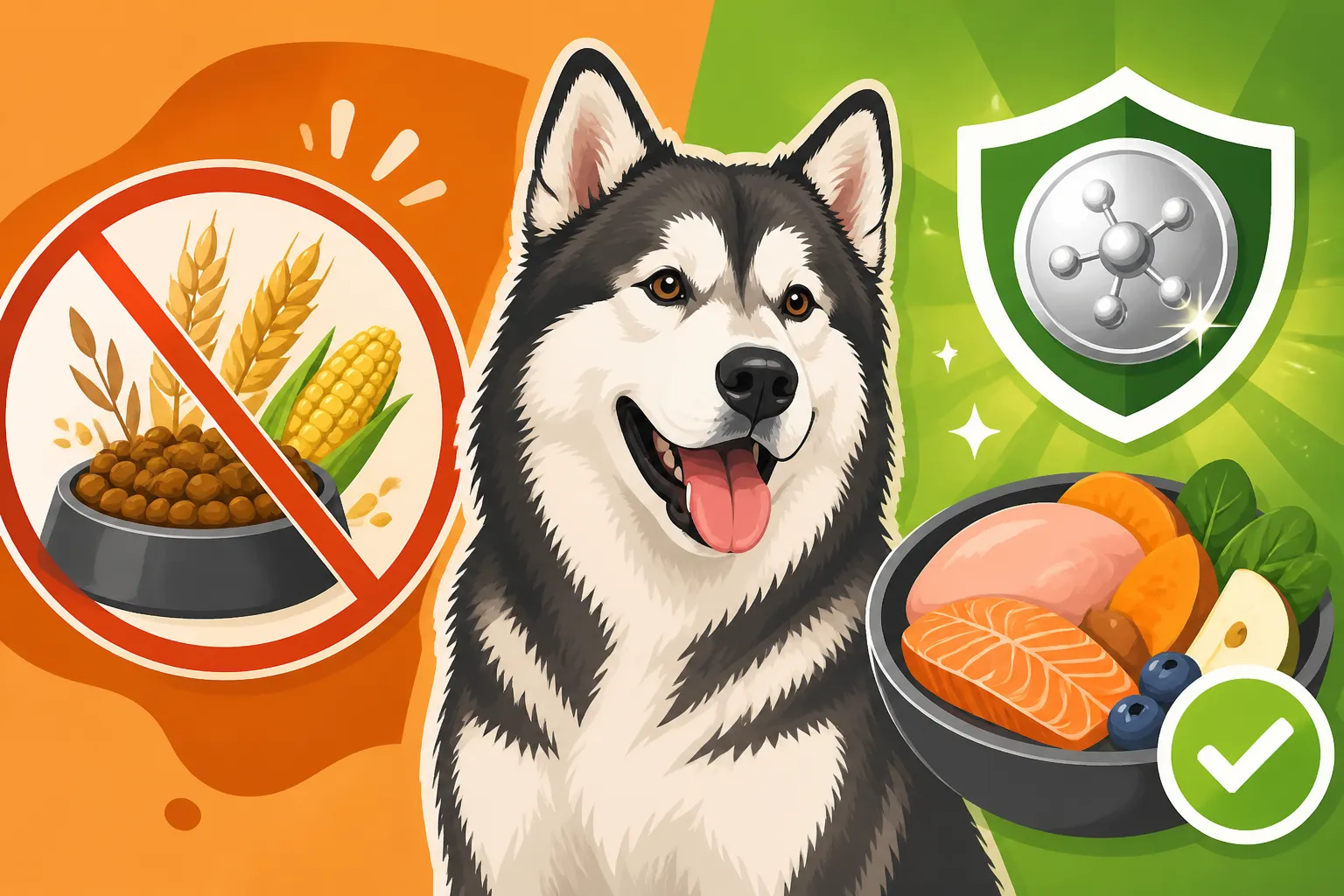
Here's where things get a little nuanced, and it’s a point often missed in the hype: "grain-free" does not mean "carbohydrate-free." It simply means that traditional grains like wheat, corn, rice, and barley have been omitted from the ingredient list. However, dogs still need carbohydrates for energy. So, in most grain-free formulations, these grains are replaced by other sources of carbohydrates, such as potatoes (sweet potatoes, white potatoes), peas, lentils, chickpeas, and other legumes.
While these alternative carbohydrate sources might not contain the same types or levels of phytates as traditional grains, they still contain carbohydrates, and often different types of fibers and other compounds. The nutritional profile can vary significantly from one grain-free food to another, depending on which ingredients are used as substitutes. So, simply choosing a bag that says "grain-free" doesn't automatically guarantee a universally superior or safer product. It just means a different set of ingredients is being used to provide the necessary carbohydrates, and these alternative ingredients can come with their own set of considerations, which we'll explore shortly. Understanding this distinction is vital, especially when you're trying to make a specific dietary intervention for a breed like the Alaskan Malamute.
Does Grain-Free Food Actually Help a Malamute's Zinc?
This is the million-dollar question for many Malamute owners. While the theory behind phytates in grains interfering with zinc absorption sounds compelling, the real-world impact on a Malamute with a genetically-driven zinc absorption issue is far more complex than a simple swap of kibble.
The Theory vs. Reality for Malamutes
In theory, reducing phytates by eliminating grains could make more zinc available for absorption. For a dog with a mild, non-genetic zinc deficiency that might be slightly exacerbated by phytates, a grain-free diet could potentially offer some marginal improvement. However, for an Alaskan Malamute suffering from a true, inherited Zinc Responsive Dermatosis, simply switching to a grain-free diet is very rarely a standalone solution. The fundamental problem for these Malamutes isn't just external interference from phytates; it's an inherent defect in their metabolic pathways that prevents them from properly absorbing or utilizing zinc, even when it's readily available.
Think of it this way: if your Malamute's gut is like a faulty sponge that struggles to soak up water (zinc), removing a tiny piece of debris (phytates) from the water might make it slightly easier, but it won't fix the fundamental flaw in the sponge itself. Many Malamute owners have made the switch to grain-free options, hoping for a miracle, only to find that their dog's Zinc Responsive Dermatosis in an Alaskan Malamute symptoms persist or return. This is often why the guidance around Whether Changing Food Fixes a Malamute's Zinc Deficiency is generally that diet alone is insufficient for genetically predisposed Malamutes. It’s a genetic issue, and while diet can certainly play a supportive role, it's rarely the complete answer.
Potential Drawbacks and Considerations
While the focus has often been on the supposed benefits of grain-free diets, there have also been significant concerns raised, particularly regarding the potential link to dilated cardiomyopathy (DCM) in dogs. DCM is a serious heart condition that can lead to heart failure, and researchers have investigated a possible connection between certain grain-free diets, especially those heavily reliant on ingredients like peas, lentils, potatoes, and other legumes as primary carbohydrate sources, and increased rates of DCM in some breeds.
The exact mechanisms are still being studied, but it's theorized that the high inclusion of these ingredients might interfere with taurine metabolism or other vital nutrients essential for heart health. For a breed like the Alaskan Malamute, which is generally quite robust but not immune to health issues, introducing a diet with potential cardiac risks without a clear, proven benefit for their specific zinc issues might be a trade-off you don't want to make. It truly highlights the importance of discussing any significant dietary change with your veterinarian, especially when your dog has known predispositions or health concerns. The internet is full of well-meaning advice, but your vet knows your individual dog and the latest research.
Alternative and Proven Strategies for Zinc Support
Given that grain-free food isn't a silver bullet for Malamute zinc issues, what does actually help? The most consistently effective approach for Malamutes with Zinc Responsive Dermatosis (ZRD) or other zinc absorption challenges involves direct zinc supplementation, often lifelong. This is where your veterinarian's expertise becomes indispensable. They can guide you on Which Zinc Supplement Suits a Malamute, considering the specific form of zinc (such as zinc methionine, zinc sulfate, or zinc gluconate), the appropriate dosage, and monitoring for any side effects.
Beyond supplementation, there are dietary considerations that can genuinely make a difference. Avoiding ingredients that are known to actively interfere with zinc absorption is key. For example, excessive calcium in the diet can significantly block zinc uptake. So, if your Malamute's regular kibble or treats are very high in calcium, that might be a more impactful dietary adjustment than simply going grain-free. You can learn more about this in Whether Calcium Blocks a Malamute's Zinc Absorption. It's also vital to ensure that your Malamute's overall diet is balanced and provides adequate amounts of all essential nutrients, whether it's a traditional kibble, a fresh food like Ollie, or a raw diet. Focusing on a high-quality, complete, and balanced diet, regardless of whether it contains grains, is paramount. Many reputable brands offer formulas that meet these criteria, and you can often find a wide selection and detailed ingredient lists on platforms like Chewy and Amazon.
Here’s a quick overview of dietary factors and their potential impact on Malamute zinc absorption:
| Dietary Factor | Theoretical Impact on Zinc | Reality for Genetically Prone Malamutes |
|---|---|---|
| Grains (with phytates) | Negative (binds zinc) | Minor; main issue is genetic absorption defect |
| Grain-Free (legumes/potatoes) | Positive (fewer phytates) | Minor; potential heart health concerns, not a cure |
| High Calcium | Strongly Negative (blocks absorption) | Significant; avoid excessive calcium |
| Zinc Supplementation | Highly Positive (direct supply) | Most effective and often necessary for ZRD |
| High-Quality, Balanced Diet | Supportive (provides base nutrients) | Essential foundation for overall health |
It’s about understanding that for a Malamute with a true zinc absorption disorder, you're usually looking at managing a genetic condition, not just correcting a simple dietary oversight.
Making Informed Dietary Choices for Your Malamute
Navigating the world of pet nutrition for an Alaskan Malamute, especially with their specific health considerations, can feel overwhelming. It's easy to get lost in the noise of marketing and anecdotal evidence. But with a clear understanding of your Malamute's needs and the right resources, you can make truly informed choices.
Consulting Your Veterinarian
This cannot be stressed enough: your veterinarian is your most valuable resource when it comes to your Malamute's health and nutrition. If you suspect your Malamute has zinc absorption issues, or if you're considering a significant dietary change like switching to grain-free, an in-depth conversation with your vet is non-negotiable. They can conduct proper diagnostics to confirm any deficiencies, rule out other conditions (because not all skin issues are zinc-related), and provide evidence-based recommendations tailored to your individual dog's health status, age, activity level, and any other concurrent conditions.
Your vet can guide you on the appropriate type and dosage of zinc supplementation, if needed, and advise on any specific dietary restrictions or additions. They are also up-to-date on the latest research regarding pet food trends, including the potential risks and benefits of grain-free diets. Remember, a quick internet search can offer general information, but only a vet can offer specific medical advice for your unique companion. They can help you understand How Much Zinc Is Safe for an Alaskan Malamute and monitor for signs that your dog is responding well to treatment, or if adjustments are needed.
Reading Food Labels Carefully
Whether you choose a grain-inclusive or grain-free diet, becoming a savvy label reader is essential. Don't just glance at the front of the bag; turn it over and scrutinize the ingredient list and guaranteed analysis. Look for named meat proteins as the first ingredients, and understand what the carbohydrate sources are, regardless of whether they are grains or alternative starches like peas and potatoes. If you're concerned about phytates, pay attention to the proportion of high-phytate ingredients. However, it's virtually impossible to know the exact phytate content of a finished kibble without laboratory testing, as processing methods can affect it.
When it comes to minerals, look at the zinc content. Reputable brands will often fortify their foods with chelated forms of minerals (like zinc proteinate or zinc methionine), which are generally more bioavailable and easier for dogs to absorb. This can be particularly beneficial for a Malamute. Always ensure the food is labeled as "complete and balanced" and meets the nutritional standards set by organizations like AAFCO (Association of American Feed Control Officials) for your dog's life stage. You can compare various brands and their ingredient lists easily on sites like Chewy or check product details on Amazon before making a purchase. Remember, the quality of the ingredients and the overall balance of the formula often matter more than simply the presence or absence of grains.
Monitoring Your Malamute's Health
Regardless of the diet you choose, consistent monitoring of your Malamute's overall health and condition is paramount. Keep a close eye on their skin and coat for any changes, such as crusting, hair loss, redness, or excessive itching. Early detection of symptoms can lead to quicker intervention if zinc issues are flaring up. You might refer to Signs a Malamute's Zinc Level Has Dropped to know what to look for. Beyond skin, observe their energy levels, appetite, stool quality, and general demeanor. Any significant or sudden changes should prompt a call to your vet.
Regular veterinary check-ups are also crucial. Your vet might recommend periodic blood tests to monitor zinc levels or other relevant health markers, especially if your Malamute is on supplementation. Remember, managing a breed with specific genetic predispositions is a partnership between you, your dog, and your veterinary team. While diet plays an undeniable role in overall health, for an Alaskan Malamute with known zinc absorption challenges, a multi-faceted approach, often including specific supplementation, is usually the most effective path forward. The idea that grain-free food is a magical cure for a Malamute's zinc issues is largely a misconception; it’s about a comprehensive strategy that prioritizes their unique biology.
Disclaimer
This article is for general informational purposes only and does not constitute professional advice. Laws, prices and regulations vary by location and change over time. Consult a qualified professional for guidance on your specific situation.