Whether a Malamute’s Zinc Dose Changes With Age
It’s a common and completely understandable concern for Alaskan Malamute owners: you’ve heard about the breed’s unique struggles with zinc, and you’re probably already managing it. But then the years start to pass, and you begin to wonder if that carefully calibrated zinc dose your Malamute needs is still going to cut it. Do their requirements change as they transition from a bouncing puppy to a seasoned adult, or even into their golden senior years? This guide dives deep into the nuances of zinc supplementation for your Malamute throughout their life, exploring what factors truly impact their needs beyond just the number of candles on their birthday cake.
Understanding Zinc-Responsive Dermatosis in Alaskan Malamutes
If you own an Alaskan Malamute, you’ve likely either experienced or at least heard whispers about zinc-responsive dermatosis. It’s a frustrating and often misunderstood condition, and it's not simply a matter of feeding a cheap kibble.
Why Malamutes Are Different
Many breeds can develop zinc deficiency if their diet is poor, but with Alaskan Malamutes, it's frequently a much deeper, genetic issue. Their bodies, for reasons that are still being fully explored, sometimes struggle to absorb zinc from their food, even when the diet contains what would be considered adequate amounts for other dogs. This isn't just about the quantity of zinc in their bowl; it's about their unique physiological ability to utilize it.
Imagine tirelessly researching and buying what you believe to be the best, most nutritionally complete dog food on the market. You're reading labels, comparing ingredients, and feeling confident you're doing right by your furry companion. Yet, despite your best efforts, those tell-tale skin issues still crop up. It's incredibly frustrating, and it’s a reality many Malamute owners face. This is precisely why your Malamute isn't just "any dog" when it comes to zinc. It's a breed with a specific, inherited predisposition that means their zinc metabolism is often fundamentally different. They are one of a handful of breeds where Zinc Is the Thread Running Through Three Malamute Diseases, highlighting just how central this mineral is to their overall health.
Recognizing the Signs
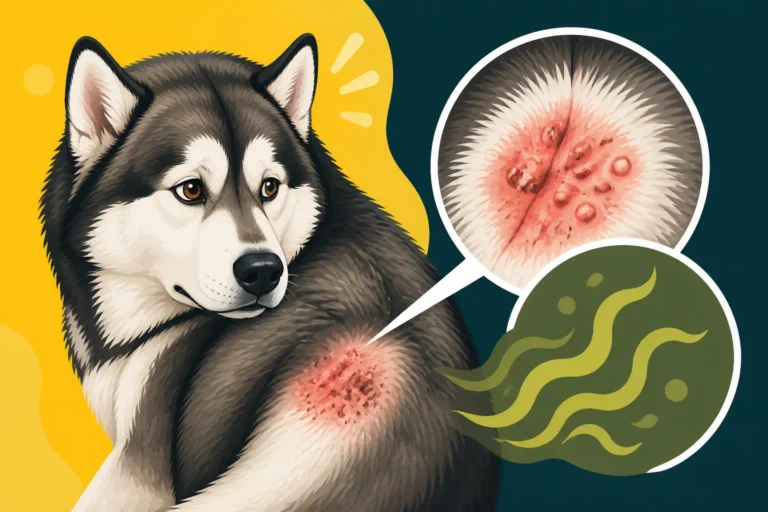
Catching zinc-responsive dermatosis early can make a huge difference in your Malamute's comfort and health. The signs often start subtly, making them easy to miss in the early stages, especially under their thick double coat. You might notice dry, crusty, or scaly skin, particularly around their eyes, muzzle, chin, or elbows. Sometimes, there's hair loss in these areas, or the skin can become red and inflamed. Another common sign is the thickening and cracking of their paw pads.
It’s not always a sudden onset; it can be a slow, creeping process. You might initially dismiss a bit of dry skin as seasonal or due to allergies. However, these issues tend to persist and worsen without intervention. What's crucial to remember is that these signs aren't exclusively confined to puppyhood. While some Malamutes might show signs early, others develop them later in life, meaning vigilance is key throughout their entire lifespan. If you’re ever unsure, it’s always best to consult with your veterinarian. Being able to recognize What Zinc Responsive Dermatosis Looks Like on a Malamute can help you advocate for your dog's health effectively.
The Importance of Veterinary Diagnosis
Before you even think about adjusting your Malamute's zinc intake, whether by changing food or adding supplements, a proper veterinary diagnosis is non-negotiable. Trying to self-diagnose based on internet articles, even helpful ones, can lead to incorrect treatment and potentially harm your dog. Many other skin conditions, such as allergies, fungal infections, or even other nutritional deficiencies, can mimic the symptoms of zinc-responsive dermatosis.
Your vet will likely conduct a thorough physical exam and may recommend diagnostic tests. This could include skin scrapes to rule out parasites, fungal cultures, or skin biopsies. A skin biopsy, while a bit more invasive, can often provide a definitive diagnosis by revealing specific changes in the skin cells that are characteristic of zinc deficiency. Once a diagnosis is confirmed, your vet can then guide you on the appropriate type and dosage of zinc supplementation. They might suggest starting with a specific zinc product and monitoring your Malamute’s response over several weeks to confirm it’s indeed a zinc issue. This is a far safer and more effective approach than guessing, ensuring your Malamute gets exactly what they need without the risks associated with improper dosing.
Zinc Needs Across Different Life Stages
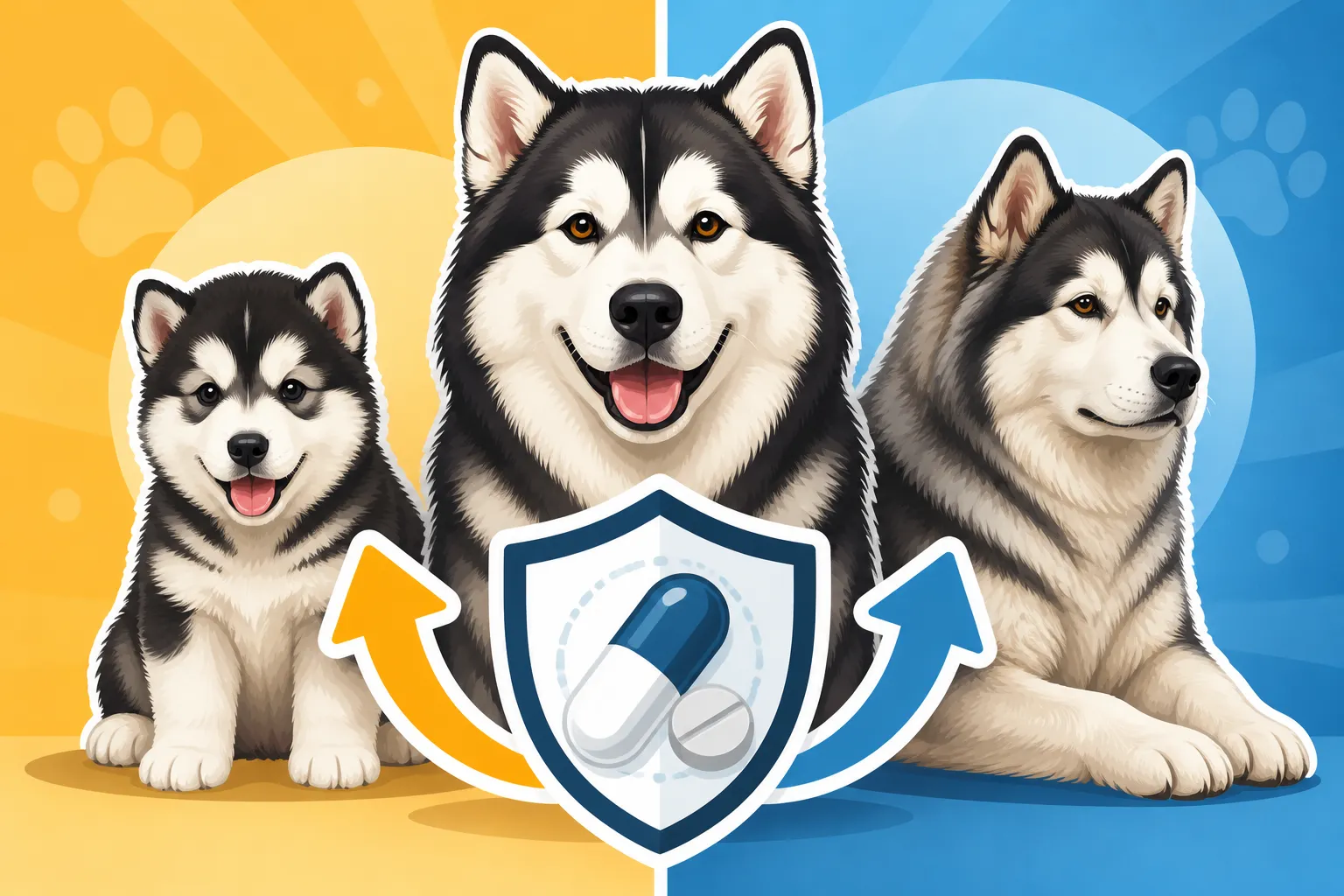
The idea that a Malamute's zinc dose changes with age is a fascinating one, and it touches on broader questions about how their bodies evolve over time. While the core genetic issue often remains constant, various physiological shifts can certainly influence how they utilize or respond to zinc.
Puppyhood and Growth
Puppies, regardless of breed, have intense nutritional demands. Their bodies are building bones, muscles, and organs at an astonishing rate, requiring a robust supply of all essential vitamins and minerals, including zinc. For a Malamute puppy, this period can be particularly tricky. Their genetic predisposition to poor zinc absorption is already present, even if overt symptoms haven't yet manifested.
You might find that some Malamute puppies show signs of zinc deficiency quite early, presenting with crusty muzzles or thinning hair around their eyes before they even hit their first birthday. In these cases, early intervention under veterinary guidance is critical to support their growth and prevent more severe skin issues. However, many Malamute puppies might not show obvious signs, leading owners to believe they’re in the clear. The challenge is that their rapid growth phase, combined with their inherent absorption issues, can create a silent demand for zinc that might not become visible until they're a bit older or under more stress. It’s a common question Whether a Puppy Malamute Outgrows Zinc Deficiency, and sadly, the answer is often no; the underlying genetic issue typically persists, requiring lifelong management.
Adulthood and Maintenance
Once your Malamute moves past the frantic growth of puppyhood and into adulthood, their zinc needs often settle into a more consistent "maintenance" phase. This doesn't necessarily mean their dose changes dramatically, but rather that the goal shifts from supporting rapid development to sustaining overall health and preventing flare-ups. Most adult Malamutes with a diagnosed zinc absorption issue will require ongoing supplementation to keep their skin, coat, and immune system in top condition.
However, even in adulthood, factors other than age can influence their apparent zinc requirements. A Malamute that is highly active, perhaps regularly participating in weight pull or sledding, might have slightly different metabolic demands compared to a more sedentary companion. Similarly, changes in their diet – say, a switch from one high-quality kibble to another, or the introduction of new treats – could subtly alter the availability of zinc. Stress, whether from environmental changes, travel, or even minor illnesses, can also place additional demands on their body and impact nutrient utilization. This is why a "set it and forget it" approach to zinc isn't wise. You're always observing, always checking, always ensuring that their current regimen, easily sourced from retailers like Chewy for regular deliveries, is still working for their unique needs.
Senior Years and Changing Metabolism
As your Alaskan Malamute gracefully enters their senior years, typically around eight years of age, their body undergoes another series of changes. Metabolism slows down, organ function may become less efficient, and they might develop other age-related health issues. This naturally leads owners to wonder if their senior Malamute’s zinc dosage needs to be adjusted.
It's certainly plausible that an older Malamute might experience a subtle decrease in the efficiency of nutrient absorption, including zinc, simply due to the aging process itself. Their gut health might not be as robust as it once was, or interactions with medications prescribed for other senior ailments could play a role. For instance, if your Malamute develops arthritis and is on certain anti-inflammatory drugs, these could potentially affect nutrient absorption or increase metabolic demand in ways that impact zinc. Conversely, a less active senior Malamute might technically need less overall nutrient input, but their ability to absorb it might be compromised. This makes the senior years a time for careful re-evaluation with your vet. It's not usually a drastic change, but a nuanced adjustment might be beneficial to ensure your beloved elder continues to thrive. Just as we focus on Caring for an Alaskan Malamute Past Eight in terms of joint health and general well-being, their zinc status deserves the same thoughtful consideration.
Factors Influencing Zinc Dosage (Beyond Age)
While age can play a subtle role, it's often more of a secondary consideration compared to other major factors that directly impact a Malamute's zinc requirements and the effectiveness of their supplementation. Understanding these elements is key to providing optimal care.
Dietary Considerations
The food you feed your Malamute is foundational, and it significantly impacts zinc absorption. Even with a genetic predisposition to poor absorption, certain dietary components can either help or hinder the process. Diets high in calcium, for example, can actively interfere with zinc uptake in the gut. This is a common issue because many commercial dog foods, especially large-breed puppy formulas, are formulated with higher calcium levels to support bone growth, which can be counterproductive for a zinc-challenged Malamute.
Similarly, phytates, which are compounds found in plant-based ingredients like grains and legumes, can bind to zinc and make it less bioavailable. This isn't to say all grains are bad, but it highlights the complexity of diet formulation for these dogs. Finding a balance is crucial. Many Malamute owners explore fresh food diets, like those offered by Ollie, or carefully selected kibbles that are lower in antagonistic minerals, hoping to maximize natural absorption. The truth is, even with the "perfect" diet, the genetic issue often means some level of supplementation is still necessary. This is why it's vital to know Which Foods Block a Malamute's Zinc Absorption and discuss dietary choices with your veterinarian.
Individual Variation and Genetic Predisposition
This is perhaps the single most important factor. Every Malamute is an individual, even within the same breed. While the genetic predisposition to zinc-responsive dermatosis is a breed-wide concern, the degree to which each individual Malamute is affected can vary wildly. You might have two Malamutes from the same litter, eating the same food, living in the same environment, and one requires a high dose of zinc supplementation while the other manages perfectly fine on a moderate dose, or even just a very carefully selected diet.
This individual variability means there's no "one size fits all" zinc dose for all Malamutes, regardless of age. Their unique genetic makeup dictates how efficiently their body processes and absorbs zinc. This can be incredibly frustrating for owners trying to find the right balance, as what works for one Malamute might not work for another. It underscores the point that Whether a Malamute's Zinc Problem Is Diet or Genetics is often a complex interplay, but genetics often holds the upper hand. This is why a vet-supervised trial-and-error approach, adjusting dosage based on clinical signs and blood work, is often necessary to find each dog's ideal maintenance level.
Stress, Illness, and Activity Levels
Life isn't always smooth sailing, and your Malamute’s body responds to various stressors in ways that can impact its nutritional needs, including zinc. Periods of acute stress, such as moving to a new home, the loss of a companion, or even intense training periods, can temporarily increase metabolic demands and potentially affect zinc utilization. Think about how humans often get rundown when stressed – dogs are no different.
Similarly, illness, even a seemingly minor one like a gastrointestinal upset or a skin infection, can put additional strain on the body, possibly leading to increased zinc needs or impaired absorption. Zinc plays a critical role in immune function and wound healing, so during these times, its demand might be higher. For working Malamutes, those involved in demanding activities like competitive weight pulling or long-distance sledding, their energy expenditure and cellular turnover are significantly elevated. This sustained level of physical activity could lead to a higher requirement for zinc, as it's involved in muscle function and recovery. While these aren't age-related changes, they are transient factors that might necessitate a temporary adjustment in zinc supplementation, always in consultation with your vet. It truly highlights why Why a Malamute Shows Nothing Until It Cannot Work can be a serious issue, as their stoicism can mask underlying health struggles.
Administering Zinc Supplements and Monitoring
Once your veterinarian has confirmed that your Malamute needs zinc supplementation and has recommended a starting dose, the next steps involve careful administration and vigilant monitoring. This isn't a "set it and forget it" task; it's an ongoing partnership with your vet and your dog.
Types of Zinc Supplements
When it comes to zinc supplements for dogs, you’ll encounter various forms, and understanding the differences can be helpful when discussing options with your vet. The most common forms include:
- Zinc Methionine: This is often considered highly bioavailable, meaning the body can absorb and utilize it efficiently. The zinc is chelated (bound) to the amino acid methionine, which helps with absorption. Many vets prefer this form for zinc-responsive dermatosis.
- Zinc Sulfate: A more readily available and often less expensive option. While it can be effective, some dogs might experience gastrointestinal upset with zinc sulfate, and its absorption might be less efficient than chelated forms.
- Zinc Gluconate: Another commonly used form, also generally well-absorbed, and often found in various over-the-counter supplements.
The key is not to just grab the first zinc supplement you see. Your veterinarian will be able to recommend the specific form and brand that they believe will be most effective and safest for your Malamute's particular situation. They might recommend specific veterinary products or suggest checking reliable online retailers like Amazon for specific formulations once you have a clear directive. Remember, Which Zinc Supplement Suits a Malamute best is a question for your vet.
The "Goldilocks" Principle: Not Too Much, Not Too Little
This is perhaps the most critical aspect of zinc supplementation for your Malamute. More isn't always better, and in the case of zinc, too much can be just as harmful as too little, if not more so. Excessive zinc supplementation can lead to toxicity, which can manifest in various ways, including gastrointestinal upset, anemia, and even liver or kidney damage. One of the most common issues with zinc over-supplementation is that it can interfere with the absorption of other essential trace minerals, particularly copper, leading to a secondary copper deficiency. This creates a whole new set of health problems.
Therefore, the goal is to find that "just right" dose – enough to alleviate the symptoms of zinc deficiency and maintain healthy skin and immune function, but not so much that it becomes toxic. This precise balance is why veterinary supervision is absolutely essential. They will guide you on the initial dosage and any subsequent adjustments, always aiming for the optimal therapeutic window. This careful balance ensures you avoid the potential risks that come with Whether Too Much Zinc Harms a Malamute.
Ongoing Monitoring and Adjustment
Administering zinc supplements is not a one-time fix; it's an ongoing management strategy that requires consistent monitoring and occasional adjustments throughout your Malamute's life. Initially, your vet will likely want to see your Malamute back for follow-up appointments to assess their response to the supplementation. They'll look for improvements in skin and coat condition, check for any adverse reactions, and potentially re-evaluate blood work.
While blood zinc levels can be difficult to interpret definitively for tissue levels, they can offer a piece of the puzzle. More often, the clinical improvement in your Malamute's skin and overall well-being is the most reliable indicator that the current dosage is effective. Over time, as your Malamute ages, or if their activity level, diet, or general health status changes, your vet may recommend re-evaluating the dosage. This isn't a fixed, age-based schedule of change, but rather a dynamic process based on your individual dog's health trajectory. For instance, if your Malamute has a particularly stressful year, or develops a new chronic condition, your vet might suggest a temporary or permanent adjustment. Consistent communication with your vet and keen observation of your Malamute's condition are your best tools for successful long-term management.
Summary of Factors Influencing Malamute Zinc Needs
Here's a quick overview of how different factors, including age, can influence your Alaskan Malamute's zinc requirements:
| Factor | Influence on Zinc Needs | Key Consideration for Dosage Adjustment |
|---|---|---|
| Age (Puppy) | High demand for growth, but underlying absorption issue means early deficiency possible. | Support rapid development, address early signs, vet-guided. |
| Age (Adult) | Consistent maintenance dose typically required for lifelong management. | Sustain health, prevent flare-ups, monitor for environmental stressors. |
| Age (Senior) | Potential decreased absorption or interaction with other health issues/meds. | Re-evaluate with vet, look for subtle changes, adjust if needed. |
| Genetics | Primary driver of zinc-responsive dermatosis; individual absorption efficiency varies greatly. | Requires individualized, lifelong supplementation; no "one size fits all." |
| Diet Composition | High calcium/phytates can inhibit absorption; certain foods might be better or worse. | Choose appropriate food, consider specific ingredients, supplement as needed. |
| Activity Level | High activity may slightly increase demand due to higher metabolic rate. | Adjust with vet if highly active; typically not a major dose changer. |
| Stress/Illness | Temporary increase in demand or impaired absorption during periods of illness or stress. | Short-term adjustments under vet guidance may be beneficial. |
| Supplement Type | Bioavailability varies; some forms are absorbed better than others. | Vet-recommended form (e.g., zinc methionine) often preferred for efficacy. |
This table highlights that while age is a component, it's the complex interplay of genetics, diet, and individual circumstances that truly shapes your Malamute's zinc requirements over their lifetime.
Disclaimer
This article is for general informational purposes only and does not constitute professional advice. Laws, prices and regulations vary by location and change over time. Consult a qualified professional for guidance on your specific situation.