Which Zinc Supplement Suits a Malamute
It’s a frustrating scenario many Alaskan Malamute owners know all too well: despite feeding a high-quality diet, your beloved dog might still be struggling with flaky, crusty skin, a dull coat, or persistent itching. These subtle signs often point to a unique, genetically predisposed challenge in our breed: an inability to properly absorb zinc from their food. This comprehensive guide will delve into why Malamutes are particularly susceptible, help you understand the different types of zinc supplements available, and provide clear guidance on choosing the most suitable option to help your furry companion regain their vibrant health.
Understanding Your Malamute's Unique Zinc Needs
Alaskan Malamutes are magnificent, hardy dogs, but they come with a few genetic quirks that owners need to be aware of. One of the most prevalent and often misunderstood is their predisposition to zinc deficiency, even when their diet technically contains enough of this vital mineral. It's not always about how much zinc is in the food, but how much their body can actually utilize.
Why Malamutes Are Different When It Comes to Zinc
Unlike many other breeds, Alaskan Malamutes can have a genetic condition known as Zinc Responsive Dermatosis (ZRD) or a related malabsorption issue. This means their digestive system simply isn't as efficient at pulling zinc out of food and into their bloodstream where it's needed for countless bodily functions. Imagine eating a perfect meal, but your body only takes a fraction of the nutrients it offers – that's often what's happening internally for a Malamute with this condition. You might be feeding a premium kibble, meticulously balanced and enriched, and still, your dog shows all the classic symptoms of zinc deficiency. This can be incredibly disheartening, making you question your care, when in reality, it's a physiological hurdle your Malamute is facing.
For some Malamutes, the issue stems from an inherited metabolic defect that impairs the absorption of zinc from the intestine. For others, it might be a need for significantly higher levels of dietary zinc compared to other breeds, or perhaps an increased sensitivity to elements in their diet (like phytates in grains or high calcium) that can further block what little zinc they can absorb. This isn't just a minor dietary tweak; it's a fundamental difference in their biological processing. Understanding this unique challenge is the first step toward effective management. If you want to dive deeper into this specific issue, you can explore the detailed information in our article on Why a Malamute Needs More Dietary Zinc Than Other Breeds.
Recognizing the Signs of Zinc Deficiency
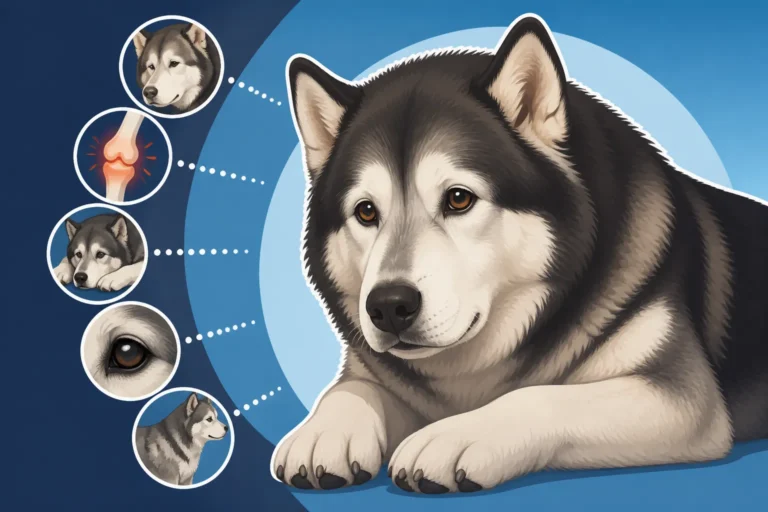
Identifying zinc deficiency early can make a huge difference in your Malamute's comfort and long-term health. The symptoms often start subtly, making them easy to dismiss at first. Owners might notice changes around the face, eyes, and muzzle – areas where the skin often looks dry, flaky, or even crusty. This can progress to symmetrical patches of hair loss, particularly around the eyes, lips, ears, and pressure points like the elbows and hocks. It's not just a cosmetic issue; the skin can become quite inflamed, itchy, and prone to secondary bacterial or yeast infections, leading to even more discomfort and a distinct, sometimes unpleasant, odor.
Beyond the skin, you might observe a general dullness in their once-lustrous coat. Their paw pads can become noticeably thickened, cracked, or hardened, making walking uncomfortable. Some Malamutes might also exhibit lethargy, a decreased appetite, or even show signs of a weakened immune system, leading to more frequent minor illnesses. It’s a cascade effect, where one deficiency can impact multiple systems in the body. If you've been noticing these types of changes, especially crusty patches or hair thinning, it's a clear signal to consult your vet. For a more in-depth look at what these skin issues can look like, refer to our post on What Zinc Responsive Dermatosis Looks Like on a Malamute.
Deciphering the World of Zinc Supplements for Malamutes
Once a zinc deficiency or malabsorption issue is suspected or diagnosed, the next step is often supplementation. However, walking into a pet store or browsing online can quickly become overwhelming with the sheer number of options available. Knowing the differences between various forms of zinc is crucial for choosing an effective and safe supplement for your Malamute.
Different Forms of Zinc and Their Bioavailability
Not all zinc supplements are created equal, especially when dealing with a breed prone to malabsorption. The key term you’ll hear is "bioavailability," which simply means how well your dog's body can absorb and utilize the zinc from the supplement.
- Zinc Sulfate: This is an inorganic form, commonly found and often the least expensive. While it can be effective for some dogs, its bioavailability for Malamutes with absorption issues might be lower compared to chelated forms. It can also be more irritating to the stomach.
- Zinc Gluconate: Another common form, generally better absorbed than zinc sulfate, but still not always the top choice for malabsorption cases.
- Zinc Picolinate: This form has shown good absorption in some studies, but it's less commonly formulated specifically for dogs with severe malabsorption issues like those seen in Malamutes.
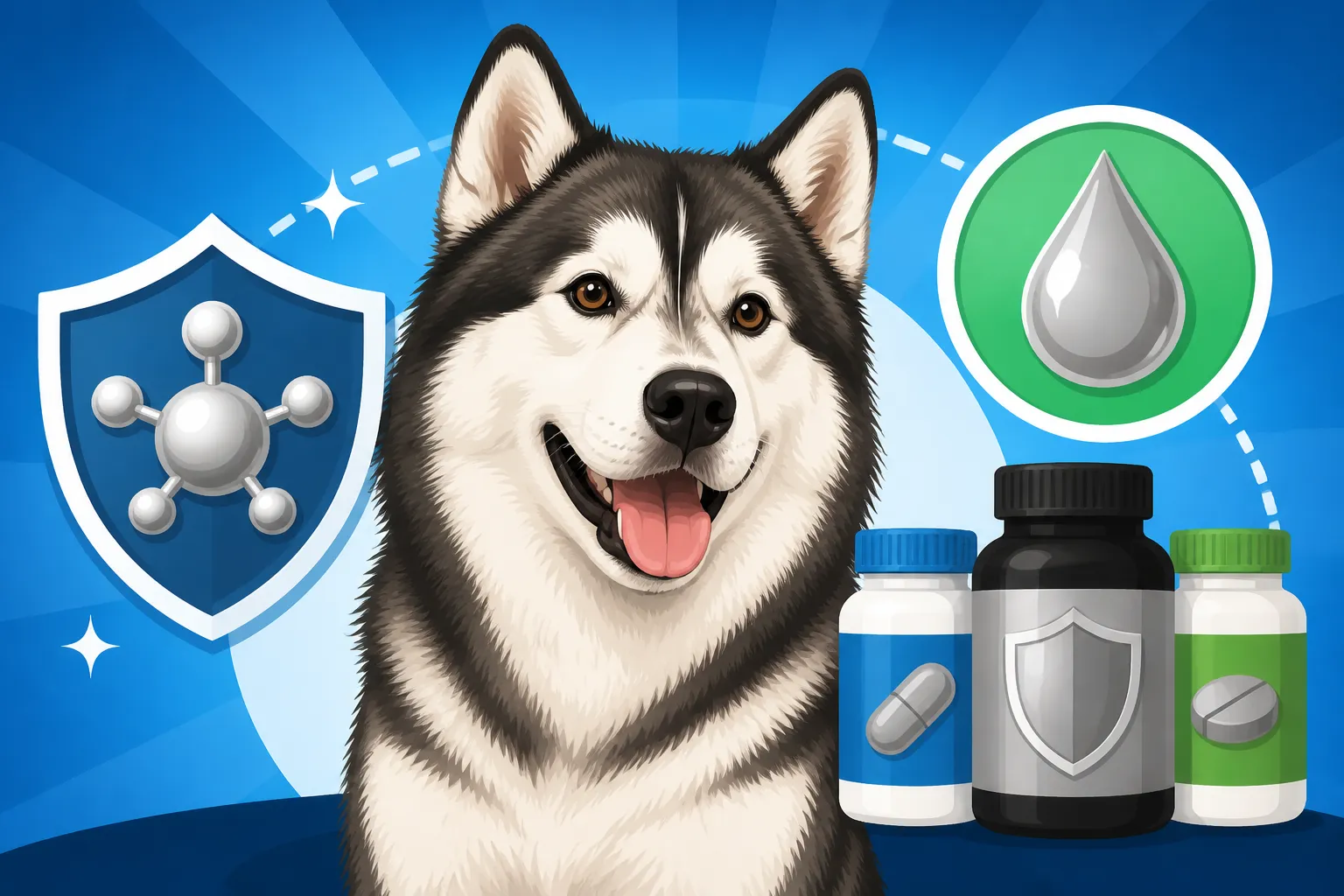
- Zinc Methionine / Zinc Chelate: These are often the heroes for Malamutes. In these forms, zinc is "chelated" or bound to an amino acid (like methionine) or another organic molecule. This binding protects the zinc as it passes through the digestive tract, making it much more readily absorbed and utilized by the body. For a Malamute struggling with inherent absorption challenges, zinc methionine or other chelated forms are frequently the most recommended by veterinarians because they bypass some of the typical absorption roadblocks. You can learn more about this specific form in our article Whether Zinc Methionine Suits a Malamute Better.
When you're reading labels, look for "zinc methionine," "zinc proteinate," or a general "chelated zinc." These forms aim to maximize the amount of zinc that actually makes it into your Malamute's system, which is paramount for addressing their specific needs.
Factors to Consider When Choosing a Supplement
With a better understanding of the different forms, how do you pick the right one? Here are some critical factors:
- Veterinary Recommendation: This is, hands down, the most important step. Your veterinarian will diagnose the specific issue, rule out other conditions, and provide guidance on the correct form and dosage tailored to your Malamute's individual needs. They might even recommend a specific brand.
- Bioavailability: As discussed, prioritize chelated forms like zinc methionine or zinc proteinate. If a supplement doesn't specify the form, it's likely a less bioavailable option like zinc sulfate, which might not be effective for a true malabsorption issue.
- Purity and Quality: Look for reputable brands that clearly state their ingredients and manufacturing processes. Third-party testing can offer an extra layer of assurance that what's on the label is actually in the bottle, and that it's free from contaminants. While specific brands can vary, your vet will have experience with those that deliver consistent results.
- Absence of Fillers and Unnecessary Additives: Many supplements contain binders, artificial flavors, or colors that your Malamute doesn't need. Opt for products with minimal ingredients to reduce the risk of allergic reactions or digestive upset.
- Palatability and Form: Supplements come as powders, chewable tablets, or liquids. Consider what your Malamute will accept most readily. A highly effective supplement that your dog refuses to eat is, of course, useless. Powders can often be mixed into food, while flavored chews might be taken like a treat.
- Concentration: Pay attention to the amount of elemental zinc per dose. This allows for accurate dosing as prescribed by your vet and helps you determine the cost-effectiveness of the product over time.
Remember, managing a chronic condition like Zinc Responsive Dermatosis often involves ongoing vet visits, diagnostics, and long-term supplementation. This is where a robust pet insurance plan can truly alleviate financial stress. Many Malamute owners find peace of mind with providers like Healthy Paws, knowing that the costs of unexpected illnesses or long-term management are often covered, allowing them to focus on their dog's well-being without undue financial strain.
| Zinc Form | Type | Bioavailability for Dogs | Common Usage | Considerations |
|---|---|---|---|---|
| Zinc Sulfate | Inorganic | Moderate to Low | General supplementation, less severe deficiencies | Can cause stomach upset, lower absorption for malabsorption cases |
| Zinc Gluconate | Inorganic | Moderate | General supplementation | Better absorbed than sulfate, but still may not be ideal for ZRD |
| Zinc Picolinate | Organic | Moderate to Good | General supplementation | Less common in pet-specific formulas for ZRD; absorption can vary |
| Zinc Methionine | Chelated | High | Preferred for malabsorption (ZRD) | Excellent absorption, less stomach upset; often the first choice for Malamutes |
| Zinc Proteinate | Chelated | High | Preferred for malabsorption (ZRD) | Similar to zinc methionine, excellent absorption |
Dosage, Administration, and Potential Pitfalls
Once you've chosen a zinc supplement with your vet's guidance, the next crucial steps involve proper dosing and administration. Getting this right is vital for effectiveness and, more importantly, for your Malamute's safety.
Getting the Dosage Right and Administering Safely
This cannot be stressed enough: always follow your veterinarian's specific dosage instructions. Zinc is a trace mineral, and while essential, both too little and too much can be detrimental. For Malamutes with Zinc Responsive Dermatosis, the typical starting dose might be in the range of 1-3 mg of elemental zinc per kilogram of body weight, given daily. However, this is a general guideline, and your vet will calculate the precise amount based on your dog's weight, the severity of their condition, and the specific concentration of the supplement you are using.
Self-dosing is a significant risk, as it's easy to misunderstand elemental zinc content or mistakenly give an adult dose to a puppy. Supplements for pets often come in various strengths, so always double-check the label against your vet's prescription. Administering the supplement is usually straightforward. Many zinc supplements are designed to be given with food, which can help prevent stomach upset and integrate it into your Malamute's routine. If your dog is particularly finicky, your vet might suggest mixing a powder into a small amount of wet food or a treat, or using a liquid form. Consistency is key, so make sure it's given every day as prescribed to maintain steady zinc levels in their system. For more information on safe zinc levels, take a look at our article on How Much Zinc Is Safe for an Alaskan Malamute.
Recognizing Zinc Toxicity and Interactions
While zinc is necessary, excess zinc can be dangerous, leading to zinc toxicity or poisoning. The symptoms of zinc overdose can range from gastrointestinal upset like vomiting and diarrhea to more severe issues such as lethargy, anemia (due to interference with copper absorption), and even damage to vital organs like the liver and kidneys. If you notice any of these signs after starting a supplement, contact your vet immediately.
Furthermore, zinc doesn't act in isolation. It interacts with other minerals in the body, most notably copper and calcium. High levels of zinc can inhibit copper absorption, potentially leading to a copper deficiency over time. Conversely, high levels of calcium in the diet, often found in certain large-breed puppy foods or supplements, can actually block zinc absorption, making the underlying problem worse for a Malamute. This is another reason why a balanced diet and vet-supervised supplementation are crucial. Your vet may recommend periodic blood tests to monitor not just zinc levels, but also copper and other relevant markers to ensure a healthy balance. Our post on Whether Too Much Zinc Harms a Malamute provides further details on these risks.
Long-Term Management and Veterinary Partnership
Managing zinc malabsorption in an Alaskan Malamute is typically not a one-time fix. It’s a journey that requires ongoing commitment, vigilance, and a strong partnership with your veterinary team.
The Lifelong Journey of Zinc Supplementation
For most Malamutes diagnosed with a genetic zinc malabsorption issue, supplementation becomes a lifelong commitment. This isn't just about clearing up the initial symptoms; it's about maintaining optimal zinc levels to prevent recurrence and ensure their overall health. You might find that the initial dosage needs to be adjusted over time based on their response, changes in diet, or even their life stage. For instance, a growing puppy or a pregnant female Malamute might have different zinc requirements.
Regular check-ups with your veterinarian are non-negotiable. These visits will likely include discussions about your Malamute's coat and skin condition, energy levels, and overall well-being. Your vet will also likely recommend periodic blood tests to monitor zinc levels, and potentially other mineral levels like copper, to ensure everything is in balance. It’s an ongoing process of assessment and fine-tuning, and it can sometimes feel like a lot of effort, but seeing your Malamute thrive makes every bit of it worthwhile. Staying committed to the plan is how you ensure they live their healthiest, happiest life. If you're wondering about the duration of treatment, our article Whether a Malamute Needs Zinc for Its Whole Life sheds more light on this aspect.
When to Call the Vet – More Than Just a Supplement
While zinc supplementation is often highly effective, it's crucial to know when to seek immediate veterinary attention. If your Malamute's symptoms worsen despite supplementation, or if new, concerning signs appear, don't hesitate to call your vet. This could indicate the dosage isn't quite right, the supplement isn't being absorbed effectively, or perhaps another underlying condition is at play. Any adverse reactions to the supplement, such as vomiting, severe diarrhea, or increased lethargy, warrant an immediate veterinary consultation.
Furthermore, always consult your vet before making any significant changes to your Malamute's diet or before introducing any new supplements, as these could potentially interfere with zinc absorption or interact with existing medications. A thorough veterinary examination can rule out other skin conditions that might mimic zinc deficiency, such as allergies, thyroid issues, or parasitic infections. Your vet is your most valuable partner in navigating your Malamute's health, offering expert guidance and diagnostic capabilities. Proactive care and open communication with your veterinary team are the cornerstones of managing chronic conditions effectively, and remember that pet insurance, such as a plan from Healthy Paws, can significantly support the financial aspects of these necessary diagnostic tests and long-term care, ensuring your Malamute always gets the best possible attention.
Disclaimer
This article is for general informational purposes only and does not constitute professional advice. Laws, prices and regulations vary by location and change over time. Consult a qualified professional for guidance on your specific situation.