Whether Zinc Methionine Suits a Malamute Better
It's a common, often frustrating, experience for Alaskan Malamute owners: you're doing everything right, feeding a high-quality diet, but your beautiful dog still struggles with unexplained skin issues, crusty patches, and a dull coat. Many times, the culprit is zinc deficiency, or more accurately, an inability to properly absorb zinc from their food. This guide dives deep into zinc methionine, a specific form of zinc supplementation, to help you understand if it might be the better, more effective solution for your beloved Malamute's unique needs.
Understanding Zinc Responsive Dermatosis in Malamutes
The term "zinc responsive dermatosis" can sound intimidating, but at its heart, it just means a skin condition that improves when zinc is added to the diet. For Malamutes, this isn't just a simple dietary oversight; it's often a deeply rooted genetic predisposition that makes managing their zinc levels a lifelong journey.
Why Malamutes Struggle with Zinc Absorption
Our magnificent Malamutes, with their dense coats and incredible resilience, possess an ancient metabolism built for harsh Arctic conditions. While this efficiency is fantastic for conserving energy, it sometimes comes with a peculiar quirk: a less efficient ability to absorb and utilize zinc from their diet compared to many other breeds. It’s not necessarily that their food is lacking zinc, but rather that their bodies aren't processing it effectively. Imagine trying to use a perfectly good key in a lock that's slightly sticky – the key is there, but it just doesn't turn easily. This can be incredibly frustrating as an owner, because you're diligently providing a balanced diet, yet your dog still shows signs of deficiency. It's a testament to the breed's unique physiology, a characteristic deeply woven into their genetic tapestry, and it's why understanding specific forms of supplementation is so vital. This isn't just a mild inconvenience; chronic zinc deficiency can lead to significant discomfort and secondary health problems for your Malamute.
The Different Forms of Zinc Supplements
When you start looking into zinc supplements, you'll quickly realize it's not a one-size-fits-all world. There are several forms available, each with varying degrees of bioavailability – that's a fancy way of saying how well the body can absorb and use it. You might encounter zinc sulfate, often found in human cold remedies, or zinc gluconate, another common over-the-counter option. These are generally inorganic forms, meaning the zinc isn't bound to anything special. Then there are chelated forms, where the zinc is "bound" or "complexed" with another molecule, usually an amino acid. The idea behind chelation is to make the zinc more palatable and more easily absorbed by the digestive system, as it can pass through the intestinal wall more readily. It's like having a special delivery service for the zinc, helping it bypass some of the hurdles it might face when absorbed on its own. Understanding these differences is crucial for any Malamute owner trying to find the most effective and gentle way to support their dog's health.
Recognizing the Signs of Zinc Deficiency
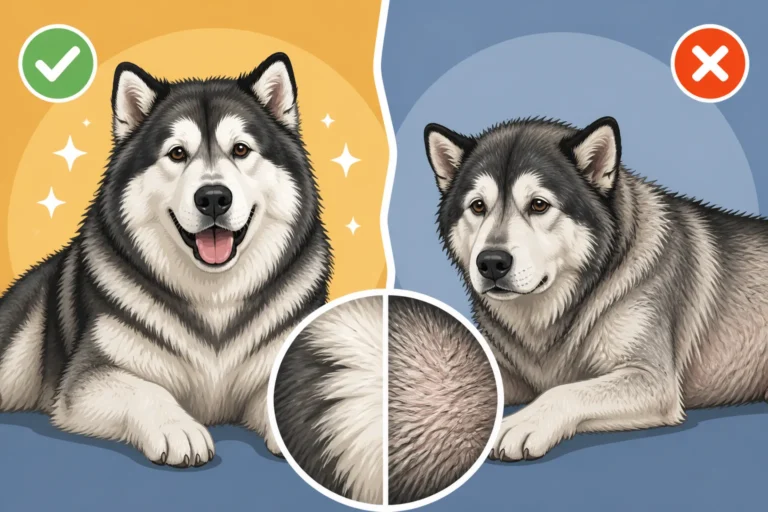
The classic signs of Zinc Responsive Dermatosis in an Alaskan Malamute often appear as crusty, scaling, and sometimes red lesions, typically around areas of friction or rapid cell turnover. You might notice them first around the eyes, muzzle, ears, elbows, hocks, or paw pads. The skin might thicken, become quite dry, and hair loss can occur in these affected areas, sometimes leading to secondary bacterial or yeast infections because the skin barrier is compromised. Imagine your Malamute constantly rubbing their face or limping slightly because their paw pads are uncomfortable and cracked. It's not just cosmetic; it's genuinely painful and itchy. Some dogs might also show general lethargy or a duller coat. The challenging part is that these symptoms can sometimes mimic other skin conditions, making an accurate diagnosis by your veterinarian incredibly important. They can perform tests, and sometimes even a skin biopsy, to confirm if it is indeed zinc deficiency at play. Paying close attention to these subtle changes in your Malamute's skin is your first line of defense. What Zinc Responsive Dermatosis Looks Like on a Malamute gives a great visual of what to watch for.
What Makes Zinc Methionine Potentially Superior?
Given the unique challenges Malamutes face with zinc absorption, simply throwing any zinc supplement at the problem might not be the most effective, or even the most comfortable, solution for your dog. This is where zinc methionine often shines.
The Science Behind Zinc Methionine
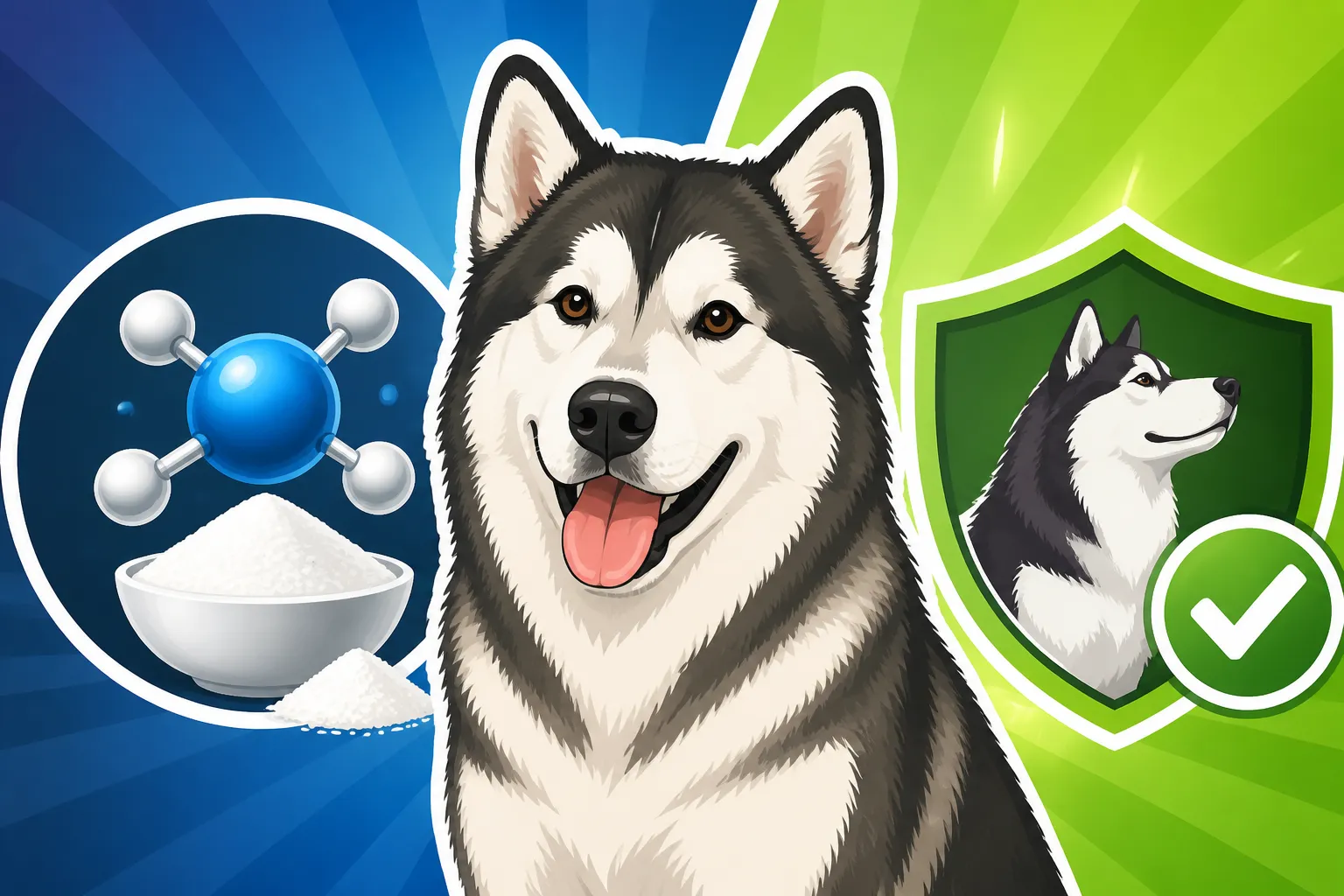
Zinc methionine is a specific type of chelated zinc where the mineral zinc is chemically bonded to the amino acid methionine. Think of methionine as a natural escort for the zinc molecule. Why is this important? Our dogs' bodies are designed to absorb amino acids very efficiently. By "hitching a ride" with methionine, the zinc can bypass some of the normal absorption pathways that might be less effective for Malamutes, leading to much better uptake in the gut. Inorganic zinc forms, like zinc sulfate, have to compete for absorption sites and can often be less bioavailable, meaning a smaller percentage of the zinc you give actually makes it into your dog's system where it can do good. For a Malamute, whose system might already be struggling with this process, that chelated bond can make all the difference, ensuring more of that vital zinc reaches the cells that need it most. It's about working with their body's natural processes, rather than against them.
Benefits of Enhanced Absorption
The primary, and most significant, benefit of zinc methionine for a Malamute is its enhanced absorption. When a dog isn't absorbing zinc well, you might find yourself giving higher and higher doses of less bioavailable forms, which can sometimes lead to stomach upset, nausea, or even diarrhea. Nobody wants their dog to feel worse while trying to get better. Because zinc methionine is more readily absorbed, often a lower dose can be just as, if not more, effective than a higher dose of an inorganic form. This means less potential for gastrointestinal irritation, making the supplementation process much more pleasant for your Malamute – and for you. It also means the zinc is getting where it needs to go more efficiently, allowing the skin to heal faster and the coat to regain its luster. This efficiency is key for a breed that often requires lifelong supplementation to manage their condition effectively.
Real-World Scenarios and Anecdotes
Imagine this common scenario: you’ve noticed your Malamute, let's call her Luna, has developed those tell-tale crusty spots around her muzzle and eyes. Your vet confirms zinc responsive dermatosis, and you start her on a standard zinc supplement. For weeks, you dutifully give it, but the crusts persist, maybe even worsen, and Luna occasionally has a mild upset stomach. This is a sign that her system just isn't processing that particular form of zinc well.
Now, consider a different approach. After discussing it with your vet, you switch Luna to a zinc methionine supplement. Within a few weeks, you start to see a real difference. The redness around her eyes begins to fade, the crusts become less prominent, and new, healthy hair starts to grow back in the thinning areas. More importantly, her digestion remains stable, and she's not experiencing any discomfort. Or perhaps your Malamute, Koda, has always had a sensitive stomach. Even the slightest change in diet or supplement can send him running for the yard. In this case, starting with a highly bioavailable form like zinc methionine could bypass those digestive woes from the start, providing the necessary zinc without triggering other issues. These aren't just theoretical advantages; these are the kinds of real improvements Malamute owners often report when they find the right form of zinc for their dog. It really highlights how crucial the form of zinc is, not just the presence of it. How a Malamute's Zinc Deficiency Is Treated often involves finding this optimal form.
| Zinc Form | Bioavailability (General) | Common Issues | Typical Use Cases |
|---|---|---|---|
| Zinc Sulfate | Moderate | Can cause GI upset at higher doses | General supplementation, less severe cases |
| Zinc Gluconate | Moderate to Good | Can cause GI upset | General supplementation |
| Zinc Oxide | Poor | Not recommended for supplementation | Topical creams, external use |
| Zinc Picolinate | Good | Generally well-tolerated | Better absorption than sulfate/gluconate |
| Zinc Methionine | Excellent (Chelated) | Very well-tolerated, high absorption | Malamutes, breeds with absorption issues, sensitive stomachs |
Practical Considerations for Supplementing with Zinc Methionine
While zinc methionine offers promising benefits, it's not something to administer without careful thought and professional guidance. There are still crucial practicalities to consider to ensure your Malamute's safety and the treatment's effectiveness.
Dosage and Veterinary Guidance
This cannot be stressed enough: zinc supplementation, especially for a condition like zinc responsive dermatosis, must be done under the direct supervision of your veterinarian. Zinc, while essential, can be toxic in excessively high doses. Symptoms of zinc toxicity can be severe, including vomiting, diarrhea, lethargy, anemia, and even organ damage. Your vet will not only help confirm the diagnosis but also calculate the precise dosage of zinc methionine appropriate for your individual Malamute's weight, age, and severity of symptoms. They might even recommend periodic blood tests to monitor zinc levels and ensure they are within a healthy range, making adjustments as needed. Do not guess; do not self-medicate. A conversation with your vet about Whether a Malamute's Zinc Should Be Blood Tested and the specific dosage is absolutely non-negotiable for your dog's well-being.
Integrating Zinc Methionine with Diet
Even with a highly bioavailable form like zinc methionine, what you feed your Malamute still plays a role. Certain dietary components can interfere with zinc absorption, even if the supplement is designed to be efficient. For example, diets very high in calcium, or those containing high levels of phytates (found in some grains and legumes), can bind with zinc and make it harder for the body to absorb. This means that while you're giving a great supplement, if your dog's kibble is working against it, you might not see optimal results. It's worth reviewing your Malamute's entire diet with your vet. Some owners find success with specialized diets from brands like Ollie, which focus on fresh, whole ingredients and might be formulated to be more nutrient-available. You might also want to look at the ingredient list of your current food from retailers like Chewy to ensure it’s not unknowingly hindering the process. A holistic approach, where both the supplement and the daily diet work in harmony, is often the most effective. Whether a Malamute's Kibble Contains Enough Zinc is a related read that dives into this very topic. And yes, Whether High Calcium Food Blocks a Malamute's Zinc is a real concern.
Cost and Availability
It's true that specialized, chelated supplements like zinc methionine can sometimes come with a higher price tag than their inorganic counterparts. You might find yourself comparing costs and wondering if the extra expense is truly worth it. However, consider the potential long-term savings. If a cheaper, less bioavailable zinc supplement isn't working, you might end up giving larger doses, buying more frequently, or even having more vet visits for persistent skin issues and secondary infections. In the long run, investing in a more effective product that resolves the issue quicker and prevents complications can actually be more economical. These specialized supplements are typically available through your veterinarian, dedicated pet pharmacies, or reputable online retailers like Amazon or Chewy. Always ensure you are purchasing from a trusted source to guarantee product quality and potency. Discussing What Zinc Supplementation Costs Over a Malamute's Life with your vet can help you budget and understand the commitment involved. Finding Which Zinc Supplement Suits a Malamute best involves weighing both efficacy and practical cost.
Monitoring Progress and Long-Term Management
Bringing a Malamute back from the discomfort of zinc responsive dermatosis is a journey, not a destination. It requires consistent monitoring and a commitment to lifelong care.
What to Look For After Starting Zinc Methionine
Once your Malamute starts on zinc methionine, it's important to be a keen observer. You won't see changes overnight, but typically within a few weeks to a couple of months, you should start noticing improvements. Keep a close eye on the affected skin areas: are the crusts lessening? Is the redness fading? Is new hair starting to grow in previously bald patches? You might even notice the texture of their coat improving overall, becoming softer and shinier. Beyond the physical signs, observe your Malamute's demeanor. Are they less itchy? Do they seem more comfortable and energetic? Sometimes, resolving chronic discomfort can lead to a noticeable improvement in their overall mood and activity levels. Take photos every few weeks to objectively track progress; it can be incredibly encouraging to look back and see how far your Malamute has come. Remember that consistency is key for seeing these positive changes. When it comes to Whether a Malamute's Zinc Lesions Come Back, consistent management is the best prevention.
The Lifelong Commitment
For most Malamutes diagnosed with zinc responsive dermatosis, supplementation with zinc, often in a highly bioavailable form like zinc methionine, is a lifelong commitment. This isn't a condition that "goes away" or that they simply "grow out of," especially if it's genetically predisposed. Think of it like managing a chronic human condition; it requires ongoing care and vigilance. This means incorporating the supplement into their daily routine permanently. Missing doses or stopping the supplement prematurely can lead to a recurrence of symptoms, and potentially a setback in their recovery. It's about establishing a consistent routine and sticking to it. Your vet will guide you on the long-term dosage and monitoring schedule, ensuring your Malamute remains healthy and comfortable throughout their life. It's simply part of what it means to care for a Malamute with this specific genetic predisposition. For more on this, check out Whether a Malamute Needs Zinc for Life.
Addressing Concurrent Issues
It's also important to remember that sometimes, zinc deficiency can exist alongside or even exacerbate other health issues. For example, compromised skin due to lack of zinc can make your Malamute more susceptible to Whether a Malamute's Skin Infections Are Secondary bacterial or yeast infections. While zinc methionine will help heal the underlying skin condition, your vet might also need to prescribe antibiotics or antifungals to clear up any secondary infections that have taken hold. Furthermore, an uncomfortable Malamute might exhibit behavioral changes, or you might misinterpret some of their symptoms. By taking a holistic view of your dog's health and communicating openly with your vet about all symptoms, you can ensure a comprehensive approach to their care. This might include regular check-ups, appropriate grooming, and a vigilant eye for any new or worsening symptoms. Also, it’s always a good idea to consider general health screenings, such as those discussed in Whether a Malamute Should Be Screened Before Its First Season, to rule out other conditions that might be at play or influenced by their overall health.
Disclaimer
This article is for general informational purposes only and does not constitute professional advice. Laws, prices and regulations vary by location and change over time. Consult a qualified professional for guidance on your specific situation.