Whether a Malamute’s Kibble Contains Enough Zinc
One common worry that often keeps Alaskan Malamute owners up at night, right alongside the usual "did I bury that fence deep enough?" thoughts, is whether their beloved companion is getting everything they need from their diet. Specifically, there's a recurring question that pops up in forums and discussions: does a Malamute's kibble contain enough zinc? It's a valid concern, because while commercial dog foods aim for balanced nutrition, Malamutes have some rather particular requirements that can make this question more complex than it first appears. This guide is here to shed some light on this specific dietary challenge, helping you understand your Malamute's unique needs and how to ensure they're thriving.
The Unique Zinc Needs of Alaskan Malamutes
Alaskan Malamutes are magnificent, stoic animals, but beneath that glorious double coat and powerful physique lies a system that can be surprisingly sensitive, especially when it comes to certain nutrients. Zinc is one of those critical elements where "enough" for one breed might be "not nearly enough" for a Malamute. It's not just about meeting the bare minimum; it's about addressing a breed-specific vulnerability.
Genetic Predisposition to Zinc Responsive Dermatosis
Many Malamute owners unfortunately become familiar with a condition called Zinc Responsive Dermatosis (ZRD). This isn't just a fancy name for dry skin; it's a serious skin condition where, despite receiving seemingly adequate zinc in their diet, their bodies just don't absorb or utilize it effectively. It's an inherited predisposition, a genetic quirk that makes some Malamutes less efficient at metabolizing zinc compared to other breeds. You can feed them a high-quality kibble, and they might still show signs of deficiency because their internal machinery isn't extracting what it needs. This condition can be incredibly frustrating for owners who are doing everything "right" but still see their dog suffering. It's a stark reminder that what works for a Labrador might not work for a Malamute. For a deeper dive, you might find Zinc Responsive Dermatosis in an Alaskan Malamute helpful.
This genetic factor means that simply looking at the percentage of zinc on a dog food label might not tell the whole story for a Malamute. Their requirement isn't just about the amount present, but also about the bioavailability – how easily their body can actually use it. A kibble could meet AAFCO guidelines for zinc content, but if your Malamute's system is inherently inefficient at absorbing it, those numbers become less meaningful in isolation. It's like having a full tank of gas, but the fuel line is partially clogged – the fuel is there, but it can't get where it needs to go effectively.
The Delicate Balance of Zinc Absorption
Beyond the genetic predisposition, several other factors can influence how well your Malamute absorbs zinc from their diet. This isn't unique to Malamutes, but it becomes particularly pertinent given their baseline vulnerability. For instance, diets high in certain minerals like calcium or phytates (found in some grains) can actually interfere with zinc absorption. If a kibble is formulated with very high calcium levels, even if it has a decent amount of zinc, that zinc might not be as accessible to your dog's system. This is a subtle but important detail that many owners overlook when scrutinizing ingredient lists.
Another factor is the form of zinc itself. Not all zinc is created equal when it comes to absorption. Inorganic forms like zinc oxide or zinc sulfate are common and cheaper, but organic or chelated forms (like zinc methionine or zinc picolinate) are generally considered more bioavailable, meaning the body can absorb and utilize them more efficiently. If your Malamute's kibble relies heavily on less bioavailable forms, even a higher overall percentage might not translate to sufficient levels in their body. It's a delicate dance, and knowing these nuances helps you make more informed decisions about your dog's food. For more about this, consider reading Whether a Malamute Needs More Dietary Zinc Than Other Breeds.
Deciphering Kibble Labels for Zinc Content
Navigating dog food labels can feel like trying to solve a puzzle written in a foreign language. There are so many ingredients, percentages, and guarantees. When it comes to zinc, knowing what to look for, and what those numbers actually mean, is crucial for any Malamute owner. It's not just about seeing "zinc" listed; it's about understanding the context of that listing.
Understanding AAFCO Guidelines and Minimums
The Association of American Feed Control Officials (AAFCO) sets nutritional profiles that most reputable dog food manufacturers adhere to. These guidelines specify minimum amounts for various nutrients, including zinc, to ensure a food is "complete and balanced" for a particular life stage (e.g., adult maintenance, growth). For adult dogs, the AAFCO minimum for zinc is generally around 80 mg/kg of dry matter. This is a good baseline, but it's important to remember that it's a minimum, designed to prevent outright deficiency in the average dog.
For a Malamute with a genetic predisposition to poor zinc absorption, that AAFCO minimum might be just barely adequate, or even insufficient, over time. Think of it like this: a car needs a certain amount of oil to run, but a high-performance engine might benefit from a slightly higher quality or quantity. Your Malamute is a high-performance, unique engine! It’s not that these foods are bad, but they might not be optimized for a breed with specific metabolic challenges. So, while you want to ensure your chosen kibble meets or exceeds AAFCO standards, a Malamute owner might want to aim higher or consider other factors.
The Form of Zinc Matters
As we touched on earlier, the way zinc is presented in your Malamute's kibble can significantly impact its efficacy. When you look at the ingredient list, you might see zinc listed in a few different ways. Here's a quick rundown:
| Zinc Form | Description | Bioavailability (General) | Cost (Relative to Manufacturer) |
|---|---|---|---|
| Zinc Oxide | An inorganic salt, often used in supplements and foods. | Lower | Lower |
| Zinc Sulfate | Another inorganic salt, commonly found in feeds. | Moderate | Moderate |
| Zinc Proteinate | An organic, chelated form where zinc is bound to amino acids. Often seen as "Zinc Methionine," "Zinc Gluconate," or "Zinc Amino Acid Chelate." | Higher | Higher |
Many premium dog foods, knowing the importance of bioavailability, will include chelated forms of zinc, often listed as "zinc proteinate," "zinc methionine," or "zinc amino acid chelate." These forms are more readily absorbed by the body because they mimic naturally occurring complexes found in food. If your Malamute's kibble lists zinc primarily in these chelated forms, that's generally a good sign. If it only lists inorganic forms like zinc oxide or zinc sulfate, it might still meet the minimum AAFCO requirements, but the actual amount your Malamute's body can utilize could be less than ideal given their predisposition. When you're browsing options on sites like Chewy or Amazon, make sure to zoom in on those ingredient labels. Some brands will clearly advertise their use of chelated minerals, recognizing this as a selling point for discerning pet parents.
When Kibble Alone Isn't Enough
Even with careful selection, there are times when a Malamute's kibble, despite all best intentions, just doesn't cut it. This is where vigilant observation and a proactive approach come into play. It's not about blaming the food; it's about understanding your individual dog's needs and responding appropriately.
Recognizing the Subtle Signs of Zinc Deficiency
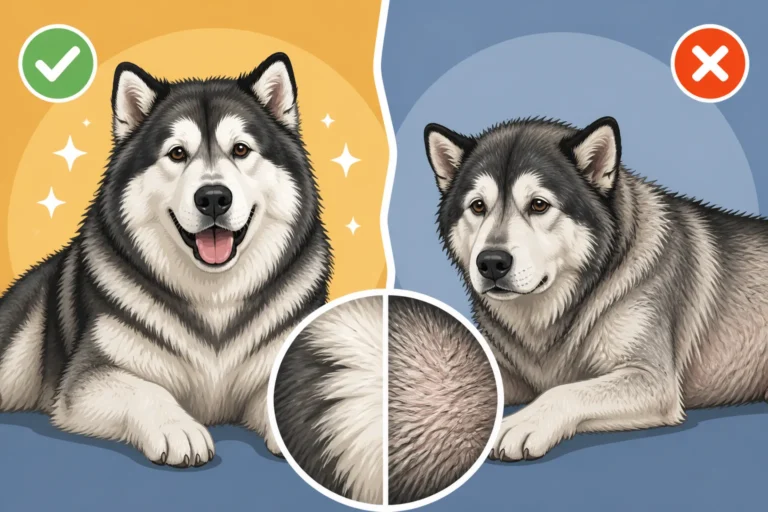
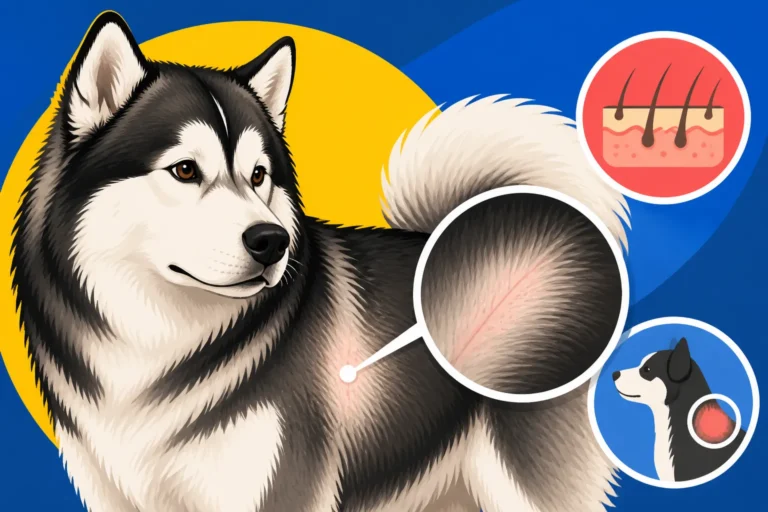
The classic signs of severe zinc deficiency are often quite noticeable: crusting lesions around the eyes, mouth, nose, and sometimes the elbows and hocks. But sometimes, the signs are more subtle, especially in the early stages, or if your Malamute is only marginally deficient. You might notice their coat isn't as luxurious as it once was, perhaps appearing dull or dry. Their skin might be flaky, or they might develop recurring skin infections that seem resistant to typical treatments. Where a Malamute's Zinc Lesions Appear First can offer more visual guidance on what to look for.
A Mal might also seem a bit lethargic, or their appetite could waver. Sometimes, owners notice a thickening or hardening of the paw pads, which can be quite uncomfortable for the dog, especially if they are working animals or enjoy long walks. It’s crucial not to dismiss these subtle changes as just "bad skin days" or normal shedding. These could be early warnings that their system isn't getting enough bioavailable zinc. Keeping a close eye on their overall condition, especially after exercise or a long day, can help you catch these signs sooner rather than later.
Supplementation and Dietary Adjustments
If you suspect your Malamute might be experiencing zinc deficiency, the first and most important step is to consult your veterinarian. They can confirm the diagnosis, often through a skin biopsy or by observing a positive response to zinc supplementation. Once confirmed, your vet will likely recommend a zinc supplement. This isn't usually a "more is better" situation; proper dosing is vital, as too much zinc can also be harmful. Your vet can guide you on the appropriate form (often zinc methionine) and dosage. For some insight into the treatment process, see How a Malamute's Zinc Deficiency Is Treated.
Beyond supplementation, sometimes dietary adjustments can also help. This might involve switching to a kibble that explicitly states higher levels of chelated zinc. Or, your vet might suggest avoiding certain ingredients that could inhibit zinc absorption, such as extremely high calcium levels in puppy foods, which can sometimes be a factor even in adult Malamutes. Some owners explore fresh food diets, though these require careful balancing to ensure all nutrients are met. If you're considering a new food or supplement, reputable online retailers like Chewy or Amazon offer a wide selection, but always consult your vet first to ensure it's the right choice for your dog. For specific advice on what works, Which Zinc Supplement Suits a Malamute might be a good follow-up read.
Working with Your Vet and Reputable Brands
When it comes to the complex nutritional needs of an Alaskan Malamute, particularly regarding zinc, a collaborative approach with your veterinarian and careful selection of products from trusted sources is your best strategy. You're not alone in this journey.
The Importance of Veterinary Consultation
I cannot stress enough the importance of consulting with your veterinarian if you have any concerns about your Malamute's health or diet. Self-diagnosing and self-treating can lead to bigger problems. A vet can differentiate between zinc deficiency and other skin conditions that might look similar, such as allergies or thyroid issues. They can also perform diagnostic tests, such as blood work or skin biopsies, to confirm a diagnosis and rule out other underlying health problems. Remember, your vet is your partner in your Malamute's health journey, and their expertise is invaluable. They can also advise on the optimal timing for testing, like knowing Whether a Malamute Needs Yearly Thyroid Bloodwork to rule out other issues with similar symptoms.
Furthermore, if supplementation is needed, your vet can prescribe or recommend the correct type and dosage of zinc, ensuring it's safe and effective for your individual dog. They'll monitor your Malamute's progress and make adjustments as needed. This ongoing professional guidance is critical, especially since, for many Malamutes, zinc supplementation becomes a lifelong necessity. Trying to navigate this alone based on internet advice can lead to frustrating setbacks or even harm.
Sourcing Quality Supplements and Foods
Once you have a clear understanding from your vet about your Malamute's specific needs, you'll want to source quality products. For dog food, look for brands that have a strong reputation for ingredient quality and transparency. Many brands are moving towards including higher quality, chelated minerals in their formulas because owners are becoming more educated about bioavailability. Look for dog foods that explicitly state they use zinc proteinate or zinc amino acid chelates in their ingredient list.
When it comes to supplements, always opt for those specifically formulated for dogs and recommended by your vet. You can often find these at your vet's office, through specialty pet stores, or online from trusted retailers. Sites like Chewy often carry a wide range of veterinary-recommended supplements, and you can sometimes find good options on Amazon with careful reading of reviews and ingredient lists. Brands like Ollie, known for their fresh food options, are also becoming more transparent about their nutrient sourcing, and while they might not be a direct solution for existing ZRD, they highlight the growing trend of dietary awareness. Always check the concentration and recommended dosage to ensure you're providing what your Malamute truly needs without overdoing it. After all, the goal is optimal health, not just meeting a number on a label.
Disclaimer
This article is for general informational purposes only and does not constitute professional advice. Laws, prices and regulations vary by location and change over time. Consult a qualified professional for guidance on your specific situation.