Reading a Malamute’s Skin Before the Crusts Appear
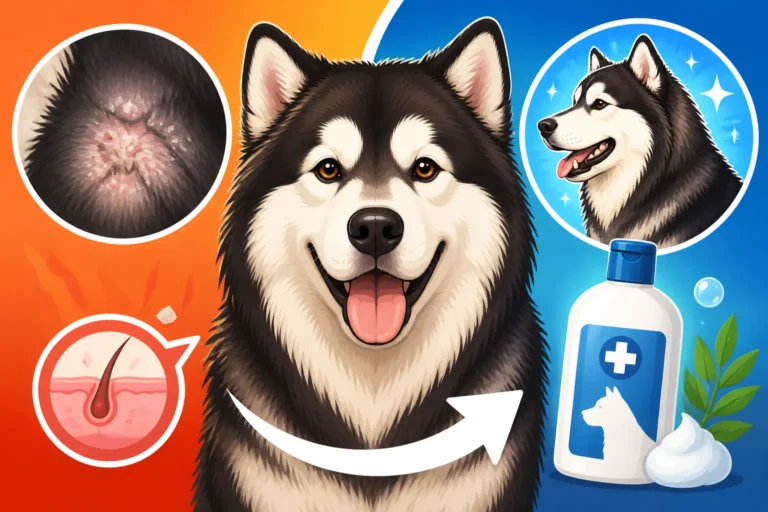
One of the most disheartening things for any Malamute owner is noticing something "off" with their beloved companion, only to find it's progressed to an uncomfortable, crusty skin condition. Many of us have been there, feeling a lump, seeing a patch of sparse fur, or noticing excessive scratching, all before those tell-tale crusts even appear. This guide aims to empower you to catch those subtle shifts in your Malamute's skin and coat, understanding what they mean and how to act early to prevent more severe issues.
The Unique Challenges of Malamute Skin
Let's face it, owning an Alaskan Malamute is a commitment to a lot of fur, and while that gorgeous double coat is one of their most defining features, it can also be a master of disguise. Beneath all that fluff, skin issues can fester unnoticed, making early detection a real challenge for even the most vigilant owner. It's not just about aesthetics; their skin is a vital organ, and its health is often a mirror of their overall well-being.
Beneath the Double Coat: Why it's Hard to See Early Signs
That thick, dense double coat, designed to protect them from Arctic blasts, also creates a warm, insulated environment close to their skin. This environment can trap moisture, heat, and allergens, making it a perfect breeding ground for bacteria or yeast if conditions aren't ideal. More importantly, it acts like a thick curtain, obscuring the skin from casual glances. You might run your hand over your Malamute's back every day, feeling nothing but luxurious softness, while underneath, a rash or irritation is silently brewing. It takes a deliberate, hands-on approach to really "read" their skin. You need to part that dense fur and visually inspect the skin itself, not just rely on what you feel or see on the surface of the coat.
Think about it from a practical standpoint: if your dog had short, single-layered fur, a red patch or a bump would be immediately obvious. With a Malamute, that same patch could be completely hidden until it's become quite large, inflamed, or has caused enough discomfort to make them scratch through the coat. The sheer volume of hair means you're often detecting changes in behavior (like increased scratching or licking) before you ever see a visible skin lesion. This is why regular, thorough skin checks are paramount for our furry, four-legged companions.
Genetic Predispositions: More Than Just Environmental Factors
While environmental allergens, diet, and parasites can certainly impact any dog's skin, Malamutes, unfortunately, come with their own set of genetic predispositions that make them more susceptible to certain skin conditions. It's not just bad luck; it's part of their breed heritage. One of the most talked-about is Zinc Responsive Dermatosis in an Alaskan Malamute, a condition where their body struggles to absorb or utilize zinc properly, leading to distinct skin lesions. This isn't something you can simply fix by changing their food; it's a metabolic quirk.
Beyond zinc, Malamutes can also be prone to other issues like allergies (atopy), which can manifest as chronic skin inflammation, itching, and secondary infections. Their robust immune systems, while generally excellent, can sometimes overreact to common environmental triggers like pollen, dust mites, or certain food proteins. Understanding these inherent tendencies means you're not just looking for "a skin problem," but specifically watching for signs that align with what Malamutes are known to face. A good breeder will often have insight into these issues within their lines, but ultimately, as owners, we bear the responsibility of proactive monitoring.
Early Warning Signs You Might Be Missing
Before those crusty, obvious lesions appear, your Malamute's skin often tries to tell you something is amiss in more subtle ways. These are the whispers before the shouts, and learning to interpret them can make all the difference in catching and treating issues early. It requires a keen eye, a patient hand, and a willingness to get up close and personal with your dog's skin.
Subtle Changes in Coat Texture and Luster
The Alaskan Malamute's coat is naturally thick, somewhat coarse on the outer layer, and glistening with health when all is well. One of the first, yet often overlooked, indicators of internal or external skin stress is a change in this normal texture and luster. You might notice their coat losing that healthy sheen, appearing dull, dry, or brittle. It might feel coarser than usual to the touch, or conversely, unusually soft and sparse in certain areas, almost like the undercoat is disappearing faster than it should during a coat blow.
Sometimes, you'll feel a greasy residue when you pet them, or see persistent dandruff (seborrhea) that isn't just a temporary shedding flake. This isn't just cosmetic; a healthy coat is a direct reflection of healthy skin. If the skin isn't producing enough natural oils, or if it's overproducing them due to an imbalance, the coat will suffer. These subtle textural changes can signal anything from nutritional deficiencies to underlying skin inflammation or even parasitic infestations. For instance, a dull coat can be an early sign that your Malamute might be struggling with proper zinc absorption, a common concern as discussed in How Poor Zinc Absorption Links a Malamute's Three Disorders.
Persistent Itching and Excessive Licking
This one might seem obvious, but it's often dismissed as "just a dog being a dog." All dogs scratch and lick occasionally, it's normal. What's not normal is persistent, focused, or excessive scratching, licking, or chewing. If your Malamute is suddenly scratching behind their ears more frequently, meticulously licking their paws for long periods, or gnawing at their flanks, pay attention. This isn't just an annoyance; it's their way of telling you something is bothering them under the surface.
The tricky part with Malamutes is their stoicism. They might not whine or visibly react with pain until an issue is quite advanced. So, even a slight increase in these behaviors should trigger your concern. Excessive licking can lead to "hot spots" (acute moist dermatitis), where they self-traumatize the skin, creating a raw, oozing wound that rapidly becomes infected. If you notice your Malamute obsessively cleaning a particular area, especially their paws, it could be an allergic reaction, environmental irritant, or even an early sign of a deeper issue. Always investigate the area they are targeting.
Redness, Rashes, and Mild Inflammation
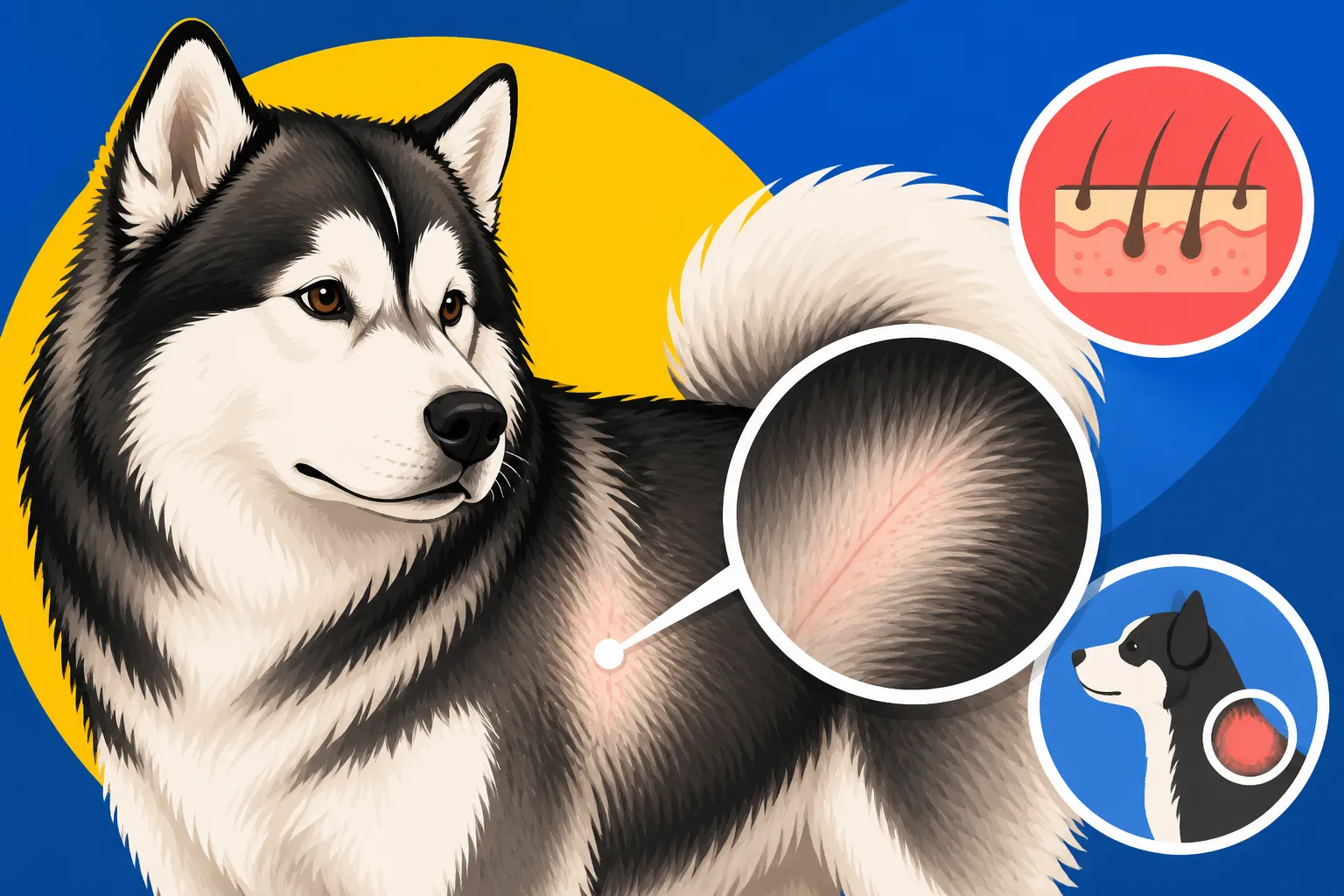
These are slightly more advanced signs than coat changes but still precede the severe crusting. To spot them, you have to actively part the fur and look at the skin directly. Gently run your fingers through their coat, feeling for any bumps, scabs, or thickened areas. Then, spread the fur to get a visual. What you're looking for is any skin that isn't its normal pale pink or grey.
Areas of slight redness, small bumps (papules), or a generally inflamed appearance can indicate anything from flea bites (even one bite can trigger a reaction in sensitive dogs) to contact dermatitis or the beginning of a bacterial or yeast infection. A mild rash might look like small, scattered red dots or a diffused pink flush over a larger area. Remember, with a Malamute's thick coat, these initial signs can be incredibly hard to see unless you're specifically looking for them. Don't be afraid to get a good headlamp or flashlight and examine areas like the belly, groin, armpits, and inside the ears where the fur is naturally thinner. Catching this early can prevent the inflammation from escalating into widespread discomfort and more serious secondary infections.
Specific Areas to Check and What to Look For
Since a Malamute's coat is so dense, a superficial glance simply won't cut it when it comes to skin health. You need a systematic approach, inspecting specific areas where problems tend to manifest or are easier to spot. Make this part of your regular grooming routine, maybe once a week, so you become familiar with what's normal for your dog. This focused attention can literally save you and your Malamute a lot of discomfort and vet bills down the line.
Ears, Muzzle, and Around the Eyes
These are often the first places where subtle skin changes become noticeable, especially if your Malamute is prone to zinc deficiency or allergies. Start with the ears. Lift the ear flap and look at the skin inside. Is it clean, pale pink, and free of odor? Or do you see redness, waxy buildup, or a dark discharge? Ear infections, whether bacterial or yeast, often start with mild irritation and can be very uncomfortable. Around the base of the ear, gently part the fur. Are there any scabs, flaky skin, or thinning hair? These can be indicators of mites or allergic reactions.
Next, move to the muzzle and around the eyes. This is a classic area for Where a Malamute's Zinc Lesions Appear First. Look for dry, flaky skin, especially on the bridge of the nose, around the lips, and at the chin. Sometimes, the skin will appear slightly thickened or develop small crusts, even before full-blown lesions appear. Similarly, inspect the skin around their eyes. Is there any redness, discharge, or hair loss? Whether a Malamute Loses Hair Around Its Eyes is a significant sign that could point to zinc issues or allergies. Don't forget to check the folds of skin if your Malamute has them around the muzzle, as moisture and yeast can get trapped there.
Paws, Pads, and Between the Toes
Our Malamutes' paws do a lot of work, whether they're pulling a sled, hiking a trail, or just romping in the yard. As such, they're constantly exposed to environmental irritants and can be a hotbed for allergies and secondary infections. When your Malamute is relaxed, lift each paw and carefully examine the pads and the skin between their toes.
Are the pads smooth and supple, or dry, cracked, and thickened? Whether a Malamute's Paw Pads Thicken can be a symptom of various conditions, including some autoimmune diseases or chronic irritation. Look closely between the toes for any redness, swelling, or moistness. Dogs with allergies often lick their paws excessively, leading to inflammation and secondary yeast or bacterial infections, which can manifest as reddish-brown staining on the fur and a distinct, yeasty odor. Check for any foreign objects, thorns, or small cuts that might be causing irritation. Even tiny splinters can lead to a significant infection in this area.
Under the Belly, Armpits, and Groin
These are areas with thinner fur and more sensitive skin, making them prime spots for early detection of issues. However, because they're often out of sight, they're easily overlooked. Gently roll your Malamute onto their back or side and thoroughly inspect their belly, inner thighs, and armpits.
Look for any general redness, small pimple-like bumps (papules), or a splotchy rash. These can be signs of contact allergies from grass or chemicals, flea allergy dermatitis, or the beginning of a widespread skin infection. The skin in these areas should be relatively smooth and clean. Also, feel for any small lumps, bumps, or enlarged lymph nodes in the groin or armpit regions. While not always skin-related, they can indicate a systemic issue. Any persistent redness, greasiness, or an unusual odor (which might mean Whether a Malamute's Skin Smells When Infected) in these areas warrants closer inspection and likely a vet visit. These hidden spots are often where skin problems can quietly escalate before becoming obvious and harder to treat.
The Dreaded Crusts: What They Indicate
When those crusts finally make their unwelcome appearance, it's often a sign that a skin issue has progressed beyond its early stages. For Malamute owners, this sight can be particularly worrying because it frequently points to specific underlying conditions that are unfortunately common in the breed. It's not just a superficial problem; it's a symptom that demands immediate attention and a clear understanding of its potential causes.
Zinc Responsive Dermatosis: The Classic Malamute Skin Problem
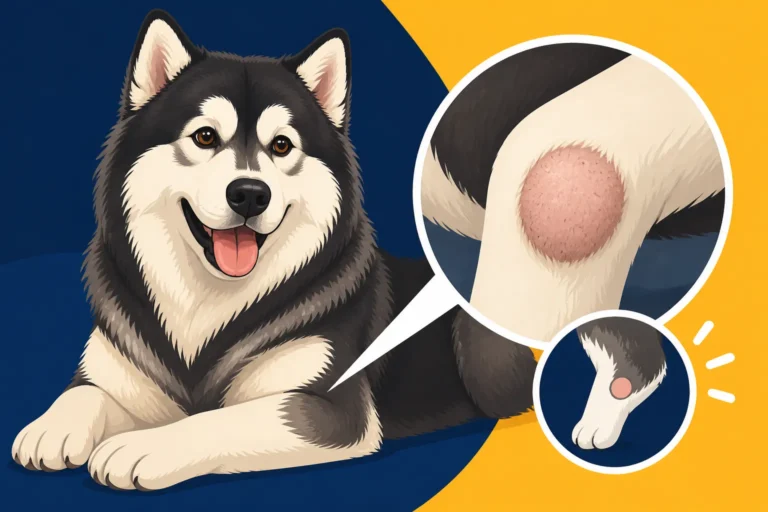
If you start seeing crusty lesions, especially on the face (around the eyes, muzzle, and chin), ears, elbows, and hocks, the alarm bells should immediately go off for Zinc Responsive Dermatosis in an Alaskan Malamute. This is one of the most well-known dermatological conditions affecting the breed, stemming from an inherited inability to properly absorb zinc from their diet, even if the diet itself contains adequate amounts. The skin's rapid cell turnover requires a significant amount of zinc, and without it, cell production goes awry, leading to abnormal keratinization and, eventually, those distinctive crusts and scaling.
The crusts associated with zinc deficiency aren't typically wet or oozing initially. Instead, they often appear dry, thick, and grayish or brownish. The underlying skin might be red and inflamed. Left untreated, the hair in these areas will thin and eventually fall out. It’s a frustrating condition because you might be feeding a high-quality diet, yet your Malamute still suffers. This is why it's crucial to understand Why a Malamute Needs More Dietary Zinc Than Other Breeds and that dietary zinc isn't always enough. If you suspect this, a visit to the vet for proper diagnosis and supplementation is essential. Early intervention can prevent widespread discomfort and secondary infections, and help manage the condition long-term.
Secondary Infections: When Crusts Get Worse
While zinc responsive dermatosis causes its own type of crusting, any persistent skin irritation, rash, or inflammation can quickly pave the way for secondary bacterial or yeast infections. When your Malamute's natural skin barrier is compromised – whether by allergies, parasites, or even constant licking and scratching – opportunistic microorganisms that normally live harmlessly on the skin seize the chance to overgrow. These secondary infections often lead to a more severe and often nastier form of crusting.
These crusts might be yellowish, green, or dark brown, often accompanied by pus, oozing, or a strong, unpleasant odor, indicating a bacterial pyoderma or a yeast infection. The skin beneath can be intensely red, swollen, and very painful to the touch. You might also notice widespread hair loss in the affected areas. A dog that started with simple allergies, scratching incessantly, can develop these types of crusts because they've broken the skin barrier and introduced bacteria. It's a vicious cycle: the irritation leads to scratching, which damages the skin, allowing infection, which then creates more irritation and more scratching. Addressing these secondary infections typically requires antibiotics or antifungals, often alongside treatment for the primary cause. This is why catching the initial subtle signs is so important – it prevents this cascade into more complex and painful conditions.
Nutritional Strategies to Support Skin Health
When it comes to your Malamute's skin, what goes into their bowl is just as important as what you put on their coat. Nutrition plays a fundamental role in maintaining a healthy skin barrier, supporting cell turnover, and preventing inflammation. Because Malamutes have specific breed tendencies, their diet often needs careful consideration to preempt or manage dermatological issues.
The Role of Zinc in Malamute Skin
We've touched on it already, but it bears repeating: zinc is absolutely critical for Alaskan Malamutes. Their unique genetic predisposition means that even if a regular dog food claims to have "enough" zinc, it might not be enough for a Malamute who struggles with absorption. Zinc is vital for healthy skin cell division, immune function, and wound healing. Without sufficient bioavailable zinc, the skin cannot regenerate properly, leading to the characteristic flaky, crusty lesions of zinc responsive dermatosis.
Therefore, for many Malamutes, strategic zinc supplementation is not just an option, but a necessity. However, it's not as simple as just grabbing any zinc supplement. The form of zinc matters; chelated forms like zinc methionine are often more easily absorbed. You also need to be mindful of how much is too much, as Whether Too Much Zinc Harms a Malamute is a real concern. Furthermore, certain ingredients in their diet can interfere with zinc absorption. For example, high levels of calcium or phytates found in some grains can act as zinc blockers. This is why some owners explore options available at retailers like Chewy or consult with their vet to find the right balance, potentially even considering specialized diets like those from Ollie, formulated with nutrient bioavailability in mind. Always consult your vet to determine the appropriate type and dosage of zinc for your individual Malamute's needs.
Omega Fatty Acids and Coat Quality
Beyond zinc, essential fatty acids, particularly Omega-3s and Omega-6s, are superstars for skin and coat health. These fats are crucial for maintaining the skin's natural moisture barrier, reducing inflammation, and contributing to that desirable glossy coat. A deficiency in these fatty acids can lead to dry, flaky skin, a dull coat, and increased susceptibility to skin infections.
Many commercial dog foods contain some level of omega fatty acids, but often the balance isn't optimal, or the processing can degrade their efficacy. Supplementing with a high-quality fish oil (rich in EPA and DHA, forms of Omega-3) can make a world of difference. Flaxseed oil is another source of Omega-3s, but dogs are less efficient at converting plant-based Omega-3s to the active forms needed. You can find a vast array of these supplements from reputable brands on Amazon or through pet specialty stores. Look for products that clearly state their EPA and DHA content. Incorporating these into your Malamute's daily routine can significantly improve skin hydration, soothe minor irritations, and give their coat that healthy, vibrant luster, providing a crucial line of defense against future problems.
Hydration and Diet Choices
It might seem basic, but adequate hydration is fundamental for healthy skin. Just like in humans, dehydrated skin can be dry, less elastic, and more prone to irritation. Ensure your Malamute always has access to fresh, clean water. For dogs who aren't great drinkers, consider adding some low-sodium broth to their water or incorporating wet food into their diet to boost fluid intake.
When choosing a food, consider the overall quality and balance of ingredients. Some Malamutes may thrive on a diet with a moderate fat content and easily digestible protein sources. Others might benefit from novel protein diets if food allergies are suspected. While there's no single "perfect" food for every Malamute, opting for high-quality, whole-ingredient formulas can make a big difference. Brands available through Chewy offer a wide selection, and services like Ollie provide fresh, human-grade options that some owners find beneficial for overall health, including skin condition. Pay attention to how your Malamute's skin and coat respond to different foods. If you notice any increase in flakiness, greasiness, or itching after a diet change, it's worth re-evaluating the food choice. Sometimes, simply avoiding common allergens like certain grains or proteins can significantly alleviate skin issues.
Grooming and Environmental Management
Beyond nutrition, your daily and weekly routines play a huge role in maintaining your Malamute's skin health. Their magnificent double coat demands particular attention, not just for aesthetics, but because it’s a direct interface with their environment. Proactive grooming and smart environmental management can prevent minor irritations from escalating into full-blown skin crises.
Brushing Techniques for Early Detection
Regular brushing isn't just about managing the impressive amount of fur during a coat blow; it's your frontline defense for early skin issue detection. For Malamutes, a thorough brushing routine should be more than just a quick sweep over the top coat. You need to get down to the skin. Use an undercoat rake and a slicker brush to systematically part the fur and visually inspect the skin as you go.
As you brush, pay close attention to what you see and feel. Are there any lumps, bumps, scabs, or areas of redness that weren't there before? Is the skin flaky or greasy? This is your opportunity to notice subtle changes in skin texture, color, or the presence of parasites like fleas or ticks before they cause major problems. Focus on areas that are prone to matting or irritation, such as behind the ears, armpits, and groin. When doing your weekly check, systematically part the fur every inch or two, running your fingers over the skin. You'll quickly learn what your Malamute's normal skin looks and feels like, making it easier to spot anomalies. This consistent, deep brushing is also vital for distributing natural skin oils and removing dead hair and dander, both of which contribute to overall skin health.
Bathing Practices for Sensitive Skin
Bathing a Malamute can be a big undertaking, but when done correctly, it's beneficial for their skin and coat. However, over-bathing or using the wrong products can strip their skin of essential oils, leading to dryness and irritation. The general consensus for Malamutes is to bathe them only when necessary, typically every few months or when they're truly dirty, unless a vet recommends more frequent medicated baths for a specific condition.
When you do bathe your Malamute, use a shampoo specifically formulated for dogs with sensitive skin or one that is pH-balanced and moisturizing. Avoid harsh detergents or shampoos with strong perfumes, as these can irritate already sensitive skin. For Malamutes prone to issues like zinc responsive dermatosis, a gentle, hypoallergenic shampoo is often best. After shampooing, ensure you rinse thoroughly. Any residue left in that dense coat can become an irritant. Follow up with a good conditioner to help moisturize the skin and detangle the fur. A force dryer, if you have access to one, can be incredibly helpful in drying their thick undercoat completely, preventing moisture-related skin issues. Remember, a wet, warm undercoat is a breeding ground for bacteria and yeast.
Protecting Your Malamute from Environmental Triggers
The environment your Malamute lives in plays a significant role in their skin health. Minimizing exposure to known irritants can go a long way in preventing flare-ups. This includes things like managing allergens, providing a clean living space, and considering climate. If your Malamute shows signs of environmental allergies (atopy), identifying and reducing exposure to triggers like pollen, dust mites, or certain grasses is key. This might mean wiping their paws after outdoor walks, regularly vacuuming your home with a HEPA filter vacuum, and washing their bedding frequently.
For Malamutes who love to dig or roll in dirt, regular checks of their paws and belly are important to remove any trapped debris or allergens. In warmer climates, it's crucial to ensure they have cool, shaded areas to rest, as overheating can lead to skin irritation. Consider using a cooling mat or a kiddie pool with shallow water. During the winter, dry indoor air can contribute to flaky skin, so a humidifier might be beneficial. Remember to keep up-to-date on flea and tick prevention year-round, as parasitic bites are a common cause of skin irritation and secondary infections, even in seemingly clean environments. Products from Chewy or Amazon can help you find appropriate preventatives.
| Symptom Category | Early Warning Signs (Subtle) | Advanced Symptoms (Crusts Appear) |
|---|---|---|
| Coat Appearance | Dull, dry, brittle fur; slight oiliness; mild dandruff; slight thinning. | Matted fur; bald patches; greasy or discolored fur; foul odor. |
| Skin Texture | Mild flakiness; subtle redness; small bumps (papules); slight thickening in specific areas (muzzle, elbows). | Thick, heavy crusts (dry/greasy); oozing or weeping lesions; severe redness and inflammation; hot spots. |
| Behavioral Cues | Increased licking of paws; more frequent scratching (not frantic); rubbing against furniture; mild chewing on flanks. | Relentless, frantic scratching; persistent biting/chewing; whining or vocalizing due to discomfort; lethargy. |
| Specific Locations | Bridge of nose, around eyes, ear margins, paw pads, inner thighs, belly. | Muzzle, around eyes, ear margins, elbows, hocks, paw pads, groin, generalized body. |
| Underlying Issue | Allergies, mild zinc deficiency, early parasite activity, nutritional imbalance. | Severe zinc responsive dermatosis, bacterial pyoderma, yeast infections, severe allergies, autoimmune disease. |
When to Consult Your Veterinarian
As a Malamute owner, you're their first line of defense, but sometimes, home observations and basic care aren't enough. Knowing when to escalate your concerns to a veterinary professional is crucial, especially with a breed prone to specific and sometimes complex dermatological issues. Delaying a vet visit can lead to increased discomfort for your dog, more advanced disease, and potentially more expensive and prolonged treatment down the road.
Don't Wait for the Worst: Timely Intervention
It's tempting to try and fix minor skin issues yourself with over-the-counter remedies, and for very mild, transient problems, this might be appropriate. However, if you've noticed any of the early warning signs we've discussed – persistent itching, changes in coat luster, localized redness, or particularly, any suspicious flakes or thickening skin – and these don't resolve within a few days, it's time to call your vet. Do not wait for those tell-tale crusts to appear, or for your Malamute to be visibly miserable.
Veterinarians are trained to see beyond the surface symptoms and can often identify the root cause of a skin problem much more accurately than we can at home. They can differentiate between an allergic reaction, a parasitic infestation, a bacterial infection, a fungal issue, or a metabolic problem like zinc deficiency. Catching these problems when they are subtle not only makes treatment easier and faster but also reduces your Malamute's suffering. Remember, Caring for an Alaskan Malamute Past Eight often involves an even closer watch on their health, as older dogs can develop new sensitivities or have existing conditions worsen. Be proactive, not reactive, when it comes to skin health.
Diagnostic Tests for Malamute Skin Conditions
When you bring your Malamute to the vet for a skin issue, they won't just guess what's wrong. They'll typically perform a thorough physical exam and recommend a series of diagnostic tests to pinpoint the exact cause of the problem. These tests are essential because many skin conditions can look similar on the surface but require very different treatments.
Common diagnostic tests include:
- Skin Scrapes: Used to check for microscopic parasites like mites (e.g., Demodex or Sarcoptes).
- Cytology: This involves taking a swab or impression of the skin to examine cells under a microscope for the presence of bacteria, yeast, or inflammatory cells. This is invaluable for identifying secondary infections.
- Fungal Cultures: To rule out or confirm ringworm (a fungal infection).
- Blood Tests: These can be used to check for underlying systemic issues like hypothyroidism (which can cause coat and skin problems) or to assess overall health. For Malamutes, a zinc level check, while not always definitive on its own, can be part of the diagnostic picture when Zinc Is the Thread Running Through Three Malamute Diseases.
- Biopsies: In more complex or persistent cases, a small tissue sample might be taken and sent to a lab for histopathology. This can help diagnose autoimmune diseases, certain cancers, or clarify the nature of chronic inflammation.
- Allergy Testing: If allergies are suspected, your vet might recommend either blood tests or intradermal skin testing to identify specific environmental allergens.
These tests, though sometimes an added expense, are crucial for getting an accurate diagnosis and, therefore, an effective treatment plan. Without them, you might be treating symptoms without addressing the true cause, leading to chronic or recurring issues.
Long-Term Management and Prevention
Once a diagnosis is made and initial treatment is underway, the focus shifts to long-term management and prevention. Many Malamute skin conditions, especially those rooted in genetics like zinc responsive dermatosis or atopic dermatitis, are not "curable" in the traditional sense but are highly manageable with ongoing care. This might involve lifelong zinc supplementation, as discussed in Whether a Malamute Needs Zinc for Life, specific diets, regular medicated baths, or allergy medications.
Your vet will work with you to develop a comprehensive plan. This could include dietary adjustments, environmental controls, regular grooming, and specific medications or supplements. Consistency is key here. Adhering to the prescribed regimen, even when your Malamute's skin looks much better, is vital to prevent relapses. Regular follow-up appointments with your vet are also important to monitor progress, adjust dosages, and catch any new issues early. By understanding your Malamute's specific vulnerabilities and committing to a proactive, informed approach, you can help them maintain healthy, comfortable skin and enjoy a much higher quality of life.
Disclaimer
This article is for general informational purposes only and does not constitute professional advice. Laws, prices and regulations vary by location and change over time. Consult a qualified professional for guidance on your specific situation.