The Age an Alaskan Malamute Reaches Full Weight
It’s incredibly exciting to watch an Alaskan Malamute puppy grow from a fluffy little furball into a magnificent, powerful dog. But for many new owners, there's a nagging question: when do they actually stop growing? It can feel like an endless growth spurt, making it tough to know if your big pup is reaching its full potential or if you should be adjusting its diet. This guide is all about understanding the Alaskan Malamute’s unique growth timeline, so you know exactly what to expect as your beloved companion matures.
The Long Road to Maturity: It’s More Than Just Height
Many people assume that once a dog reaches its full height, it's done growing. With an Alaskan Malamute, that’s simply not the case. They are a breed built for strength and endurance, not just height, and that takes time to develop. Their growth is truly a marathon, not a sprint, which can sometimes be a source of bewilderment for owners used to other breeds. You might see your Malamute looking quite tall and lanky, appearing almost adolescent, long after you might expect them to be 'finished.'
Early Puppyhood: The Initial Surge
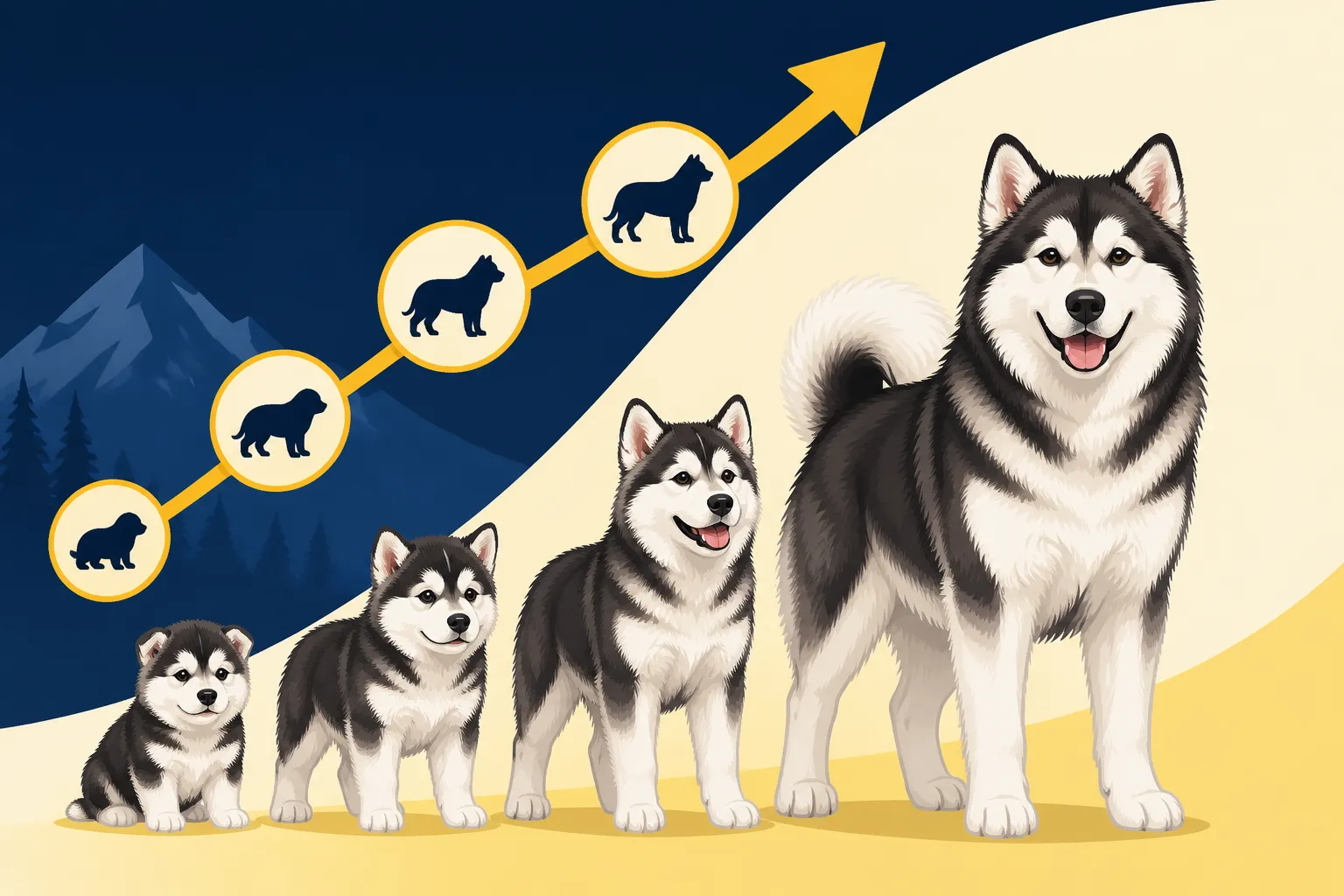
During the first 6 to 12 months, your Malamute puppy will experience its most dramatic growth in terms of height. They'll go from a tiny bundle of fluff to a surprisingly large dog in what feels like the blink of an eye. This is a critical period where their bones and joints are developing rapidly, making proper nutrition incredibly important. You'll witness them gaining inches and pounds with remarkable speed, often leading owners to believe they’ll be "done" much sooner than they actually are. It's not uncommon to see a 6-month-old Malamute that looks almost as tall as a full-grown dog, and yet they still feel like a clumsy, oversized puppy.
It's tempting to want to push their growth with high-calorie foods, but this can actually be detrimental. Why a Malamute Puppy Should Grow Slowly is a concept deeply ingrained in responsible breeding practices for large and giant breeds. Rapid growth can put undue stress on developing joints, potentially exacerbating issues like hip and elbow dysplasia later in life. Instead, focus on a balanced, large-breed puppy food that supports steady, controlled growth rather than super-sizing them.
Adolescent Awkwardness: The Lanky Phase
After the initial height spurt, typically between 8 and 18 months, your Malamute will enter a phase that many lovingly refer to as the "adolescent awkwardness." They might seem all legs and elbows, sometimes appearing a bit underweight despite eating well. This is a perfectly normal part of their development. While their height gains will start to slow down significantly, their bodies are still very much in flux. Their muscles are strengthening, their bone density is increasing, and their coordination is improving (slowly!).
During this period, they might also test boundaries more often, showing off their independent streak. It’s a time when consistent training and socialization remain paramount. Don't be fooled by their nearing-adult size; mentally, they are still very much teenagers. You might notice them looking a bit "thin" or "gangly" during this stage, and it's easy to worry if they're not getting enough food. However, this lanky stage is actually a sign of healthy, proportional development, as opposed to putting on too much weight too quickly.
When "Full Weight" Becomes a Reality
While height is mostly achieved relatively early, the actual "full weight" of an Alaskan Malamute, meaning their complete physical maturity with developed muscle mass and chest breadth, takes considerably longer. This is where the true understanding of their development comes into play, distinguishing them from many other breeds.
The Illusion of Stature: Filling Out Takes Time
Your Malamute might hit its approximate adult height between 12 and 18 months, but don't expect them to be fully filled out and mature at this point. This is a common misconception, leading owners to think their dog is undersized if it doesn't look as robust as adult Malamutes they've seen. What happens after 18 months is a gradual process of filling out. Their chests will deepen and broaden, their muscles will continue to develop, and their overall bone structure will become more dense and substantial. This is the stage where that powerful, majestic Malamute silhouette truly emerges.
It's a process that can continue well into their second and even third year. Imagine a human teenager who has reached their adult height but still needs to fill out into their adult physique. It's a similar principle for Malamutes. Their dense double coat can also be deceiving, making them appear larger than they are, but feeling their ribs and checking their waistline beneath the fur is a good way to monitor their actual body condition.
Factors Influencing Final Weight: More Than Just Time
The precise age at which an Alaskan Malamute reaches its absolute full weight can vary. Several factors play a significant role:
- Genetics: The individual dog's genetic lineage is a huge determinant. Some lines, like those historically known for their substantial build, might take longer to mature and ultimately be heavier than others. How Much a Male Alaskan Malamute Weighs and How Much a Female Alaskan Malamute Weighs can give you an idea of the general range, but individual genetics will always be the ultimate blueprint.
- Nutrition: Consistent access to a high-quality diet specifically formulated for large breeds is crucial. Poor nutrition during growth can stunt development or lead to improper bone formation. Brands like Chewy and Ollie offer a wide range of suitable large-breed formulas that provide the necessary balance of protein, fat, and minerals without excess calories.
- Activity Level: A Malamute that is regularly exercised and engaged in activities like pulling or hiking will develop stronger muscles and better bone density than one that is sedentary. This kind of consistent work contributes significantly to their overall "filled out" weight, distinguishing a truly working dog from a couch potato. Feeding a Working Malamute Against a Pet One often involves different caloric needs and macronutrient ratios to support optimal muscle development.
The Two- to Three-Year Milestone: Reaching Full Form
Generally speaking, while a Malamute is largely grown in height by 18 months, they typically don't reach their full, mature weight and body mass until they are about two to three years old. This is a long-term commitment that requires patience and consistent care.
The Two-Year Mark: A General Guideline for Full Bulk
Most Alaskan Malamutes will have largely completed their "filling out" process by their second birthday. However, it's not uncommon for some to continue to mature and add subtle muscle and breadth until they are closer to three years old. Think of it as a fine-tuning period. During this time, their powerful musculature truly solidifies, their chest broadens, and they achieve that impressive, solid build characteristic of the breed.
This extended growth period also means that what might seem like a "late bloomer" is actually just a Malamute maturing at its natural, intended pace. It’s important not to rush this process with overfeeding, which can lead to obesity and put unnecessary strain on their mature joints. Instead, focus on a consistent, high-quality adult diet and appropriate exercise.
Monitoring Weight and Condition: Keeping Them Just Right
Understanding the age they reach full weight is only half the battle; knowing how to maintain that healthy weight is equally important. It's easy for Malamutes to become overweight, especially once their intense puppy energy begins to mellow. Their dense double coat can hide a multitude of sins when it comes to weight gain, making it challenging for owners to spot issues early.
Here’s how you can monitor your Malamute's condition:
- Rib Check: You should be able to easily feel your Malamute's ribs with slight pressure, but not see them prominently. If you can't feel them without pressing hard, they're likely overweight. If you can see them clearly, they might be underweight.
- Waistline: When viewed from above, your Malamute should have a discernible waist, tapering in slightly after the ribs. From the side, their abdomen should tuck up slightly, rather than hanging low.
- Energy Levels: While individual temperaments vary, a healthy-weight Malamute generally has good energy levels for exercise. Lethargy or reluctance to move could be a sign of discomfort, possibly related to excess weight.
- Regular Weigh-ins: If you have access to a large scale (like at your vet's office), periodic weigh-ins can help you track their progress and ensure they aren't gaining too much too quickly or slowly after their growth spurt. You can also find reasonably priced large dog scales on Amazon for home use.
Once your Malamute has reached its full adult weight, the goal shifts to Keeping an Alaskan Malamute at a Working Weight if they are active, or a healthy maintenance weight for companion dogs. This involves careful portion control and consistent exercise. For adult Malamutes, I generally recommend feeding two meals a day to help manage digestion and prevent them from eating too quickly, which can sometimes be a concern.
| Age Range | Growth Milestone | Key Characteristics |
|---|---|---|
| 0-6 Months | Rapid Height & Initial Weight Gain | Fast growth, clumsy movements, high energy. Focus on healthy bone and joint development. |
| 6-12 Months | Continued Height Growth, Starting to Fill Out | Approaching adult height, lanky appearance, adolescent behaviors. Muscle development begins more noticeably. |
| 12-18 Months | Height Largely Achieved, Filling Out Continues | Most height gained, but still developing muscle mass and chest depth. Less awkward, more coordinated. |
| 18 Months – 2 Years | Significant Filling Out, Approaching Full Weight | Chest broadens, muscles gain density. Looks much more "adult" and substantial. |
| 2 – 3 Years | Full Weight & Physical Maturity | Achieves peak muscle mass and bone density. Body structure is fully mature and robust. Some subtle changes may still occur. |
By being patient and understanding the typical growth curve of this magnificent breed, you can ensure your Alaskan Malamute matures into the strong, healthy, and majestic companion they are meant to be. Remember that their journey doesn't end when they hit a certain height; it's a gradual process of development that culminates in their impressive adult form around their second or third year. Don't worry if they still look a bit leggy at 18 months; the best is yet to come!
Disclaimer
This article is for general informational purposes only and does not constitute professional advice. Laws, prices and regulations vary by location and change over time. Consult a qualified professional for guidance on your specific situation.