Whether an Alaskan Malamute Digs a Cool Hollow
It’s a sight every Alaskan Malamute owner knows well, and often dreads: surveying your once pristine lawn only to find a fresh crater, complete with a proud, dusty Malamute lying contentedly within its confines. The frustration is real – you spend time and effort maintaining your yard, only for your furry companion to seemingly declare it a personal excavation project. But here's the thing: that hole isn't just mischief; it's a vital, deeply ingrained instinct. This guide will explain why your Malamute digs these "cool hollows" and offer practical strategies to manage this natural behavior without losing your sanity (or your entire garden).
The Instinct Behind the "Cool Hollow" Digging
Let's be honest, your Malamute isn't digging just to annoy you, even if it feels that way when you see another freshly unearthed sprinkler head. Their ancestors evolved in harsh, often unforgiving Arctic environments where survival depended on smart adaptations. Digging a cool hollow is one of those brilliant, ancient instincts that has simply never left the breed, even when they're lounging in your suburban backyard.
A Deep-Seated Arctic Adaptation
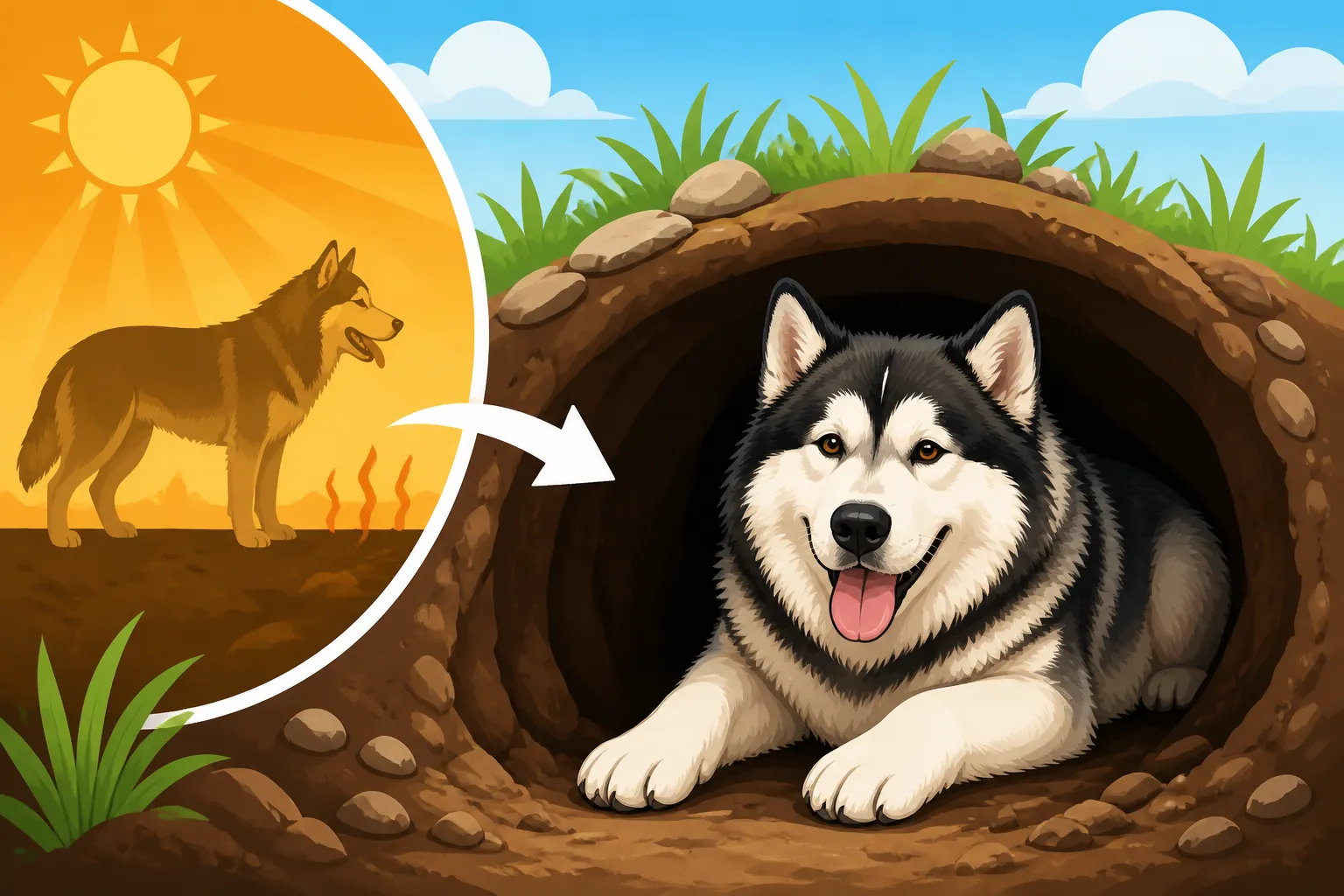
Imagine their forebears, working tirelessly to pull heavy sleds across vast, snowy landscapes. When summer arrived in the Arctic, or even just a milder spring day, the sun could still be relentless. Unlike many breeds, the Malamute carries a dense double coat, an absolute lifesaver in freezing temperatures, but a potential burden when things warm up. Without air conditioning, swimming pools, or even readily available shade, what was a Malamute to do? They dug. They'd use their powerful paws and strong shoulders to excavate a shallow pit, exposing the cooler, damp earth beneath the surface. Lying in this natural depression, surrounded by cooler soil, allowed their thick coats to release heat more effectively. It was their natural, self-made air conditioning.
This isn't just a quaint historical fact; it’s hardwired into their DNA. It’s part of what made them such incredible survivors and partners to the Mahlemut people. This instinct is so strong that even a Malamute who lives in a perfectly temperate climate might still feel the primordial urge to create a cool spot. It's a testament to their heritage and a reminder that their needs are deeply connected to their ancestral purpose. You might find yourself thinking about The Mahlemut of Kotzebue Sound Bred the Alaskan Malamute and how integral these survival traits were to their very existence.
Reading the Signs: How to Tell if Your Malamute is Digging for Coolness
It’s easy to lump all digging into one category, but a Malamute digging for coolness often presents with specific behaviors. Before they even break ground, you might notice your Malamute becoming restless, panting more heavily than usual, seeking out shaded areas that are no longer quite cool enough, or trying to lie on hard, cold surfaces like concrete garage floors. They might pace along a fence line, sniffing the ground intently, almost "testing" for the optimal spot.
Once they start, the digging itself is typically less frantic and chaotic than digging out of boredom or escape. A Malamute digging for a cool hollow will often be very methodical, scraping away the topsoil, then settling into the shallow depression, sometimes even before it's very deep. They aren't trying to tunnel to China; they're simply trying to get to that cooler layer of earth. They'll often lay down almost immediately after creating a shallow trench, pressing their belly and chest against the cool soil. If they're restless, moving from one shallow pit to another, it's a pretty clear sign they're just trying to find that perfect, refreshing spot.
Why Your Yard Becomes Their Personal Air Conditioning Unit
Think about the physics of it: the top few inches of soil absorb direct sunlight and ambient heat. But just a little deeper, the earth retains a more consistent, cooler temperature. When your Malamute digs, they're not just moving dirt; they're actively creating a microclimate. The excavated soil allows air circulation around their body, and the cool earth against their belly acts as a natural heat sink, drawing warmth away from them.
This is particularly effective for a double-coated breed. Their dense undercoat, designed to trap warm air in winter, can trap hot air close to their skin in summer, making it harder for them to dissipate heat. By lying in a cool hollow, they bypass this insulating layer, allowing the ground to do some of the work. You might already be familiar with how Summer Is the Season That Kills Alaskan Malamutes, so understanding their desperate need to self-regulate temperature is crucial. It’s a primitive but incredibly effective solution to an uncomfortable problem.
The Frustration and the Reality of Yard Damage
As much as we understand why they do it, seeing your beautiful lawn transformed into a lunar landscape can be incredibly frustrating. It’s more than just an aesthetic issue; those holes can lead to genuine problems and endless battles between you and your determined digger.
Beyond the Aesthetic: The Practical Problems
While the initial shock of a new hole might simply be cosmetic, the repercussions can be far more annoying. For starters, those holes are tripping hazards. A shallow dip might seem innocuous, but if you're not looking, it's easy to twist an ankle. Then there's the damage to irrigation systems. Many a Malamute owner has learned the hard way that a well-placed paw can puncture a water line or unearth a sprinkler head, leading to costly repairs and unexpected floods.
And let's not forget the mud. Oh, the mud! A dug-out hollow, especially after a rain, becomes a perfect mud bath. Your Malamute, utterly delighted with their cool, muddy retreat, will then inevitably track that mud into your house, onto your furniture, and all over you. It's a cycle that can feel impossible to break, leaving you constantly cleaning up after their natural, yet messy, coping mechanism. It’s a problem that goes beyond just keeping a neat yard and impacts daily life significantly.
The Never-Ending Battle: Why Traditional "Stop Digging" Methods Often Fail
Many owners try various deterrents – yelling, spraying water, filling holes, even adding unpleasant-smelling substances. The truth is, these methods rarely work long-term for a Malamute digging for coolness. Why? Because you're fighting an instinct, not just a bad habit. When your Malamute is genuinely hot, the drive to dig trumps almost any negative consequence you can offer. The discomfort of overheating is a powerful motivator.
Forcing them to stop digging without providing an alternative is like telling a human not to sweat when they're hot – it's going against their biological programming. They might stop digging that specific spot when you're watching, but the moment your back is turned, or the heat becomes too intense, they'll find another location to start anew. It's a battle you're unlikely to win, and it can strain the bond between you and your dog, leading to confusion and frustration on both sides. This is why Why a Malamute Cannot Be Stopped From Digging is such a crucial piece of understanding.
Understanding Their Drive: It's Not Defiance, It's Survival
It's tempting to view your Malamute's digging as stubbornness or a deliberate act of defiance. We project human emotions onto them, thinking they're "misbehaving" or "destroying" our property maliciously. But for a Malamute, especially when the weather warms up, it’s not about defiance; it’s about deep-seated comfort and survival. They aren't trying to make you angry; they're trying to make themselves feel better, often desperately so.
Empathy is key here. Imagine yourself in a heavy winter coat on a hot summer day, with no way to cool down. You'd do whatever you could to find relief. Your Malamute is doing the same. Understanding this shifts the perspective from punishment to problem-solving. It encourages you to find ways to meet their innate needs while also protecting your property. They are simply acting on an ancient imperative to keep themselves comfortable and safe.
Practical Solutions and Management Strategies for a Digging Malamute
Since you can't just tell a Malamute to stop being a Malamute, the best approach is to manage the environment and provide acceptable outlets for their natural behaviors. This means getting creative and proactive, rather than reactive and punitive.
Providing Alternatives: Creating Designated Digging Pits
One of the most effective ways to manage digging is to give your Malamute a place where digging is not only allowed but encouraged! A designated digging pit can be a lifesaver for your yard. Start by choosing an area of your yard that you don't mind getting messy, perhaps in a shaded corner. You can build a simple sandbox-style pit with some lumber, or even just section off an area. Fill it with loose soil, sand, or a mixture of both.
The trick is to make this pit more appealing than the rest of the yard. Bury toys, treats, or even their favorite bully stick just below the surface of the pit. Take them to the pit, encourage them to "find" the hidden treasures, and praise them lavishly when they dig there. Over time, they will learn that this is their digging spot. You might need to refresh the hidden goodies regularly at first. For deeper guidance, check out Giving an Alaskan Malamute Its Own Digging Pit. You can find suitable sand or even play sand at local hardware stores, and fun burying toys on platforms like Chewy or Amazon.
Environmental Management: Cooling Strategies That Reduce the Need to Dig
The primary driver for "cool hollow" digging is, quite simply, heat. By implementing effective cooling strategies, you can reduce your Malamute's desperate need to dig.
- Shade, Shade, and More Shade: Ensure your Malamute always has access to ample shade, especially during the hottest parts of the day. If natural trees aren't enough, consider shade sails or tarps.
- Water Access: Always, always have fresh, cool water available. A large, tip-proof bowl is essential. Some Malamutes enjoy a kiddie pool filled with shallow water for wading. This can be an excellent alternative, as you'll see in Why a Malamute Lies in a Kiddie Pool for Hours.
- Cooling Beds and Mats: There are various cooling products available, from gel-filled mats to elevated cots that allow air circulation. While a thick-coated Malamute might not always find these as satisfying as cool earth, they can offer relief on less intense days. You can browse options on Chewy or Amazon.
- Indoor Access: During peak heat, the safest and most effective solution is to bring your Malamute indoors, where the air conditioning can do its job. Consider the implications of What Cooling a House for a Malamute Costs in Summer if you live in a hot climate, but remember it's a vital part of their care. Knowing The Temperature at Which a Malamute Should Stay Indoors is crucial for their well-being.
- Frozen Treats: Ice cubes in their water, frozen Kongs filled with peanut butter, or even commercially available frozen dog treats can help cool them from the inside out.
Enrichment and Exercise: Addressing Other Potential Reasons for Digging
While heat is a primary driver, sometimes digging can also stem from boredom or a lack of appropriate physical and mental stimulation. Malamutes are intelligent, active dogs who thrive on having a "job" and plenty of engagement.
- Consistent Exercise: Ensure your Malamute gets regular, appropriate exercise, ideally during cooler parts of the day. A tired Malamute is less likely to be a destructive Malamute. Remember that they thrive on purposeful activity, as highlighted in What an Alaskan Malamute Needs Every Day.
- Mental Stimulation: Puzzle toys, training sessions, and interactive games can help tire their minds as well as their bodies. A bored Malamute might resort to digging simply because it's an engaging activity. This links to understanding Why a Bored Malamute Digs.
- Training for Impulse Control: While you can't stop the instinct, you can train a strong "leave it" or "drop it" command to redirect them from digging in prohibited areas to their designated pit or other activities.
When Digging Becomes a Health Concern
While digging for coolness is a natural behavior, it's also a clear indicator that your Malamute is feeling the heat. Ignoring this signal, or failing to provide proper cooling alternatives, can lead to serious health issues.
Overheating Risks
A Malamute digging a cool hollow is essentially trying to prevent themselves from overheating. If they are unable to find relief, whether through digging or other means, they are at a very real risk of heatstroke, which can be fatal. Signs of overheating can include excessive panting, drooling, lethargy, red gums, stumbling, and even vomiting or diarrhea. If you notice these signs, immediate action is needed, as detailed in Signs an Alaskan Malamute Is Too Hot.
This is why understanding and addressing their digging is not just about saving your lawn; it's about safeguarding their health. Their instinct to dig is a powerful warning sign that their body is struggling to regulate its temperature. Without intervention, or suitable alternatives, they are putting themselves in danger.
Skin Irritation and Injury
Constant digging can also lead to secondary problems. The rough soil can irritate their paw pads, leading to cuts, abrasions, or even infections. If the soil is particularly wet or muddy, it can create a breeding ground for bacteria or fungi between their toes or on their belly, leading to skin infections like hot spots or dermatitis. Sharp objects hidden in the soil, such as rocks, glass, or debris, can cause more serious injuries.
Regularly checking your Malamute's paws and skin, especially if they are avid diggers, is crucial. Look for redness, swelling, cuts, or any signs of irritation. If you find anything concerning, a trip to the vet is advisable to prevent minor issues from escalating.
Professional Help
If you've implemented all the cooling strategies and provided a digging pit, but your Malamute is still relentlessly digging up your entire yard, or if you're concerned about their overall well-being in the heat, it might be time to consult a professional. A veterinarian can rule out any underlying health conditions that might make your Malamute more susceptible to heat, and offer tailored advice on managing their temperature. They can also advise on appropriate zinc supplementation if there are concerns about general skin health, linking to issues like Zinc Is the Thread Running Through Three Malamute Diseases.
For behavioral challenges, a certified professional dog trainer or behaviorist experienced with Northern breeds can offer specialized guidance. They can help you refine your management strategies, reinforce positive behaviors, and ensure that your Malamute is getting all their physical and mental needs met. Sometimes, an outside perspective can identify factors you might have overlooked.
| Cooling Method | Description | Pros | Cons |
|---|---|---|---|
| Digging a Cool Hollow | Malamute excavates soil to reach cooler earth below. | Natural instinct, highly effective for immediate relief. | Destroys landscaping, creates mud, potential for injury. |
| Kiddie Pool | Shallow pool of water for wading. | Great for body temperature regulation, fun for many Malamutes. | Can be messy, requires frequent water changes, some Malamutes dislike water. |
| Shade Structures | Trees, shade sails, tarps, covered patios. | Blocks direct sunlight, provides ambient cooling. | Limited by air temperature, may not be enough on very hot days. |
| Cooling Mats/Beds | Gel-filled mats or elevated beds for air circulation. | Portable, provides a cool surface. | May not be cool enough for dense coats, some dogs chew them. |
| Indoor Access (A/C) | Allowing the Malamute inside an air-conditioned home. | Most effective and safest method for extreme heat. | Increases utility bills, requires pet-proofing the home. |
| Frozen Treats/Ice Cubes | Cooling from the inside out. | Easy, enjoyable for the dog. | Short-lived effect, not a primary cooling method for severe heat. |
Ultimately, your Malamute’s digging is a sign of their incredible lineage and their deep connection to their working dog roots. By understanding this, and by offering appropriate alternatives and robust cooling strategies, you can minimize the damage to your yard while keeping your beloved companion happy, healthy, and comfortably cool.
Disclaimer
This article is for general informational purposes only and does not constitute professional advice. Laws, prices and regulations vary by location and change over time. Consult a qualified professional for guidance on your specific situation.