Why a Malamute Lies in a Kiddie Pool for Hours
There's nothing quite like the heart-stopping moment you realize your fluffy, Arctic-bred Alaskan Malamute is struggling with the summer heat, panting excessively, or even trying to dig a cool burrow in your flowerbeds. It's a common and genuinely distressing problem for Malamute owners, who often feel a pang of guilt knowing their magnificent companions are built for snow, not sweltering sidewalks. This guide dives deep into why your Malamute might spend hours soaking in a kiddie pool and offers comprehensive advice on keeping them comfortable and safe when temperatures rise.
Understanding the Malamute's Natural Thermostat
Alaskan Malamutes are truly incredible animals, but their physiology is a double-edged sword when it comes to warmer climates. Their dense, insulating double coat, while perfect for snowy expeditions and bracing against icy winds, becomes a significant challenge when the mercury climbs. Understanding their natural inclination for cold is the first step in providing them with appropriate care.
Built for the Arctic, Not the Tropics
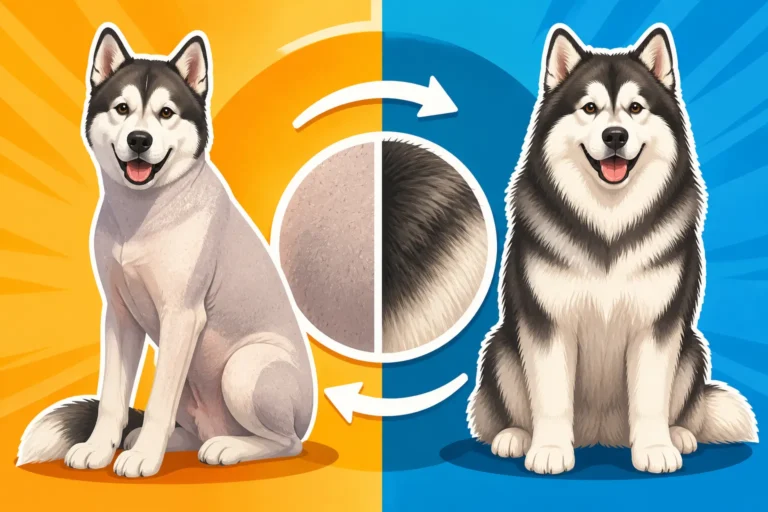
Imagine their ancestors, working tirelessly in the unforgiving Arctic landscape, pulling heavy freight across frozen expanses. Their coats are not just "thick"; they are engineered for extreme insulation. The soft, dense undercoat acts like a thermal blanket, trapping air and providing warmth, while the coarser guard hairs form a protective, water-repellent outer layer. This incredible design kept them alive and working in temperatures that would send most other breeds shivering back indoors.
However, this magnificent adaptation means they struggle to dissipate heat effectively when temperatures are mild, let alone hot. They don't sweat like humans do; their primary method of cooling is panting, which is far less efficient, and through the pads of their feet. When the air around them is already hot and humid, panting becomes less effective at exchanging heat, and they can quickly overheat. This isn't a flaw in their design, but rather a perfect design for a completely different environment than many of us live in. Owners often find themselves thinking, "If only they could shed all their fur!" but that deep undercoat is stubbornly persistent, even during major coat blows. The Alaskan Malamute Is Alaska's State Dog is a testament to their heritage, reminding us of the extreme conditions they were bred for.
The Dangers of Overheating
The consequences of overheating in an Alaskan Malamute are serious, ranging from discomfort to life-threatening emergencies. It's not just about a dog being a bit warm; heatstroke can lead to organ failure, brain damage, and even death if not addressed rapidly. Early signs can be subtle: excessive panting, drooling, a rapid heart rate, and sometimes a bright red tongue or gums. As it progresses, you might see weakness, disorientation, vomiting, diarrhea, or even collapse and seizures.
Many owners underestimate just how quickly a Malamute can go from "a bit warm" to "critical condition." A short walk on a sunny day, even if it doesn't feel that hot to you, can be enough. Leaving them in a parked car, even with windows cracked, is absolutely deadly. Even just being in a warm house without adequate cooling can put them at risk. This is why vigilance is key, and why proactively seeking cooling solutions like a kiddie pool is so vital for their well-being. Knowing Signs an Alaskan Malamute Is Too Hot can make all the difference in intervening early.
The Appeal of the Kiddie Pool: More Than Just Play
When you see your Malamute happily submerged in a kiddie pool for what seems like an eternity, it's not just because they're enjoying a splash. There's a deep, instinctive drive behind this behavior, fulfilling both their physiological need for cooling and their mental desire for comfort.
Instant Cooling and Heat Dissipation
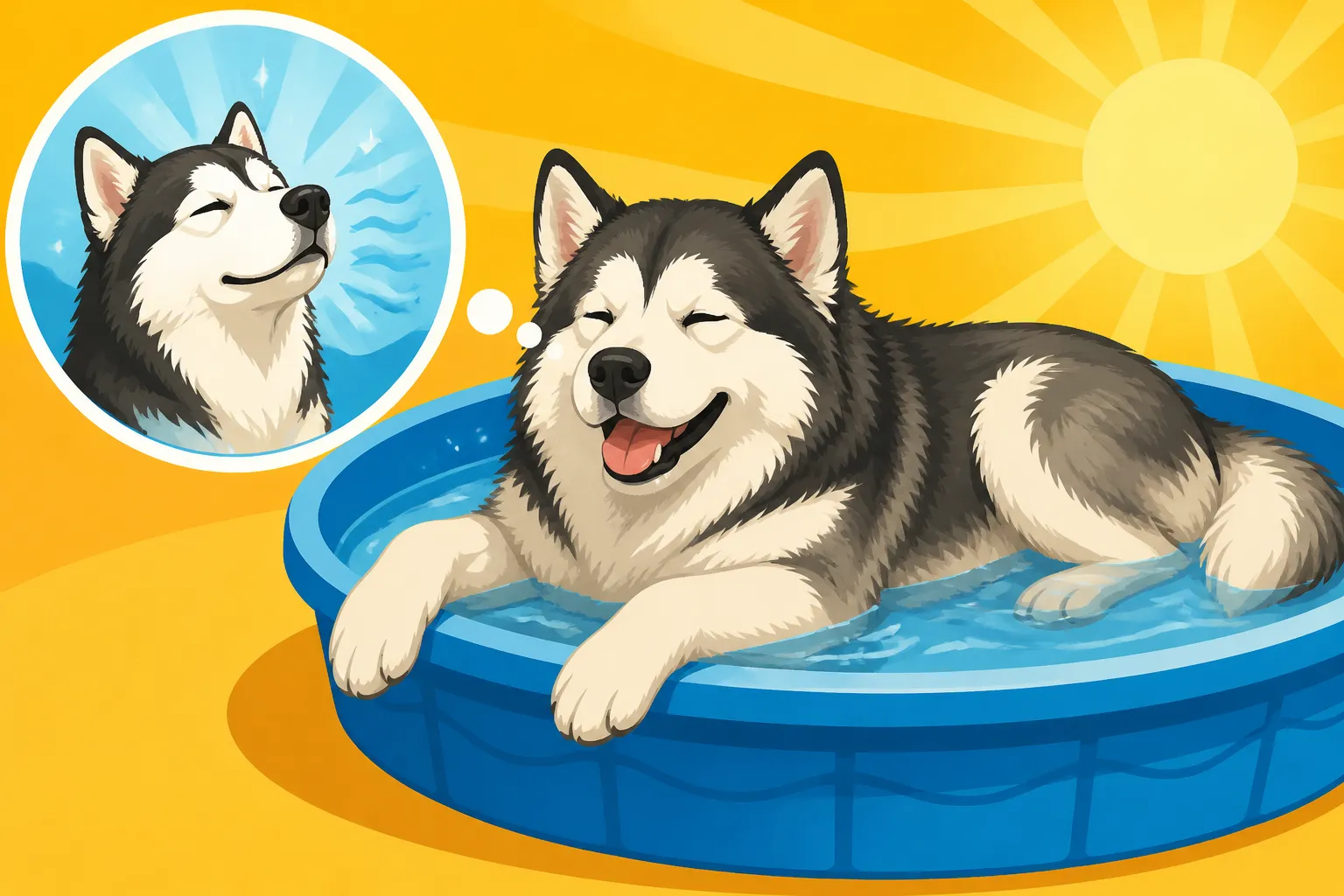
A kiddie pool provides immediate, direct contact cooling that panting alone simply cannot achieve. Water is incredibly effective at conducting heat away from the body. When your Malamute lies in cool water, particularly with their belly and paws submerged, the water draws heat away from their major blood vessels, effectively lowering their core body temperature. Think of it like a giant, full-body cold pack. This is far more efficient than simply drinking water or lying on a cool tile floor, as it maximizes the surface area for heat exchange.
For a dog with such a dense coat, getting the skin cool is paramount, and water immersion does this beautifully. Many Malamutes will not just stand in the water; they will lie down, sometimes even submerging their chest and neck, instinctively targeting the areas where cooling is most effective. This relief is palpable; you'll often see their panting subside, their muscles relax, and a look of pure contentment spread across their face. It’s not a luxury; it’s a necessary tool in their summer survival kit, especially when considering How to Cool an Overheated Alaskan Malamute.
Mental Enrichment and Stress Relief
Beyond the physical benefits, the kiddie pool offers significant mental and emotional relief. For a Malamute, the summer heat can be a source of constant, low-level stress. They might feel lethargic, uncomfortable, and unable to engage in their usual activities. The pool provides an accessible, enjoyable escape from this discomfort. It's a sanctuary where they can truly relax and feel like themselves again.
The act of splashing, playing with toys in the water, or simply lounging in the cool depths can be incredibly enriching. It stimulates their senses, offers a fun activity when strenuous exercise isn't safe, and helps alleviate boredom that often sets in when outdoor activities are curtailed due to heat. For many Malamutes, it becomes part of their daily routine during warm weather, a predictable source of joy and comfort. It gives them a "job" of sorts – to simply be cool. You might find durable water-friendly toys on Chewy or Amazon to enhance their pool experience.
Setting Up the Perfect Malamute Oasis
Creating a safe and inviting kiddie pool setup for your Malamute requires a bit of thought. It's not just about throwing water in a plastic tub; optimizing the environment ensures maximum comfort and minimizes potential hazards.
Choosing the Right Pool and Location
When selecting a kiddie pool for your Malamute, durability is paramount. Forget the flimsy inflatable pools; a Malamute's strong claws and playful nature will shred them in minutes. Look for hard plastic kiddie pools or even rigid, portable dog pools designed for durability. Sizes vary, but ideally, you want a pool large enough for your Malamute to lie down comfortably with their entire body, or at least their torso and hindquarters, submerged. For a large male Malamute, this might mean a pool that's 6-8 feet in diameter and at least 10-12 inches deep. You can often find suitable options at local hardware stores or online retailers like Chewy or Amazon.
Location is equally important. Placing the pool in a shaded area, such as under a tree or a patio umbrella, will keep the water cooler for longer and protect your Malamute from direct sun exposure while they're relaxing. Direct sunlight will heat the water quickly, negating its cooling effect. Consider proximity to a water source for easy refills and drainage, and ensure the area is relatively flat to prevent tipping. Remember, The Temperature at Which a Malamute Should Stay Indoors isn't just about the indoor temperature; it's about making sure their outdoor spaces are also safe and cool.
Maintaining Hygiene and Safety
A kiddie pool, while a blessing, can quickly become a breeding ground for bacteria and algae if not properly maintained. Regular cleaning is non-negotiable. Aim to change the water daily, or at least every other day, especially if your Malamute is prone to tracking in dirt or if they drink from the pool. A simple scrub with a brush and dog-safe cleaner (or just hot water and a little vinegar) after draining will keep it fresh. Don't use harsh chemical cleaners that could irritate their skin or be ingested.
| Pool Type | Pros | Cons | Ideal For |
|---|---|---|---|
| Hard Plastic Shell | Durable, easy to clean, affordable | Can be bulky, limited sizes | Medium to large Malamutes, permanent outdoor placement |
| Foldable Dog Pool | Portable, durable material, easy storage | Higher cost, may not be as rigid for very large dogs | Travel, temporary setups, larger Malamutes needing space |
| Stock Tank (Metal/Plastic) | Extremely durable, large capacity, deep | Heavy, less aesthetically pleasing, higher cost | Multiple Malamutes, very large Malamutes, long-term outdoor use, serious diggers |
| Inflatable (Heavy Duty) | Comfortable edges, good for puppies | Still susceptible to punctures | Puppies, senior Malamutes with joint issues (if puncture-proof) |
Beyond cleanliness, ensure the pool is placed on a non-slip surface if possible, or on grass. Supervise young puppies or senior Malamutes to ensure they can easily get in and out. Always provide fresh drinking water nearby, as the pool water is primarily for cooling, not necessarily for hydration, though they may drink from it. Regularly check for any sharp edges or cracks that could injure your dog.
Beyond the Pool: Other Cooling Strategies
While the kiddie pool is a fantastic tool, it's just one piece of the puzzle when it comes to keeping your Alaskan Malamute cool and safe through the warmer months. A multi-faceted approach is best to ensure their comfort and prevent dangerous overheating.
Timing Exercise and Providing Shade
One of the most crucial adjustments for Malamute owners in warm weather is altering their exercise routine. Gone are the midday romps and long afternoon hikes. Instead, shift all strenuous activity to the very early morning hours or late in the evening once the sun has set and temperatures have significantly dropped. Even then, keep an eye on humidity, as high humidity can make even cooler temperatures feel much hotter and hinder their ability to cool off through panting. Short, leashed walks around the block might be all they can handle safely during peak summer. Remember, Why a Malamute Should Not Walk at Midday is not just advice; it's a critical safety warning.
When your Malamute is outdoors, always ensure they have constant access to shade. This might mean planting trees, installing shade sails, or simply having a sturdy canopy or dog house available. The ground itself can retain significant heat, so shade helps keep the ambient temperature lower. Many Malamutes will instinctively seek out the coolest spot, often digging shallow "cool pits" if permitted, but providing ample natural or artificial shade is paramount. And on truly hot days, How Long an Alaskan Malamute Can Be Outside at Ninety Degrees is a trick question: not long at all, ideally they should be indoors.
Hydration and Dietary Considerations
Keeping your Malamute well-hydrated is absolutely non-negotiable. Always have multiple sources of fresh, cool water available, both indoors and outdoors. Consider using large, heavy-duty ceramic or stainless steel bowls that won't tip over and can be refilled easily. Some owners even use multiple bowls throughout the house and yard. Adding ice cubes to their water can entice them to drink more and keep the water cooler longer. For an added hydration boost, you can offer frozen treats like ice cubes made from diluted chicken or beef broth, or even frozen carrots and apple slices. Companies like Ollie, known for fresh pet food, often have recipes that are higher in moisture content, which can contribute to overall hydration.
Dietary adjustments can also play a small role. While you shouldn't drastically change their core diet without vet consultation, some owners find feeding slightly smaller meals during the hottest parts of the day, or shifting their main meal to cooler evening hours, can help reduce the metabolic heat generated by digestion. Avoid excessive high-fat foods in general during hot weather, as these can take more energy to digest. Just like humans, a Malamute's appetite can wane in the heat, so don't be alarmed if they eat a little less. The priority remains keeping them cool, hydrated, and safe, perhaps with a cooling vest sourced from Amazon on particularly oppressive days.
Disclaimer
This article is for general informational purposes only and does not constitute professional advice. Laws, prices and regulations vary by location and change over time. Consult a qualified professional for guidance on your specific situation.