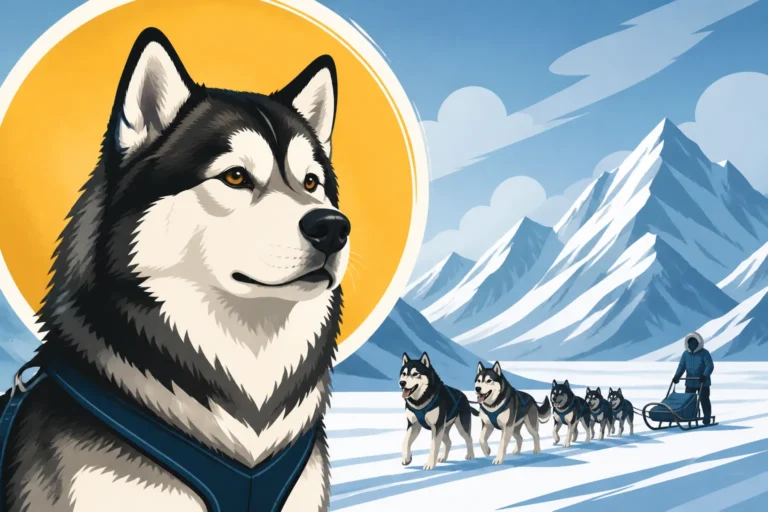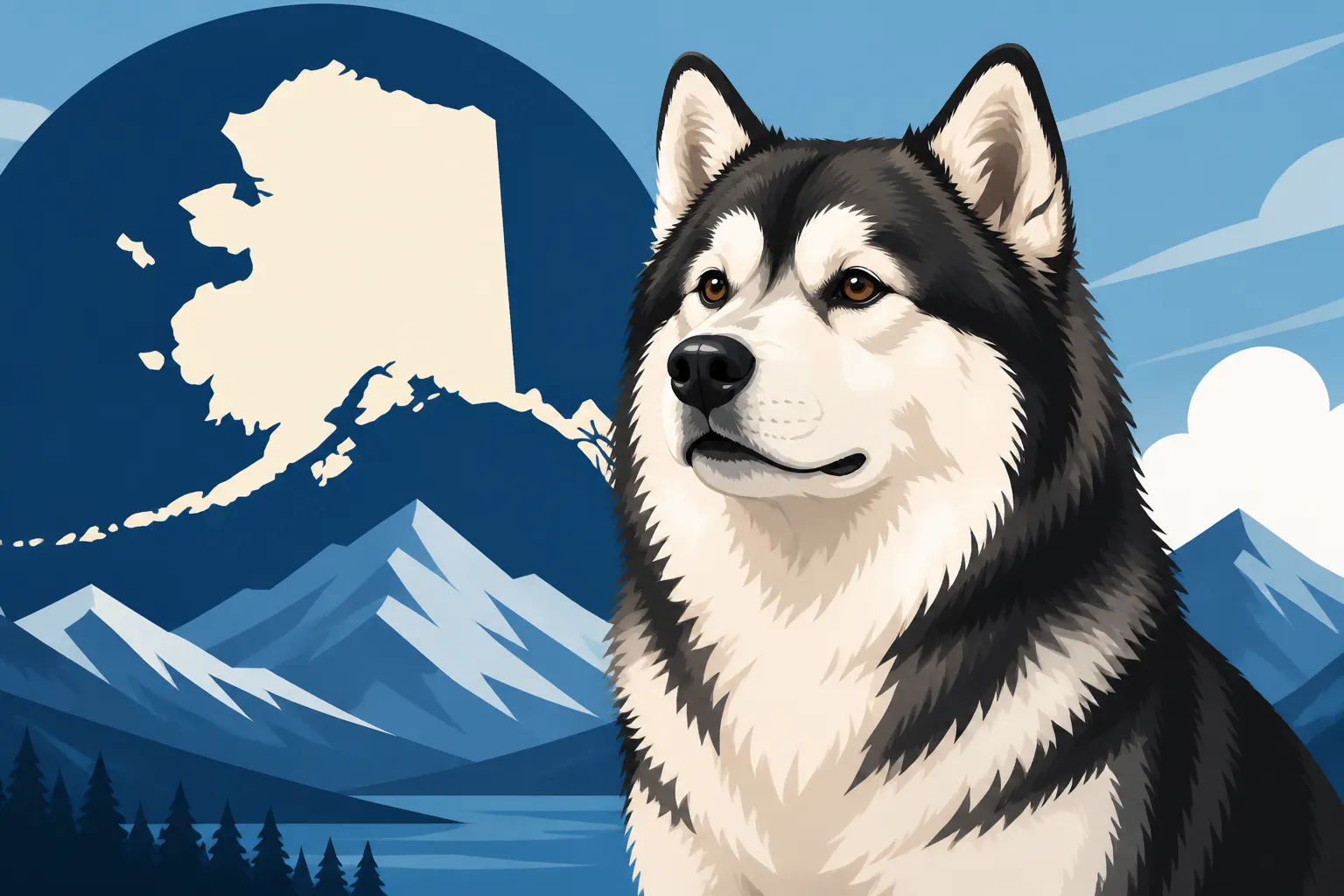
The Alaskan Malamute Is Alaska’s State Dog
Many people adore the Alaskan Malamute for its striking appearance and majestic presence, but few truly grasp the profound historical and cultural significance this magnificent breed holds. It's not just another pretty face; the Alaskan Malamute is, in fact, Alaska's official state dog, a recognition that speaks volumes about its enduring legacy and integral role in the very fabric of the Last Frontier. This comprehensive guide will explore the deep reasons behind this honor, delving into the breed's storied past, its physical and behavioral traits, and what it truly means for this powerful companion to be forever etched into the identity of Alaska.
The Journey to State Dog Status
The path for the Alaskan Malamute to become Alaska's official state dog was not just a symbolic gesture; it was a deeply felt recognition of its unwavering contribution to the state's development and survival. Unlike many state animals chosen for their ecological significance or simple beauty, the Malamute earned its place through generations of hard, honest work alongside humans in some of the most unforgiving environments on Earth.
Historical Advocacy and Public Support
The movement to designate the Alaskan Malamute as the state dog wasn't a sudden political whim. It built up over decades, fueled by passionate Alaskans who understood the breed's unparalleled importance. These were people who had lived and worked alongside Malamutes, seen their strength, intelligence, and loyalty firsthand. For them, the idea of any other dog representing Alaska was simply unthinkable. They knew that the Malamute embodies the very spirit of the state: resilience, hard work, and an unyielding spirit in the face of adversity. This wasn't about choosing the fastest or the flashiest dog; it was about honoring the most steadfast and reliable partner.
The advocacy often started at the grassroots level, in small communities where the dog's role in daily life was undeniable. Schoolchildren, taught about the history of their state, frequently championed the Malamute in civics projects, bringing their enthusiasm to their parents and local representatives. This groundswell of support was crucial, demonstrating that the recognition wasn't just for a niche group of dog fanciers, but a widespread sentiment across the state. They understood that to talk about Alaska's history was to talk about its sled dogs, and preeminently, the Alaskan Malamute.
Official Recognition and Legislative Process
The legislative process for the Malamute to gain its official title involved various discussions and debates, reflecting the democratic spirit of the state. It wasn't just a matter of signing a bill; it was about formally acknowledging a heritage. The bill proposing the Malamute as the state dog highlighted its historical contributions to exploration, transportation, and daily life for Alaska Natives and early settlers alike. Lawmakers considered the testimony of mushers, historians, and dog enthusiasts, all of whom painted a picture of a dog indispensable to the Alaskan way of life.
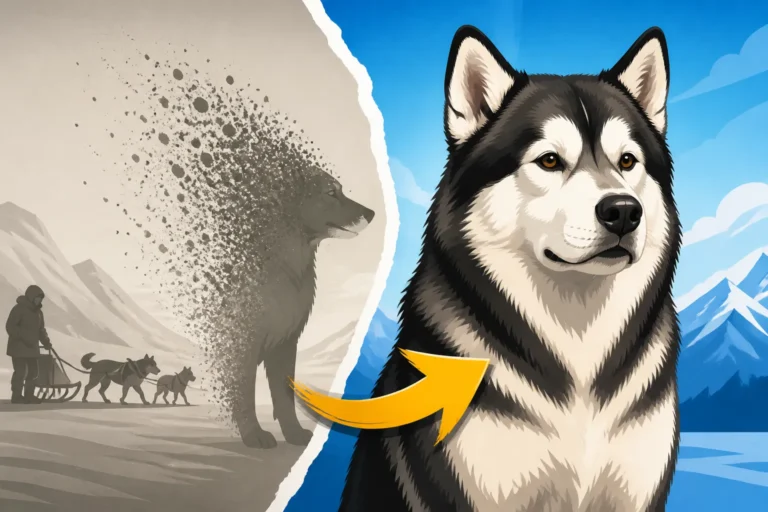
Finally, in 1972, the Alaskan Malamute officially received its well-deserved recognition, cemented in the state's statutes. This act wasn't just about giving a dog a title; it was about enshrining a piece of Alaskan identity. It acknowledged that the Malamute was more than a breed; it was a living monument to the spirit of the state, a symbol of perseverance, and a loyal companion that helped shape Alaska into what it is today. This designation serves as a constant reminder of the breed's profound historical impact and its continuing connection to the Alaskan landscape and its people.
More Than Just a Symbol: The Malamute's Enduring Role in Alaskan Life
While the title "state dog" is largely symbolic today, it’s rooted in a very practical past. The Alaskan Malamute wasn’t just pretty to look at; it was a vital tool for survival, and its characteristics continue to resonate deeply with the Alaskan spirit. This breed embodies the resilience, strength, and unwavering determination required to thrive in the harsh northern environment.
Indispensable for Transportation and Survival
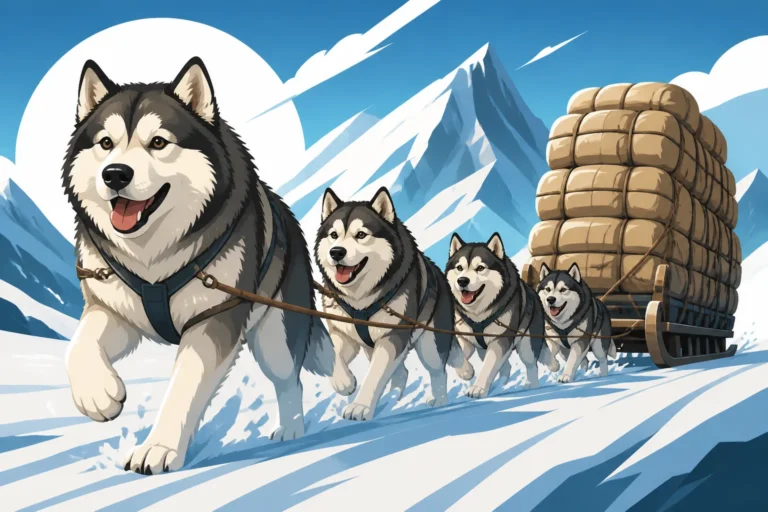
Before snowmobiles, bush planes, and paved roads reached every corner of Alaska, the Malamute was the horsepower of the north. They were the original heavy-duty transporters, capable of pulling incredible loads over vast distances, day after day, in brutal cold. This wasn’t about racing; it was about freighting essential supplies – food, equipment, medicines – to isolated communities, or bringing trappers' furs back to market. A team of Malamutes wasn't a luxury; it was the lifeline that connected communities and ensured survival.
Imagine a winter journey across the vast, frozen landscape of Alaska. Without these dogs, the early Mahlemut people and later prospectors and settlers would have been utterly isolated. The Malamute's dense double coat offered protection against extreme cold, while their broad, strong bodies were perfectly designed for sustained, powerful pulling. They might not have been the fastest, but they were the most reliable, a testament to their strength and endurance. The breed truly excelled at Freight, Not Speed: What Separates a Malamute From a Racing Dog, making them indispensable.
Connection to Indigenous Cultures and Heritage
The history of the Alaskan Malamute is inextricably linked to the Mahlemut people of the Kotzebue Sound region, who meticulously developed and cared for these dogs for centuries. They weren't just animals; they were integral members of the tribe, relied upon for hunting large game like seals and bears, as well as for moving camp and supplies. The Mahlemut recognized and fostered the traits that made these dogs so successful: their strength, endurance, and pack mentality. This deep connection is why we say that The Mahlemut of Kotzebue Sound Bred the Alaskan Malamute.
The Malamute's role extended beyond mere utility; they were companions, protectors, and even helped locate essential food sources. For instance, the dogs were crucial for How a Malamute Found Seals for the Mahlemut, a skill that directly impacted the tribe's sustenance. Their very existence was interwoven with the survival and cultural practices of the indigenous people. When we talk about the Malamute being Alaska's state dog, we're not just talking about a modern designation; we're honoring thousands of years of shared history and partnership between humans and canines in the harshest of climates. This heritage is what gives the Malamute its deep resonance in Alaska today.
The Mahlemut People and the Breed's Origins
To understand the Alaskan Malamute, you must first understand the Mahlemut people. This wasn't a breed created in a kennel for show; it was forged by necessity and refined through generations of partnership in the extreme conditions of the Arctic. The Mahlemut developed a dog perfectly suited to their way of life, and in doing so, created a legacy that endures to this day.
Life in Kotzebue Sound and Canine Partnership
The Mahlemut people lived in the harsh environment of the Kotzebue Sound, a region of northwest Alaska defined by long, dark winters and vast, frozen landscapes. Survival depended on effective hunting, fishing, and efficient transportation across snow and ice. They needed dogs that could not only survive in these conditions but thrive. The Malamute wasn't just a pet; it was a fellow worker, a partner in the truest sense of the word. They worked tirelessly, pulling heavy loads, often for days on end, through blizzards and over treacherous terrain.
This symbiotic relationship meant that the dogs were incredibly valued. They were fed, cared for, and lived in close proximity to the Mahlemut families. This closeness likely fostered the Malamute's famously social and gentle nature with people, contrasting with its strong prey drive and independent streak. The Mahlemut understood that the well-being of their dogs directly impacted their own survival. This wasn't a casual arrangement; it was a bond of mutual respect and absolute dependence, a testament to the fact that The Mahlemut of Kotzebue Sound Bred the Alaskan Malamute.
Natural Selection and Purposeful Breeding
The breeding of the Alaskan Malamute was a fascinating blend of natural selection and deliberate human intervention. The environment itself was a powerful selector: only the strongest, healthiest, and most enduring dogs could survive and reproduce. Dogs with poor coats, weak constitutions, or insufficient drive to work simply wouldn't make it. But beyond nature's harsh hand, the Mahlemut people practiced selective breeding based on the traits most valuable to them. They favored dogs with immense strength, incredible endurance, a thick double coat, good snowshoe-like paws, and a calm, cooperative temperament when working in a team.
They weren't looking for speed, but for power and stamina to pull heavy freight. Dogs that were aggressive towards their human handlers, or unreliable within a team, would have been culled or not bred. This meticulous, albeit informal, breeding program over centuries resulted in the distinct and highly specialized Alaskan Malamute we know today. Their focus was entirely on functionality, producing a dog that was perfectly engineered for the demands of Arctic survival and heavy hauling. This process of selection created a dog with specific physical attributes, such as a sturdy build, a deep chest, and large, well-padded feet designed for traction on snow and ice, unlike more lightly built racing dogs.
Distinguishing Features: What Makes the Malamute The Malamute
The Alaskan Malamute possesses a suite of physical and behavioral traits that set it apart, making it uniquely suited to its historical role and its status as Alaska's state dog. These characteristics are not merely aesthetic; they are the result of centuries of natural selection and purposeful breeding for specific tasks in a harsh environment.
Physical Attributes for Arctic Survival
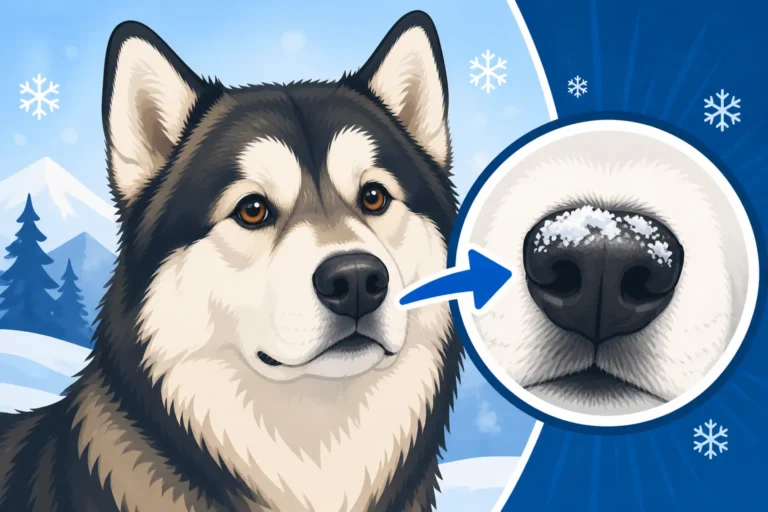
From nose to tail, the Alaskan Malamute is built for the Arctic. Their most iconic feature is their magnificent double coat. The outer coat is thick, coarse, and stands off the body, designed to shed snow and repel water. Beneath it lies a dense, woolly undercoat, sometimes an inch or two thick, providing incredible insulation against sub-zero temperatures. This coat is why they tolerate cold so well, but also why summers can be a challenge. Owners often find themselves battling the epic "coat blow," when vast amounts of undercoat are shed, requiring diligent grooming, perhaps with products found on sites like Chewy.
Their strong, muscular body is broad and deep-chested, built for power rather than speed. This substantial build means What an Alaskan Malamute Actually Weighs can be impressive. Their paws are another marvel of adaptation: large, well-cushioned, and compact, they act like snowshoes, providing excellent traction and preventing snow from clumping between the toes. The Malamute's tail, often described as a "plume" or "waving plume," curls over its back, serving a practical purpose of wrapping around the nose and face for warmth while sleeping in extreme cold. These are all features that mark it as a true northern breed.
Temperamental Traits: Strength, Independence, and Affection
The Malamute's temperament is as robust as its physical build, reflecting its origins as a working dog that needed to make independent decisions in challenging conditions. They are intelligent, strong-willed, and notoriously independent. This isn't stubbornness in the malicious sense, but rather a capacity for self-reliance developed over generations where making a bad decision could mean the difference between life and death for the entire team, including their human companions. This independence means training requires patience, consistency, and a strong understanding of positive reinforcement. Forceful methods are often met with equal and opposite resistance, as Why Force Fails on an Alaskan Malamute illustrates.
Despite their powerful build and independent nature, Malamutes are incredibly affectionate with their human families. They thrive on companionship and are known for their gentle disposition towards children, earning them the nickname "nature's babysitters." However, their strong prey drive, inherited from their hunting ancestors, means they often view smaller animals, including cats or small dogs not raised with them, as prey. This makes owning An Alaskan Malamute in a Home With Cats or Small Dogs a significant commitment, often requiring careful management and early, extensive socialization. While they love their people fiercely, their innate drive to explore and roam means that a reliable recall is practically impossible, and they should never be trusted off-leash, a truth that many owners learn the hard way: Why an Alaskan Malamute Will Never Have a Reliable Recall.
Here's a quick comparison of key Malamute traits:
| Trait | Alaskan Malamute Description | Comparison to other Sled Dogs (e.g., Siberian Husky) |
|---|---|---|
| Primary Function | Heavy freighting, endurance, strength | Speed, agility, lighter loads |
| Build | Broad, deep chest, heavy bone, powerful musculature | More athletic, leaner, built for speed |
| Coat | Dense, coarse double coat, very thick undercoat | Thick double coat, but often less dense/woolly |
| Temperament | Independent, strong-willed, affectionate, high prey drive | Independent, playful, often less intense prey drive |
| Energy Level | High for endurance activities, can be calm indoors with enough exercise | Very high, requires constant mental and physical stimulation |
| Barking/Vocalizations | Generally quiet, known for "wooing" and howling | More vocal, prone to barking and complex vocalizations |
| Size | Larger, more substantial, can weigh significantly more | Smaller, lighter |
The Alaskan Malamute's Legacy in Exploration and War
Beyond the borders of Alaska, the Malamute's strength, endurance, and remarkable adaptability made them invaluable assets in some of humanity's most ambitious and challenging endeavors: polar exploration and military service. Their contribution to these monumental feats cemented their place in history as heroes of the canine world.
Pioneers of Polar Exploration
When explorers set their sights on the desolate, icy expanses of the Arctic and Antarctic, they needed reliable partners. The Alaskan Malamute, with its unparalleled ability to withstand extreme cold and pull heavy sleds over vast, featureless terrain, was the obvious choice. Great names in polar exploration like Robert Peary, Roald Amundsen, and Richard Byrd all recognized the Malamute's indispensable qualities. These dogs weren't just transport; they were part of the crew, essential for carrying supplies, equipment, and even geological samples across frozen wastes where no other form of transport was possible.
Peary's expeditions to the North Pole, though controversial in their claims, heavily relied on the brute strength and resilience of sled dogs. Amundsen, the first to reach the South Pole, famously used dog teams—though some were Greenland dogs, the type of robust, freighting dog exemplified by the Malamute was crucial to his success. Byrd's Antarctic expeditions also utilized these powerful canines to establish bases and conduct scientific research in the harshest environment on Earth. These incredible journeys are a testament to how Peary, Amundsen and Byrd Took Malamutes to the Poles, pushing the boundaries of what was thought possible for both humans and dogs.
Wartime Service and Heroics
The Malamute's service wasn't limited to exploration. During World War II, their unique capabilities were again called upon. The US Army needed robust, cold-hardy dogs for search and rescue missions, for hauling supplies in frigid conditions, and for guard duty in remote outposts. The Alaskan Malamute stepped up, joining what was known as the "War Dog Corps." They served with distinction, their strength and endurance proving invaluable in operations across various theaters, particularly in the unforgiving cold of the Arctic.
These dogs often performed tasks that mechanical transport simply couldn't handle, navigating treacherous snow and ice to deliver crucial equipment and retrieve wounded soldiers. Their loyalty and intelligence, combined with their sheer physical prowess, made them exceptional military working dogs. While their direct involvement in combat was limited, their support roles were critical to the success of many operations. Their unwavering courage and strength under pressure exemplified the dedication and resilience that defined these canine heroes. Their wartime contributions are a proud chapter in the breed's history, showcasing their versatility and unwavering spirit.
Comparing the Malamute to Other Sled Dogs
In the vast world of sled dogs, the Alaskan Malamute stands in a league of its own, particularly when compared to its close cousin, the Siberian Husky. While both are iconic northern breeds, their historical purposes and resulting physical and temperamental traits are distinct, highlighting why the Malamute was singularly chosen as Alaska's state dog.
Malamute vs. Siberian Husky: A Tale of Two Purposes
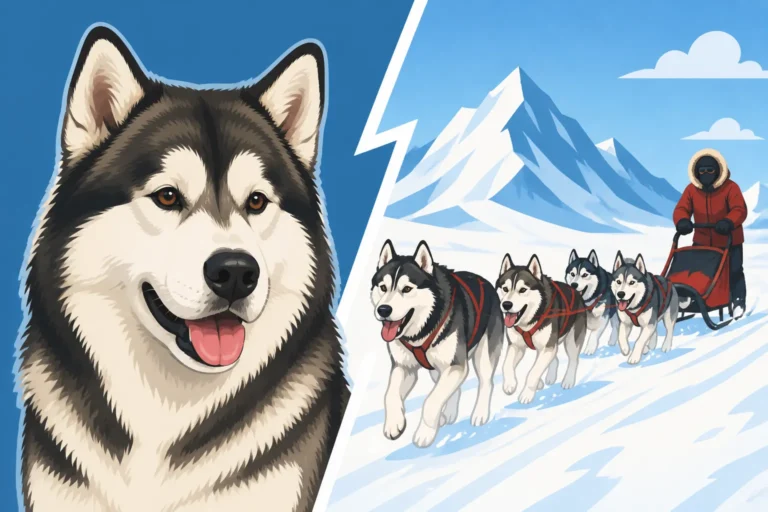
Often confused due to their wolf-like appearance and similar origins, the Alaskan Malamute and the Siberian Husky were bred for entirely different tasks. The Malamute was the "freighter," built for power, endurance, and hauling heavy loads over long distances at a steady, sustained pace. Think of a tractor – powerful, robust, and designed for heavy work. Their structure, What an Alaskan Malamute Actually Weighs, and overall build reflect this purpose, with a deeper chest, heavier bone, and larger paws. They were bred for situations where breaking through deep snow with a heavy sled was paramount.
The Siberian Husky, on the other hand, was bred for speed and agility, primarily for light freight and racing over moderate distances. They are the "race cars" of the sled dog world – faster, lighter, and more nimble. This difference in purpose is clearly seen in their physical builds and energy levels. While both are incredibly athletic, the Husky typically has a more refined bone structure and a somewhat lighter build. Understanding this fundamental difference is key to appreciating why The Alaskan Malamute Against the Siberian Husky is a distinct comparison rather than an interchangeable one. For instance, when it comes to diet, a working Malamute might need specific fuel to maintain its powerful musculature, whereas a racing Husky might prioritize different caloric needs.
Why the Malamute Embodies the Alaskan Spirit
The Malamute's role as Alaska's state dog isn't just arbitrary; it's a testament to its embodiment of the state's enduring values. Alaska is a place of raw power, immense challenges, and a pioneering spirit. The Malamute, with its strength, endurance, and ability to tackle formidable obstacles, perfectly mirrors these characteristics. It's a dog that doesn't shy away from hard work, thrives in adversity, and possesses an inherent dignity.
Its history with the Mahlemut people and its role in exploration speak to the resilience and self-reliance necessary for survival in the north. The Malamute isn't fragile or finicky; it's a robust, capable animal that exemplifies the tenacity of those who settled and built Alaska. While other sled dogs like the Siberian Husky are celebrated for their speed and grace, it's the Malamute's sheer power and unwavering commitment to the task at hand that resonate most deeply with Alaska's identity. It's the dog that got the job done, no matter how tough the conditions, which is why The Alaskan Malamute Is Alaska's State Dog carries such meaning. They are living symbols of perseverance, loyalty, and the rugged beauty of the Alaskan wilderness.
What Being a State Dog Means for the Breed
Being officially recognized as Alaska's state dog carries more than just ceremonial weight; it brings increased visibility, a responsibility to uphold the breed's integrity, and a focus on preserving its unique heritage. This designation helps ensure the Alaskan Malamute's story continues to be told and understood by future generations.
Increased Visibility and Public Awareness
The status of "state dog" naturally elevates the Alaskan Malamute's profile, both within Alaska and across the world. It means the breed is featured in state educational materials, tourism campaigns, and historical commemorations. This increased visibility introduces the Malamute to a wider audience, many of whom might otherwise be unaware of its rich history and specific characteristics. For example, visitors to Alaska might see Malamute statues or images and be prompted to learn more about the breed's contributions to the state's development.
This awareness isn't just about general knowledge; it also serves to educate potential owners about the unique needs and traits of the breed. People might be drawn to the majestic appearance, but the state dog status encourages a deeper dive into their powerful drive, grooming requirements, and independent nature. This can, ideally, lead to more responsible ownership, ensuring that people understand they are bringing home a dog with centuries of working heritage, not just a fluffy companion. Resources for Malamute owners are plentiful, including online retailers like Chewy where specialized food, grooming tools for their massive coats, or even sturdy toys to withstand their powerful jaws can be found.
Responsibility for Preservation and Ethical Breeding
With the honor of being a state symbol comes the responsibility for its preservation. This designation underscores the importance of ethical breeding practices that maintain the Malamute's historical type, health, and temperament. Reputable breeders and breed clubs often feel an enhanced duty to ensure that the breed's foundational qualities, honed by the Mahlemut people for specific purposes, are not diluted or compromised. This means careful attention to genetic health, ensuring that dogs are screened for conditions prevalent in the breed, such as hip dysplasia or inherited eye conditions.
The focus is on producing sound, healthy Malamutes that can still perform the tasks they were bred for, even if they live as cherished family pets. The health of the breed, including aspects like The Ten to Fourteen Years an Alaskan Malamute Lives, becomes a focal point. Organizations like the Alaskan Malamute Club of America play a crucial role in setting standards and promoting responsible breeding. They work to protect the breed from trends that might prioritize appearance over health or temperament, ensuring that the true Alaskan Malamute continues to thrive as a testament to its heritage.
Living with an Alaskan Malamute: Bringing the History Home
Bringing an Alaskan Malamute into your home means embracing a living piece of Alaskan history. These aren't just dogs; they are companions with ancient instincts, immense power, and a heart full of affection. Understanding their unique needs is crucial to providing them with a fulfilling life.
Exercise Needs and Mental Stimulation
Remember, the Malamute was bred to work, to pull heavy loads for miles on end. This inherent drive doesn't disappear just because they're living in a suburban home. They require substantial daily exercise – not just a leisurely walk around the block. Think long hikes, vigorous games of fetch, or even activities like cani-cross or weight pulling, which taps into their natural inclination to haul. Pulling Is the Only Job an Alaskan Malamute Really Wants is more than a catchy phrase; it's a deep-seated instinct. Failing to provide adequate physical and mental stimulation often leads to destructive behaviors, as a bored Malamute will find its own "job," which might involve redesigning your landscaping or furniture.
Beyond physical exertion, Malamutes are intelligent and need mental challenges. Puzzle toys, training sessions that keep them engaged (even if it's just for short, fun bursts, as repetition can bore them), and opportunities for exploration are vital. Simply letting them out in the yard isn't enough; they need to do things. A frustrated Malamute is a destructive Malamute, and you'll quickly discover What a Malamute Destroys Before It Turns Two if their needs aren't met. Regularly rotating sturdy toys, perhaps from a selection like those available on Chewy, can help keep them mentally stimulated and save your belongings.
Grooming and Environmental Considerations
That magnificent double coat, so essential for Arctic survival, becomes a significant grooming commitment in a domestic setting. Malamutes "blow their coat" at least twice a year, sometimes more, shedding an astonishing amount of undercoat in a relatively short period. During these times, daily brushing with a good undercoat rake is not just recommended, it's mandatory if you want to maintain your sanity and avoid being buried in Malamute fluff. Outside of coat blows, regular brushing helps manage shedding and keeps their skin healthy.
Because of their thick coats, Malamutes are built for cold weather and can overheat very easily in warmer climates or during strenuous exercise on a hot day. It's critical for owners to be vigilant about signs of overheating and adjust their exercise routine accordingly. Walks should be in the cooler parts of the day, and access to shade and fresh water is paramount. Understanding that Summer Is the Season That Kills Alaskan Malamutes is not hyperbole but a critical warning. Providing a cool environment, whether through air conditioning or outdoor shade and water, is essential for their well-being. Their bodies are incredibly efficient at retaining heat, which also explains The Efficient Metabolism That Surprises Every New Malamute Owner and why they might not need as much food as their size suggests, especially if they aren't working hard.
Disclaimer
This article is for general informational purposes only and does not constitute professional advice. Laws, prices and regulations vary by location and change over time. Consult a qualified professional for guidance on your specific situation.