What an Alaskan Malamute Actually Weighs
One of the most common questions and, frankly, sources of confusion for new and even seasoned Alaskan Malamute owners revolves around their dog's size and, more specifically, their weight. You see these magnificent, powerful dogs and often assume they're all massive, but the reality is more nuanced than a simple number on a scale. This guide aims to demystify what an Alaskan Malamute actually weighs, delving into breed standards, growth patterns, and the many factors that contribute to a healthy, balanced Malamute.
The Alaskan Malamute Breed Standard: More Than Just a Number
When we talk about an Alaskan Malamute's weight, the first place many people look is the breed standard. This isn't just some arbitrary set of numbers; it's a blueprint developed over generations to describe the ideal Malamute for its original purpose: a powerful, enduring freighting dog. Understanding this standard is key to appreciating the breed's unique build.
The Ideal Weight Range for Males and Females
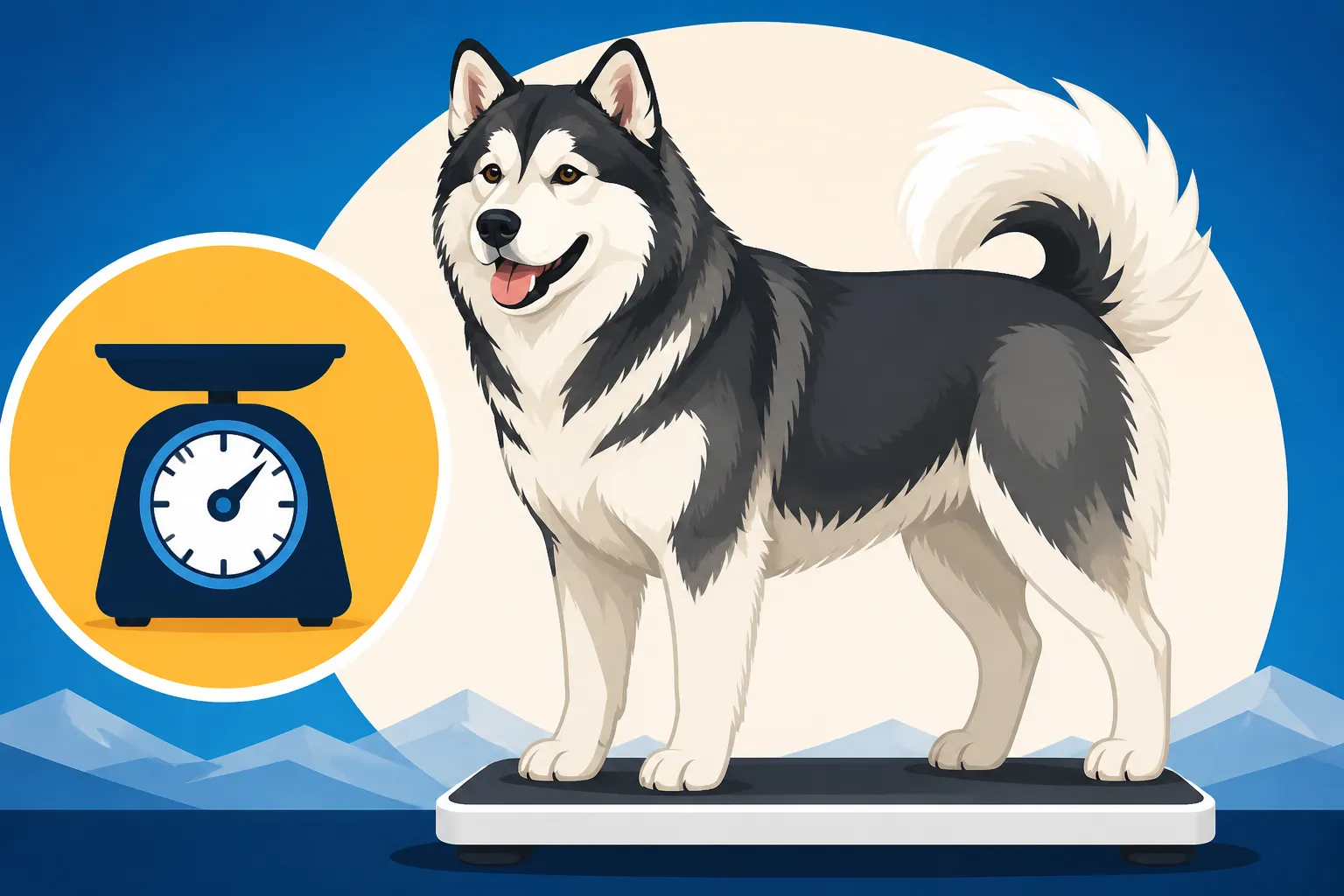
The official breed standard sets forth a clear ideal for Alaskan Malamutes. For a male, the desirable weight is around 85 pounds, with a height of 25 inches at the shoulder. Females, being slightly smaller, typically aim for 75 pounds and 23 inches at the shoulder. These figures are not maximums or minimums but rather a representation of the ideal balance of substance, bone, and muscle that allows a Malamute to perform its arduous job of pulling heavy loads over long distances.
It's crucial to understand that these numbers represent a picture of proportion. A Malamute isn't just a collection of pounds; it's a finely tuned athlete designed for strength and stamina. The standard describes a deep-chested, heavily boned dog, powerfully built without being clumsy. When a Malamute hits these ideal marks, it's not simply heavy; it's substantial, possessing the robust framework necessary for its demanding work. Deviations from this ideal, particularly at extremes, can start to affect the dog's functional ability, even if they might still look impressive to an untrained eye.
Why the Standard Matters and What it Doesn't Mean
The breed standard serves as a critical guide for ethical breeders, helping them select breeding pairs that will consistently produce healthy, functional offspring true to the breed's heritage. It's about preserving the characteristics that define the Alaskan Malamute. When breeders strive for the standard, they're not just aiming for a trophy; they're aiming for soundness, ensuring the dog has the correct structure to live a full, active life without undue strain on its body.
However, the standard is not a rigid rule that every single Malamute must perfectly adhere to. An individual Malamute can be perfectly healthy, happy, and well-adjusted while weighing a few pounds more or less than the ideal. Perhaps your male Malamute is 90 pounds, or your female is 70 pounds, but they are lean, muscular, and full of life. This is perfectly acceptable. The concern arises when dogs are significantly outside this range, either extremely underweight due to neglect or illness, or massively oversized, which can bring a host of its own problems. The standard is a target for breeding programs, not a strict pass/fail for every pet Malamute.
The Difference Between "Weight" and "Substance"
This is where many people get confused, especially with such a heavily coated breed. You can have two Alaskan Malamutes that weigh the exact same, say 90 pounds, but look entirely different. One might be a sleek, powerfully muscled dog with excellent bone, carrying very little excess fat. This dog would be described as having "good substance" – meaning strong bone, a deep chest, and well-developed musculature. It’s the kind of dog that feels dense and powerful when you run your hands over its frame.
The other 90-pound Malamute, however, might be a little squishier around the middle, with ribs that are harder to feel, and a less defined waist. This dog, while weighing the same, has less substance and more fat. The impressive coat of an Alaskan Malamute can often mask these differences, making it difficult for an owner to accurately assess their dog's true condition by sight alone. Substance refers to the underlying skeletal and muscular structure that defines a Malamute's power and durability, irrespective of its fluff. It's about the quality and quantity of bone and muscle, not just the number on the scale.
Beyond the Standard: Understanding "Giant" and "Oversized" Malamutes
The allure of a bigger dog is undeniable for some, and this has led to a market for "giant" or "oversized" Alaskan Malamutes. While impressive in stature, these dogs often come with a hidden cost: their health and functional soundness. It's important to differentiate between a naturally larger-than-average Malamute and one bred specifically for extreme size.
The Lure of the "Giant" Alaskan Malamute
Walk into any online forum or look at certain breeder websites, and you'll inevitably encounter terms like "Giant Malamute," "Mammoth Malamute," or "Alaskan King Malamute." These terms are typically used to describe dogs significantly exceeding the breed standard's ideal weight, often pushing into the 120-150 pound range or even higher. For many prospective owners, the idea of having an even more enormous, wolf-like companion is incredibly appealing, and some breeders capitalize on this desire. They might market these dogs as being more rare, more impressive, or somehow superior.
The reality, however, is that "Giant Alaskan Malamute" is not a recognized variety or subtype of the breed. It's a marketing term. These dogs are simply Malamutes that have been bred to be larger than the standard dictates, often without careful consideration for the structural integrity or health implications that come with carrying such immense size. While a large Malamute can certainly be striking, prioritizing sheer bulk over proper conformation can be a slippery slope towards health issues. If a breeder is specifically advertising "giant" Malamutes, it's a red flag that they might be more interested in market trends than in upholding breed health and standards. Whether a Giant Malamute Is a Real Type delves into this more deeply.
Health Risks Associated with Oversized Malamutes
Pushing a breed beyond its natural, functional size often introduces a myriad of health problems. An oversized Alaskan Malamute carries significantly more stress on its joints, particularly the hips and elbows. This can exacerbate conditions like Hip Dysplasia in a Freighting Alaskan Malamute and elbow dysplasia, which are already concerns in large breeds. The increased weight puts undue strain on cartilage, ligaments, and bones, leading to earlier onset of arthritis and increased pain as the dog ages.
Beyond orthopedic issues, larger dogs tend to have shorter lifespans. Their internal organs, including the heart and lungs, have to work harder to support a larger body mass. They can be more prone to certain cancers and heart conditions. Furthermore, growth rates can be critical. Giant puppies, if not managed with an extremely strict diet to ensure slow, steady growth, are at a higher risk of developmental orthopedic diseases because their bones and joints simply aren't designed to support such rapid weight gain. Keeping an oversized Malamute comfortable and healthy, particularly in warmer climates, also poses greater challenges, as their large bodies can overheat more quickly.
The Malamute's Natural Size: A Working Dog's Build
To truly understand the Alaskan Malamute's ideal size, we must remember its heritage. These dogs were bred by the Mahlemut people of the Arctic for one primary purpose: to haul heavy loads over long distances at a steady, deliberate pace. They were the freight trains of the Arctic, not sprinters. Their build reflects this job. The standard weight—85 pounds for males, 75 for females—is the optimal balance for power, endurance, and agility needed to navigate difficult terrain and endure harsh conditions.
An overly large Malamute, while perhaps appearing strong, might actually be less efficient for this historical purpose. Too much weight can slow a dog down, make it less agile, and increase its energy expenditure. The Malamute's power comes from its robust bone structure, deep chest, and well-developed, dense musculature, not from sheer, unmanageable mass. A Malamute at the correct weight and build is a marvel of efficiency and strength, a testament to centuries of natural and selective breeding for function. The emphasis should always be on a dog that is structurally sound and fit for its heritage, not one that merely fills out a larger space.
Growth and Development: Watching Your Malamute Fill Out
Bringing home an Alaskan Malamute puppy is an exciting time, and watching them grow into their majestic adult size is a journey. However, it's not a race, and understanding the proper pace of their development is crucial for their long-term health. Many new owners are surprised by the slower, more deliberate growth of a Malamute compared to some other breeds.
Puppy Weight Gain: A Marathon, Not a Sprint
Malamute puppies grow quickly, but not too quickly. From their adorable, fluffy start, they will steadily increase in size. It's a marathon, not a sprint, and slow, steady growth is paramount for the healthy development of their bones and joints. Rapid growth in large breed puppies, often fueled by overfeeding or diets too high in certain nutrients, can lead to serious orthopedic problems down the line, such as osteochondrosis (OCD) or contribute to the severity of Hip Dysplasia in a Freighting Alaskan Malamute. Their growth plates, the soft areas at the ends of their long bones, remain open and vulnerable for a significant period. The Age a Malamute's Growth Plates Close can extend quite late compared to smaller breeds, making careful growth management critical.
Your veterinarian can guide you on appropriate feeding amounts and types of food for large-breed puppies. Look for formulas specifically designed for "large breed puppies" or "all life stages" that have a balanced calcium-to-phosphorus ratio and moderate protein levels. Avoid the temptation to overfeed in an attempt to make your puppy "bigger" faster. A lean puppy, with ribs easily felt but not seen, is a healthy puppy whose skeleton is developing under optimal conditions.
When Does an Alaskan Malamute Reach Full Weight?
While an Alaskan Malamute puppy might reach most of its adult height by 12 to 18 months of age, they are far from fully mature in terms of weight and substance. It often takes until they are two, and sometimes even three, years old for them to truly "fill out" and reach their mature adult weight and musculature. This period of filling out involves the broadening of their chest, the deepening of their body, and the full development of their powerful muscles. The Age an Alaskan Malamute Stops Growing can vary, but generally, expect a slower, more gradual process than you might with other breeds.
During this adolescent and young adult phase, their nutritional needs may shift. While they are still growing, they might not need the same intense caloric intake as a younger, rapidly growing puppy. This is where regular assessment of their body condition, not just their weight, becomes incredibly important. You might find that your Malamute's weight fluctuates slightly with changes in activity or season, but the general trend should be toward a stable, muscular adult physique. Don't be surprised if your Malamute seems to undergo a final growth spurt in terms of muscle and depth long after their height has plateaued.
Monitoring Growth: What to Look For (Beyond the Scale)
Reliance solely on a bathroom scale can be misleading, especially with a breed as fluffy as the Alaskan Malamute. Their thick double coat can easily hide changes in body condition, making it hard to see if they are gaining or losing weight, or if they are simply developing muscle versus fat. Instead, focus on body condition scoring (BCS), which is a hands-on method to assess your dog's fat reserves.
Regularly feel your Malamute's ribs. You should be able to easily feel them, like the back of your hand, but they shouldn't be visibly protruding. Observe their waistline from above—there should be a discernible tuck behind the ribs. From the side, their abdomen should also tuck up slightly. Your vet can show you how to accurately perform a BCS, usually on a scale of 1 to 9 (with 4 or 5 being ideal). This method provides a much more accurate picture of your Malamute's health and appropriate weight than the number on the scale alone. Consistent monitoring helps you make necessary adjustments to their diet and exercise regimen.
Factors Influencing Your Malamute's Weight
An Alaskan Malamute's weight isn't just a result of their breed; it's a complex interplay of genetics, nutrition, and lifestyle. Understanding these factors can help you better manage your dog's health and ensure they maintain an optimal weight throughout their lives.
Genetics and Lineage: Kotzebue vs. M'Loot
Genetics are a primary determinant of a Malamute's potential adult size and build. Historically, the breed developed from two main lines: the Kotzebue and the M'Loot. The Kotzebue line was generally known for being closer to the breed standard in size, often more compact and uniform. The M'Loot line, on the other hand, tended to produce larger, more variable dogs, with some individuals growing quite substantial. While these lines have largely been integrated over decades of breeding, the genetic legacy still influences modern Malamutes. The Kotzebue and M'Loot Lines Behind Every Modern Malamute is a fascinating read on this topic.
When choosing a puppy, looking at the size and build of the parents and their lineage can give you a good indication of your puppy's potential adult weight. A reputable breeder will be transparent about the genetics behind their dogs, not just for size but for overall health and temperament. They can discuss the typical adult weights of dogs from their lines, helping you anticipate what your puppy might grow into. It’s a good sign when a breeder is focusing on health screening and adherence to the breed standard rather than just producing the biggest puppies.
Diet and Nutrition: Fueling a Working Dog
What and how you feed your Alaskan Malamute plays a colossal role in their weight. These are not dogs with insatiable appetites that need constant refilling. In fact, many new owners are surprised by The Efficient Metabolism That Surprises Every New Malamute Owner. Bred to survive in harsh, lean environments, Malamutes are incredibly efficient at converting food into energy and can thrive on less food than many people might expect for a dog of their size.
It's vital to feed a high-quality, balanced diet appropriate for large breeds. Overfeeding, especially with high-calorie foods or excessive treats, is a common pitfall that quickly leads to obesity. Portion control is key. Instead of just guessing, use a measuring cup. Many excellent large-breed formulas are available, and stores like Chewy offer a vast selection. Look for ingredients that support joint health, like glucosamine and chondroitin, which can be beneficial for their large frames. Always follow the feeding guidelines on the food bag as a starting point, but then adjust based on your dog's activity level and body condition. If you're not sure How Much an Adult Alaskan Malamute Should Eat, your vet can provide tailored advice.
Exercise and Activity Level: A Malamute's True Job
The amount and type of exercise your Malamute gets directly impacts their weight and muscle tone. An Alaskan Malamute is, at its core, a working dog, and they thrive on activity. Regular, vigorous exercise, especially activities that engage their natural desire to pull, like sledding, carting, or even canicross, helps them build and maintain lean muscle mass. Pulling Is the Only Job an Alaskan Malamute Really Wants, and engaging this instinct not only provides physical exercise but also mental stimulation.
A Malamute that receives consistent exercise is far more likely to maintain a healthy, muscular weight than one that leads a sedentary life. Lack of exercise, combined with overfeeding, is a recipe for obesity. Just like humans, a Malamute that burns more calories and builds muscle will have a different body composition than one that spends most of its day lounging. Even if your Malamute isn't a competitive freighting dog, daily walks, hikes, and opportunities to engage in some form of pulling will be invaluable for their physical and mental well-being, directly contributing to a healthy weight.
The Impact of Health and Lifestyle on Weight
Your Malamute's weight isn't a static number; it can fluctuate due to health issues, age, and overall lifestyle. Being attuned to these changes is a crucial part of responsible ownership, helping you identify problems early and maintain your dog's quality of life.
Recognizing an Overweight Alaskan Malamute
It's easy to dismiss a few extra pounds, especially on a breed known for its thick coat, but an overweight Alaskan Malamute faces significant health risks. Signs of an overweight Malamute include difficulty feeling their ribs without pressing hard, a lack of a discernible waist when viewed from above, and no abdominal tuck when viewed from the side. You might also notice a decrease in their energy levels, labored breathing after minimal exertion, or increased reluctance to jump or play. How to Spot a Heavy Malamute Under Its Coat is a skill every Malamute owner should master.
Obesity in Malamutes can lead to a cascade of problems: increased strain on joints, exacerbating or causing arthritis; a higher risk of diabetes, heart disease, and certain cancers; and reduced stamina and heat tolerance. For a breed built for endurance, being overweight severely compromises their quality of life and can significantly shorten their lifespan. It's often difficult to see the weight gain when it happens gradually, which is why regular hands-on body condition scoring is so vital.
The Underweight Malamute: When to Be Concerned
While less common than obesity in companion Malamutes, being underweight can also signal a problem. An underweight Malamute will have ribs, hip bones, and spine easily visible and prominent, with very little muscle definition. Their coat might appear dull, and they may lack energy. If you notice your Malamute losing weight, especially if it's sudden or unexplained, it's a cause for concern and warrants immediate veterinary attention.
Potential causes for being underweight include parasites (even if you routinely deworm, some can be resistant), dental issues making it painful to eat, stress, or underlying medical conditions such as thyroid problems, kidney disease, or cancer. Sometimes, it might simply be that the dog isn't receiving enough calories for its activity level, but in most cases of unexplained weight loss, a vet check-up is the safest course of action to rule out serious health issues. Caring for an Alaskan Malamute Past Eight touches on how weight can change as they age.
Age-Related Weight Changes and Senior Care
As Alaskan Malamutes enter their senior years, typically around eight years old, their metabolism naturally slows down. This means they may require fewer calories to maintain a healthy weight, even if their activity level hasn't drastically changed. Continuing to feed them the same amount of food as their younger, more active selves can quickly lead to unwanted weight gain. Conversely, some older Malamutes might experience weight loss due to age-related illnesses, decreased appetite, or difficulty absorbing nutrients.
Monitoring a senior Malamute's weight and body condition becomes even more critical. Dietary adjustments, often transitioning to a senior-specific formula that might have fewer calories and added joint support, can be beneficial. Maintaining muscle mass through gentle, consistent exercise is also important to support their aging joints. Any significant, unexplained weight change in a senior Malamute, whether gain or loss, should always be discussed with your veterinarian to ensure there are no underlying health issues at play.
Practical Advice for Managing Your Malamute's Weight
Maintaining a healthy weight for your Alaskan Malamute is an ongoing commitment, but with the right tools and approach, it's completely achievable. It involves a combination of consistent monitoring, a tailored diet, and appropriate exercise.
Regular Body Condition Scoring at Home
As we've discussed, a Malamute's thick double coat can be a master of disguise when it comes to weight. This is why regular body condition scoring (BCS) is so important, allowing you to get a true "feel" for your dog's condition. Aim to do this at least once a month, perhaps during a regular grooming session.
Here's a quick guide:
- Feel the Ribs: Gently run your hands along your Malamute's sides. You should be able to feel their ribs easily, like the knuckles on the back of your hand, without having to press hard. If you can see them, they're likely too thin. If you have to dig to find them, they're likely overweight.
- Check the Waist: Look at your Malamute from above. There should be a distinct tuck or hourglass shape behind their rib cage, where the waist narrows. If they look like a straight, solid tube, they're carrying too much weight.
- Assess the Abdominal Tuck: Look at your Malamute from the side. Their belly should tuck up slightly from their chest towards their hind legs, not hang low or be parallel to the ground.
By routinely performing these simple checks, you'll become much more adept at knowing Feeling for Ribs Under an Alaskan Malamute's Coat and recognizing subtle changes in their body condition, allowing you to make proactive adjustments to their care.
Crafting a Tailored Diet and Exercise Plan
There's no one-size-fits-all approach to diet and exercise for every Alaskan Malamute. Their individual needs will vary based on age, activity level, metabolism, and any underlying health conditions. This is where working closely with your veterinarian is invaluable. They can help you determine the appropriate caloric intake for your dog and recommend specific food types. For a wide array of options, including large breed-specific formulas and sensitive stomach diets, reputable retailers like Chewy provide many choices.
Consider your Malamute's lifestyle. Is he a couch potato, or does he regularly participate in weight pulling or long hikes? A working Malamute might genuinely need more calories and a higher fat content in their diet, especially in colder weather. Conversely, a less active pet Malamute will need significantly fewer calories to prevent obesity. Ensure consistent, daily exercise tailored to their abilities. This doesn't always mean intense training; it can be long, leisurely walks, supervised playtime in a secure yard, or structured pulling activities. Remember, consistency is more important than sporadic bursts of activity.
Avoiding Common Weight Management Pitfalls
Several common mistakes can sabotage your efforts to maintain your Malamute's healthy weight.
- Free-feeding: Leaving food out all day allows your Malamute to graze excessively, making it difficult to control their intake. Stick to scheduled meal times.
- Excessive treats: Treats add calories quickly. Use them sparingly and opt for low-calorie options or pieces of their regular kibble.
- Human food scraps: Many human foods are too rich, too fatty, or even toxic for dogs. Resist those pleading Malamute eyes!
- Inaccurate measurements: Don't eyeball food portions. Use a proper measuring cup to ensure you're feeding the correct amount.
- Ignoring the coat: Remember, their fluff can hide pounds. Don't rely solely on visual cues; feel their body regularly.
- Lack of consistency: Weight management is a marathon, not a sprint. Be patient and consistent with diet and exercise, and don't get discouraged by slow progress.
By being mindful of these pitfalls, you can set your Malamute up for long-term success in maintaining a healthy, functional weight.
Dispelling Myths: What a Malamute's Weight Doesn't Tell You
There are many misconceptions about Alaskan Malamutes, and their weight is often at the center of several. It's time to separate fact from fiction and understand what a Malamute's weight truly signifies—and what it absolutely does not.
Weight and Temperament: No Correlation
A prevalent myth, often unfortunately perpetuated by those seeking a "tough" dog, is that a larger or heavier Malamute is somehow more aggressive, more protective, or a better guard dog. This simply isn't true. An Alaskan Malamute's temperament is primarily shaped by its genetics, early socialization, and consistent training, not by its size or weight. Malamutes are, by nature, generally friendly, outgoing, and affectionate with their families and often with strangers. They are not typically guard dogs; they are often too friendly for that role! How Likely an Alaskan Malamute Is to Bite is usually quite low, given their generally good-natured disposition.
In fact, an oversized Malamute, if poorly bred or unhealthy due to its size, might be less stable or more prone to irritability if it's in chronic pain from joint issues. A smaller, well-adjusted Malamute who adheres to the standard will be far more likely to have a stable, typical Malamute temperament. Always judge a dog by its behavior and training, not by its bulk. The most magnificent Malamute is one that is sound in mind and body, regardless of a few extra pounds or inches.
Weight and Working Ability: Function Over Mass
Another common misconception is that a heavier Malamute will be a better working dog or capable of pulling more weight. While sheer mass can contribute to pulling power, it's far from the only, or even most important, factor. A Malamute's working ability, particularly in freighting, is about so much more than just its numerical weight. It's about their correct structure, powerful musculature, deep chest for lung capacity, efficient gait, and above all, their mental drive and endurance. How Much a Malamute Can Pull is determined by a complex interplay of factors.
An overweight Malamute, despite its potential bulk, is actually less efficient and more prone to injury when working. Excess weight strains their joints, reduces their stamina, and makes them overheat faster. A lean, well-conditioned Malamute at the ideal standard weight, with its muscles finely tuned and its spirit eager to work, will outperform an overweight counterpart every single time. Their power comes from their balanced, athletic build, not from being cumbersome. The historical Malamutes, renowned for their freighting prowess, were impressive because they were perfectly adapted for their job, not because they were morbidly obese.
The "Impressive" Factor: True Malamute Beauty
Many people are drawn to Alaskan Malamutes because of their undeniable "impressive" factor – their wolf-like appearance, their thick coats, and their powerful presence. However, it's important to understand what truly makes a Malamute impressive. It's not about achieving the largest possible size or the highest number on the scale. The real beauty and impressiveness of an Alaskan Malamute lie in its health, its athleticism, its powerful and balanced structure, and its ability to embody the characteristics of its working heritage.
An "impressive" Malamute is a dog whose ribs you can easily feel but not see, who has a clear waist, and who moves with power and grace. It's a dog with bright eyes and an eager, friendly disposition. It's a Malamute that is fit for the purpose it was originally bred for, whether that's pulling a sled or simply being an active companion on long hikes. Prioritizing extreme size over health, function, and temperament ultimately diminishes the very qualities that make the Alaskan Malamute such a remarkable and impressive breed. Let's celebrate the robust, functional beauty of a truly well-conditioned Malamute, rather than simply its scale number.
| Characteristic | Standard Alaskan Malamute (Ideal) | Oversized Alaskan Malamute (Beyond Standard) |
|---|---|---|
| Male Weight Range | ~85 lbs (25" tall) | 100+ lbs |
| Female Weight Range | ~75 lbs (23" tall) | 90+ lbs |
| Body Type | Powerful, compact, substantial bone | Often heavier, can appear bulky, less agile |
| Health Risks | Lower risk of joint issues (if screened and fed appropriately) | Increased risk of Hip Dysplasia in a Freighting Alaskan Malamute, elbow dysplasia, arthritis, heat intolerance, shorter lifespan |
| Lifespan | Generally 10-14 years | Potentially shorter due to increased strain on body systems and joints |
| Working Ability | Optimal for freighting and endurance | May struggle with endurance, prone to injury due to excess weight, reduced efficiency |
| Metabolism | Efficient, can thrive on relatively less food for its size | May require significantly more food to maintain mass, still efficient but more mass to maintain |
Disclaimer
This article is for general informational purposes only and does not constitute professional advice. Laws, prices and regulations vary by location and change over time. Consult a qualified professional for guidance on your specific situation.