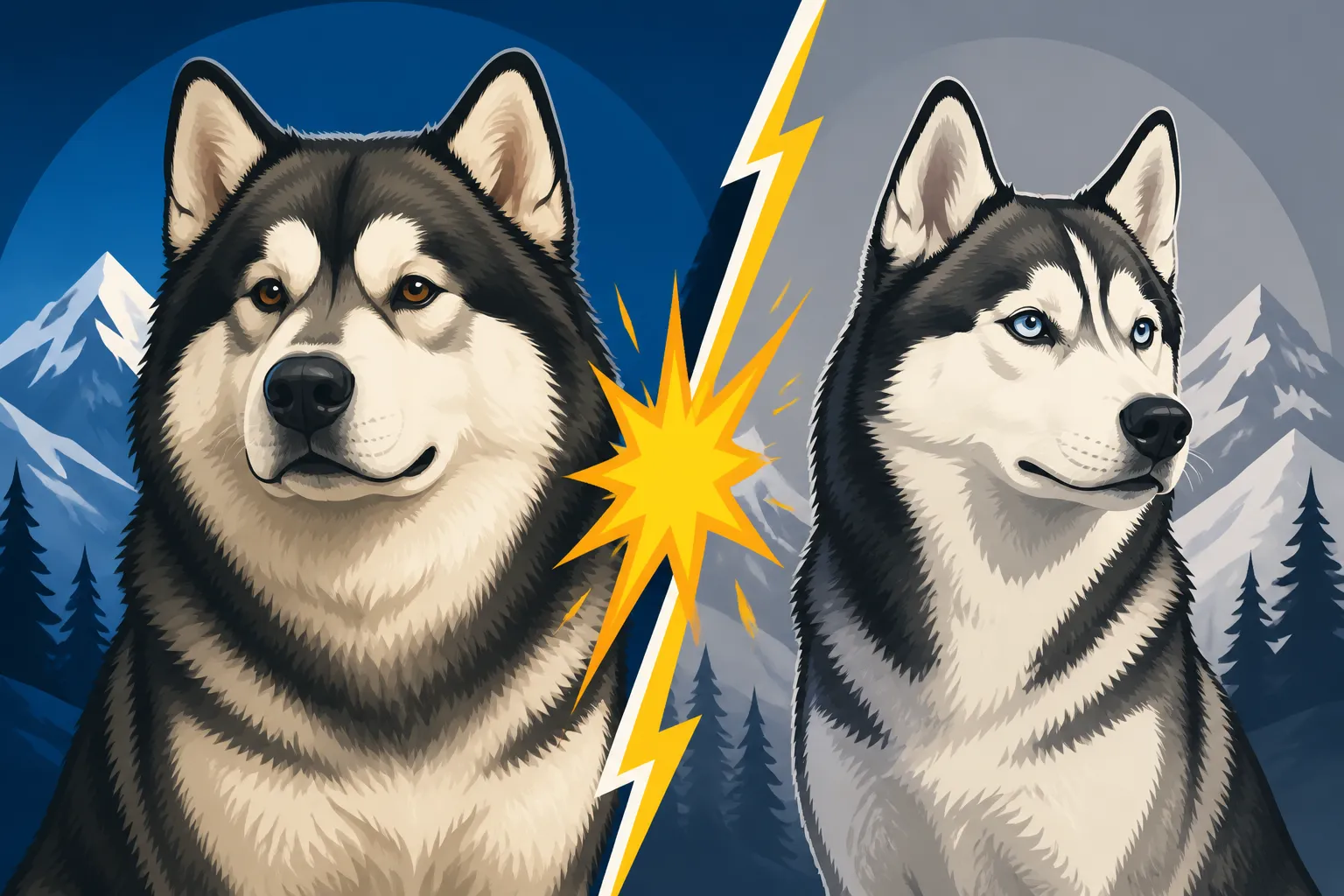
The Alaskan Malamute Against the Siberian Husky
Many people dream of welcoming a beautiful, majestic "sled dog" into their home, picturing adventurous hikes and loyal companionship. However, they often don't realize that under the fluffy exterior are two distinct breeds—the Alaskan Malamute and the Siberian Husky—each with vastly different needs, temperaments, and histories. This guide will meticulously break down the core differences between these magnificent Northern breeds, helping you understand which one, if either, is the right fit for your family and lifestyle, and saving you from potential heartache and surprises down the road.
A Legacy Forged in Ice: Origins and Original Purpose
Understanding the historical role of a breed is perhaps the most critical step in understanding its inherent traits and needs. Both the Alaskan Malamute and the Siberian Husky originated in the Arctic, but their specific jobs shaped them into the distinct dogs we know today. Ignoring these foundational differences is like trying to fit a square peg into a round hole; you'll constantly be fighting against their very nature.
The Alaskan Malamute: Freight Hauler of the Arctic
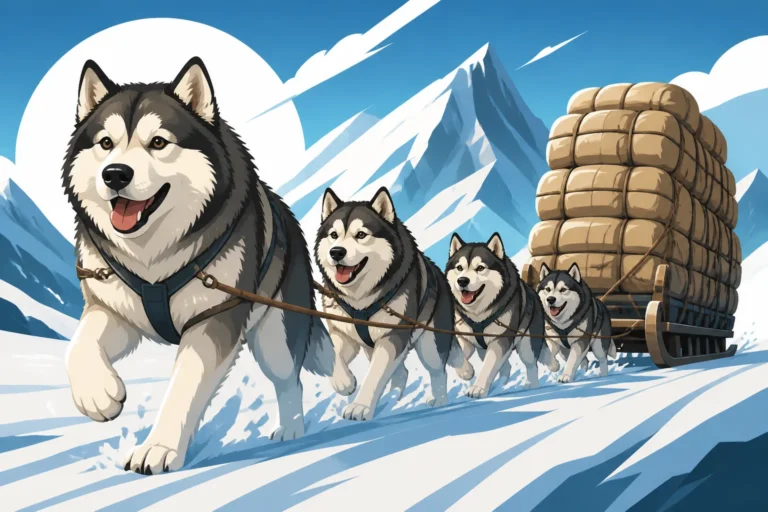
The Alaskan Malamute was developed by the Mahlemut people of Alaska's Kotzebue Sound. Their world demanded dogs capable of hauling heavy loads over long distances through deep snow and treacherous terrain. This wasn't about speed; it was about immense strength, endurance, and efficiency. They were the semi-trucks of the Arctic, not the race cars. This singular purpose led to a dog of substantial bone, muscle, and a deep chest, perfectly designed to pull hundreds of pounds for days on end.
This historical role means that modern Malamutes still possess an incredible drive to pull, even if the "load" is just you on a walk. They are thinkers, problem-solvers (especially when it comes to getting to what they want), and possess a formidable independent streak rooted in making their own decisions in harsh environments. When you look at a Malamute, you're seeing generations of careful breeding focused on sheer power and steadfastness, rather than quick bursts of speed. This fundamental difference is captured perfectly in the phrase Freight, Not Speed: What Separates a Malamute From a Racing Dog. The lineage of these magnificent animals can be traced back directly to The Mahlemut of Kotzebue Sound Bred the Alaskan Malamute.
The Siberian Husky: Endurance and Speed on the Trail
In contrast, the Siberian Husky was bred by the Chukchi people of Northeast Asia, primarily for speed and endurance over vast distances, often with lighter loads. Their role was more akin to a marathon runner than a weightlifter. They needed to move quickly and efficiently, covering extensive ground while expending minimal energy, often in team formations. This breeding emphasis created a lighter, more agile dog compared to the Malamute, built for sustained, faster travel rather than brute force.
The Husky's heritage instilled in them a higher energy level, a relentless drive to run, and a highly social nature within their pack structure. They are often described as having a mischievous, playful spirit, always on the lookout for an opportunity to explore or engage. This desire for speed and continuous movement translates into an almost insatiable need for vigorous exercise in a modern home. They thrive on the exhilaration of covering ground, which is why they are so often seen in sled racing and other fast-paced dog sports, making the comparison of The Alaskan Malamute Against the Siberian Husky so fascinating.
Tale of Two Builds: Size, Structure, and Coat
When you see a Malamute and a Husky side-by-side, even without knowing their history, their physical differences become immediately apparent. These aren't just cosmetic variations; they reflect their working origins and influence everything from how much space they need to how you manage their grooming.
Malamute: The Powerhouse Build
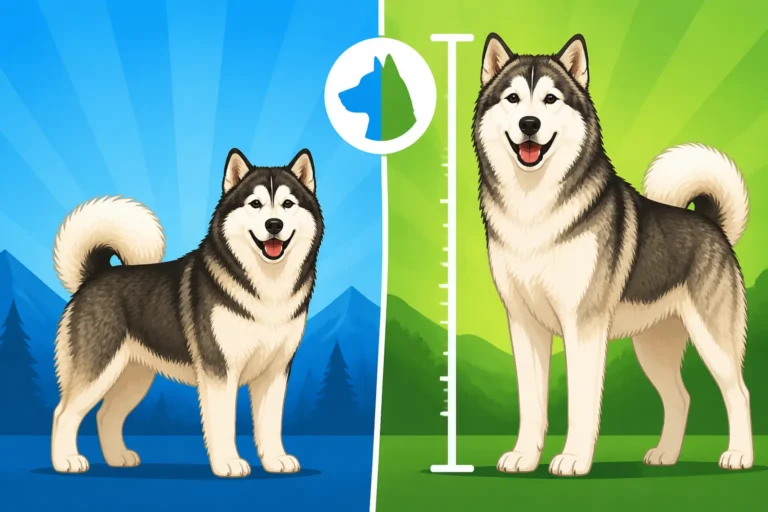
The Alaskan Malamute is undeniably the larger and more heavily built of the two. They are powerful, substantial dogs, designed for maximum strength and endurance. An adult male Malamute typically stands taller and weighs significantly more than a Husky, possessing a broad chest, sturdy bone structure, and powerful musculature. It’s not uncommon for them to clock in at what can feel like an enormous weight, giving them the leverage needed to move heavy loads. Their sheer mass is one of their defining characteristics; it's what makes them such effective freighting dogs. What an Alaskan Malamute Actually Weighs and How Tall an Alaskan Malamute Stands truly emphasize their impressive stature.
Their powerful build means they exert considerable force, even unintentionally. A playful Malamute jumping up can easily knock an adult off balance, and a Malamute on a leash can easily pull an unprepared owner down the street. Their imposing presence often leads people to believe they make good guard dogs, but their friendly, people-oriented nature usually means they're more likely to "woo" an intruder than deter them. This strength requires an owner who is equally strong and capable of managing such a powerful animal.
Husky: The Agile Athlete
The Siberian Husky, while still a robust breed, presents a much lighter and more agile silhouette. They are built for speed and efficiency, not brute force. Their bone structure is finer, their bodies more streamlined, and their overall impression is one of grace and athleticism. They are built for sustained bursts of energy and swift movement over long distances. While they are strong, their strength is applied differently – more like a well-oiled machine built for speed rather than a bulldozer built for moving mountains.
It's a common misconception that Huskies are "mini-Malamutes." They are quite distinct in their build, with adult Huskies typically falling into a smaller weight and height range than their Malamute counterparts. Understanding How Much Bigger a Malamute Is Than a Husky is crucial when considering how much physical space and management each breed will require. This lighter build also contributes to their notorious ability to clear fences or escape enclosures with surprising agility.
Coat Differences: Double Trouble for Grooming
Both breeds possess the iconic double coat characteristic of Arctic dogs, designed to protect them from extreme cold. However, there are subtle differences in their coats that impact grooming. The Malamute's coat tends to be thicker, coarser, and longer, with a dense, woolly undercoat and a protective outer coat. This robust insulation is critical for their original role, allowing them to withstand incredibly low temperatures. Unfortunately, this also means when the seasonal "coat blow" hits, the volume of hair is truly astounding; The Malamute Coat Blow That Fills a Vacuum in an Afternoon is not an exaggeration.
Huskies also have a dense double coat, but it's often slightly shorter and less coarse than a Malamute's, although still incredibly insulating. Their undercoat is soft and dense, while the outer coat is straight and lies flat. While they too experience significant shedding during their biannual coat blow, the sheer volume of hair might feel slightly less overwhelming than a Malamute's. Both breeds absolutely require consistent grooming, especially during seasonal shedding, to prevent matting and manage the impressive amount of fur they produce. Regular brushing, often with a good quality rake from a brand like Chewy, is non-negotiable for both.
Hearts of the North: Temperament and Drive
Beyond their physical appearance, the temperament and inherent drives of the Alaskan Malamute and Siberian Husky are where the most significant differences lie. These aren't just personality quirks; they are deeply ingrained behaviors that owners must understand and manage effectively.
The Malamute's Independent, Pack-Oriented Spirit
Alaskan Malamutes are often described as having a noble, independent spirit, but don't mistake that for aloofness. They are deeply loyal and affectionate with their families, often forming strong bonds. However, they also possess a powerful "pack leader" mentality and a strong sense of their place within the family hierarchy. This means they require a confident, consistent owner who can establish clear rules and boundaries from day one. They are intelligent and capable of learning, but they will constantly test those boundaries, looking for any inconsistency they can exploit.
Their history of working independently, often making decisions in challenging environments, gives them a stubborn streak that can be frustrating for novice owners. They will often consider a command and then decide if it's worth their effort. Furthermore, their historical role often involved protecting valuable freight and asserting dominance within their working pack. This can manifest as Same Sex Aggression in a Pack Bred Alaskan Malamute or a strong guarding instinct over resources if not properly managed with early socialization and consistent training. Owners need to remember that A Malamute Was Bred to Hunt Bears and It Has Not Forgotten, which speaks to their formidable natural instincts.
The Husky's Social and Mischievous Nature
Siberian Huskies, while also intelligent and independent, tend to be more overtly social and mischievous. They thrive on companionship, whether with humans or other dogs, and can become quite destructive if left alone for long periods without adequate stimulation. They are known for their playful antics, boundless energy, and an almost clownish sense of humor. This exuberance can be charming, but it also requires an owner who can match their energy and provide consistent outlets for their playful nature.
Huskies are notorious escape artists and can be remarkably clever at finding ways to circumvent barriers. Their instinct to run and explore is incredibly powerful, a direct link to their history of covering vast distances. This means that a reliable recall is an almost impossible feat for most Huskies; Why an Alaskan Malamute Will Never Have a Reliable Recall applies equally, if not more, to the Siberian Husky due to their strong running drive. Many Husky owners will tell you that "off-leash" simply isn't an option outside of securely fenced areas. They also tend to be quite vocal, using a wide range of howls, "woos," and chattering sounds to communicate, which can be delightful to some and challenging for close neighbors.
Prey Drive: A Shared Ancestry
One significant trait both breeds share, and one that absolutely must be considered, is their high prey drive. Both were bred to survive in harsh environments where hunting small game was a necessity. This instinct is deeply ingrained and can be incredibly difficult, if not impossible, to train out. Whether it's a squirrel in the park or a neighbor's cat, the impulse to chase and, sadly, potentially harm small animals, is powerful. How Strong a Malamute's Prey Drive Is is a reality that Husky owners also face.
This means extreme caution is necessary when either a Malamute or a Husky is around smaller pets like cats, rabbits, or even small dog breeds. Many owners find that introducing them as puppies to existing small pets can work, but the instinct often remains latent, and supervision is always paramount. Secure fencing is non-negotiable for both breeds, not just to prevent escape, but to protect any wildlife or neighborhood pets that might wander into your yard.
Fueling Their Fire: Exercise and Mental Stimulation
Neither of these breeds is content to be a couch potato. They were purpose-bred for demanding work, and that inherent need for activity and mental engagement hasn't diminished with generations of pet ownership. Neglecting their exercise requirements is a recipe for disaster, often leading to destructive behaviors, anxiety, and general unhappiness.
Malamute: The Need for Purposeful Work
While the Malamute isn't built for speed, their endurance and strength demand consistent, purposeful exercise. They thrive on activities that engage both their bodies and their minds. This means long, steady walks or jogs, hiking, and especially opportunities to pull. For a Malamute, pulling isn't just exercise; it's what they were born to do. Whether it's a cart, a sled, or even just a person on skis (skijoring), engaging their natural instinct to freight can be incredibly satisfying for them and prevent boredom. Pulling Is the Only Job an Alaskan Malamute Really Wants is a statement that resonates deeply with Malamute owners.
Beyond physical exertion, Malamutes also need mental stimulation. They are intelligent and enjoy problem-solving. Puzzle toys, obedience training, and even scent work can help keep their minds engaged. Just leaving them in a yard, no matter how large, without interaction or a "job" will not suffice. They need to feel like they are contributing members of your "pack," and engaging in activities together strengthens that bond. It's often said that Why a Pet Malamute Still Needs to Pull is key to their overall well-being.
Husky: The Marathoner's Stamina
Siberian Huskies have an almost unparalleled stamina and an insatiable need to run. They are built for covering ground quickly and efficiently, and this translates into a demand for high-energy activities. A short walk around the block simply won't cut it. Huskies need daily, vigorous exercise that allows them to truly stretch their legs and burn off their abundant energy. This could mean long runs, bikejoring (pulling a bicycle), canicross (running with your dog), or extensive play sessions in a large, securely fenced area.
Their desire to run is so strong that if they don't get sufficient exercise, they will invent their own entertainment, which often involves destructive chewing, digging, or trying to escape. They excel in dog sports that involve speed and endurance, and many owners find that participating in these activities not only provides an outlet for their Husky's energy but also strengthens their bond. Providing a variety of challenging physical and mental exercises is key to keeping a Husky happy and well-behaved.
The Importance of a Secure Environment
For both Malamutes and Huskies, a secure environment is not just a recommendation; it's an absolute necessity. Both breeds are renowned escape artists, with a strong wanderlust and an uncanny ability to defeat fences. They can dig under, jump over, or even cleverly open latches. A standard 4-foot fence that might contain many breeds is often merely a suggestion for these ingenious escapees. Fencing a Yard Against a Malamute That Was Bred to Dig is a vital consideration for any potential owner.
This means that yards need to be secured with at least 6-foot fences, often with dig-proof measures like L-footer fencing or buried wire to prevent tunneling. Electric or invisible fences are generally ineffective and inhumane for these breeds; their desire to run often outweighs any deterrent. Furthermore, a reliable form of identification, like a microchip and a sturdy collar with tags, is crucial. Many owners also invest in GPS tracking collars because the reality is, sometimes they will get out, and knowing Why a GPS Collar Is Essential for a Malamute (and Huskies) can be the difference between a lost dog and a safe return.
Learning the Ropes: Training Approaches and Challenges
Training an Alaskan Malamute or a Siberian Husky is not for the faint of heart or the impatient. These are intelligent, independent breeds that require a very specific approach. What works for a Golden Retriever might completely backfire with a Northern breed. Understanding their unique learning styles and motivations is paramount to success.
Malamute: The Art of Positive Reinforcement and Patience
Training a Malamute requires immense patience, consistency, and a strong understanding of positive reinforcement. They are not dogs that respond well to harsh corrections or force; this will often lead to them shutting down, becoming more stubborn, or even resentful. Malamutes are incredibly smart, but they can also be very "what's in it for me?" dogs. You need to make training engaging and rewarding, using high-value treats and praise to motivate them. Why Force Fails on an Alaskan Malamute is a lesson many owners learn the hard way.
Building a strong bond and mutual respect is the foundation of successful Malamute training. They need to see you as a fair, consistent, and confident leader. Short, fun training sessions work best, as they can get bored with repetitive drills. Focus on basic obedience, leash manners (especially important given their pulling drive), and crucial commands like "leave it" and a semi-reliable recall (always with a long line or in a secure area, remember). Many owners find that Whether Positive Training Alone Works on a Malamute is a nuanced question; it works, but it requires more dedication and creativity than with some other breeds.
Husky: Engaging a Smart, Easily Bored Mind
Siberian Huskies are also intelligent, but their attention spans can be fleeting, and they get bored quickly. They are highly independent thinkers, which means they might know a command perfectly but choose to ignore it if something more interesting catches their eye. Training needs to be varied, fun, and extremely engaging to keep a Husky's interest. Like Malamutes, they respond best to positive reinforcement, but you'll need to be even more creative with your rewards and make training feel like a game.
Their high energy and intelligence mean they need consistent mental challenges. Beyond obedience, consider enrolling them in activities like agility, rally, or even trick training to keep their minds sharp. A bored Husky is a destructive Husky, so mental stimulation is just as important as physical exercise. Early and ongoing socialization is also crucial for both breeds, exposing them to a variety of people, places, and other dogs to help them develop into well-adjusted adults.
House Training and Early Socialization
Both Malamute and Husky puppies are generally intelligent and can be house-trained relatively quickly with consistent effort and a strict schedule. Crate training is highly recommended for both breeds, not only for house-training but also as a safe den for them. It can also help mitigate destructive chewing in their adolescent phase. Remember, the first year is a whirlwind of learning and growth, and managing a puppy of these breeds requires immense dedication. Understanding the unique challenges of The First Year With an Alaskan Malamute Puppy gives a good insight into the journey ahead for either breed.
Early and continuous socialization is non-negotiable for both breeds. Exposing them to a wide variety of sights, sounds, people, and other well-behaved dogs from a young age is crucial to help them develop into confident, well-adjusted adults. Without it, both breeds can become wary or reactive, especially given their strong pack instincts and potential for same-sex aggression. Puppy classes and supervised playdates are excellent ways to foster good social skills.
Living with the Arctic Breeds: Care, Climate, and Grooming
Bringing one of these magnificent dogs into your home means making some significant adjustments to your lifestyle and environment. Their unique physical attributes, especially their dense coats, dictate specific care requirements that cannot be overlooked.
Adapting to Their Environment
Perhaps the most critical consideration for both breeds is climate. These dogs were bred for brutally cold Arctic conditions, and they absolutely do not thrive in hot weather. Their thick double coats, which insulate them against the cold, can quickly cause them to overheat in warm or humid climates. This isn't just uncomfortable; it can be life-threatening. Summer Is the Season That Kills Alaskan Malamutes is a stark reminder of this danger, and Huskies face similar risks.
If you live in a climate with warm summers, you must take extreme precautions. This means no outdoor exercise during the hottest parts of the day, ensuring constant access to cool, fresh water, and often providing air conditioning indoors. Many owners find themselves asking What Cooling a House for a Malamute Costs in Summer because it becomes a necessary expense. Beyond temperature, both breeds generally prefer cooler temperatures and enjoy the snow immensely. They are not suited to being outdoor-only dogs in warm climates.
Diet and Metabolism
Both Alaskan Malamutes and Siberian Huskies are known for their incredibly efficient metabolisms, a trait inherited from generations of working in environments where food could be scarce. This means they often require less food than their size or activity level might suggest for other breeds. It’s a common mistake for new owners to overfeed them, leading to obesity, which can exacerbate joint problems and other health issues. The Efficient Metabolism That Surprises Every New Malamute Owner is a recurring theme among those new to the breed.
Consulting with your veterinarian to determine the appropriate portion sizes and nutritional needs is essential. High-quality kibble formulated for active, large breeds, often available from retailers like Chewy, is generally recommended. Some owners opt for raw or home-cooked diets, but these require careful balancing to ensure all nutritional requirements are met, especially considering potential zinc absorption issues in Malamutes. Always monitor their weight and body condition closely.
Grooming the Double Coat
As mentioned earlier, both breeds possess a dense double coat that requires consistent grooming. They are notorious for their "coat blows," typically twice a year (spring and fall), where they shed their entire undercoat in clumps. During these periods, daily brushing is not just recommended, it's mandatory if you want to avoid your house being carpeted in fur. Tools like slicker brushes, de-shedding rakes, and force dryers are invaluable.
Beyond the coat blow, regular weekly brushing helps to remove loose hair, prevent matting, and distribute natural oils, keeping their skin and coat healthy. Neither breed should ever be shaved, even in summer, as their double coat actually helps to insulate them from heat and protects their skin from sunburn. Shaving can also permanently damage their coat texture and ability to regulate temperature. Regular nail trims and dental care are also important components of their routine grooming.
Health Considerations: What to Watch For
While generally robust breeds, both Alaskan Malamutes and Siberian Huskies are prone to certain genetic health conditions. Responsible breeders will screen their breeding stock for these issues, but it's important for prospective owners to be aware of what to look out for.
Common Malamute Health Issues
Alaskan Malamutes have a few specific health concerns that are important to be aware of:
- Hip and Elbow Dysplasia: Like many large breeds, Malamutes can be susceptible to hip and elbow dysplasia, conditions where the joints don't form correctly. This can lead to arthritis and pain. Screening through organizations like OFA (Orthopedic Foundation for Animals) is standard for responsible breeders. Hip Dysplasia in a Freighting Alaskan Malamute is a serious concern.
- Zinc Responsive Dermatosis: Malamutes have a genetic predisposition to poor zinc absorption, even if there's enough zinc in their diet. This can lead to skin problems, including crusting, hair loss, and infections, particularly around the eyes, muzzle, and pressure points. It often requires lifelong zinc supplementation. Zinc Responsive Dermatosis in an Alaskan Malamute highlights this unique breed challenge.
- Inherited Polyneuropathy: This is a neurological condition that affects the nerves, leading to weakness, loss of coordination, and voice changes. Symptoms typically appear around 1-2 years of age and can progressively worsen. Genetic testing is available. Understanding Inherited Polyneuropathy and the Malamute That Stumbles at a Year is crucial for potential owners.
- Day Blindness (Cone Degeneration): While largely bred out in many lines due to genetic testing, this condition causes affected dogs to be essentially blind in bright light, seeing much better in dim conditions.
Common Husky Health Issues
Siberian Huskies are also prone to certain health issues, with a focus often on their eyes:
- Eye Problems: Huskies are predisposed to several ocular conditions, including cataracts (which can appear at a young age), progressive retinal atrophy (PRA), and corneal dystrophy. Regular eye exams by a veterinary ophthalmologist are recommended.
- Hip Dysplasia: While perhaps not as prevalent as in some larger breeds, Huskies can still develop hip dysplasia. Responsible breeders will screen for this.
- Hypothyroidism: An underactive thyroid gland can lead to weight gain, lethargy, and coat issues. This condition is typically manageable with medication.
- Follicular Dysplasia: A rare genetic condition affecting hair follicles, leading to patchy hair loss or poor coat growth.
Here's a quick comparison of some key traits:
| Trait | Alaskan Malamute | Siberian Husky |
|---|---|---|
| Original Purpose | Heavy freight hauling, strength, endurance | Light freight, speed, endurance, distance |
| Build | Large, powerful, heavy bone, deep chest | Medium, agile, streamlined, athletic |
| Typical Weight | 75-100+ lbs (Males), 60-80 lbs (Females) | 45-60 lbs (Males), 35-50 lbs (Females) |
| Energy Level | High endurance, needs purposeful work | Very high, needs vigorous running/activity |
| Prey Drive | High | High |
| Digging Tendency | Very high | Very high |
| Vocalization | "Woos," howls, less barking | Howls, "woos," chattering, less barking |
| Independence | High (can be stubborn) | High (can be mischievous) |
| Training Response | Best with patient, consistent positive methods | Best with engaging, varied positive methods |
| Recall Reliability | Very low | Extremely low |
| Climate Adapt. | Thrives in cold, susceptible to heatstroke | Thrives in cold, susceptible to heatstroke |
| Grooming Needs | High, intense seasonal shedding ("coat blow") | High, intense seasonal shedding ("coat blow") |
Deciding Which Sled Dog is Right for You
Choosing between an Alaskan Malamute and a Siberian Husky, or even deciding if either breed is suitable for your household, is a decision that should not be taken lightly. Both are magnificent animals, but they come with significant demands and are certainly not for everyone.
Lifestyle Compatibility
The ideal Malamute owner is someone who is active, experienced with strong-willed breeds, and has a clear understanding of canine behavior. They need to be willing to commit to daily exercise, consistent training, and providing outlets for their dog's natural pulling instincts. Malamutes often do best in homes where someone is home for a good portion of the day, as they thrive on companionship and can be prone to separation anxiety if left alone too much. They need a secure, escape-proof yard and an owner dedicated to proper socialization. They typically do well with children when raised with them and properly socialized, but their size and strength can be a concern with very young children.
The ideal Husky owner is someone with an incredibly active lifestyle, possibly a runner, hiker, or someone interested in dog sports like canicross or bikejoring. They must be prepared for a dog with seemingly endless energy and an unparalleled wanderlust. Like Malamutes, Huskies require a highly secure yard and consistent training from an owner who understands their independent and mischievous nature. Huskies also thrive on companionship and can be quite vocal, so neighbors' tolerance for howling should be considered. They tend to be good with children, again, when properly socialized and supervised, and their playful nature can make them excellent family dogs for the right active family.
Commitment to Training and Exercise
For both breeds, the commitment to training and exercise is non-negotiable. These are not breeds you can simply walk around the block twice a day and expect to be content. They require hours of dedicated activity each week, often more, and continuous mental engagement to prevent boredom and destructive behaviors. If you cannot provide a minimum of an hour or two of vigorous exercise daily, coupled with mental challenges, neither breed will be a good fit for your home. This commitment extends beyond puppyhood; these are high-energy dogs for their entire lifespan.
Training is also an ongoing endeavor. These are smart dogs who will test boundaries, and you must be prepared to be consistent and patient throughout their lives. Attending obedience classes, even with an adult dog, can be beneficial for continued socialization and reinforcing good habits. Remember, these breeds don't just want a job, they need one. Providing that structure and purpose is key to their well-being.
Understanding the Financial and Time Investment
Finally, it's crucial to understand the substantial financial and time investment required for both Alaskan Malamutes and Siberian Huskies. Beyond the initial cost of a responsibly bred puppy, you'll incur ongoing expenses for high-quality food (potentially specialized for Malamutes with zinc issues), extensive grooming supplies (like those available from Chewy), regular veterinary care (including potential specialist consultations for breed-specific issues), and a myriad of durable toys to withstand their chewing power.
Furthermore, the time commitment is immense. Daily exercise, training sessions, grooming, and simply providing companionship will consume a significant portion of your day for the next decade or more. These are dogs that thrive on interaction and being part of the family, not being relegated to the backyard. Before bringing either of these incredible breeds into your life, honestly assess if your lifestyle, resources, and commitment align with their profound needs. Doing so will ensure a happy, fulfilling life for both you and your majestic Arctic companion.
Disclaimer
This article is for general informational purposes only and does not constitute professional advice. Laws, prices and regulations vary by location and change over time. Consult a qualified professional for guidance on your specific situation.