Why a Pet Malamute Still Needs to Pull
It’s a common misconception that once an Alaskan Malamute becomes a beloved family pet, its working dog instincts magically disappear. Many new owners, falling in love with that fluffy, majestic puppy, don't realize the depth of the instinctual drive that still pulses within their adult Malamute. This guide will delve into why keeping a Malamute engaged in pulling activities isn't just a fun hobby, but a crucial component of their overall well-being, preventing a host of behavioral issues and fostering a happier, healthier companion.
Understanding the Malamute's Innate Drive to Pull
The Alaskan Malamute was literally bred for centuries to pull. This isn't just a quaint historical fact; it's the very foundation of their being, etched deep into their genetics and psyche. Their ancestors, working with the Mahlemut people of Alaska, were indispensable partners in survival, hauling heavy loads across vast, frozen landscapes. To deny this core instinct is like asking a retriever not to fetch, or a border collie not to herd. It's fundamentally against their nature, and that unfulfilled drive has to go somewhere.
A Legacy of Hard Work and Endurance
Imagine the Mahlemut of Kotzebue Sound. Their lives depended on reliable, strong dogs capable of moving supplies, game, and even people over immense distances, often in harsh conditions. These weren't dogs bred for speed in a race; they were bred for incredible endurance and the ability to freight substantial weight. Every physical attribute of the Malamute, from their powerful shoulders and deep chest to their thick, insulating coat and dense bones, is a testament to this history. Their compact, sturdy build is a marvel of engineering designed for consistent, heavy pulling.
This historical context isn't just academic; it informs everything about modern Malamute behavior. When you see your Malamute lean into its leash, even on a casual walk, you're witnessing generations of selective breeding at play. They possess an almost primal urge to go and to pull something behind them. It's not just physical exertion; it's a mental and emotional release that taps into their deepest purpose.
The Mental and Physical Need for a "Job"
For a Malamute, pulling isn't just exercise; it's a job. And having a job, a purpose, is incredibly important for their mental well-being. A working Malamute is a fulfilled Malamute. Without an outlet for this ingrained behavior, their powerful minds, which are also accustomed to problem-solving and making decisions on the trail, can become bored and frustrated. Boredom in a Malamute often manifests in ways that owners find challenging, to say the least.
Think of it like this: if you have a highly intelligent, physically capable person who is designed for a demanding career, and you give them nothing but easy, mindless tasks, they're likely to become restless, maybe even destructive or depressed. A Malamute is no different. Their physical prowess is astounding, but it's their mental engagement with the task of pulling that truly makes them happy. The satisfaction of overcoming resistance, of moving forward with purpose, provides a profound sense of accomplishment for them. This drive is so strong that Pulling Is the Only Job an Alaskan Malamute Really Wants.
Consequences of an Unfulfilled Pull Drive in a Pet Malamute
When a Malamute's inherent drive to pull isn't given a constructive outlet, that energy and instinct don't just disappear. They get redirected, often into behaviors that are frustrating, destructive, and even dangerous for the average pet owner. Many common Malamute "problems" are actually just symptoms of an unfulfilled instinctual need.
Redirected Energy and Destructive Behaviors
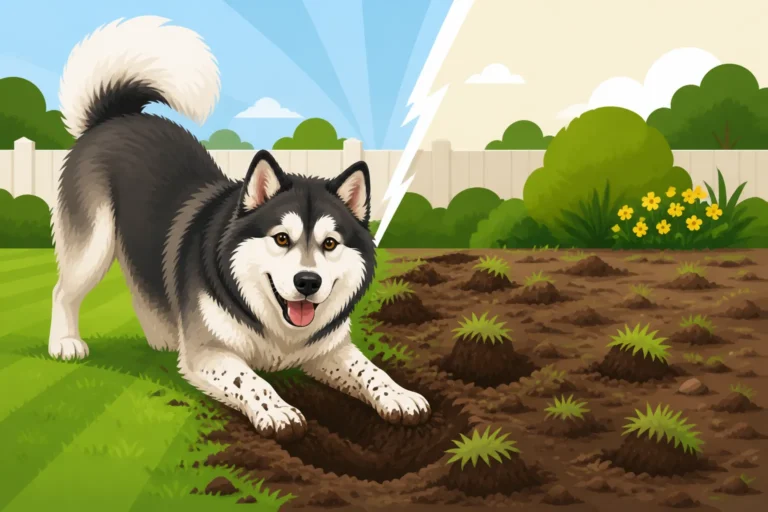
An unexercised and mentally understimulated Malamute is a recipe for chaos. Their incredible strength and intelligence, without a proper channel, can turn your home and yard into a personal demolition project. You might come home to discover your favorite sofa has become a chew toy, or your pristine garden now resembles a lunar landscape. This isn't spite; it's sheer boredom and the need to do something with all that pent-up power.
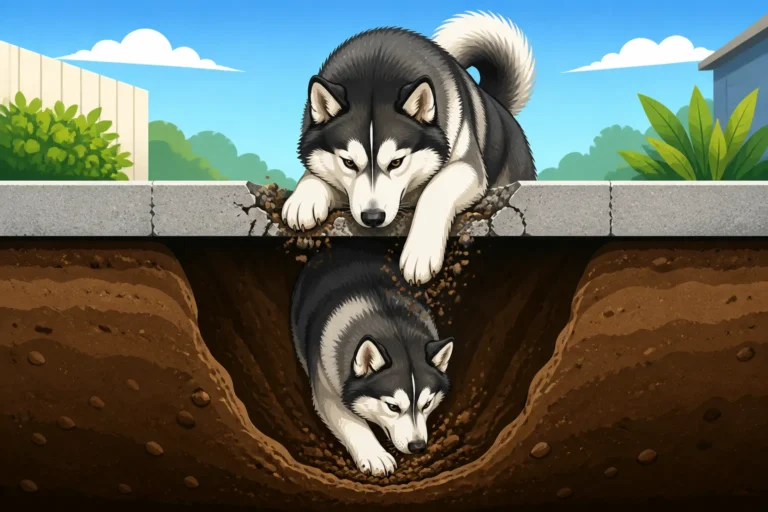
Digging is a classic Malamute behavior, and while it's sometimes linked to cooling off, it's also a significant outlet for excess energy and mental engagement. An underexcited Malamute might dig elaborate tunnels in your yard, or even attempt to dig under fences. It can feel like they are deliberately trying to escape, and sometimes they are, simply seeking a more stimulating environment. This is why Why a Malamute's Digging Is Not a Problem, It Is the Breed is such an important concept for owners to grasp. Chewing, too, stems from boredom and the need to work their powerful jaws. Your doorframes, furniture legs, and even walls can fall victim to a Malamute searching for an "activity."
Escapism and the Unreliable Recall
Malamutes are notoriously independent and possess a formidable prey drive. When they aren't regularly challenged by a meaningful "job," their desire to roam and hunt can become overwhelming. A walk around the block, no matter how long, often isn't enough to satisfy their deep-seated need to cover ground and explore. This makes them prime candidates for escaping the yard or bolting through an open door.
Once a Malamute is off-leash and out in the world, their instinct to run, chase, and explore takes over. Their recall, even if previously solid in a controlled environment, can become virtually nonexistent in the face of enticing scents or moving objects. This isn't disobedience; it's their breed heritage asserting itself. Owners often lament Why an Alaskan Malamute Will Never Have a Reliable Recall, and a key factor is that without consistent, high-intensity exercise that fulfills their desire for work, the call of the wild becomes far more compelling than their owner's voice. This can lead to dangerous situations, from getting lost to encountering wildlife or even causing accidents.
Practical Ways to Engage Your Pet Malamute in Pulling Activities
The good news is that fulfilling your Malamute's pulling instinct doesn't mean you have to move to Alaska and buy a dog sled team. There are many accessible and enjoyable ways to incorporate pulling activities into your pet Malamute's life, even if you live in a suburban area.
Harnessing Their Natural Strength for Recreational Activities
Recreational pulling can take many forms, making it adaptable to different environments and owner fitness levels. These activities provide the physical exertion and mental stimulation your Malamute craves, without requiring a full-on mushing setup.
- Canicross: This is essentially cross-country running with your dog pulling you. You wear a special canicross belt, and your Malamute wears a pulling harness, connected by a bungee line. It's a fantastic way to get a workout together and allows your Malamute to really lean into its pull. It's a great activity for urban or suburban trails, offering both speed and endurance. Your Malamute will love the feeling of surging forward, leading the way.
- Bikejoring: Similar to canicross, but with a bicycle. Your Malamute pulls you while you ride, providing a faster, more intense workout. This requires a bit more specialized equipment, like a bikejor arm attached to your bike to prevent the line from getting tangled in the front wheel. It's an excellent way for Malamutes to burn off serious energy and satisfies their need for speed, even though they are freighting dogs, the forward momentum is thrilling.
- Skijoring: If you live in a snowy climate and enjoy cross-country skiing, skijoring is perfect. Your Malamute pulls you while you ski. This is arguably one of the most natural extensions of their historical work and allows them to perform in their preferred environment. It's a brilliant winter activity that will leave both you and your Malamute feeling invigorated and accomplished. For more on this, you might check out The Alaskan Malamute in Skijoring.
- Urban Mushing/Scootering: For those without snow, dryland activities like scootering (with a specialized dog scooter) or even rig pulling (with a cart or wagon) are excellent alternatives. These allow your Malamute to pull a wheeled vehicle, mimicking the sensation of sledding. This can be done on trails or even quiet paved roads, provided you have appropriate safety gear.
Incorporating Weight Pull or Backpacking
Beyond direct pulling, activities that involve carrying or moving weight can also satisfy that deep desire to "work."
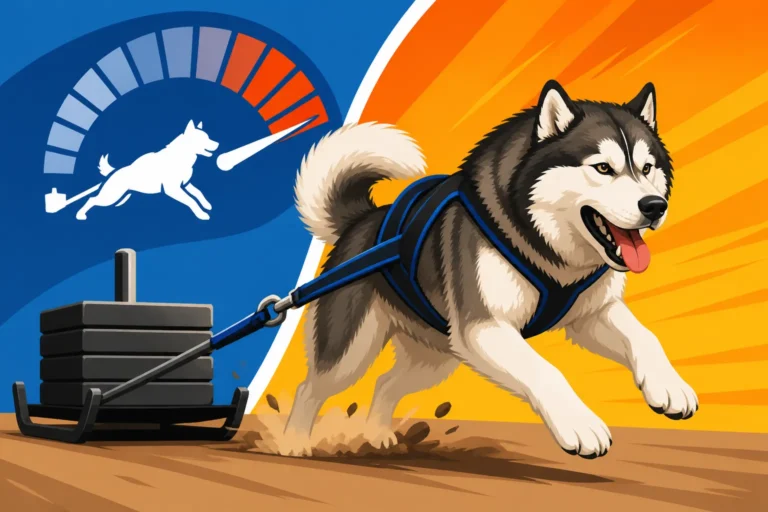
- Weight Pull: This is a structured sport where dogs pull increasingly heavy weights over a short distance. While it can be competitive, many enjoy it recreationally as a controlled way to engage their Malamute's strength. It builds muscle and provides immense mental satisfaction for the dog. Starting with very light weights and gradually increasing, under careful supervision, can be incredibly rewarding. You'll need a specialized weight pull harness for this to distribute the load safely and effectively across their powerful chest and shoulders.
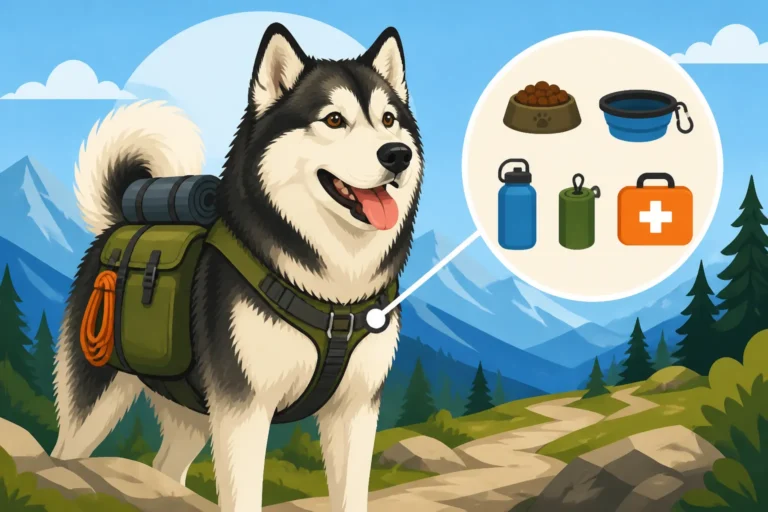
- Backpacking: If you enjoy hiking, having your Malamute carry a specially designed dog backpack filled with their own gear (water, treats, collapsible bowl) can be a fantastic way to give them a job. The added weight, even if minimal, engages their core strength and gives them a sense of purpose on the trail. Just be mindful of the weight and distance, especially when starting out. While it's not "pulling" in the traditional sense, it taps into the same fundamental need to contribute and work alongside their human partner. For safety considerations, consider How Much a Malamute Should Carry on a Hike.
When considering equipment for any of these activities, quality and proper fit are paramount. A poorly fitting harness can cause injury and discomfort. Many reputable online retailers, including those found on platforms like Amazon, offer a wide range of specialized harnesses for various pulling activities. Always prioritize ergonomic designs that distribute pressure evenly and allow for full range of motion.
Benefits Beyond Just Physical Exercise
Giving your pet Malamute an outlet for its pulling instinct goes far beyond simply burning off calories. It profoundly impacts their mental health, strengthens your bond, and can even improve their overall behavior, making them a more harmonious member of your household.
Improved Mental Health and Reduced Anxiety
A Malamute that gets to regularly engage in pulling activities is typically a much calmer, more centered dog. The mental engagement required for these tasks—focusing on the trail, responding to commands, maintaining a steady pace, and overcoming resistance—is incredibly enriching. This kind of focused work helps to alleviate boredom, which is often the root cause of anxiety and destructive tendencies in these intelligent dogs.
When a Malamute is mentally stimulated and physically tired in a constructive way, they're less likely to develop neurotic behaviors like incessant pacing, excessive vocalization (beyond their typical "woo" sounds!), or destructive chewing. They achieve a state of relaxed contentment, knowing they've fulfilled their purpose for the day. This reduces overall stress for both the dog and the owner, creating a more peaceful home environment. It helps them feel like a valued, contributing member of the "pack."
Enhanced Bond and Communication
Working with your Malamute in a pulling sport or activity is an incredible way to deepen your relationship and improve communication. These activities require teamwork, trust, and clear communication between you and your dog. As you navigate trails together, you'll learn to read your Malamute's cues, and they'll learn to respond to yours.
Teaching directional commands ("gee" for right, "haw" for left), "on by" to ignore distractions, and "whoa" to stop, builds a vocabulary of cooperation. This shared experience fosters a stronger, more respectful bond than simple walks or playtime alone. Your Malamute will look to you for guidance and leadership, and you'll gain a profound appreciation for their strength, intelligence, and willingness to work with you. It’s a partnership where you both contribute to a shared goal, reinforcing their natural pack mentality and strengthening their connection to you. Organizations like BAXTER & Bella offer excellent online resources that can help lay the groundwork for this kind of cooperative training, starting with basic obedience and then moving into more specialized commands needed for pulling sports.
Better Behavior Around the House
The ripple effect of a fulfilled Malamute extends directly into their day-to-day behavior at home. A dog that has expended its physical and mental energy in a constructive way is less likely to engage in undesirable behaviors. The dog that gets to pull regularly is often:
- Less destructive: They've had an outlet for their energy, so they're not looking to tear up furniture or dig craters in the yard out of boredom.
- Calmer indoors: Instead of pacing or demanding constant attention, they're more likely to settle down, chew on an appropriate toy, or simply nap contentedly.
- More amenable to training: With their core needs met, they're more receptive to learning other obedience commands and integrating into the family routine.
- Less prone to escapism: A well-exercised Malamute, especially one that has worked alongside its owner, is often less inclined to try and escape the yard in search of excitement. Their adventure has already happened, with you.
In essence, a Malamute that gets to pull isn't just a happy Malamute; it's a good Malamute, in all the ways that matter most to a pet owner.
Getting Started: Equipment and Training Basics
So, you're convinced your Malamute needs to pull! That's fantastic. Now let's talk about how to safely and effectively introduce them to pulling activities. It's not about just hooking them up and going; a structured approach ensures both safety and enjoyment.
Essential Equipment for Safe Pulling
Having the right gear is non-negotiable for any pulling activity. It protects your Malamute from injury and allows them to perform comfortably and efficiently.
- Proper Harness: This is the most critical piece of equipment. You need a freighting or X-back harness, not a walking harness. These harnesses are specifically designed to distribute the pulling weight evenly across the dog's chest and shoulders, preventing pressure on the throat and spine. A well-fitted harness allows for full shoulder articulation and ensures your Malamute can breathe freely. Many specialist dog equipment retailers, readily available through platforms like Amazon, provide high-quality, durable harnesses tailored for pulling sports. Ensure you measure your dog carefully according to the manufacturer's instructions to get the correct fit.
- Bungee Line (Gangline): A specialized line with an integrated bungee section connects the harness to you or your equipment. The bungee absorbs shock, making the pull smoother and preventing jarring impacts on your Malamute's joints and spine. These come in various lengths depending on the activity (e.g., shorter for canicross, longer for scooter/bikejoring).
- Canicross Belt/Bikejor Arm: For canicross, a comfortable, padded belt that distributes your dog's pull across your hips is essential. For bikejoring, a bikejor arm extends from your bike's front to keep the bungee line away from the wheel and provide a stable pulling point.
- Booties: Depending on the terrain and activity, paw protection can be crucial. If you're running on rough trails, hot pavement, or icy snow, booties protect their sensitive paw pads from abrasions, cuts, or frostbite. Checking an Alaskan Malamute's Pads After Pulling is a good practice, and booties can help prevent issues.
- Safety Gear for You: Always wear a helmet if you're bikejoring or scootering. Headlamps are essential for early morning or evening activities.
Foundational Training: From Obedience to Pulling Cues
Before you hook your Malamute up to anything, they need a solid foundation of basic obedience and an understanding of specific pulling commands.
- Basic Obedience: Your Malamute should know and reliably respond to commands like "sit," "stay," and "come" in a variety of environments. This creates a foundation of communication and control. Even though Why an Alaskan Malamute Will Never Have a Reliable Recall is a reality in many situations, working on core commands is always beneficial. Programs offered by trainers like BAXTER & Bella can be incredibly helpful for building this initial obedience foundation, which translates into better control during pulling activities.
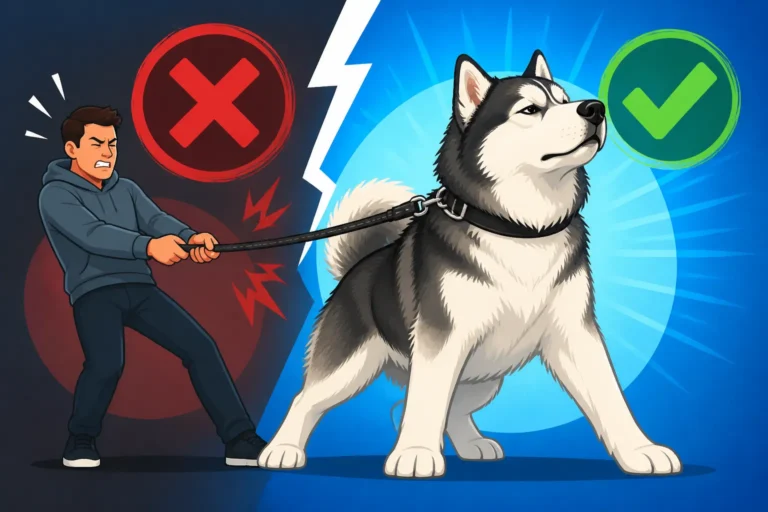
- Leash Manners: While the goal is for them to pull, they still need to understand how to walk politely on a leash without pulling when you're not engaging in a pulling activity. This distinction is important for daily walks.
- "Hike" (Forward): This is your cue to start moving forward.
- "Whoa" (Stop): Absolutely critical. Your Malamute needs to understand that this command means an immediate and complete stop. Practice this extensively in low-distraction environments first.
- "Gee" (Right) and "Haw" (Left): These directional commands are vital for steering your Malamute on trails. Practice them in gradual turns and build up to sharper turns.
- "On By" (Ignore): This command teaches your Malamute to ignore distractions like other dogs, people, or wildlife and continue pulling forward. This requires significant practice and consistency.
Start slowly with short sessions and minimal resistance, praising and rewarding generously. The goal is to make it a fun, positive experience. Never force your Malamute to pull. Build their confidence and muscle strength gradually. Remember, The Age a Malamute Can Start Pulling is typically around 12-18 months, once their growth plates have closed, to avoid joint damage. Always consult with your vet before starting any strenuous exercise program, especially with a young dog.
Addressing Common Concerns and Misconceptions
Despite the clear benefits, some owners might have reservations about engaging their Malamute in pulling activities. Let's tackle some common concerns and clear up misconceptions.
"Isn't Pulling Bad for Their Joints?"
This is a frequently asked question, and it's a valid one, especially given concerns about hip and elbow dysplasia in large breeds. However, when done correctly, with proper equipment and gradual conditioning, pulling is generally beneficial for a Malamute's musculoskeletal health.
The key is "done correctly."
- Age: Never start a Malamute in serious pulling activities until their growth plates have fully closed, typically between 12 and 18 months of age. Premature heavy pulling can indeed damage developing joints.
- Conditioning: Just like human athletes, Malamutes need to be conditioned. Start with light loads and short distances, gradually increasing duration and resistance as their muscles strengthen and their stamina improves.
- Proper Equipment: As discussed, a well-fitting, ergonomically designed pulling harness is crucial. It distributes the load safely, preventing strain on sensitive areas.
- Surface: Pulling on soft, forgiving surfaces like dirt trails or snow is ideal. Avoid prolonged pulling on hard pavement, which can be jarring on joints.
- Genetics: While pulling itself isn't inherently bad for joints, a Malamute with pre-existing conditions like Hip Dysplasia in an Alaskan Malamute or elbow dysplasia may need modifications or a different exercise regimen. Always have your Malamute screened for these conditions and consult with your veterinarian. In fact, strong, well-developed muscles around the joints can actually help stabilize them, potentially mitigating the impact of mild dysplasia. Maintaining a lean, healthy weight is also paramount.
"My Malamute is Just a Pet, Not a Working Dog."
This statement, while true in the sense that your Malamute might not be pulling supplies to a remote village, overlooks the fundamental nature of the breed. Their instinct remains, regardless of their "pet" status. It's like having a high-performance sports car and only driving it to the grocery store once a week; it's capable of so much more, and denying it that capability can lead to internal "engine problems."
A pet Malamute still needs to express its intrinsic behaviors in a safe, constructive way. Providing an outlet for pulling isn't about forcing them into a job they don't want; it's about honoring their heritage and allowing them to be their authentic, magnificent selves. It’s about channeling that incredible drive into something positive, rather than letting it manifest as destructive boredom. Many owners find that once they start engaging their Malamute in these activities, their dog becomes a far more content and well-behaved companion, simply because their deep-seated needs are finally being met. It’s not about competing; it’s about fulfilling.
The Long-Term Impact: A Fuller Life for Your Malamute
Embracing your Malamute's natural pulling instinct offers profound long-term benefits that contribute to a happier, healthier, and ultimately longer life for your cherished companion. It’s an investment in their overall well-being that pays dividends in companionship and fewer behavioral challenges.
Promoting Physical Health and Longevity
Regular, appropriate pulling exercise is excellent for maintaining your Malamute's physical condition. It builds and maintains strong muscles, keeps their joints supple, and contributes to cardiovascular health. An active Malamute is less likely to become overweight, which is a common problem in dogs and can exacerbate joint issues, lead to diabetes, and shorten lifespan. While The Ten to Fourteen Years an Alaskan Malamute Lives is the average, a well-conditioned dog with good muscle tone and a healthy weight often enjoys a more comfortable, active senior life.
Beyond the muscles and heart, the mental stimulation involved in pulling activities also helps keep their minds sharp. Just like humans, dogs who are regularly challenged mentally tend to age more gracefully and retain cognitive function longer. It’s a holistic approach to health that addresses both body and mind, giving them the best chance at a full and vibrant life.
Deepening the Human-Animal Bond
The shared experiences and teamwork involved in pulling activities create an unparalleled bond between you and your Malamute. There’s a special kind of understanding that develops when you're working towards a common goal, relying on each other. Your Malamute trusts you to guide them, and you trust them to pull with all their heart. This mutual respect and cooperation solidify your partnership.
This isn't just about fun; it’s about connection. Your Malamute sees you as their leader, their partner, and the provider of fulfilling work. This deepens their loyalty and strengthens their desire to please you. The moments spent together on the trail, feeling the rhythmic pull of your dog, the fresh air, and the quiet understanding between you, are truly priceless. It cultivates a relationship built on shared purpose and mutual admiration, creating memories that last a lifetime. Caring for an Alaskan Malamute Past Eight becomes easier when you've established such a strong, communicative relationship from their younger, more active years.
Acknowledging and Honoring Their Heritage
Ultimately, allowing your pet Malamute to engage in pulling activities is about respecting and honoring the magnificent heritage of this breed. These dogs were not bred to be sedentary couch potatoes; they were crafted by centuries of selection for strength, endurance, and an unwavering desire to pull. By providing an outlet for this innate drive, you're not just exercising your dog; you're acknowledging who they truly are at their core.
It's a way of saying, "I see you, and I appreciate all that makes you a Malamute." In a world where many working breeds find themselves without a job, offering them this opportunity is a gift. It allows them to express their true nature, to feel fulfilled, and to live a life that is truly rich and meaningful, just as their ancestors did. It's why they were bred, and it's what makes them uniquely, wonderfully Malamutes.
| Activity Type | Description | Ideal Environment | Equipment Needed | Benefits for Malamute |
|---|---|---|---|---|
| Canicross | Human runs with dog pulling on a bungee line, connected to a waist belt. | Trails, parks, open fields | Pulling harness, canicross belt, bungee line, running shoes | High cardiovascular workout, mental focus, builds bond. |
| Bikejoring | Human bikes with dog pulling on a bungee line, connected to a bikejor arm. | Trails, quiet roads, open areas | Pulling harness, bikejor arm, bungee line, mountain bike, helmet | Faster pace, intense workout, great for high-energy dogs, builds focus. |
| Skijoring | Human cross-country skis with dog pulling on a bungee line. | Snowy trails, open fields | Pulling harness, bungee line, cross-country skis, ski poles | Natural winter activity, excellent endurance, engages breed heritage. |
| Scootering | Human rides a specialized dog scooter with dog pulling on a bungee line. | Trails, quiet roads | Pulling harness, dog scooter, bungee line, helmet | Dryland alternative to sledding, good for multiple dogs, strong workout. |
| Weight Pull | Dog pulls weighted cart or sled over short distance, often competitively. | Designated pulling arena | Specialized weight pull harness, weight sled/cart | Builds muscle, mental challenge, strength focus, immense satisfaction. |
| Backpacking/Pack Hike | Dog carries a dog backpack with gear while hiking. | Hiking trails, wilderness | Dog backpack, comfortable harness for hiking | Builds endurance, gives a "job" on hikes, gentle introduction to carrying weight. |
Disclaimer
This article is for general informational purposes only and does not constitute professional advice. Laws, prices and regulations vary by location and change over time. Consult a qualified professional for guidance on your specific situation.