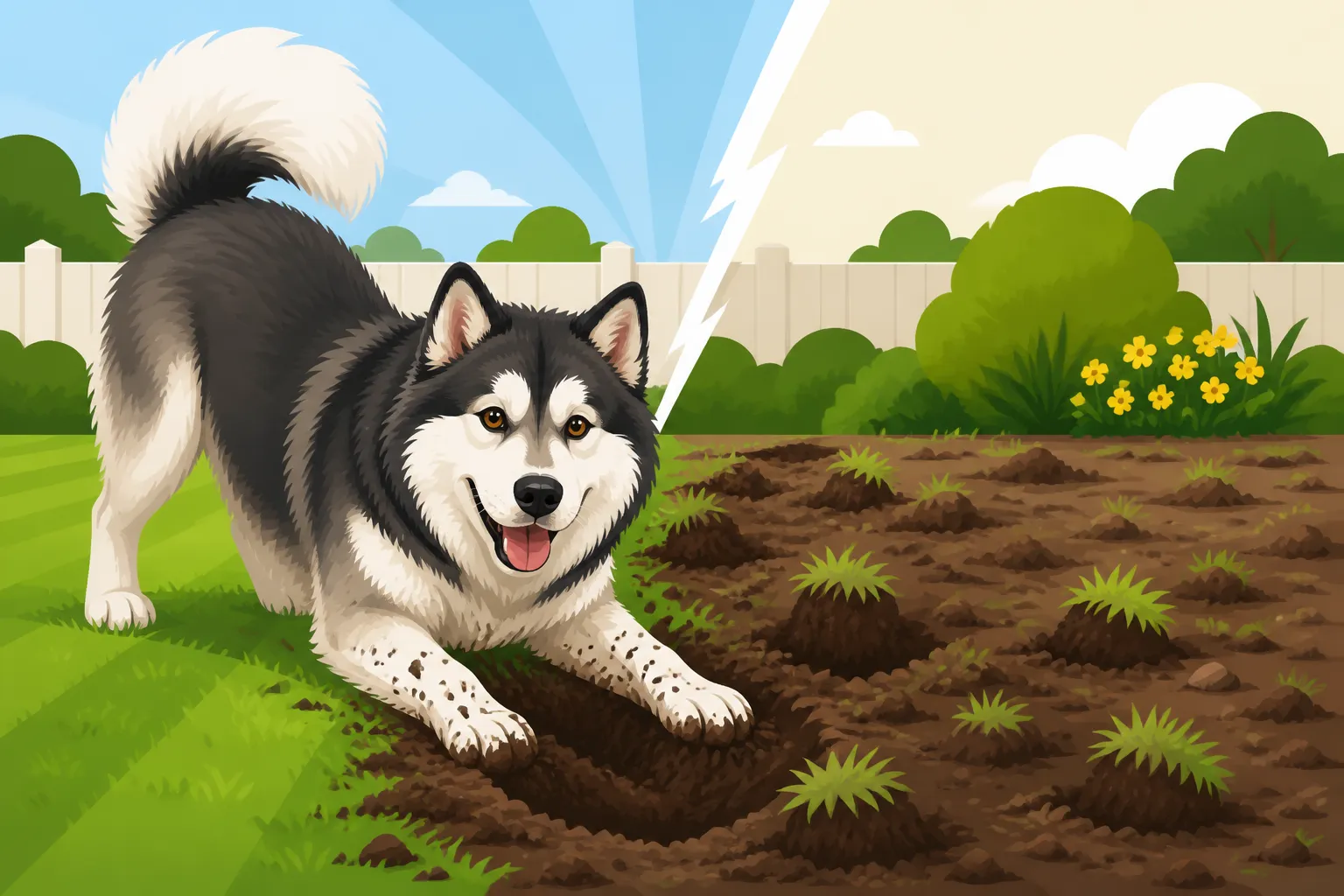
What a Malamute Does to a Lawn
Oh, the lawn! It's a battleground for many Alaskan Malamute owners, isn't it? You spend hours cultivating that lush green carpet, only for your furry friend to transform it into a lunar landscape of craters and yellow spots. It's frustrating, heartbreaking, and often feels like an unwinnable war. This guide is here to shed light on why your Malamute seems determined to redecorate your yard and, more importantly, what you can actually do to manage their natural instincts and reclaim some semblance of a beautiful lawn.
The Malamute's Instinct to Dig: It's Not Naughtiness, It's Nature
Let's get one thing straight: your Malamute isn't digging up your prize-winning petunias out of spite. This behavior is deeply ingrained in their DNA, a survival mechanism honed over thousands of years living alongside the Mahlemut people in the harsh Arctic. It's not a flaw; it's a feature of the breed. Trying to "punish" it away often leads to more frustration for both of you and doesn't address the underlying drive.
A Deep-Rooted Historical Behavior
Think about where Alaskan Malamutes come from – the incredibly cold, unforgiving landscapes of the Arctic. In that environment, a cozy burrow wasn't a luxury; it was a necessity. Digging provided shelter from blizzards, a place to hide cached food from opportunistic scavengers, and even a cooler spot to escape the summer sun when their thick coats became a bit too much. These aren't just quaint historical facts; these instincts are alive and well in your modern Malamute, even if their "threat" is a warm afternoon rather than a polar vortex. They are simply doing what their ancestors did to survive. Your lawn, with its soft soil, is just begging to be sculpted into a functional den, in their eyes. For more insight into this ancient behavior, you might find Why an Alaskan Malamute Digs helpful.
Cooling Down and Searching for Critters
Beyond shelter, digging serves immediate, practical purposes for your Malamute. On a hot summer day, with that magnificent double coat, they can quickly overheat. What's the easiest way to find relief? Digging down a few inches to expose the cooler, damp earth beneath. It's their natural air conditioning system. You'll often notice them creating shallow scrapes or deeper holes in shaded areas or against the foundation of your house. It’s not just about comfort; it's about regulating their body temperature, which is crucial for a breed designed for frigid climates. Another powerful motivator for digging is their incredible prey drive. Malamutes were bred to hunt. Their noses are constantly working overtime, sniffing out the slightest scent of moles, voles, mice, or even juicy earthworms. If there's a critter burrowing under your lawn, your Malamute will find it and attempt to excavate it with gusto. That seemingly random crater in the middle of your yard? It might be the result of an intense, instinct-driven "hunt." This drive is so powerful that even the best training can't fully erase it, and a bored Malamute is often a digging Malamute. If you suspect boredom is a factor, read Why a Bored Malamute Digs.
Beyond the Digging: Other Lawn Destructive Behaviors
While digging is often the most dramatic form of lawn destruction, Malamutes have a few other tricks up their furry sleeves that can leave your yard looking less than pristine. It's not always about creating holes; sometimes it's about sheer presence and activity.
The 'Zoomies' and Path Creation
Anyone who's lived with a Malamute knows about the "zoomies" – those sudden, explosive bursts of energy where they tear around the yard at top speed, often in repetitive circles or figure-eights. While undeniably entertaining, these high-impact sprints can wreak havoc on your turf. Over time, these repeated runs along the same trajectory will create worn paths, especially in high-traffic areas like along the fence line, around trees, or to and from their favorite sunbathing spot. It's like having a miniature racetrack in your backyard. The grass simply can't withstand the constant pounding and friction. These paths aren't just unsightly; they can become muddy trenches in wet weather and dust bowls in dry spells, making maintenance even harder. You can't stop a Malamute from having fun, but understanding how their energy manifests is key to managing the impact on your lawn. Ensuring they have appropriate outlets for their energy, like regular walks or pulling activities, is crucial. Explore How Much Exercise an Alaskan Malamute Needs for more information.
Marking, Rolling, and General Wear and Tear
Beyond digging and running, the simple act of being a large, active dog on a lawn contributes to its demise. Urine spots, particularly from female Malamutes, can scorch grass, leaving behind those tell-tale yellow or brown patches that are a bane to every lawn enthusiast. The nitrogen in their urine is concentrated and acts like a powerful fertilizer, burning the grass rather than nourishing it. Then there's the rolling! Malamutes absolutely love to roll in interesting smells – a patch of fresh manure from a passing horse, a dead worm, or even just a particularly pungent patch of grass. This rolling not only flattens sections of your lawn but can also introduce unwanted elements or just make a mess of your clean dog. Finally, consider the sheer weight and power of an Alaskan Malamute. Their paws can churn up wet soil, especially during play or when they're excited. They can pull up newly laid sod, dislodge stepping stones, and generally reshape your landscaping simply by existing and enjoying their outdoor space. It's a constant battle between their natural exuberance and your desire for a perfectly manicured yard.
Here’s a quick overview of how Malamutes typically impact a lawn:
| Behavior Type | Common Manifestation | Underlying Cause | Impact on Lawn | Management Strategy |
|---|---|---|---|---|
| Digging | Craters, tunnels, shallow scrapes | Instinct (shelter, prey, cooling, caching) | Large holes, exposed roots, uneven ground, mud | Designated dig pit, pest control, proper exercise |
| Running/Zoomies | Worn paths, muddy tracks | Energy release, play | Bare soil, compacted earth, uneven growth, dust/mud | Adequate exercise, varied routes, durable landscaping |
| Urinating | Yellow/brown spots, dead patches | Natural bodily function, marking | Discolored grass, patchy growth | Dilution, designated potty area, dog-safe grass seeds |
| Rolling | Flattened areas, matted grass | Scent masking, itching, enjoyment | Localized damage, matted appearance | Regular grooming, clean environment, distraction |
| General Activity | Scraped earth, disturbed plants, broken twigs | Play, exploration, boredom | General wear, uprooted plants, scattered debris | Supervision, enrichment, durable landscaping |
Managing Malamute-Related Lawn Damage
While you can't completely eliminate a Malamute's natural behaviors, you can manage them. It's all about understanding their needs and redirecting those powerful instincts into acceptable outlets.
Creating Designated Digging Zones
One of the most effective strategies for preventing widespread lawn damage is to give your Malamute a specific, sanctioned place to dig. This is their "dig pit," and it's a game-changer for many owners. The key is to make this area more appealing than the rest of your yard. Choose a spot that's perhaps in a less visible corner, or one that naturally draws their attention. You can fill it with a mixture of sand and soil, perhaps even burying some of their favorite toys or treats to encourage them to use it. When you see them digging elsewhere, gently redirect them to their pit with praise and encouragement when they use it. Consistency is crucial here. If you're serious about saving your lawn, dedicating a spot for their digging is an investment that pays dividends. For detailed instructions on how to set this up, refer to Giving an Alaskan Malamute Its Own Digging Pit. You can find good, sturdy sandboxes or even large plastic kiddie pools on Amazon that can be repurposed as dig pits.
Enrichment and Exercise Alternatives
A tired Malamute is often a well-behaved Malamute, and one that is thoroughly exercised and mentally stimulated is less likely to resort to destructive behaviors like digging out of boredom. These dogs were bred for endurance and work; they need more than just a quick stroll around the block. Engaging in activities that tap into their natural pulling instinct, such as recreational sledding, canicross, or even urban mushing with a cart, can be incredibly fulfilling for them. Pulling Is the Only Job an Alaskan Malamute Really Wants emphasizes how vital this activity is. Long, sniffy walks where they can explore scents can also be mentally exhausting in the best way. Puzzle toys, training sessions, and interactive games like fetch or hide-and-seek can help burn off excess mental and physical energy. Remember, a Malamute that isn't given a job will often invent one for themselves, and that job often involves remodeling your yard. Consider looking into online training resources, like those offered by BAXTER & Bella, for ideas on how to keep your Malamute's mind active and engaged.
Protecting Your Pristine Patches
Sometimes, even with the best intentions and dedicated dig pits, certain areas of your lawn might need extra protection. This is where strategic barriers come into play. If your Malamute consistently targets a specific flower bed or a newly seeded patch, consider temporary fencing or even placing large, heavy rocks around the perimeter. For the committed escape artist, or the dog determined to dig under the fence, you might need to consider more robust solutions. Burying chicken wire or concrete footings along the fence line, extending several feet down and out, can be an effective deterrent. This is especially important for a breed known for its digging prowess, as discussed in How Deep a Malamute Fence Must Be Buried and Fencing a Yard Against a Malamute That Was Bred to Dig. You might also try commercially available, dog-safe deterrents or repellents for specific areas, though their effectiveness varies greatly depending on the individual dog and their motivation.
Long-Term Strategies for a Malamute-Friendly Yard
Creating a harmonious balance between your Malamute's needs and your landscaping desires is an ongoing project. It involves not just reactive measures but proactive planning and a deep understanding of your breed.
Choosing Resilient Landscaping
When planning your yard, consider Malamute-friendly landscaping options. Some grass varieties are hardier and more resilient to dog traffic and urine than others. Fescue and ryegrass, for example, tend to be more tolerant of dog urine than Kentucky bluegrass. Overseeding regularly with these robust varieties can help maintain a greener appearance. For areas where grass simply won't survive, consider alternative ground covers or hardscaping. Pea gravel, cedar mulch, or even artificial turf in small, high-traffic zones can be excellent solutions. These materials stand up better to digging, running, and general wear and tear, and they're easier to clean. Raised garden beds are also a Malamute owner's best friend, keeping delicate plants out of reach of curious paws and powerful noses. Think about creating natural pathways with stepping stones or pavers in areas where your Malamute loves to run, minimizing the wear on the grass itself.
Understanding Your Malamute's Needs
At the heart of a successful Malamute-proofed yard is a true understanding of the breed. These are dogs with ancient instincts, incredible intelligence, and boundless energy. They thrive on routine, clear boundaries, and plenty of physical and mental engagement. Expecting a Malamute to simply "not dig" or "not run" without providing acceptable alternatives is like asking a fish not to swim. It simply goes against their very nature. It's about working with their instincts, not against them. This might mean adjusting your expectations for a pristine, golf-course-quality lawn and instead embracing a more rugged, functional outdoor space that both you and your Malamute can enjoy. Every single day, your Malamute needs attention and activity to be truly content. For a broader look at their daily needs, consider What an Alaskan Malamute Needs Every Day.
Training and Management as Preventative Measures
Consistent training and vigilant management are your best tools in the battle for your lawn. Start early with a Malamute puppy, teaching them boundaries and redirecting undesirable behaviors. Positive reinforcement works wonders with this intelligent but independent breed; harsh methods are generally ineffective and can damage your bond. If you find yourself consistently frustrated, don't hesitate to seek professional help. A qualified dog trainer can provide invaluable guidance on managing your Malamute's specific quirks and helping you establish effective communication. Many Malamute owners find that even with years of experience, a refresher course or specialized advice can be incredibly beneficial. Remember, these dogs test boundaries, especially during their adolescent phase, as mentioned in The Age an Alaskan Malamute Tests Its Owner. Staying consistent with rules and expectations is key. Online platforms or local trainers, perhaps through services similar to BAXTER & Bella, can offer structured programs to help. Building a strong, trusting relationship where your Malamute understands your expectations is the ultimate preventative measure, even if it means acknowledging that some digging might still happen from time to time. Learn more about effective methods in Why Force Fails on an Alaskan Malamute and consider if Whether a Malamute Needs a Professional Trainer is right for you.
Disclaimer
This article is for general informational purposes only and does not constitute professional advice. Laws, prices and regulations vary by location and change over time. Consult a qualified professional for guidance on your specific situation.