Why a Dog Park Is Wrong for an Alaskan Malamute
It's a common dream for many dog owners: heading to the local dog park, letting your beloved companion run free, mingle with other pups, and burn off some energy in a big, open space. For some breeds, this vision might even hold true. But if you're the proud guardian of an Alaskan Malamute, that picture-perfect dog park scenario often turns into a stressful, unpredictable, and sometimes even dangerous experience. This guide is going to delve deep into why the typical dog park environment is usually the wrong fit for your magnificent Malamute and offer some much safer, more fulfilling alternatives.
Understanding the Alaskan Malamute's Core Nature
To truly grasp why dog parks often clash with a Malamute's personality, we need to go back to their roots. These aren't just big, fluffy dogs; they are ancient, purpose-bred animals with instincts that are incredibly strong and deeply ingrained. Understanding these foundational traits is key to providing them with a happy, safe life.
Deep-Seated Prey Drive and Small Animal Risk
Alaskan Malamutes were bred for freighting in harsh Arctic conditions, yes, but they also had to be capable hunters, often working alongside the Mahlemut people to find food. This means they possess a powerful prey drive. When you see your Malamute intensely focused on a squirrel in the yard or a rabbit darting across a field, you're witnessing generations of instinct at play.
Now, translate that into a dog park setting. Imagine a smaller, fast-moving dog—perhaps a terrier or a tiny poodle mix—zipping around. To your Malamute, especially one that hasn't been extensively socialized with small breeds from puppyhood, this can trigger that ancient prey response. It's not malice; it's instinct. Suddenly, the fun play session can turn into a chase that's not fun for the smaller dog, and potentially very dangerous. Owners of Malamutes often face immense frustration trying to manage this, feeling like they constantly have to be on guard, ready to intervene at a moment's notice. It’s a lot of pressure, and it’s why many Malamute owners dread the thought of an off-leash park with unknown little dogs. What an Alaskan Malamute Was Bred to Hunt gives more context to this inherent trait.
Same-Sex Aggression and Pack Dynamics
Another critical aspect of Malamute nature, stemming from their pack heritage, is a predisposition to same-sex aggression. This isn't universal, and proper socialization can mitigate it, but it's a known breed trait, particularly among intact males but also seen in females. In a pack environment, dogs establish a hierarchy, and sometimes this involves challenges. Dog parks, by their very nature, throw together a random assortment of dogs, all with varying social skills, energy levels, and statuses (intact or neutered/spayed).
When two dominant dogs of the same sex meet in an uncontrolled setting like a dog park, especially if one or both are intact, the potential for conflict skyrockets. What might start as a stiff-legged greeting can quickly escalate into a serious fight as they try to establish dominance or simply communicate a perceived challenge. Many Malamute owners have experienced the terrifying suddenness with which these interactions can turn sour, leaving them feeling helpless and responsible for potential injury. It’s a heartbreaking reality when your usually calm dog suddenly snaps at another dog that looks just like them, or another male that approaches with too much confidence. Understanding Why Malamutes Fight Dogs of the Same Sex can help shed light on this complex behavior.
Independent and Selective Play Style
Malamutes are thinkers, problem-solvers, and often possess a strong independent streak. They weren't bred to mindlessly fetch a ball for hours or engage in frantic, unstructured play with every dog they meet. Their play tends to be more deliberate, often involving wrestling, chasing, and body-checking, which can look very rough to other breeds and their owners.
In a dog park, this robust play style can be easily misunderstood. A smaller, more delicate dog might be terrified by a Malamute's playful pounce, and a less tolerant dog might interpret a body block as aggression. Your Malamute might just want to engage in a good game of chase or tug with a suitable partner, but the chaotic nature of a dog park means they're constantly navigating different play languages. This can lead to frustration for your Malamute, as their attempts to play might be met with fear or aggression from others, and it can certainly lead to conflict. They often prefer to choose their playmates carefully rather than being forced into interactions with every dog present.
The Unpredictable Environment of a Dog Park
Beyond the inherent traits of your Malamute, the dog park itself presents a myriad of challenges that make it a less-than-ideal choice for this breed. It’s an environment built on assumptions that don’t always hold true.
Lack of Supervision and Varying Dog Temperaments
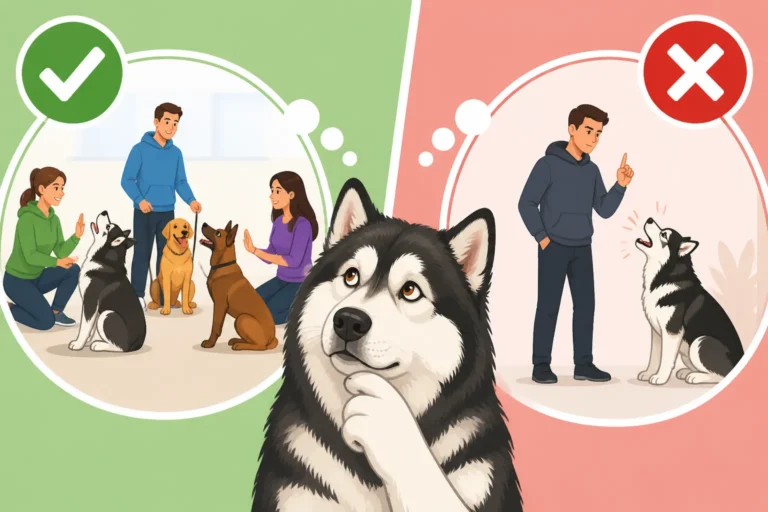
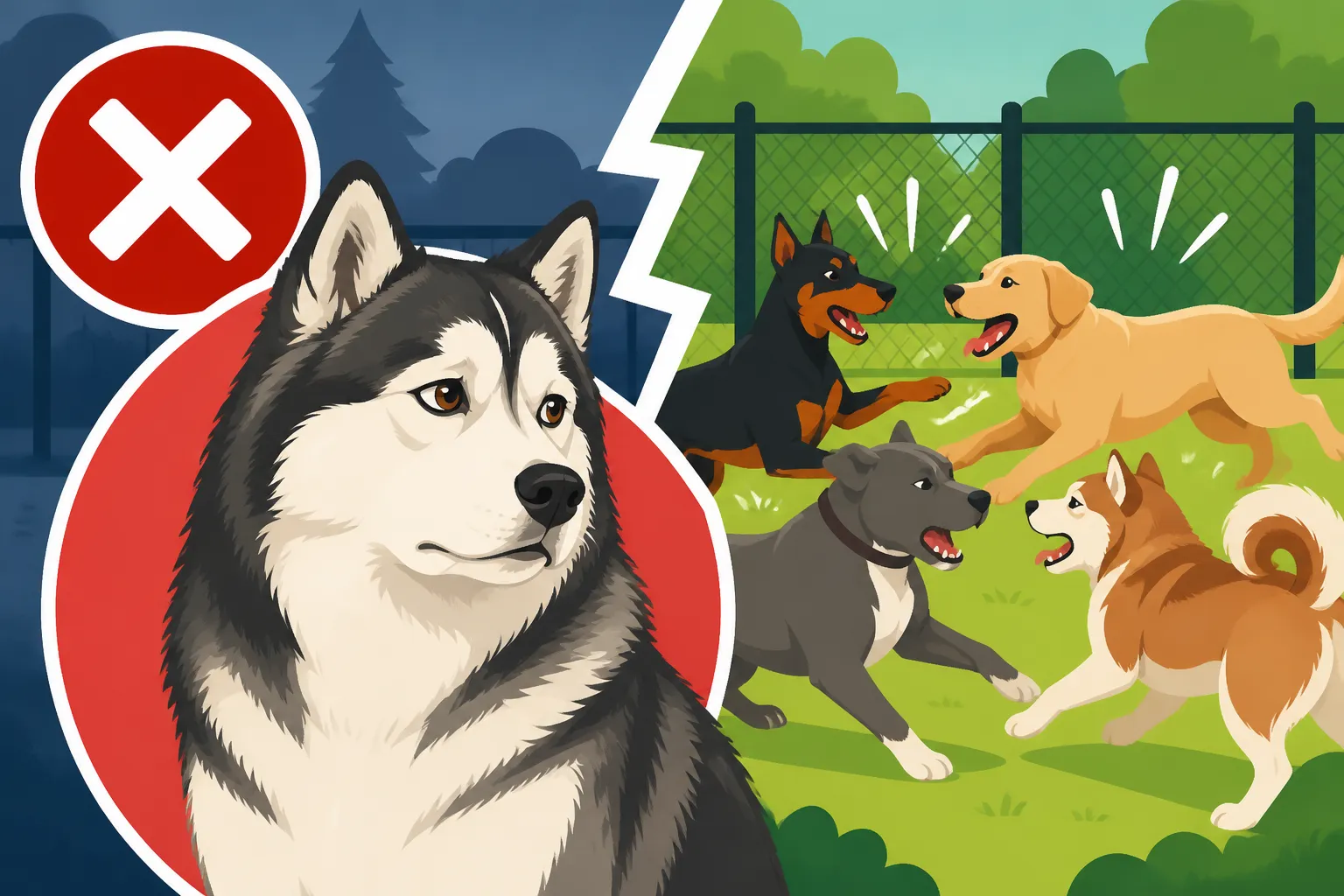
Let’s be honest: not all dog park attendees are responsible owners. You'll often find people engrossed in their phones, oblivious to what their dog is doing, or simply lacking the knowledge to read dog body language. This creates a dangerous vacuum of supervision. When you combine this with a diverse group of dogs—some well-socialized, some poorly, some anxious, some aggressive, some tiny, some enormous—it’s a recipe for disaster.
Your Malamute, being a powerful and sometimes assertive breed, can become the target of fear-based aggression from smaller, less confident dogs, or they might inadvertently intimidate another dog just by their sheer size and presence. Conversely, an ill-behaved dog might pester your Malamute, and if the other owner isn't paying attention, your dog could reach their tolerance limit, leading to an unwanted reaction. The lack of consistent, knowledgeable human intervention is a huge red flag for Malamute owners who know their dogs thrive on clear boundaries and predictable interactions. How Common Dog Aggression Is in Alaskan Malamutes touches on how these interactions can go wrong.
Overstimulation and Arousal
A dog park is often a sensory overload. Barking, chasing, wrestling, new smells, multiple dogs and people moving in unpredictable ways – it’s a lot for any dog to process. For a Malamute, whose working heritage means they thrive on focus and purpose, this kind of chaotic environment can quickly lead to overstimulation.
When a dog becomes overstimulated, their arousal levels rise. This can make them less likely to listen to cues, more prone to impulsive reactions, and generally less able to manage their emotions. What might start as excitement can quickly tip into anxiety or frustration, leading to snapping, rough play that gets out of hand, or even fights. Instead of a relaxing outing, it becomes a high-stress situation that reinforces reactivity and anxiety, rather than positive socialization. Many owners report their Malamutes becoming "wound up" and struggling to calm down after a dog park visit, which defeats the purpose of exercise and enjoyment.
Risks and Consequences for Your Malamute (and Others)
The inherent challenges of a Malamute's nature combined with the unpredictable dog park environment lead to very real risks and potentially severe consequences. It's not just about a bad day out; it can have lasting repercussions.
Potential for Serious Dog Fights
Given their size, strength, and strong bite inhibition (or lack thereof in high-arousal situations), a Malamute involved in a dog fight can cause significant injury to another dog. This is not to say Malamutes are inherently aggressive, but if a conflict arises, their power makes the stakes much higher. A minor squabble between two smaller dogs might result in a scratch, but a fight involving a Malamute could lead to serious vet bills, lasting trauma for the other dog, and even legal action.
The emotional toll on you, the owner, is also immense. The guilt, fear, and stress of having your dog involved in a serious incident can be overwhelming. It can also sour your dog's future interactions with other canines, creating reactivity where there once was none. It's a risk that, for many Malamute owners, simply isn't worth taking. Knowing What a Malamute Fight Does to the Other Dog can help owners understand the gravity.
Developing Negative Behaviors
Ironically, instead of fostering good social skills, dog parks can actually teach Malamutes bad habits. Constant exposure to pushy, ill-mannered, or fearful dogs can erode a Malamute's patience and lead them to become reactive or defensive. They might learn to guard toys or space because they've had things taken from them. They might become bullies if they find they can intimidate other dogs. They might also become anxious and withdrawn if they are constantly overwhelmed.
These negative behaviors don't just stay at the dog park. A Malamute who learns to be reactive or aggressive in that setting can start generalizing those behaviors to other situations, making walks on-leash stressful and controlled introductions even more difficult. It's crucial to remember that good socialization isn't just about exposure; it's about positive, controlled exposure that builds confidence and appropriate social skills. Dog parks rarely offer that controlled environment.
Safer Alternatives for Malamute Socialization and Exercise
So, if dog parks are largely off the table, what can you do to ensure your Malamute gets the exercise, mental stimulation, and appropriate social interaction they need? Plenty! The key is control, predictability, and engaging their natural instincts in a positive way.
Controlled One-on-One Playdates
This is hands down one of the best ways to provide social interaction for your Malamute. Instead of a free-for-all, arrange playdates with one or two dogs you know are well-socialized, have a similar play style, and are roughly the same size and temperament. Introduce them in a neutral, securely fenced area (like a friend's yard, a rented dog field, or a quiet park during off-peak hours).
Supervise closely, watching for signs of stress or over-arousal. Keep initial play sessions short and positive, ending on a good note before anyone gets too tired or cranky. This controlled environment allows your Malamute to build genuine friendships and learn appropriate social cues without the pressure and unpredictability of a dog park. This structured approach fosters confidence and positive associations with other dogs. For tips on managing multi-dog households, Crate and Rotate Works With Two Malamutes offers valuable insights.
Structured Activities and Training
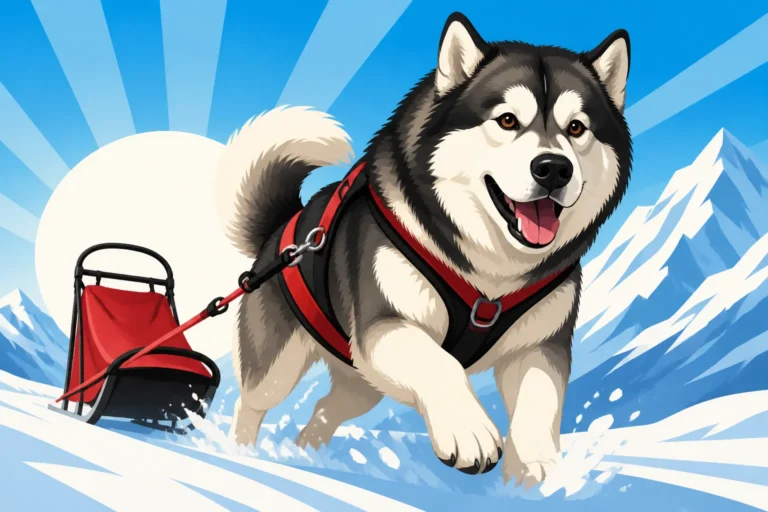
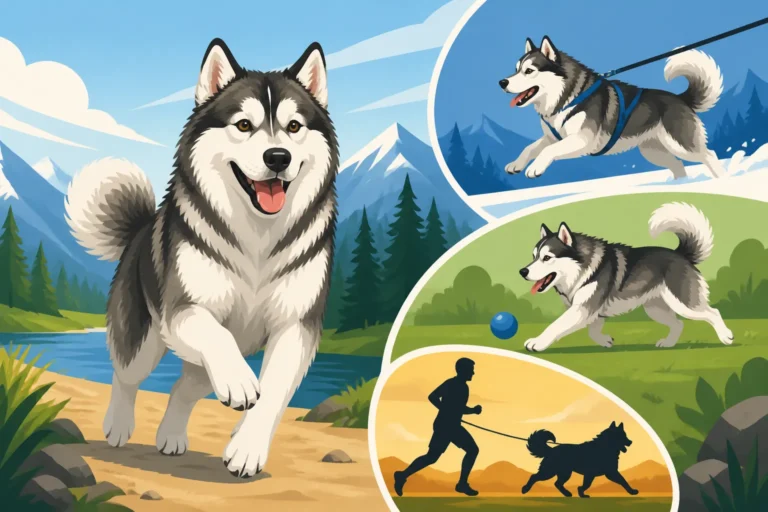
Alaskan Malamutes are intelligent, athletic, and thrive when they have a job to do. Lean into their heritage! Activities that engage their pulling instinct, like urban mushing, carting, or even What Weight Pull and Sledding Cost a Malamute Owner, are fantastic ways to burn energy and provide mental satisfaction. These activities are typically done with a single dog or a small, carefully selected team, minimizing the risks of chaotic group interactions.
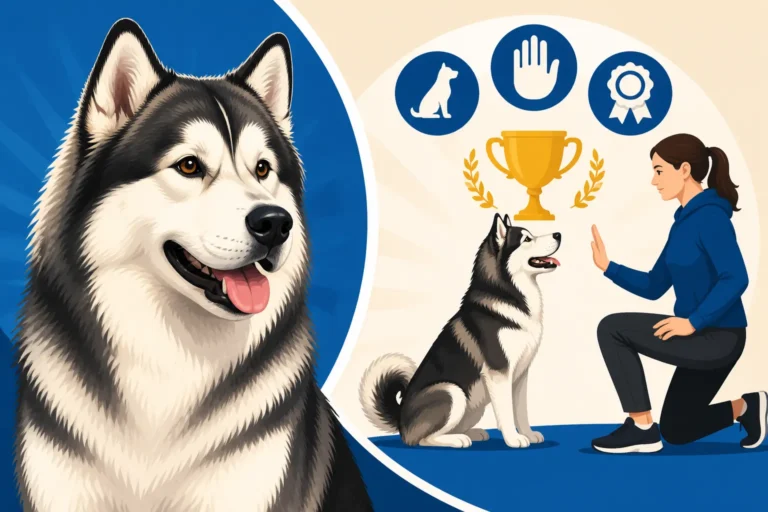
Hiking on a long line in a safe, secluded area is another excellent option, allowing them to explore and sniff without the pressure of off-leash park rules or unpredictable encounters. Nose work or scent detection games can tap into their natural hunting instincts in a controlled, fun way. Companies like BAXTER & Bella offer online training programs that can help you build a strong bond with your Malamute and teach them appropriate behaviors in various settings, making these structured activities even more rewarding. Focused training sessions, even short ones, can be incredibly enriching. Pulling Is the Only Job an Alaskan Malamute Really Wants highlights the importance of these activities.
Secure, Private Spaces
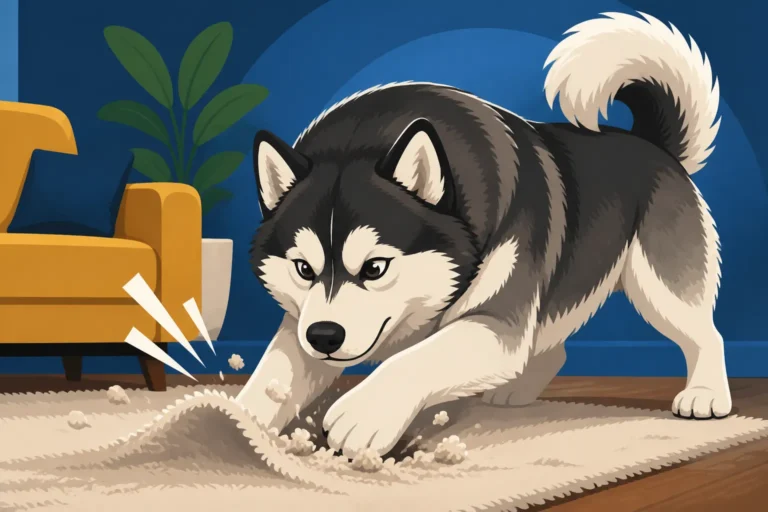
Sometimes, the best solution is simply giving your Malamute a safe, private space to run. If you have a large, securely fenced yard, that's ideal. Remember, Malamutes are escape artists, so that fence needs to be robust and potentially include dig-proofing. How Far Down a Malamute Will Dig really drives home this point. Consider burying concrete footings or using heavy-duty mesh at the base of your fence.
If a private yard isn't an option, look for local private dog parks or fields that can be rented by the hour. These spaces offer all the benefits of a large, open area without the dangers of unknown dogs. You can bring a friend and their compatible dog, or just let your Malamute enjoy the space alone, playing fetch with a durable toy, perhaps from Amazon, or practicing recall in a safe environment. The peace of mind knowing your Malamute is safe and contained is priceless.
Here’s a quick overview of why dog parks generally aren't the best fit and what alternatives offer:
| Feature | Dog Park Environment | Controlled Alternatives (Playdates, Structured Activities, Private Spaces) |
|---|---|---|
| Supervision | Often lacking; relies on other owners. | Always present and attentive by you and trusted companions. |
| Dog Temperament | Unknown, highly varied; includes anxious/aggressive dogs. | Known, carefully selected; compatible play styles. |
| Play Style | Chaotic, unpredictable; can lead to misunderstandings. | Deliberate, matching energy levels; structured and focused. |
| Prey Drive Risk | High for smaller dogs/animals. | Minimized; can avoid small dogs or manage with strict supervision. |
| Same-Sex Aggression | High risk, especially with intact dogs. | Managed by careful selection of playmates or by avoiding multiple same-sex dogs. |
| Overstimulation | Very high; can cause stress and reactivity. | Low; environment is calmer, more predictable, and less chaotic. |
| Injury Risk | Higher due to unpredictable interactions. | Significantly lower with known dogs and controlled settings. |
| Behavioral Learning | Can reinforce negative habits (reactivity, guarding). | Fosters positive social skills, confidence, and appropriate play. |
| Owner Stress | High; constant vigilance required. | Low; allows for enjoyment and relaxation. |
Ultimately, while the idea of a dog park might seem appealing, the reality for an Alaskan Malamute often falls short. By understanding their unique needs and choosing environments that cater to their strength, intelligence, and specific social dynamics, you can ensure your Malamute leads a rich, fulfilling, and safe life.
Disclaimer
This article is for general informational purposes only and does not constitute professional advice. Laws, prices and regulations vary by location and change over time. Consult a qualified professional for guidance on your specific situation.