What a Malamute Fight Does to the Other Dog
When you welcome an Alaskan Malamute into your family, you're signing up for a loyal, strong, and incredibly intelligent companion. But let's be realistic: these are powerful dogs with strong instincts, and sometimes, despite our best efforts, incidents can happen. The heartbreaking reality of a Malamute fight is not just the immediate chaos and fear, but the devastating physical and emotional toll it takes on the other dog involved. This guide isn't about blaming; it's about understanding the profound impact and what you can do both immediately and in the long run to cope with, and ideally prevent, such a traumatic event.
The Immediate Physical Fallout: What You See Right Away
It’s easy to panic in the moment, but once the dogs are separated and the adrenaline starts to subside, your immediate concern will be the physical well-being of the dog that was on the receiving end of the Malamute's power. What might look like a few nips on the surface can often hide a much more serious story beneath.
Surface Wounds vs. Hidden Injuries
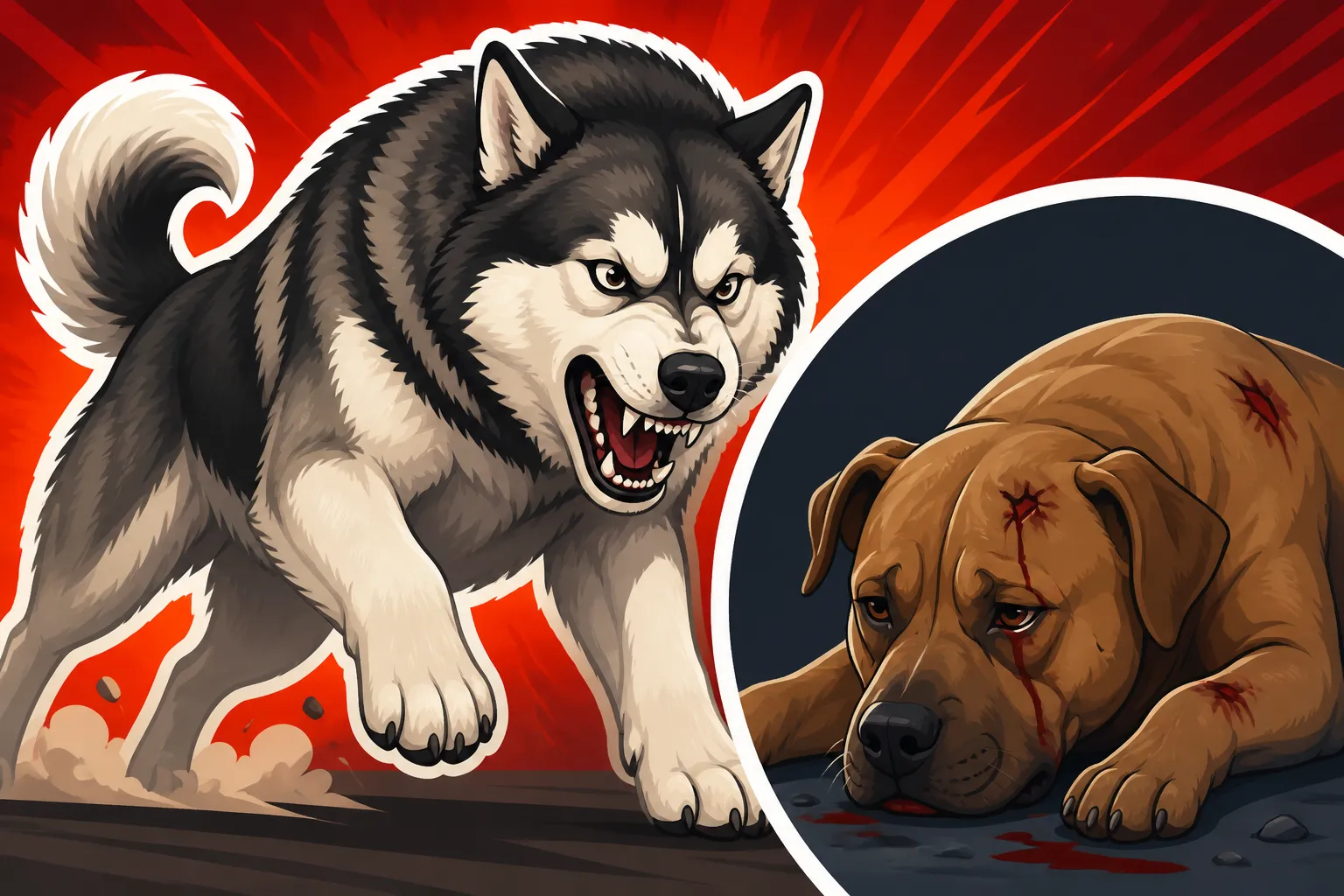
When a Malamute, with its substantial size and powerful jaws, engages in a fight, the most obvious signs of trouble are often the superficial ones: scrapes, torn fur, and minor skin abrasions. You might see a little blood, a ruffled patch of fur, or a superficial scratch that seems to heal quickly. It’s natural to breathe a sigh of relief if these are all you notice, but that can be a dangerous oversight. Malamute teeth are designed for gripping and tearing, and even a quick bite can cause a deep puncture wound that seals over quickly on the surface, trapping bacteria inside and setting the stage for a severe infection.
Imagine a situation where your Malamute, perhaps startled or reacting to a perceived threat, snaps at a smaller terrier-mix on a walk. You pull them apart quickly. On first glance, the terrier might just have a few missing tufts of fur and a small red mark. However, that small red mark could be the tip of an iceberg, masking a deep puncture that went through layers of tissue. We've seen countless cases where what appeared to be a minor scuffle resulted in an abscess days later, requiring extensive veterinary intervention. The sheer force of a Malamute's bite can also cause significant bruising and internal trauma even without breaking the skin, leading to pain and swelling that might not be visible until hours later. Always assume hidden injury until a vet proves otherwise.
The "Shake-Out" and Beyond: Soft Tissue Trauma
Beyond the bite wounds themselves, the sheer physical power of an Alaskan Malamute can inflict trauma through brute force. These dogs are built like tanks, bred for pulling heavy loads, and their body weight and musculature can be formidable, especially against a smaller or lighter dog. A Malamute doesn't even need to land a direct bite to cause serious harm. The momentum of a charge, a body slam, or a forceful "shake-out" can have devastating effects.
Picture this scenario: your Malamute, known for its Same Sex Aggression in a Pack Bred Alaskan Malamute, gets into it with a neighbor's dog. While you and the neighbor scramble to intervene, your Malamute might grab the other dog and shake them violently, or simply throw its weight into them repeatedly. This kind of action can lead to severe soft tissue damage, similar to what a human might experience in a car accident. We're talking about muscle strains, torn ligaments, dislocated joints, or even fractures from the impact or twisting motions. The smaller dog could suffer whiplash if their head is suddenly twisted, or internal bruising from being slammed to the ground. These types of injuries are often invisible initially and can manifest as lameness, pain, or reluctance to move hours or even a full day later. It's crucial to consider these possibilities, especially if the fight involved a significant size disparity.
Head, Neck, and Vital Organs
The most critical and life-threatening injuries in a dog fight often involve the head, neck, and torso. A Malamute's strong jaws can easily crush smaller bones or tear through vital structures. A bite to the head can result in fractured skulls, severe eye injuries (including blindness), or damage to the ears and jaw. The neck is particularly vulnerable, containing the trachea, esophagus, jugular veins, and carotid arteries. Even a glancing bite to this area can lead to severe bleeding, difficulty breathing, or nerve damage.
Consider a heartbreaking situation where your Malamute, perhaps triggered by another dog invading its perceived space, goes for the neck. A quick, forceful bite in this area can be catastrophic, leading to immediate suffocation or rapid blood loss. Similarly, bites to the chest or abdomen can cause internal bleeding, collapsed lungs, or damage to organs like the liver, spleen, or intestines. These internal injuries are often silent killers, showing few external signs until the dog is in critical condition. Any dog involved in a serious scuffle with a large, powerful breed like a Malamute absolutely needs a thorough veterinary examination to rule out these hidden dangers. Don't delay—time can be of the essence in saving a life.
The Silent Wounds: Psychological Scars on the Other Dog
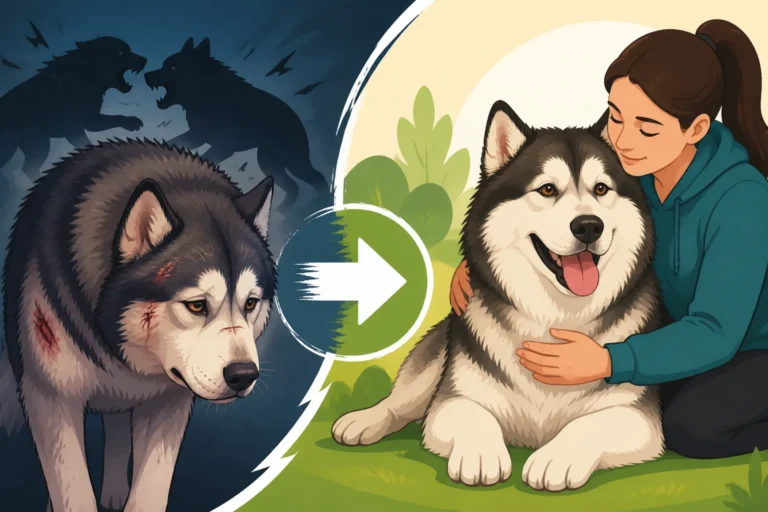
While the physical injuries might heal, the psychological trauma from a Malamute fight can linger for months, even years, affecting the other dog's quality of life and its relationship with its human family. These are the "silent wounds" that often go unnoticed or are misunderstood.
Fear, Anxiety, and Hypervigilance
A single traumatic event, like being attacked by a powerful Malamute, can shatter a dog's sense of safety and dramatically alter its perception of the world. The other dog might develop severe fear and anxiety, becoming hypervigilant in environments where they once felt secure. This could manifest as trembling, cowering, excessive panting, or even destructive behaviors when left alone, stemming from separation anxiety or generalized fear. They might start to associate previously neutral stimuli, like the jingle of keys, the sight of a leash, or the sound of another dog barking, with the terrifying experience of the attack.
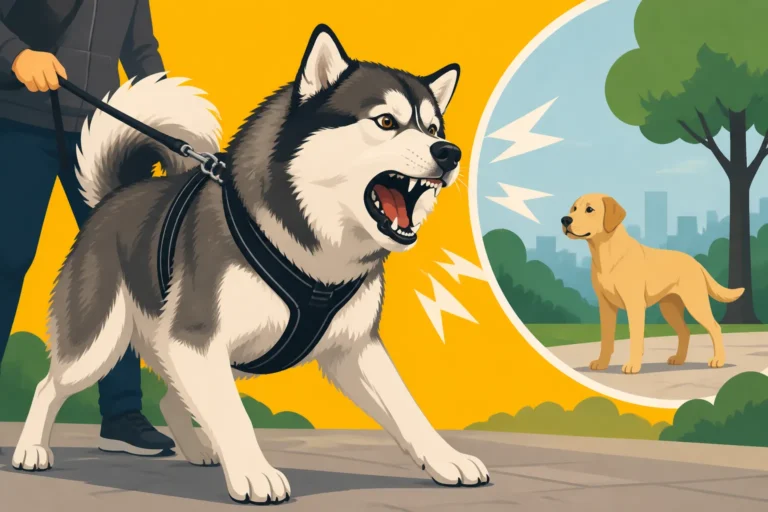
Imagine a previously outgoing and friendly Labrador retriever, a social butterfly who loved meeting new dogs at the park. After being violently attacked by an off-leash Malamute, this Labrador now freezes at the sight of any large dog, pulls frantically on the leash to escape, or even snaps and snarls if another dog gets too close, entirely out of fear. Their joy in walks is replaced by dread, and their personality fundamentally shifts. This isn't naughtiness; it's a profound trauma response, akin to PTSD, and it requires immense patience and professional guidance to help them feel safe again.
Loss of Confidence and Social Regression
Beyond outright fear, a dog that has been attacked can suffer a significant loss of confidence, leading to social regression. A dog that was once playful and comfortable in social situations might become withdrawn, preferring to hide or avoid interaction. Their body language, once open and inviting, might become closed and defensive, signaling to other dogs that they are anxious or unwilling to engage. This can create a vicious cycle, as other dogs might then react negatively to their fearful cues, further eroding their confidence.
Consider a confident Beagle puppy, typically boisterous and eager to play. If this pup experiences a traumatic encounter with an aggressive Malamute, it might stop initiating play, avoid eye contact with other dogs, or even become reactive – snapping and growling – when approached, as a desperate attempt to create distance and prevent another attack. This isn't true aggression but fear-based reactivity. Leash Reactivity in an Alaskan Malamute is often about fear, and the same applies to the victim dog. Their ability to communicate effectively with other canines is compromised, making future positive social interactions incredibly challenging. They may effectively "forget" how to be a dog in a healthy social context, requiring extensive re-socialization in carefully controlled environments.
Impact on the Human-Animal Bond
The emotional fallout of a dog fight isn't confined to the canine victims; it also deeply impacts the bond between the traumatized dog and its owner. An owner who witnessed their beloved pet being attacked may also develop anxiety, becoming hyper-vigilant and fearful during walks or outings. This understandable human anxiety can inadvertently be communicated to the dog, reinforcing their own fears and hindering their recovery. The dog, sensing its owner's stress, might interpret it as confirmation that the world is indeed a dangerous place.
Furthermore, a dog might even develop a subtle distrust if they felt unprotected during the attack. While this isn't a conscious blame game, the feeling of vulnerability can strain the deep connection. Owners might feel immense guilt, leading them to overcompensate or coddle the dog, which, while well-intentioned, can prevent the dog from rebuilding its own resilience. Rebuilding trust and confidence in both directions is a critical part of recovery, and it often requires both human and canine partners to work through their shared trauma. It's a journey that speaks volumes about the strength of their relationship.
Navigating the Aftermath: Immediate Steps and Long-Term Recovery
Witnessing a dog fight is terrifying, and knowing what to do in the immediate aftermath, and how to support your dog through recovery, is crucial. This isn't just about patching up wounds; it's about holistic healing.
Crisis Management: Securing the Scene and First Aid
The very first step after a dog fight is to safely separate the animals and secure them. Never put yourself directly between two fighting dogs, especially powerful breeds like Malamutes, as you risk severe injury. Use a barrier, a break stick if trained, or distract them with a loud noise or spray of water. Once separated, immediately secure the Malamute in a crate or another room. Your priority then shifts to the injured dog. Check for obvious bleeding, open wounds, or signs of shock (pale gums, rapid breathing, weakness). Apply direct pressure to any bleeding wounds with a clean cloth.
Even if you don't see overt injuries, contact your veterinarian immediately. Do not wait. Explain the situation, including the size difference and the ferocity of the attack. They will likely advise you to bring the dog in right away. While you wait, keep the injured dog warm and as calm as possible. Avoid moving them more than necessary if you suspect internal injuries or fractures. If your Malamute has shown aggression before, considering measures like Why Every Malamute Should Be Muzzle Trained for public outings can be a proactive step to prevent future incidents. Remember, your vet is your first and most critical resource in this crisis.
Veterinary Intervention: Beyond the Surface
A thorough veterinary examination is paramount, even if injuries seem minor. As discussed, a Malamute's bite can cause deep puncture wounds that quickly seal over, creating a perfect environment for infection. Your vet will meticulously check for these, often requiring shaving fur and a careful palpation of the entire body. They will likely recommend X-rays to check for fractures or dislocations, and possibly ultrasound or blood work to rule out internal organ damage or bleeding.
Treatment might involve wound cleaning, surgical closure of deep lacerations, antibiotics to prevent or treat infection, and significant pain medication. Dogs are incredibly stoic, and they often hide pain, so a vet's keen eye and diagnostic tools are essential. The recovery might be lengthy, requiring follow-up appointments, wound care at home, and strict rest. It’s a financial and emotional commitment, but it’s absolutely necessary for your dog's physical healing. Think of it as a comprehensive approach, not just band-aids.
Behavior Modification and Rehabilitation
Once physical wounds begin to heal, the long road of psychological rehabilitation often begins. This is where working with a certified professional dog behaviorist or trainer experienced in trauma is invaluable. They can assess your dog's new fears, anxieties, and reactive behaviors and develop a tailored plan. This often involves desensitization and counter-conditioning techniques, slowly re-introducing your dog to triggers (like other dogs, or the park where the incident occurred) in a controlled, positive way. The goal is to change your dog's emotional response from fear to neutrality or even positive anticipation.
For example, a behaviorist might start with simply having another calm, well-behaved dog visible at a distance your traumatized dog can tolerate, pairing the sight of the other dog with high-value treats. Over time, the distance is gradually reduced, always ensuring the traumatized dog remains below its "fear threshold." This kind of work is slow, requires immense patience, and consistency. Resources like online training platforms, such as those offered by BAXTER & Bella, can provide guidance and support, or you might find specialized training gear on Amazon, like calming vests or puzzle feeders, to help manage anxiety during this period. It’s about building new, positive associations and rebuilding confidence, brick by careful brick.
Prevention is Key: Mitigating the Risk of a Malamute Fight
Understanding the potential consequences of a Malamute fight is a sobering reminder of the immense responsibility that comes with owning these magnificent dogs. Proactive prevention is always better than reactive damage control, and it starts with a deep understanding of the breed.
Understanding Malamute Nature
Alaskan Malamutes are not like many other breeds. They were bred for specific purposes in harsh environments, and many of their traits – their strength, their independence, their keen intelligence, and often a strong prey drive – are hardwired. They have a history of working in packs, but also possess inherent leadership qualities. This means that while they can be incredibly affectionate and gentle with their human families, their interactions with other dogs can be complex. What an Alaskan Malamute Was Bred to Hunt means they possess a natural instinct that can be misdirected towards smaller, faster-moving animals, including other dogs.
Furthermore, issues like How Common Dog Aggression Is in Alaskan Malamutes, particularly same-sex aggression, are not uncommon. It's not about them being "mean" dogs, but rather that their ancestral instincts and competitive nature for resources or rank can surface. An owner who understands these inherent traits can better anticipate potential conflict situations and manage their Malamute accordingly. They need an experienced hand that respects their independence while providing firm, consistent guidance. Never underestimate their instincts or assume they will simply "get along" with every other dog.
Responsible Ownership and Management
Given their powerful nature, responsible ownership is non-negotiable for an Alaskan Malamute. This means absolute diligence in management. A secure, Malamute-proof yard is essential, often requiring fencing that is taller than standard and buried deep to prevent A Malamute's Digging Is Not a Problem, It Is the Breed. Off-leash privileges are almost always out of the question due to their strong prey drive and the fact that Why an Alaskan Malamute Will Never Have a Reliable Recall is a common trait of the breed. Even the most well-trained Malamute can be tempted by a squirrel or a scent, and once they're off, they're gone.
Every walk should be on a secure harness and leash. Avoid crowded dog parks, especially if your Malamute has shown any signs of dog-dog intolerance. If you know your Malamute has issues with certain types of dogs or in specific situations, actively avoid those triggers. This isn't about restricting your dog's life, but about protecting both your Malamute and other dogs. Consistent training from a young age, focusing on positive reinforcement and clear boundaries, is vital. Remember, a well-managed Malamute is a joy; an unmanaged one is a potential liability. The First Year With an Alaskan Malamute Puppy lays the foundation for all future behaviors and management strategies.
Early Socialization and Training
While Malamutes are naturally independent, appropriate and early socialization is still crucial, though it must be done thoughtfully and carefully. This isn't about letting your puppy run wild with every dog it meets. It's about controlled, positive introductions to a variety of dogs, people, sounds, and environments, ideally before your Malamute puppy is fully vaccinated and under the guidance of a professional. Enroll in puppy classes that emphasize positive reinforcement and teach you how to read dog body language.
Continuing training throughout their lives reinforces your bond and helps manage their strong will. While Whether Positive Training Alone Works on a Malamute might require adaptation for this independent breed, consistency with rewards-based methods is key. The goal is to build a dog that trusts your leadership and looks to you for guidance, even in tempting situations. Early intervention for any signs of fear, reactivity, or aggression is critical. Ignoring early warning signs can lead to much larger problems down the road, and for a breed of this power, that's a risk you simply cannot afford to take.
Understanding the Stakes: A Summary
The table below summarizes the potential physical and psychological impacts a Malamute fight can have on the other dog. It's a stark reminder of why prevention and immediate action are so critical.
| Aspect | Physical Impact | Psychological Impact |
|---|---|---|
| Immediate | Puncture wounds, lacerations, bruising | Shock, acute fear response |
| Hidden | Internal bleeding, organ damage, fractures, sprains | Trauma, hypervigilance, anxiety, panic attacks |
| Long-term | Chronic pain, arthritis from joint damage | Phobias, reactivity, social withdrawal, aggression (fear) |
| Recovery | Surgery, antibiotics, pain management, physical therapy | Desensitization, counter-conditioning, behavior modification |
This comprehensive understanding underscores the grave responsibility of Malamute ownership. By acknowledging their powerful nature, implementing rigorous management strategies, and prioritizing proactive training and socialization, we can strive to prevent these heartbreaking incidents and ensure the safety and well-being of all dogs in our community.
Disclaimer
This article is for general informational purposes only and does not constitute professional advice. Laws, prices and regulations vary by location and change over time. Consult a qualified professional for guidance on your specific situation.