Rehabilitating a Malamute After a Serious Fight
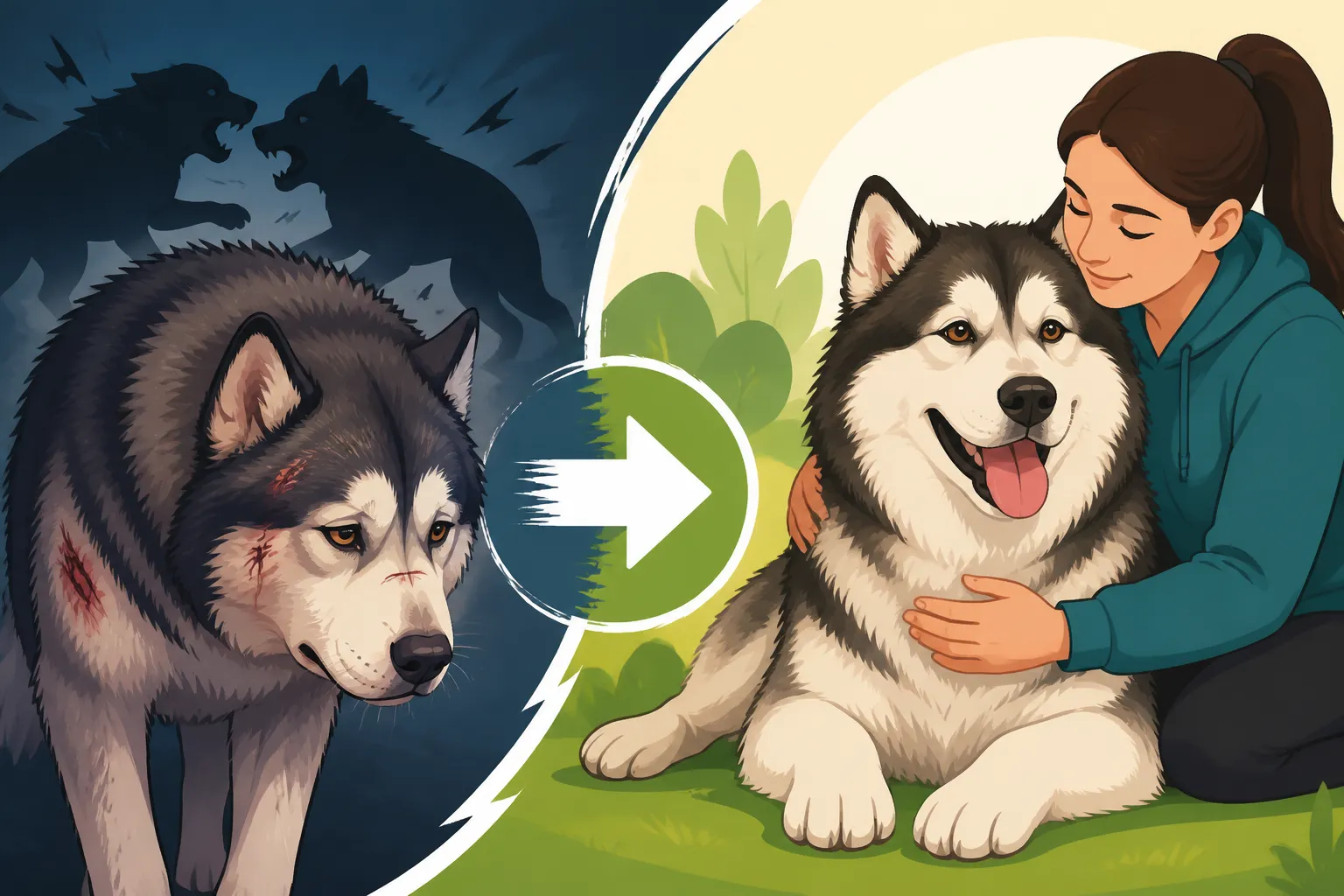
A serious dog fight, particularly one involving powerful breeds like Alaskan Malamutes, can be an utterly shattering experience. You might be grappling with shock, fear, and profound disappointment, wondering if your home will ever feel safe again or if the bond you share with your beloved Mal is irreparably broken. It’s a traumatic event that leaves deep emotional scars on owners and often, physical ones on the dogs. This guide is dedicated to providing a realistic, empathetic roadmap for rehabilitating your Malamute and rebuilding a sense of calm and safety in your home after such a distressing incident.
Understanding Why Malamutes Fight in the First Place
Before we can even begin to think about rehabilitation, we have to understand the 'why'. Malamutes are not inherently aggressive, but they are dogs with strong instincts and a complex social structure. Dismissing a fight as just a "bad dog" reaction misses the crucial context that allows us to prevent future incidents.
The Instinctual Drive for Dominance and Resources
Alaskan Malamutes were bred for a demanding life, often working in teams where a clear hierarchy was essential for survival and efficiency. This history has ingrained in them a strong sense of social order and resource guarding. It's not about being "mean" in the human sense, but about asserting their place or protecting what they perceive as theirs. This can manifest as Why Malamutes Fight Dogs of the Same Sex, especially when two strong-willed individuals, particularly of the same sex, are trying to establish their pecking order or control access to high-value items like food, toys, or even prime napping spots. This isn't always a dramatic, bloody affair; it can start with subtle posturing that escalates if ignored.
Even something as seemingly innocuous as walking past a food bowl or approaching a favored resting place can trigger a Malamute who feels their resources are being challenged. This isn't just about food; it could be a specific person in the household, a valued chew toy, or even a comfortable bed. Recognizing these resource guarding tendencies, which are often more pronounced in Malamutes than in some other breeds due to their heritage, is a critical first step. It requires us to be exceptionally vigilant and proactive in managing their environment to minimize potential conflicts.
Triggers and Environmental Factors
A fight rarely comes out of nowhere. There are usually triggers, sometimes subtle, sometimes glaring, that precede an altercation. These could be anything from a sudden loud noise, a visitor arriving, another dog's challenging stare, or even just general overstimulation. Perhaps one dog was feeling unwell, anxious, or tired, making them less tolerant than usual. The Age Same Sex Aggression Appears in a Malamute can also play a role, as dogs mature and their social dynamics shift, especially during adolescence or when a younger dog challenges an older one. The environment itself—a cramped space, a chaotic household, or a lack of personal space—can significantly contribute to stress levels, making fights more likely.
Consider a common scenario: you have two Malamutes who have lived together peacefully for years. Then, suddenly, a fight erupts. You might be left asking Why a Malamute Turns on a Dog It Has Lived With. Often, this isn't a random event but the culmination of mounting stress, unresolved tension, or a change in dynamics that wasn't immediately obvious to human observers. It could be one dog feeling pain, an interruption during eating, or even a perceived threat from an outside source that spills over into the household dynamics. Identifying these specific triggers is paramount. Without understanding what sets your Malamutes off, it's incredibly difficult to prevent future incidents.
Underlying Health or Stress Issues
It's absolutely vital to consider that physical discomfort or chronic stress can drastically lower a dog's tolerance levels and increase the likelihood of aggression. A Malamute might be experiencing pain from an undiagnosed injury, a hidden illness, or even dental issues, making them more irritable and prone to snapping or fighting when approached or touched. Think about how irritable you become when you're in pain; dogs are no different. Their aggression might not be a behavioral issue at its root, but a symptom of an underlying medical problem that needs addressing.
Beyond physical ailments, chronic stress or anxiety can also contribute significantly. A Malamute living in a household with constant tension, frequent changes, or insufficient mental and physical exercise can become hyper-vigilant and reactive. They might snap under pressure that they would normally tolerate, leading to a fight. This highlights the importance of a thorough veterinary examination after any serious fight, not just for visible injuries, but to rule out any hidden discomfort or illness that could be contributing to the behavior. A vet can help assess general well-being, and in some cases, might even recommend specific health tests.
Immediate Aftermath: Prioritizing Safety and Assessment
The moments immediately following a dog fight are chaotic and frightening. Your first, most primal instinct is to stop the fight, but doing so safely is crucial. Once the immediate danger is contained, a calm and methodical approach is necessary to ensure the well-being of all involved.
Ensuring Everyone is Safe Humans and Animals
The very first priority after a fight has broken up is to ensure the safety of every living being in the vicinity. This includes yourself, any other people, and of course, all the animals involved. It's incredibly easy for well-meaning owners to be bitten or injured when attempting to separate fighting dogs, so taking precautions is essential. If the dogs are still agitated, get them separated by a solid barrier like a door or a large piece of furniture. Once apart, secure each dog individually in a crate or a separate room to allow everyone to decompress and prevent a re-escalation. Adrenaline runs high for both dogs and humans, and attempting to comfort or physically examine a highly aroused Malamute can be risky.
Once dogs are separated, conduct a quick visual check for injuries on yourself and any other family members. Then, and only then, assess your Malamutes from a safe distance. Look for obvious bleeding, limping, or signs of pain. However, remember that Malamutes, like many stoic breeds, can be incredibly good at hiding pain. What appears to be a minor scuff could be a deeper puncture wound or internal injury. Don't assume anything is fine just because you can't see it immediately. The best course of action is always to proceed with caution and assume the worst until a professional says otherwise.
Veterinary Check-Up: More Than Just Visible Wounds
Even if your Malamutes appear outwardly fine after a fight, a veterinary check-up is non-negotiable. Puncture wounds, especially from dog teeth, can be deceptively small on the surface but incredibly deep, introducing bacteria and leading to severe infections or abscesses. Furthermore, there might be internal bruising, muscle strains, or even fractures that aren't immediately apparent. A Malamute's thick coat can easily hide injuries, making a thorough examination by a vet essential. The vet will likely shave down areas of concern, clean and close wounds, and prescribe antibiotics and pain relief.
Beyond the physical, a vet can also assess for any underlying medical conditions that might have contributed to the sudden aggression. As mentioned earlier, pain or discomfort can significantly alter a dog's temperament. They might be able to detect subtle signs of illness or chronic pain that you, as an owner, wouldn't notice until it reaches a critical point. This holistic approach to their health is crucial for both immediate recovery and long-term behavioral management. Don't skip this step, no matter how minor the fight seemed.
Initial Separation and De-escalation
After the vet visit, a period of strict separation is absolutely critical for all dogs involved, regardless of who "started" it. This isn't a punishment; it's a necessary step to allow their adrenaline and stress hormones to return to baseline. Trying to force them back together too soon will likely lead to another fight, reinforcing the negative association between them. The duration of this separation will depend on the severity of the fight and the individual dogs, but it often needs to be days, or even weeks. This is where methods like How Crate and Rotate Works With Two Malamutes become invaluable.
During this time, each dog should have its own dedicated space where it feels safe and secure. This might involve using sturdy crates, baby gates, or even separate rooms. Ensure each dog gets individual exercise, attention, and feeding without any interaction or even visual contact with the other. The goal is to reduce their stress levels and remove any triggers that might remind them of the fight. This also gives you, the owner, a chance to decompress and thoughtfully plan your next steps without the immediate pressure of managing their interactions.
Building a Foundation of Safety: Management Strategies
Once the initial crisis is averted and veterinary care is sought, the real work of creating a safe and predictable environment begins. This means implementing strict management strategies to prevent future incidents while you work on behavior modification.
The "Crate and Rotate" Method for Multi-Dog Households
For many multi-Malamute households that have experienced a serious fight, the "crate and rotate" method becomes a way of life, at least temporarily. This isn't a punishment; it's a meticulously planned schedule designed to keep dogs completely separated when not under direct, active supervision. Imagine a complex ballet of dogs: when one Malamute is out enjoying time with the family, the other is securely crated or confined to a separate, dog-proofed room. This ensures no unsupervised interactions can occur, eliminating the opportunity for another fight. This method needs to be implemented rigorously, even when you're just stepping out for a moment or busy with other tasks.
Implementing crate and rotate means everyone in the household must be on board and consistent. Each dog gets dedicated time for walks, playtime, training sessions, and cuddles, but never at the same time or in the same space as the other dog. This reduces competition, stress, and the constant vigilance that can wear down both dogs and owners. It also provides invaluable insight into each dog's behavior when they are relaxed and not under the pressure of another dog's presence. While it can feel like a logistical challenge, it's a crucial management tool that buys you time and peace of mind as you work through the underlying behavioral issues.
Fortifying Your Home with Physical Barriers
Beyond crating, your home environment itself needs to be "fight-proofed." This means strategic use of physical barriers to manage space and prevent accidental encounters. Heavy-duty baby gates, solid doors, and even secure kennel runs can be invaluable. Think about how a Malamute might try to get around or over a barrier – they are intelligent and determined escape artists. Standard plastic baby gates won't cut it. You'll likely need metal gates that are securely mounted or pressure-mounted with extensions, perhaps even double-gating in high-traffic areas.
Consider creating "safe zones" for each Malamute where they can retreat and relax without concern. This might mean having one dog primarily in the living room and kitchen, while the other has access to a bedroom and a separate outdoor area. Meal times, entryways, and narrow hallways are common flashpoints, so planning how to navigate these areas with strict separation is essential. This could mean feeding dogs in separate, locked rooms, or ensuring one dog is crated before the other is let out into a common space. Investing in these robust physical barriers is a fundamental part of preventing further incidents and allows you to move around your home with a greater sense of control and safety. You can find many durable options on platforms like Amazon.
Essential Tools for Safe Handling
Even with strict separation, there will be times when you need to manage both dogs in close proximity, such as during rotations or vet visits. Having the right tools for safe handling is non-negotiable. Muzzles are often misunderstood as a sign of an aggressive dog, but in the context of rehabilitation, they are a vital safety tool. A well-fitted basket muzzle allows a dog to pant, drink, and even take treats, but prevents bites. Every Malamute, especially one with a history of aggression, should be Why Every Malamute Should Be Muzzle Trained positively and consistently, so it becomes a neutral, comfortable experience.
Long lines (15-30 feet) and sturdy leashes are also essential. They allow you to maintain control over a Malamute while giving them space to move, particularly during outdoor exercise or when one dog is transitioning from one secured area to another. Double-ended leashes or slip leads can provide extra security. For handling Malamutes, which are powerful dogs, you want gear that is robust and reliable, not flimsy nylon. Investing in good quality equipment that you trust will give you confidence and enhance safety for everyone. Look for sturdy leashes, harnesses, and basket muzzles from reputable brands to ensure they can withstand the strength of a Malamute.
Rebuilding Trust and Modifying Behavior
Once safety and management are firmly in place, you can begin the long, careful process of behavior modification. This is where you address the underlying issues and teach your Malamute new, more appropriate ways of reacting.
Individual Training and Confidence Building
During the initial separation phase, focus on individual training for each Malamute. This is not just about teaching commands; it's about rebuilding their confidence, reinforcing positive associations with you, and giving them mental enrichment. Work on basic obedience cues like "sit," "stay," "come," and "down" in a distraction-free environment. Use positive reinforcement methods exclusively – Malamutes respond poorly to harsh corrections, which can actually escalate anxiety and aggression. Short, engaging training sessions can be incredibly rewarding for both of you.
This individual attention helps reduce stress, provides a healthy outlet for their energy, and strengthens your bond with each dog. A confident dog is often a calmer dog. Consider exploring online training platforms, such as BAXTER & Bella, which offer comprehensive programs and support for positive reinforcement techniques that can be done at home. This focus on individual skill-building and positive reinforcement helps your Malamute feel more secure and understood, which is a critical foundation for any future reintroduction efforts.
Counter-Conditioning and Desensitization to Triggers
This is the core of behavior modification for dog-on-dog aggression. Counter-conditioning means changing your Malamute's emotional response to a trigger from negative (fear, aggression) to positive (calmness, anticipation of reward). Desensitization means gradually exposing them to the trigger at a level where they don't react negatively, then slowly increasing the intensity. This is a very slow process, often measured in weeks or months, not days. It requires immense patience and consistency.
You might start by having one Malamute (on a leash and muzzle, if necessary) at a distance where they notice the other dog but show no signs of tension. As soon as they look at the other dog calmly, immediately mark the behavior (with a clicker or a verbal cue like "yes!") and reward them with a high-value treat. The moment they show any tension – a stiff body, hard stare, growl – the session ends, and you increase the distance or lower the intensity next time. The goal is to create a new association: "Other dog = good things (treats)." Never push them past their threshold; always set them up for success. This process requires a keen eye for canine body language and impeccable timing.
Structured Interactions and Supervision
Once significant progress has been made with individual training, counter-conditioning, and desensitization, and only then, can you consider extremely structured and brief interactions. These interactions must be meticulously planned and executed with absolute supervision. Both Malamutes should be leashed, ideally with two handlers, and initially, both should be muzzled for safety. Keep the sessions very short, perhaps only a minute or two, and end them on a positive note before any tension arises.
Focus on parallel activities rather than direct interaction. For example, walking them side-by-side (but not too close), or having them lie down on opposite sides of a room while you reward them for calm behavior. Avoid situations that have been triggers in the past, such as meal times, toy sharing, or confined spaces. Any sign of tension, stiffness, or staring means the session ends immediately, and dogs are separated. It's a dance of controlled exposure and immediate positive reinforcement for calm behavior. This is also where understanding concepts like What a Malamute Fight Does to the Other Dog can help you recognize subtle warning signs and intervene before a full-blown incident.
When Professional Help Becomes Essential
Sometimes, despite your best efforts, you might feel stuck, or the situation might feel too overwhelming or dangerous to manage on your own. This is not a failure on your part; it's a recognition that some behavioral challenges require expert intervention.
Identifying When You've Reached Your Limits
There comes a point when, as an owner, you might realize you've exhausted your knowledge, skills, or even your emotional reserves. This could manifest as constant anxiety about future fights, an inability to consistently implement management protocols, or a feeling that your Malamute's aggression is worsening or becoming unpredictable despite your efforts. Perhaps the fights are becoming more frequent, more intense, or the injuries more severe. If you find yourself living in fear in your own home, or if you feel you cannot guarantee the safety of all household members (human or animal), it's a clear sign that you need to seek professional help.
Another indicator is if you're making no progress with counter-conditioning and desensitization, or if your Malamutes are showing increased reactivity to each other even at a distance. If you're consistently pushing them past their threshold despite your attempts to keep them below it, a professional can provide an objective assessment and tailored guidance. Whether a Malamute Needs a Professional Trainer is often less about your capability and more about having an expert eye and specialized tools for complex behavioral issues.
What a Certified Professional Dog Trainer Offers
A certified professional dog trainer, especially one experienced with large, powerful breeds like Alaskan Malamutes and with aggression cases, can be an invaluable resource. They can observe your dogs' interactions, assess their body language, and identify triggers and subtleties that you might have missed. They will work with you to develop a comprehensive, step-by-step rehabilitation plan tailored to your specific dogs and household, focusing on positive reinforcement and force-free methods. They can help fine-tune your counter-conditioning and desensitization protocols, ensure your management strategies are effective, and teach you advanced handling skills.
Look for trainers with specific certifications (like CPDT-KA or KPA CTP) and a proven track record with aggression cases, not just basic obedience. Many offer in-home consultations, which are often the most beneficial as they can observe your Malamutes in their natural environment. A good trainer will empower you with knowledge and skills, supporting you every step of the way without judgment. They can provide external accountability and celebrate small victories, which can be incredibly motivating during a challenging rehabilitation journey.
The Role of a Veterinary Behaviorist
For severe cases of aggression, especially those that are sudden, unprovoked, or escalating, a veterinary behaviorist might be the most appropriate professional. These are veterinarians who have gone on to complete extensive residency training in animal behavior and are board-certified. They can prescribe medication, if necessary, to help manage anxiety, impulsivity, or fear, which can significantly lower a dog's emotional arousal and make behavioral modification more effective. This is not a "magic pill" but a tool to help the dog learn more effectively by reducing their baseline stress.
A veterinary behaviorist takes a holistic approach, combining medical insights with behavioral science. They will thoroughly review your Malamute's health history, conduct a comprehensive behavioral assessment, and work in conjunction with your regular vet and any dog trainers you are using. The cost for their services can be higher, but What a Behaviorist Costs a Malamute Owner is often a worthy investment when the safety and well-being of your entire household are at stake. Their expertise can provide a level of support and treatment that standard trainers or general practitioners cannot.
Navigating Malamute Fight Triggers and Management Strategies
Understanding common fight triggers and having a plan to manage them is key to preventing future incidents and supporting your Malamute's rehabilitation.
| Common Fight Trigger | Malamute Behavior Often Observed | Management Strategy |
|---|---|---|
| Resource Guarding | Stiff body, hard stare, growling over food bowl, toys, favored resting spot. | Feed dogs separately in locked rooms. Pick up all toys when not actively supervised. Provide high-value chews in separate areas. Teach "trade" for high-value items. |
| Greeting/Arrival of Guests | Barrier frustration, lunging at other dog when visitor approaches. | Crate one dog before guests arrive. Keep dogs separated when greeting visitors. Introduce one dog at a time on leash, rewarding calm behavior. Use baby gates to manage access. |
| Narrow Passageways | Body blocking, rushing, pushing, or "cutting off" another dog. | Use barriers to create one-way traffic in hallways. Ensure clear paths. Leash and individually guide dogs through tight spots. |
| Over-Arousal/Play | Play escalating into hard stares, excessive body slams, or growling that isn't playful. | Monitor play closely. Interrupt and separate dogs before arousal gets too high (e.g., a "time out" in separate crates). Ensure sufficient individual exercise. |
| Lack of Personal Space | Head resting on another dog, persistent following, invading beds/crates. | Ensure each dog has multiple designated "safe spots" they can retreat to. Use crates and gates to enforce individual space. Teach "place" commands. |
| Pain/Discomfort | Increased irritability, snapping when touched, reluctance to move. | Immediate veterinary check-up. Handle with care. Administer pain relief as prescribed. Avoid situations that might cause discomfort. |
| Leash Reactivity | Lunging, barking at other dogs while on walks, redirecting frustration. | Work on Leash Reactivity in an Alaskan Malamute individually. Avoid crowded areas. Use a no-pull harness or head halter for better control. Consider parallel walks with a calm, neutral dog at a distance. |
Remember, rehabilitation is a journey, not a destination. There will be good days and bad days, and setbacks are a normal part of the process. Stay patient, stay consistent, and don't hesitate to lean on professionals for support. Your Malamute is depending on you to guide them through this challenge and help them rediscover peace and safety.
Disclaimer
This article is for general informational purposes only and does not constitute professional advice. Laws, prices and regulations vary by location and change over time. Consult a qualified professional for guidance on your specific situation.