Whether an Intact Male Malamute Is Harder
It's a question many prospective Alaskan Malamute owners grapple with, and it's completely valid to wonder: is an intact male Malamute inherently harder to manage than his neutered counterparts? The truth is, living with an unneutered male of this powerful, independent breed brings a unique set of challenges that stem directly from their hormones and deeply ingrained instincts. This guide will dive into the realities of sharing your life with an intact male Malamute, exploring their behaviors, management needs, and what you can realistically expect.
Understanding the Hormonal Landscape of an Intact Male Malamute
When you bring an intact male Alaskan Malamute into your home, you're not just getting a big, fluffy dog; you're welcoming an animal whose every instinct is geared towards perpetuating his lineage. His behavior, motivations, and even his responses to training are heavily influenced by the powerful hormones coursing through his body. Ignoring this fundamental aspect is like trying to sail against the wind without adjusting your sails – you're in for a rough ride.
The Role of Testosterone in Male Dog Behavior
Testosterone isn't just a hormone; it's a driving force behind many "male" behaviors in dogs. It plays a significant role in developing secondary sexual characteristics, yes, but it also dictates a dog's confidence, territorial instincts, and desire to roam. For an Alaskan Malamute, a breed already known for its strong will and independent nature, testosterone can amplify these traits, sometimes to challenging levels. You might notice a heightened sense of self-importance, a more pronounced need to assert himself, and an unwavering focus on potential mates. It's not necessarily aggression in the human sense, but a primal drive to compete and procreate. This doesn't mean every intact male Malamute is a difficult dog, but it does mean their instincts are often louder and more insistent, requiring owners to be even more vigilant and consistent in their training and management.
The Instinct to Roam and Mark Territory
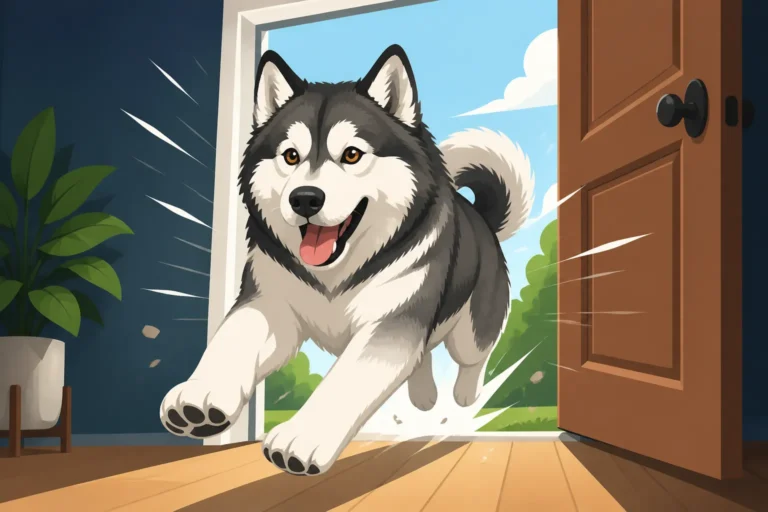
If there's one thing an intact male Malamute knows, it's that there are females out there somewhere, and it's his biological imperative to find them. This translates into an incredibly strong instinct to roam. For centuries, their ancestors traveled vast distances, so this isn't just a casual desire to wander; it's a deep-seated drive that can override even the best training. A female in heat, even miles away, can trigger an unneutered male to go to extreme lengths to escape, whether it's scaling fences, digging under them, or simply bolting through an open door. This is why a secure perimeter is non-negotiable for a Malamute owner. What seems like playful curiosity to us is a serious, focused mission for them.
This instinct is also closely tied to marking territory. Every tree, bush, and fence post is an opportunity to announce his presence and availability. While neutered males will also mark, the frequency and intensity with an intact male are often significantly higher, and they may be less discriminating about where they mark, potentially including indoors if their urge is strong and boundaries aren't crystal clear. It's their way of communicating in a language we often struggle to understand but must respect and manage. Why a Malamute's Recall Cannot Be Trusted delves into why you can't rely on them coming back when this instinct takes over.
Common Behavioral Challenges in Intact Male Malamutes
The hormonal landscape translates directly into a set of observable behaviors that can be particularly challenging for Malamute owners. These aren't necessarily flaws in the dog's character, but rather manifestations of deeply ingrained genetic programming. Understanding these challenges is the first step toward effective management, whether you choose to keep your Malamute intact or not.
Navigating Intact Male Dog Aggression
One of the most concerning potential behaviors in an intact male Malamute is heightened male-to-male aggression. This isn't usually an arbitrary aggression; it's often rooted in competition and status. When two intact males meet, particularly if they are confident and mature, there can be an immediate assessment of who holds the dominant position. This can lead to posturing, growling, and, in worst-case scenarios, serious fights. It's not about being "mean" but about preserving their perceived status and reproductive rights within the canine social hierarchy.
This type of aggression can manifest unpredictably, especially in environments with many unknown dogs, such as dog parks. Even if your Malamute has been well-socialized as a puppy, the onset of maturity and surging testosterone can change his tolerance levels significantly. Owners often find they must actively manage interactions, sometimes even avoiding certain situations altogether. For a comprehensive look at this topic, refer to Same Sex Aggression in a Pack Bred Alaskan Malamute. It's a reality that requires careful observation, proactive intervention, and sometimes, a professional trainer's guidance.
The Drive to Seek Out Females in Heat
Imagine having a singular, overwhelming goal that consumes your every thought and action. That's what a female in heat can do to an intact male Malamute. Their sense of smell is incredibly powerful, and they can detect a female in estrus from surprisingly far distances. This intense focus on finding a mate can override all prior training, house rules, and even their bond with you. They may become restless, lose their appetite, whine incessantly, or pace anxiously.
The challenge here extends beyond just behavior; it's about prevention. An intact male Malamute is a determined escape artist when motivated by a female. They can dig under fences, climb over them, chew through barriers, or even learn to open gates and doors. Accidental breedings are a serious concern, leading to unwanted litters and genetic consequences if the parents haven't been health-tested. Keeping an intact male safe and contained requires constant vigilance and robust security measures.
Increased Marking and Scent-Driven Behaviors
While all dogs use scent to communicate, the intact male Malamute takes it to another level. Their need to mark territory is a constant, almost obsessive drive. Every walk becomes a series of strategically placed urine splashes, sending messages to other dogs in the vicinity. This is normal canine behavior, but it can be frustrating if it extends to your home. Furniture legs, curtains, and even guests' belongings can become targets if a Malamute feels the need to assert himself or is anxious.
Beyond marking, their world is primarily scent-driven. A fascinating smell can distract them from a command, a walk, or even a treat. They will pull on the leash to investigate a scent, meticulously sniff every new patch of grass, and use their nose to gather information about their environment. This heightened sensory focus can make training more challenging, as their attention is constantly being pulled by the rich olfactory world around them. Understanding that their nose often dictates their priority helps owners to manage expectations and adjust training methods. For information on another common Malamute behavior, see A Malamute's Digging Is Not a Problem, It Is the Breed.
Training and Management Strategies for Intact Males
Living harmoniously with an intact male Alaskan Malamute requires a proactive, consistent, and deeply committed approach to training and management. It's not about breaking their instincts, but about channeling them productively and ensuring their safety and the safety of others. This is a journey that demands patience, understanding, and often a different perspective on dog ownership.
Early and Consistent Socialization and Training
The foundation for any well-adjusted Malamute, intact or otherwise, is early and consistent socialization. This means exposing them to a wide variety of sights, sounds, people, and appropriate dog interactions from a young age, before the full force of their hormones kicks in. Puppy classes are invaluable for structured, positive exposure. However, for an intact male, socialization can't stop at puppyhood. It needs to continue throughout adolescence and into adulthood, always with an emphasis on positive experiences and careful supervision, especially around other males.
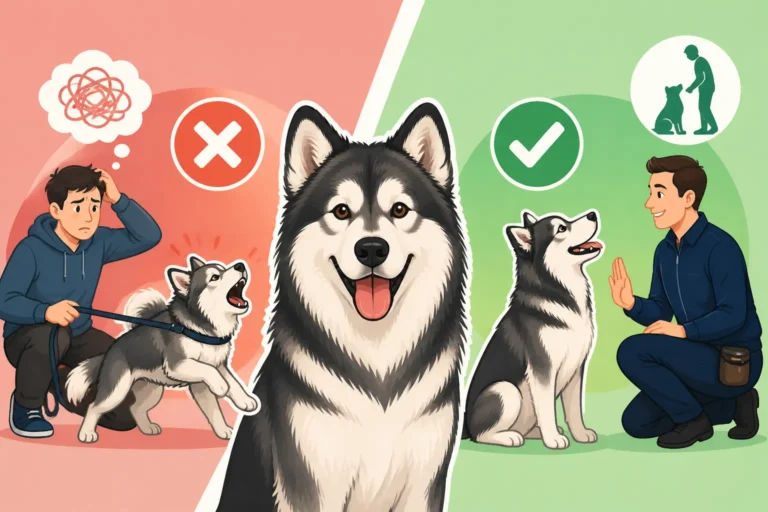
Beyond socialization, rock-solid obedience training is non-negotiable. An intact Malamute needs to understand and respond to cues like "leave it," "stay," and a reliable "come" (though always with the understanding that a Malamute's recall is rarely 100%, especially if a female in heat is nearby). Positive reinforcement methods, using high-value treats and praise, are incredibly effective. Punitive methods often backfire with this intelligent and independent breed, leading to resistance and a breakdown of trust. For those seeking structured training guidance, platforms like BAXTER & Bella offer comprehensive online puppy programs that can provide a great foundation for handling a strong-willed Malamute, guiding you through crucial early stages. Learning Why Force Fails on an Alaskan Malamute is essential for success.
Containment and Environmental Control
Given the intact male Malamute's powerful drive to roam and seek out females, containment is paramount. This means your yard needs to be a fortress. A standard picket fence simply won't do. We're talking about high fences (at least 6 feet, preferably higher), possibly with coyote rollers or inward-sloping top sections to prevent climbing, and buried wire or concrete footings to deter digging. Many owners find double-gating systems to be a lifesaver, providing an extra layer of security against accidental escapes. Fencing a Yard Against a Malamute That Was Bred to Dig offers more insights into building a secure environment.
Beyond the yard, leash manners are critical. An intact Malamute should never be trusted off-leash in an unfenced area. A sturdy harness, like the no-pull options widely available on Amazon, paired with a strong leash, is essential for every walk. You'll need to be aware of your surroundings, constantly scanning for other dogs, particularly off-leash ones, and practicing avoidance strategies if necessary. This isn't about being paranoid; it's about being responsible and ensuring your dog's safety and the safety of others.
Providing Appropriate Outlets for Their Drive
An unfulfilled Malamute, whether intact or neutered, is often a destructive Malamute. For intact males, channeling their immense energy and natural drives into productive outlets is crucial. These are working dogs, after all, and they thrive when they have a job to do. Activities like weight pulling, sledding (or dryland mushing with a cart or scooter), and long, challenging hikes are excellent ways to provide physical and mental stimulation. These activities tap into their innate desire to pull and work, which can help satisfy some of the drive that might otherwise manifest as restlessness or destructive behavior. You can read more about this in Pulling Is the Only Job an Alaskan Malamute Really Wants.
Mental enrichment is equally important. Puzzle toys, scent work games (which brilliantly engage their powerful noses), and advanced obedience training can keep their intelligent minds occupied. A tired Malamute—both physically and mentally—is a happier, more manageable Malamute, regardless of whether they're intact. This dedication to providing outlets helps to mitigate the challenges posed by their strong instincts and hormonal drives.
The Neutering Decision: When and Why (or Why Not)
The decision of whether or not to neuter an intact male Alaskan Malamute is a deeply personal one, with various factors to consider. There's a lot of evolving information and strong opinions on both sides, especially concerning the optimal timing for large breeds. It's crucial to weigh the behavioral aspects against potential health implications and your own capacity for management.
Behavioral Changes Often Associated with Neutering
Many owners choose to neuter their male Malamutes hoping it will magically resolve all behavioral challenges. While neutering can reduce certain hormone-driven behaviors, it's not a panacea, especially if those behaviors are already ingrained habits. Typically, neutering can lead to a significant reduction in:
- Roaming/Escape Attempts: The powerful urge to seek out females diminishes or disappears entirely.
- Urine Marking: While some marking may continue, the frequency and intensity usually decrease dramatically.
- Male-to-Male Aggression: Testosterone often fuels competitive aggression. Its reduction can soften reactions to other males, making introductions or encounters less fraught. However, if aggression is rooted in fear, poor socialization, or learned behavior, neutering alone may not resolve it.
- Sexualized Behaviors: Mounting, humping, and intense fixation on females in heat are usually reduced or eliminated.
It's important to set realistic expectations. Neutering won't change a Malamute's independent nature, strong prey drive, or tendency to dig. It's most effective for behaviors directly tied to reproductive hormones, and even then, learned habits may persist. Consistent training and management remain vital.
Health Considerations and Timing
The timing of neutering has become a significant discussion point, particularly for large and giant breeds like the Alaskan Malamute. Traditionally, many dogs were neutered around 6 months of age. However, recent research suggests that allowing large breed dogs to fully mature with their hormones can have benefits for musculoskeletal development, potentially reducing the risk of certain orthopedic issues like hip or elbow dysplasia, and possibly even some cancers.
On the other hand, neutering also eliminates the risk of testicular cancer and can reduce the risk of certain prostate issues later in life. There's no one-size-fits-all answer, and the optimal timing might vary for each individual dog based on their growth, genetics, and lifestyle. This complex decision should always be made in consultation with your veterinarian, who can provide personalized advice based on the latest research and your dog's specific needs. For a deeper dive into financial aspects, consider Whether Neutering Age Changes a Malamute's Vet Bill.
Living with an Intact Male: Commitment and Responsibility
Ultimately, deciding to live with an intact male Alaskan Malamute is a profound commitment that extends beyond typical dog ownership. It requires an elevated level of vigilance, consistent and lifelong training, and often a willingness to adapt your lifestyle. You must be prepared for:
- Constant Management: This includes secure containment, managing dog-to-dog interactions, and diligently preventing escapes.
- Increased Training Efforts: You'll need to be even more dedicated to reinforcing commands and providing mental stimulation to counteract hormonal distractions.
- Social Responsibility: Preventing accidental breedings is paramount. If you choose not to neuter, you take on the responsibility of ensuring your dog never contributes to the overpopulation of unwanted pets.
- Understanding Their Nature: Accepting that some behaviors are deeply ingrained instincts, not acts of defiance, helps foster patience and a stronger bond.
For some owners, the idea of maintaining their Malamute in their natural, intact state aligns with their philosophy, and they are fully prepared for the extra effort involved. For others, the challenges outweigh the benefits, and neutering provides a more manageable and safer environment for both dog and family. There's no right or wrong answer, only the decision that best suits your individual dog and your household's capabilities.
| Behavior Trait | Intact Male Malamute (Potential) | Neutered Male Malamute (Potential) |
|---|---|---|
| Roaming/Escaping | High drive to seek mates, often ignores recall, expert escape artist. | Reduced drive, but learned behaviors and independent Malamute nature still contribute to roaming. |
| Urine Marking | Frequent marking, both indoors and out, to establish territory. | Significantly reduced, but still may mark in new environments or when feeling insecure. |
| Male-to-Male Aggression | More prone to competitive aggression, especially with other intact males. | Reduced, but not eliminated if aggression is fear-based, resource guarding, or poorly socialized. |
| Sexual Interest | Intense focus on females in heat, can be distracting and challenging to manage. | Absent or greatly reduced; interest in females is typically social, not reproductive. |
| Trainability/Focus | Can be easily distracted by scents/females, requiring extra consistency and management. | Generally more focused once sexual drives are removed, but Malamute independence persists. |
| Mounting/Humping | Common, as both a sexual and a dominance/excitement behavior. | May still occur as a learned or excitement behavior, but less frequently and usually not sexually. |
Disclaimer
This article is for general informational purposes only and does not constitute professional advice. Laws, prices and regulations vary by location and change over time. Consult a qualified professional for guidance on your specific situation.