Whether Neutering Calms an Alaskan Malamute
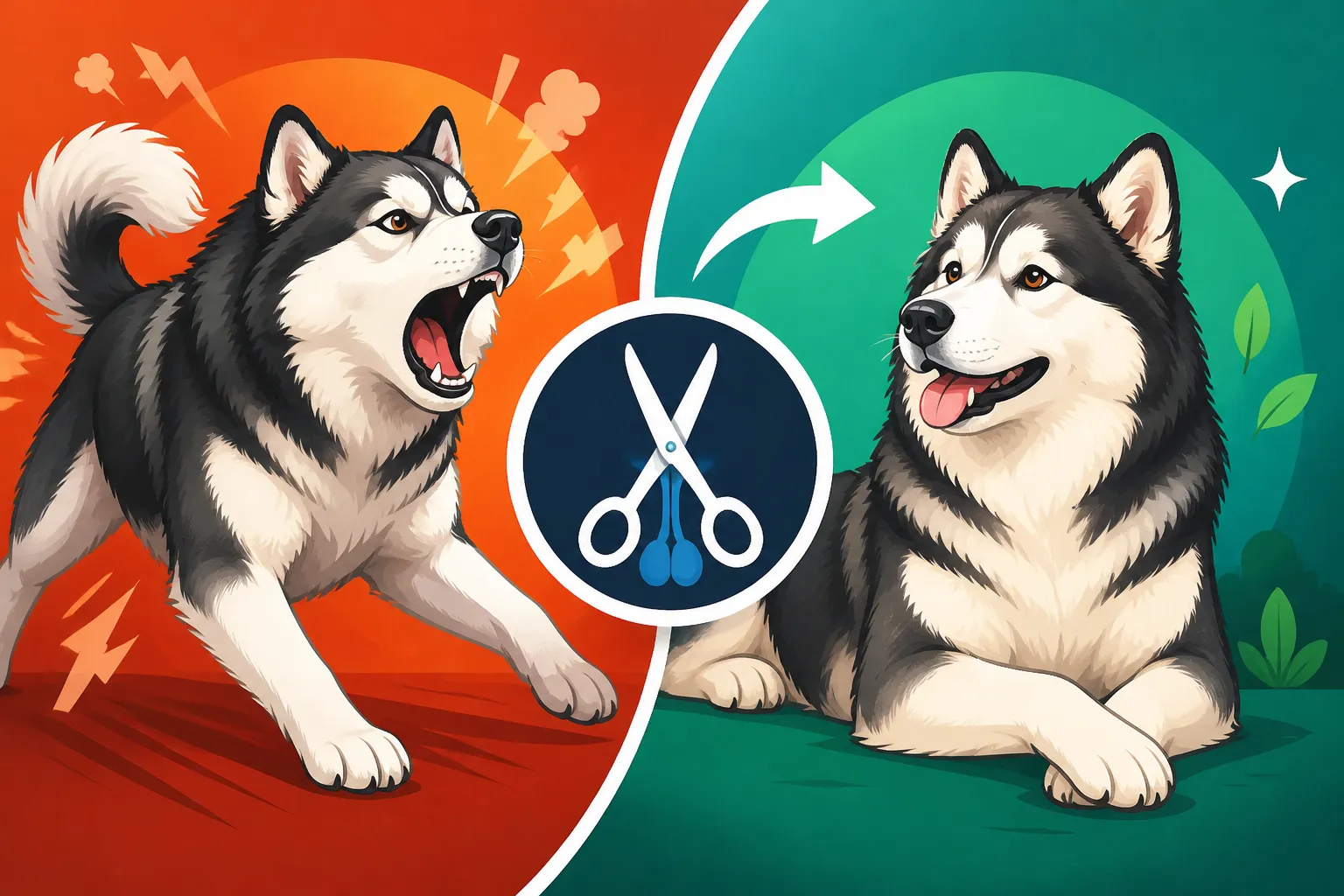
Many Alaskan Malamute owners, faced with a spirited, sometimes challenging adolescent dog, often wonder if neutering will bring a much-desired sense of calm to their energetic companion. It’s a completely understandable hope, especially when you’re dealing with behaviors that can be frustrating or even overwhelming. This guide will explore the truth about how neutering impacts an Alaskan Malamute's behavior, dissecting the hormonal influences from the deeply ingrained breed characteristics, and offering a realistic perspective on what changes you can truly expect.
Understanding Malamute Temperament Before Neutering
Before we even discuss what neutering might or might not change, it’s absolutely crucial to understand the inherent nature of the Alaskan Malamute. These aren't your average couch potatoes; they are a powerful, intelligent, and independent working breed, purpose-bred for demanding tasks in harsh environments. Their temperament is a complex tapestry woven from generations of selective breeding, and it's something that defines them long before hormones enter the picture.
The Instinctual Drive of the Alaskan Malamute
Alaskan Malamutes possess a deep-seated set of instincts that are vital to their survival and success as freighting dogs. They have a high prey drive, a strong desire to roam and explore, and an innate independence that makes them quite different from many other dog breeds. These aren't "bad" traits; they're simply Malamute traits. For instance, their incredible endurance and drive to travel long distances meant they often didn't need to be kept on a tight leash, and that desire for independent exploration is still very much alive in them today. This can manifest as a tendency to wander if given the slightest opportunity, or an intense focus on chasing squirrels or rabbits. Many owners struggle with Why an Alaskan Malamute Will Never Have a Reliable Recall precisely because of this ingrained wanderlust and prey drive.
Furthermore, Malamutes are known for their intelligence and problem-solving skills, which, without proper outlets, can lead to destructive behaviors. A bored Malamute isn't just a mischievous Malamute; it's a Malamute acting on its innate need to be active and engaged. They thrive on having a job, even if that job is "pulling the kids in a wagon" or "carrying a backpack on a hike." If these drives aren't channeled appropriately through consistent training and ample exercise, they will find their own, often less-than-desirable, ways to express themselves, such as digging craters in your yard or chewing through furniture.
Adolescent Changes and "Testing" Behavior
Just like human teenagers, Alaskan Malamutes go through a distinct adolescent phase that can be particularly trying for owners. This period typically begins around 6-9 months and can extend up to two years or even beyond. During this time, your sweet, compliant puppy might suddenly seem to "forget" all its training, develop a selective hearing problem, and push boundaries you thought were firmly established. This isn't necessarily a sign of a "bad" dog, but rather a normal developmental stage where they're asserting their independence and figuring out their place in the world. They're often testing limits, not out of malice, but out of curiosity and their inherent strong-willed nature.
This phase is frequently mistaken for a need for neutering to "calm them down." However, much of this behavior is simply the natural progression of maturity in a strong-willed breed. They're like that kid who knows exactly what "sit" means but decides to see if "sit" applies when there's a really interesting smell over there. For many owners, it feels like The Adolescent Malamute That Rewrites the Rules at Fourteen Months. It requires immense patience, consistency, and a strong commitment to continue with positive reinforcement training, regardless of whether your Malamute is intact or has been neutered. The underlying personality, intelligence, and drive remain, and these require consistent guidance, not just a surgical procedure.
The Hormonal Impact of Neutering
Neutering, or castration, is a surgical procedure that removes a male dog's testicles, thereby eliminating the primary source of testosterone. While testosterone plays a significant role in various canine behaviors, it's not the sole determinant of personality or energy levels, especially in a breed like the Alaskan Malamute. Understanding what hormones truly influence can help set realistic expectations.
What Neutering Actually Changes (and Doesn't Change) Chemically
The most direct and reliable changes brought about by neutering are those primarily driven by testosterone. These include:
- Reduction in sexual behaviors: This is the big one. Neutering significantly reduces, and often eliminates, behaviors like roaming in search of mates, excessive mounting (especially toward bitches in heat), and marking territory with urine driven purely by sexual competition. If your intact male is constantly trying to escape the yard to find a female, neutering is highly likely to curtail that specific drive.
- Decreased inter-male aggression (sometimes): Testosterone can fuel competitive aggression between intact males. Neutering might reduce this aggression, particularly if it's primarily status-driven or related to competition over females. However, existing learned aggression or aggression stemming from fear, poor socialization, or guarding tendencies is unlikely to disappear and may even intensify if fear is a component. Same Sex Aggression in a Pack Bred Alaskan Malamute is a complex issue that neutering alone rarely resolves entirely if it's deeply ingrained.
- Reduced marking frequency (often, but not always completely): While the intense, sexually motivated urine marking may decrease, many dogs, including Malamutes, will still mark territory out of habit or as a form of communication. The motivation changes, but the behavior may persist to some degree.
What neutering generally doesn't change includes:
- Energy levels: A Malamute's boundless energy is genetic, not hormonal. Neutering will not turn a high-energy dog into a calm, sedentary one. Their need for exercise and mental stimulation will remain the same.
- Prey drive: The instinct to chase small animals is hardwired into the breed and is not significantly influenced by testosterone.
- Learned behaviors: If your Malamute has already learned to dig, chew, or ignore commands, neutering won't magically undo those established patterns. These require consistent training and behavior modification.
- Anxiety or fear-based behaviors: Neutering might even, in some cases, exacerbate fear or anxiety in already insecure dogs, as testosterone can have a confidence-boosting effect.
Common Misconceptions About Post-Neutering Calmness
One of the biggest misconceptions is that neutering acts as a universal "calming pill." Owners often hope that the surgery will magically fix a range of behavioral issues, from hyperactivity and destructiveness to general disobedience. This rarely happens. The idea that a neutered dog is automatically a "calmer" dog is often based on an observation that some sexually driven behaviors decrease, and this is then generalized to all behaviors.
It's vital to differentiate between hormone-driven behaviors and deeply ingrained breed characteristics or learned habits. A Malamute that is destructive because it's bored and under-exercised will remain destructive after neutering. A Malamute that ignores commands because it's independent and hasn't had consistent training will continue to do so. The "calmness" that owners seek is almost always a result of appropriate exercise, mental stimulation, consistent positive reinforcement training, and a strong, trusting bond with their human, rather than merely a change in hormonal status. Focusing solely on neutering as a solution for a generally unruly dog can lead to significant disappointment and a failure to address the root causes of the behavior.
Specific Behaviors and Neutering's Influence
Let's dive into some specific behaviors that Malamute owners often cite as reasons for considering neutering, and how the procedure typically impacts them. It's important to remember that individual responses can vary greatly, and past learning plays a huge role.
Marking, Roaming, and Mounting Behaviors
For many owners of intact male Malamutes, these are the most frustrating, and sometimes embarrassing, behaviors. The good news is that these are often the behaviors most directly influenced by testosterone, and therefore, most likely to be positively impacted by neutering.
- Urine Marking: An intact male Malamute might feel compelled to lift his leg on every vertical surface, both indoors and outdoors, to broadcast his presence to other dogs. This is a very strong instinct. Neutering often significantly reduces the frequency and intensity of this marking. The hormonal drive to spread scent information is largely removed. However, if marking has become a deeply ingrained habit, especially in areas where other dogs have marked, or if it's a response to anxiety, it may not completely disappear. Owners often find that indoor marking issues resolve much more readily than outdoor marking habits, which might persist as a learned behavior.
- Roaming and Escaping: The powerful urge to find a mate can drive an intact male Malamute to astounding feats of escape artistry. A female in heat miles away can be a siren call that overrides all training and fence barriers. Neutering dramatically reduces this sexually motivated roaming. If your Malamute's primary reason for scaling fences or digging out of the yard is to seek out females, then neutering can be a highly effective intervention. However, if your Malamute escapes because of a general love of exploration, boredom, or a lack of secure containment (which is a common Malamute trait anyway), those drives will persist. A properly fenced yard is always paramount for a Malamute. Fencing a Yard Against a Malamute That Was Bred to Dig is a crucial read regardless of neuter status.
- Mounting: While mounting can be a display of dominance, excitement, or even play, it is very often sexually motivated in intact males. Neutering usually reduces or eliminates sexually driven mounting. If your dog is consistently mounting other dogs or people, and this behavior started or increased with sexual maturity, neutering is likely to help. However, mounting as a stress-relief behavior, attention-seeking, or over-excitement can still occur after neutering, as these are not solely hormonal.
Dog Aggression and Social Dynamics
The relationship between neutering and aggression is complex, and it’s where many owners have unrealistic expectations. While testosterone can certainly contribute to certain types of aggression, it’s rarely the sole cause, especially in a breed with strong social dynamics like the Malamute.
- Inter-male Aggression: In some cases, neutering can reduce inter-male aggression, particularly if the aggression is competitive (e.g., over resources, attention, or females) or status-seeking. If your intact male Malamute is routinely getting into scuffles with other intact males, neutering might temper this tendency. However, it's not a guarantee. If the aggression stems from fear, poor socialization, territoriality, or has become a learned response (e.g., "I bark/growl, and the other dog goes away"), neutering will likely have little to no effect. In fact, for fearful dogs, removing testosterone can sometimes diminish their confidence, potentially making them more reactive out of insecurity. Whether Neutering Calms an Alaskan Malamute is a common question, but for aggression, the answer is often "it depends."
- Other Forms of Aggression: Aggression towards humans, resource guarding, or fear aggression are typically not resolved by neutering. These behaviors are usually rooted in genetics, early experiences, lack of socialization, or specific environmental triggers. Addressing these requires professional behavioral modification, not just a surgical procedure. It's crucial to consult with a qualified dog trainer or veterinary behaviorist if your Malamute is displaying any form of aggression.
Energy Levels and Destructive Tendencies
This is perhaps the biggest area where neutering has the least impact, yet it's often the primary reason owners consider it.
- Energy Levels: Alaskan Malamutes were bred to pull heavy loads over long distances. They are athletes. Their high energy levels are fundamental to their breed type, not a byproduct of their reproductive hormones. Neutering will not transform a high-energy Malamute into a low-energy dog. If you're hoping for a less energetic dog, the focus needs to be on increasing appropriate exercise and mental stimulation, not on neutering. This means long walks, hikes, weight pulling, or even just intense playtime. Don't underestimate How Much Exercise an Alaskan Malamute Needs.
- Destructive Tendencies: A Malamute that is chewing through furniture, digging up the yard, or otherwise destroying the house is almost always doing so out of boredom, insufficient exercise, anxiety, or lack of appropriate training and outlets. These are not hormone-driven behaviors. Neutering will not resolve them. In fact, if a dog's activity level drops slightly post-neutering (which can happen if owners mistakenly reduce exercise, thinking the dog is now "calmer"), a bored Malamute might even become more destructive as it finds new ways to entertain itself. For tackling destructive behaviors, focus on training, enrichment, and ensuring your Malamute gets its physical and mental needs met. Providing interactive toys you can find on sites like Amazon, or engaging in regular training sessions, are far more effective.
| Behavior Category | Likely Impact of Neutering (Male Malamute) | Why (and why not) |
|---|---|---|
| Sexual Behaviors | High reduction in roaming, seeking mates, and explicit mounting. | Directly tied to testosterone levels; removal of testicles eliminates primary source. |
| Urine Marking | Moderate to high reduction, especially sexually motivated marking. | Hormonal drive to mark for breeding purposes decreases. Learned marking or marking from anxiety may persist. |
| Inter-male Aggression | Variable reduction; most effective for competitive/status-driven aggression. Less effective for fear-based or learned aggression. | Testosterone can fuel competitive aggression. However, aggression is often multi-factorial (genetics, training, experience, fear). Existing aggression may not resolve. |
| Energy Levels | Minimal to no direct impact. | High energy is a breed trait, not primarily hormonal. Malamutes require significant exercise regardless of neuter status. |
| Destructive Behavior | Minimal to no direct impact. | Destructive behaviors (chewing, digging) are usually due to boredom, lack of exercise, anxiety, or insufficient training. Not hormone-driven. |
| Trainability/Focus | Minimal direct impact; some argue a slight increase in focus without mating distractions. | Learning ability is not directly linked to hormones. Distractions may decrease, but intelligence and inherent independence remain. Requires consistent, positive training. |
| Prey Drive | Minimal to no direct impact. | A deeply ingrained instinct, vital for their original purpose. Not significantly influenced by reproductive hormones. |
| Fear/Anxiety | Minimal direct impact; may sometimes exacerbate in already insecure dogs (loss of "confidence" from testosterone). | Primarily psychological/experiential. Testosterone can have some confidence-boosting effect; its removal could unveil underlying insecurities. |
Beyond Neutering: Holistic Approaches to a Calm Malamute
If your goal is a truly "calm" Alaskan Malamute – meaning one that is well-behaved, responsive, and a joy to live with – you need to look far beyond the surgical suite. Neutering is a decision with health and population control implications, but it's rarely a magic wand for behavioral challenges. The real work lies in understanding and meeting the breed's unique needs.
The Critical Role of Training and Socialization
From the moment you bring a Malamute puppy home, training and socialization should be paramount. Consistent, positive reinforcement-based training is essential to build a strong bond and teach your Malamute appropriate behaviors. They are intelligent dogs, but they are also independent and can become "stubborn" if they don't see the value in what you're asking. Why Force Fails on an Alaskan Malamute is a truth that many owners learn the hard way; these dogs respond best to respect and positive motivation, not harsh corrections.
Early and ongoing socialization is equally vital. Expose your Malamute puppy to a wide variety of sights, sounds, people, and safe, vaccinated dogs. This helps them learn to navigate the world confidently and appropriately. Without proper socialization, they can become fearful or reactive, leading to behavioral issues that no amount of neutering will fix. Enrolling in puppy classes and continuing with obedience training throughout adolescence is invaluable. Resources like BAXTER & Bella offer online programs that can guide you through these crucial early stages, offering structured lessons and support for training in your own home environment. Their approach often emphasizes positive reinforcement and building a strong foundation, which is exactly what a Malamute needs.
Meeting Their Physical and Mental Exercise Needs
A tired Malamute is often a well-behaved Malamute, but "tired" for this breed means something entirely different than it does for a chihuahua. These dogs were bred for endurance and intense physical work. A short walk around the block simply isn't enough. They need vigorous daily exercise – think long hikes, running, pulling activities like sledding or weight pulling, or extended play sessions. If you don't provide an outlet for their physical energy, they will find their own, often destructive, ways to burn it off indoors.
Beyond physical exercise, Malamutes need mental stimulation. Their intelligence means they thrive on having "jobs" to do. This can be as simple as interactive puzzle toys that make them "work" for their food, advanced obedience training, scent work, or even just rotating a variety of durable chew toys. A bored Malamute will quickly invent its own games, and those games usually involve digging up your garden or dismantling your furniture. Look for engaging toys and training tools on platforms like Amazon that can stand up to a Malamute's power and intelligence – tough puzzle toys, strong chew bones, and high-quality harnesses for pulling are often great investments.
Environmental Management and Owner Consistency
Creating an environment that sets your Malamute up for success, coupled with unwavering consistency from you, is non-negotiable.
- Secure Environment: Given their strong prey drive and tendency to roam, a Malamute should never be trusted off-leash in an unfenced area. A securely fenced yard (with anti-dig measures) is essential. When out, they need a strong leash and harness. This isn't about controlling their spirit; it's about protecting them and others.
- Structure and Routine: Dogs thrive on routine. Consistent feeding times, potty breaks, exercise schedules, and training sessions help your Malamute understand what's expected of them and builds a sense of security. Predictability reduces anxiety and leads to a more balanced dog.
- Owner Consistency: Every member of the household needs to be on the same page regarding rules and commands. A Malamute will quickly learn which family member is a pushover and exploit inconsistencies. If one person allows jumping on the counter and another punishes it, your Malamute will become confused and frustrated, leading to more "unruly" behavior. Consistency reinforces your role as a calm, confident leader, which Malamutes appreciate and respond to. Whether an Alaskan Malamute Needs an Experienced Owner truly boils down to this consistency and understanding of their unique nature.
In conclusion, while neutering can be beneficial for specific hormone-driven behaviors like roaming and marking, it is not a cure-all for a Malamute's boundless energy or independent spirit. A truly "calm" Malamute is a well-exercised, well-trained, and well-understood Malamute, whose inherent drives are channeled into appropriate and productive outlets. The journey to a harmonious life with your Alaskan Malamute is one of partnership, patience, and a deep appreciation for the magnificent animal they are, intact or not.
Disclaimer
This article is for general informational purposes only and does not constitute professional advice. Laws, prices and regulations vary by location and change over time. Consult a qualified professional for guidance on your specific situation.