How Much Exercise an Alaskan Malamute Needs
Many new Alaskan Malamute owners quickly find themselves facing a bewildering question: just how much exercise does this magnificent, powerful dog really need? There's a common misconception that because they are a large, working breed, Malamutes require endless, non-stop activity every single day, which can lead to feelings of guilt or inadequacy when life gets in the way. This guide will cut through the myths and provide realistic expectations for fulfilling your Malamute's inherent drive for movement and mental engagement without burning yourself out or over-exercising your dog.
Understanding the Alaskan Malamute's Energy Profile
It’s easy to look at an Alaskan Malamute and assume they need to be running for miles and miles every day, like some kind of canine marathon runner. After all, they’re built like tanks, right? But the truth is, while they are certainly athletic, their energy profile is often misunderstood. Malamutes weren't bred for speed and endless sprinting; they were bred for endurance, for hauling heavy loads over long distances at a steady, deliberate pace. This distinction is crucial for understanding their exercise needs.
Endurance, Not Speed: The Breed's Purpose
Imagine a team of Malamutes pulling a heavy sled across miles of frozen tundra, not in a desperate race, but on a journey. They needed to conserve energy, work efficiently, and have the stamina to keep going hour after hour, day after day. This historical role means that their bodies are optimized for sustained effort rather than short bursts of intense speed. A Malamute might enjoy a good sprint in the snow, but their true satisfaction comes from a long, purposeful walk or pull. This is why you often hear the phrase that Freight, Not Speed: What Separates a Malamute From a Racing Dog when discussing their heritage.
This inherent endurance means they thrive on activities that engage them consistently over time, rather than a quick, high-intensity workout. Think of it less like a greyhound on a track and more like a dependable pack mule on a long trek. Owners who try to turn their Malamute into a sprint athlete often find their dog resistant or even injured, as their skeletal structure and muscle groups are designed for a different kind of exertion. It's about respecting their natural capabilities and drives.
The "Off Switch" and Its Importance
While a Malamute can certainly go all day, they also possess a remarkably efficient "off switch" when their exercise needs have been met. Unlike some high-strung breeds that bounce off the walls even after a good run, a well-exercised Malamute is often a calm, content dog inside the home. They'll find a cool spot, usually on a tile floor or by an air vent, and settle down for a deep, restorative nap. This ability to relax is a hallmark of a properly managed Malamute.
However, the reverse is also true. A Malamute lacking sufficient physical and mental outlets can become restless, destructive, and even vocal. They might start Whether a Bored Malamute Destroys the House by chewing furniture, digging craters in the yard, or howling incessantly. This isn't naughtiness; it's a symptom of unmet needs. Learning to recognize their "I'm ready to chill" cues is just as important as knowing their "I need to move" signals.
The Daily Exercise Baseline for an Adult Malamute
So, what does this endurance profile translate to in practical terms for the average pet owner? While every dog is an individual, there's a general baseline that most healthy adult Malamutes need to stay happy and well-adjusted. This isn't a rigid schedule, but a framework to ensure their physical and mental well-being.
Structured Walks and Leash Time
For most adult Malamutes, at least 1.5 to 2 hours of structured, on-leash walking per day is a good starting point. This should ideally be broken into a couple of longer walks, say 45-60 minutes each, and maybe a shorter 30-minute potty break/sniff session. These aren't casual strolls where your Malamute stops to greet every blade of grass; these are brisk, purposeful walks where they are moving forward, burning energy, and experiencing the world. Don't underestimate the mental stimulation of sniffing new scents and seeing new sights on a walk.
Remember, a Malamute's recall is notoriously unreliable, even for the most well-trained dog. Why an Alaskan Malamute Will Never Have a Reliable Recall is a common frustration, stemming from their independent nature and strong prey drive. For this reason, off-leash park time in unfenced areas is rarely a safe option. Instead, focus on consistent, engaging leash work. A sturdy harness, like those designed for pulling, can make these walks more comfortable for both of you and provide a natural outlet for their desire to move forward with purpose.
Opportunities for "Work"
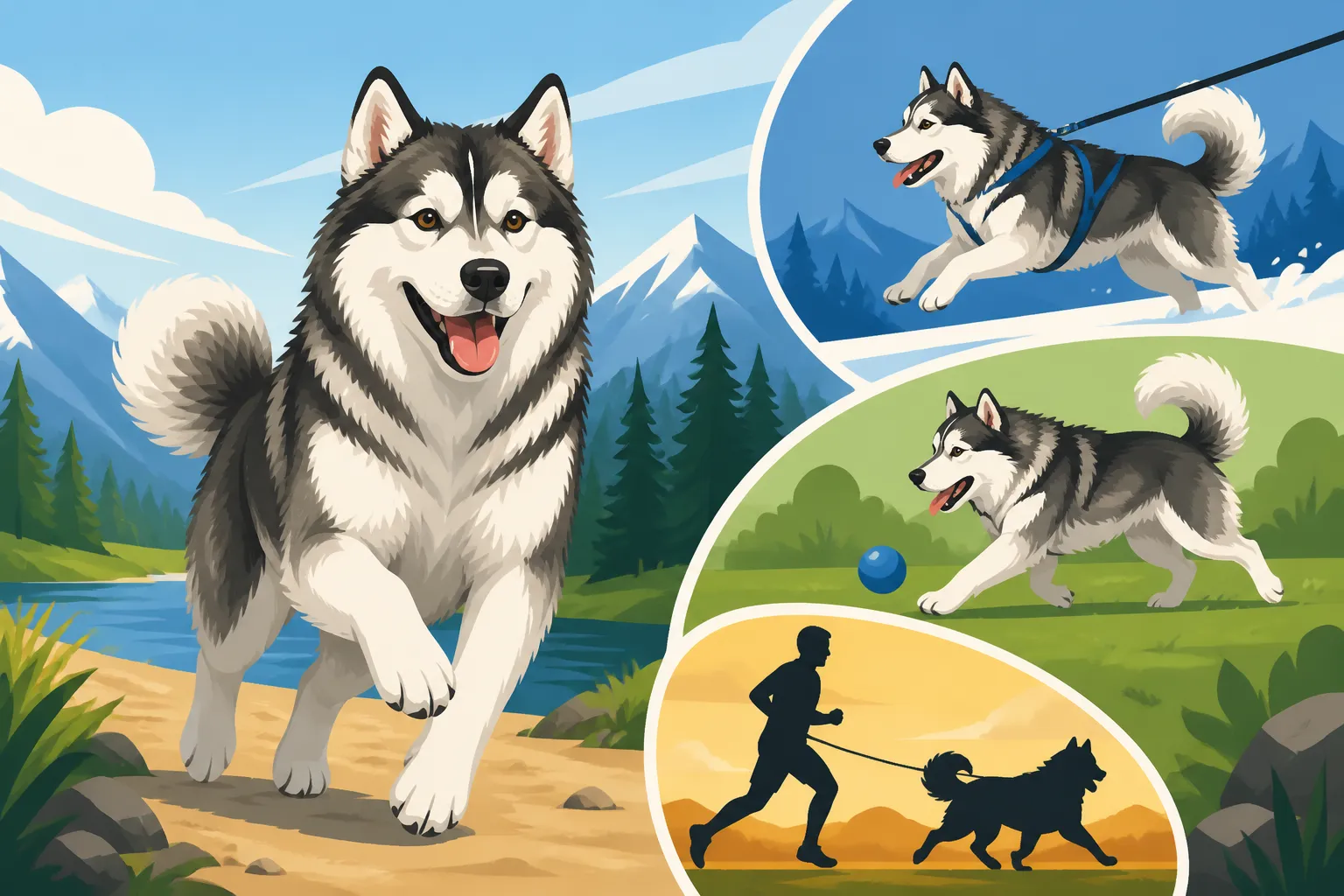
Beyond just walking, Malamutes truly thrive when they have a job to do. This doesn't mean you need to buy a sled and a team of dogs, though if you're inclined, they'd love it! Even simple "work" activities can fulfill their innate desire to pull and contribute. Think about activities like dog scootering, canicross (running with your dog attached to you), or even just carrying a backpack on hikes. Whether an Alaskan Malamute Can Hike All Day is usually a resounding yes, making them excellent companions for outdoor adventures.
Weight pulling is another excellent activity that taps into their genetic predisposition. Even if you don't compete, providing controlled opportunities for them to pull a small, weighted cart or tire can be incredibly satisfying for them. It engages their powerful musculature and gives them a sense of purpose. Always consult with your vet before starting any strenuous pulling activities, especially concerning The Age a Malamute Can Start Pulling to ensure their growth plates are closed and their joints are mature enough.
| Age Stage | Recommended Daily Exercise | Key Activities & Considerations |
|---|---|---|
| Puppy (8 wks-6 mos) | Short, frequent bursts (5 mins per month of age, 2-3 times/day) | Focus on play, socialization, and short, structured walks. Avoid forced exercise, long runs, or strenuous activity that stresses developing joints. Plenty of mental stimulation through puzzle toys and short training sessions. Monitor for fatigue. |
| Adolescent (6-18 mos) | Gradual increase up to 1-1.5 hours of moderate activity | Longer walks, introduction to light jogging or hiking on soft surfaces. Continue avoiding high-impact activities like hard running or jumping until growth plates are fully closed. Focus on reinforcing good leash manners and recall training in safe, enclosed areas. Incorporate mental challenges. |
| Adult (18 mos – 7 yrs) | 1.5 – 2+ hours of moderate to vigorous activity | Brisk walks, jogging, hiking, canicross, dog scootering, weight pulling. Opportunities for off-leash exploration in secure, fenced areas. Integrate consistent training and mental enrichment. Adjust intensity based on individual fitness, weather, and activity type. |
| Senior (8+ yrs) | 30-60 minutes of gentle, low-impact activity | Shorter, more frequent walks, swimming (if they enjoy it), gentle sniff walks. Focus on maintaining muscle tone and joint mobility without overexertion. Avoid slippery surfaces. Monitor for signs of discomfort or fatigue. Warm-up and cool-down periods become more important. |
Tailoring Exercise to Your Malamute's Age and Health
Just like people, an Alaskan Malamute's exercise needs aren't static throughout their lives. What's appropriate for a boisterous adolescent might be too much for a young puppy or a wise old senior. Being attuned to these changes is a mark of a responsible and empathetic owner.
Puppyhood: Protecting Growing Joints
Alaskan Malamute puppies are bundles of boundless energy, but it's crucial to manage their exercise carefully. Their bones, joints, and growth plates are still developing and can be easily damaged by excessive or high-impact exercise. Think short, frequent play sessions rather than long, sustained runs. The general rule of thumb is about 5 minutes of structured exercise per month of age, two to three times a day. So, a 3-month-old puppy would get about 15 minutes per session.
Focus on supervised free play in a safe, enclosed yard, short walks on varied terrain (grass, dirt, small pebbles are fine, but avoid hard pavement for long durations), and plenty of mental stimulation through puzzle toys and basic obedience training. Avoid forced running, jumping from heights, or prolonged stair climbing until they are at least 12-18 months old. Over-exercising a Malamute puppy can contribute to issues like Hip Dysplasia in an Alaskan Malamute later in life, a serious concern for many large breeds.
Adolescence: Channeling Boundless Energy
Ah, the adolescent Malamute – a phase that many owners find both exhilarating and utterly exhausting! From about 6 months to 2 years, your Malamute will experience a surge in physical capabilities and an even greater surge in opinionated independence. This is the time when they truly start testing boundaries and require consistent, firm guidance, as explored in The Adolescent Malamute That Rewrites the Rules at Fourteen Months. Their energy levels are at their peak, and their bodies are nearing maturity, making it a prime time to introduce more vigorous activities.
This is when you can gradually increase the duration and intensity of walks, introduce light jogging, and explore activities like hiking or even introductory pulling work. Still, be mindful of their developing joints; while growth plates might be closing, they're not fully mature until 18-24 months. This phase is also critical for cementing good habits and ensuring they learn how to channel their energy constructively. A tired Malamute is a good Malamute, but a mentally engaged Malamute is even better.
Senior Years: Gentle Movement and Comfort
As your Alaskan Malamute enters their senior years (typically around 7-8 years old, as discussed in The Age an Alaskan Malamute Counts as a Senior), their exercise needs will naturally shift again. They may not have the stamina for long hikes or intense pulling sessions anymore. The focus moves from high-intensity output to maintaining mobility, muscle tone, and mental well-being through gentle, consistent activity.
Shorter, more frequent walks are often preferred, especially on softer surfaces to cushion their joints. Swimming can be an excellent low-impact exercise if your Malamute enjoys it. Pay close attention to Arthritis in an Older Alaskan Malamute and adjust their routine based on their comfort level. Joint supplements, a comfortable orthopedic bed, and regular vet check-ups become even more critical during this time. The goal is to keep them moving and engaged without causing pain or overexertion, ensuring their golden years are as comfortable and happy as possible.
Beyond Physical: Mental Stimulation and Enrichment
While physical exercise is paramount for an Alaskan Malamute, it's only half the equation. These are intelligent, problem-solving dogs who need their minds challenged just as much as their bodies. A physically tired Malamute might sleep, but a mentally bored one will find its own (often destructive) ways to entertain itself.
The Power of Training Sessions
Short, engaging training sessions are an excellent way to provide mental stimulation. Malamutes are smart, but they can be stubborn and get bored with endless repetition. Keep sessions positive, varied, and reward-based. They respond wonderfully to positive reinforcement, and methods that rely on force or harsh corrections often backfire, as noted in Why Force Fails on an Alaskan Malamute. Work on new tricks, refresh old commands, or teach them practical skills. Even 10-15 minutes of focused training a few times a day can make a big difference in their overall contentment.
Consider exploring resources from brands like BAXTER & Bella, which often provide positive, engaging training programs that can help you keep your Malamute's mind sharp and happy. Consistent training not only tires them out mentally but also strengthens your bond and improves their manners, making them more pleasant companions both at home and out on walks.
Puzzle Toys and Interactive Play
Puzzle toys are your best friend when it comes to keeping a Malamute's mind occupied, especially during times when you can't be actively engaging with them. These toys dispense treats or kibble as your dog manipulates them, requiring thought and problem-solving. This taps into their natural scavenging instincts and provides a healthy outlet for their intelligence. You can find a wide variety of durable puzzle toys on Amazon, designed to withstand the chewing power of a strong breed.
Beyond puzzle toys, interactive play like hide-and-seek with treats or toys, or even scent work games where they have to find hidden items, are fantastic for mental enrichment. These activities engage their powerful noses and their problem-solving abilities, leading to a truly satisfied dog. Remember, a mentally stimulated Malamute is less likely to turn its attention to your couch or garden beds.
Enrichment Activities for Boredom Busting
Think outside the box for enrichment. Snuffle mats, where you hide kibble for them to "forage," can be a great way to slow down eating and provide mental work. Frozen kongs stuffed with dog-safe treats, peanut butter, or canned food can keep them occupied for extended periods. Licking mats are also excellent for calming and engaging them. Rotating these items keeps things fresh and interesting.
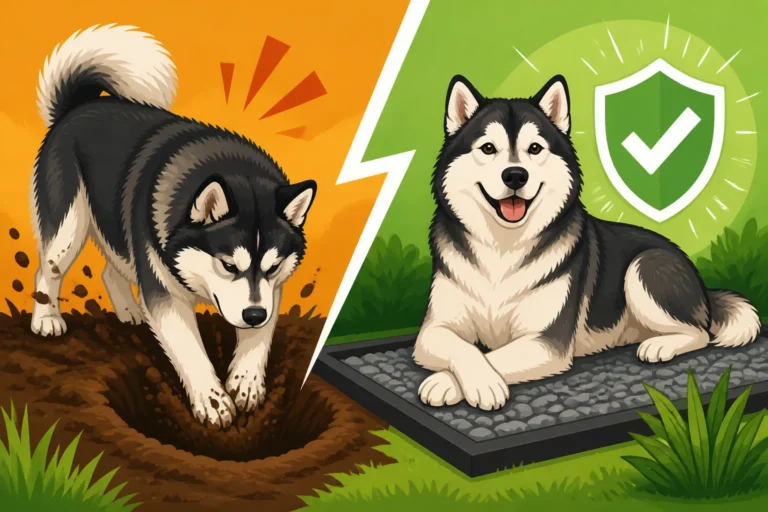
For Malamutes with a strong digging instinct – and let's be honest, that's most of them – providing a designated digging pit in your yard can be a fantastic outlet. Instead of fighting their natural urge to dig up your prize-winning roses, give them a sanctioned space where they can indulge in this deeply satisfying behavior. Giving an Alaskan Malamute Its Own Digging Pit can save your landscaping and provide hours of entertainment for your dog.
Common Exercise Mistakes and How to Avoid Them
Even with the best intentions, owners can sometimes make mistakes in their Malamute's exercise routine. Being aware of these common pitfalls can help you provide the best possible care for your furry companion.
Over-Exercising in Warm Weather
This is perhaps the most critical mistake, and one that can have fatal consequences. Alaskan Malamutes were bred for extreme cold; they have a dense double coat designed to insulate them from frigid temperatures, not dissipate heat. They are highly susceptible to overheating and heatstroke. Summer Is the Season That Kills Alaskan Malamutes, and ignoring the risks is incredibly dangerous. Never exercise your Malamute strenuously in warm or humid weather.
Stick to early mornings or late evenings when temperatures are cooler. Avoid black asphalt during walks, as it can burn their paw pads and radiate heat onto their bodies. Always carry water and offer frequent breaks. Learn the Signs an Alaskan Malamute Is Overheating – excessive panting, drooling, wobbly gait, dark red gums – and know what to do if you suspect heatstroke. On hot days, indoor mental games or swimming (if they're good swimmers and supervised) are much safer alternatives to outdoor physical exercise. Cooling vests, like some found on Amazon, can offer relief, but are not a substitute for avoiding heat.
Relying Solely on Yard Time
While having a large, fenced yard is certainly beneficial for a Malamute, it's a common misconception that simply letting them out into the yard is sufficient exercise. Most Malamutes will simply patrol the perimeter, nap in a cool spot, or maybe dig a few holes. They need structured activity and engagement with their human companions to be truly fulfilled. A yard is great for potty breaks and a bit of zoomie time, but it's rarely enough to meet their daily exercise requirements.
Think of yard time as supplemental, not primary, exercise. Your Malamute still needs those purposeful walks, training sessions, and interactive play. Without dedicated engagement, they can become bored, destructive, and even develop behavioral issues because their deep-seated needs for movement and mental stimulation are not being met.
Inconsistent Routine
Malamutes, like many dogs, thrive on routine. An inconsistent exercise schedule can lead to frustration and unmet energy, manifesting as unwanted behaviors. While life happens and perfection isn't always possible, striving for a relatively consistent daily routine helps your Malamute understand what to expect and allows them to settle into a predictable rhythm. This includes both physical exercise and mental enrichment.
A consistent routine helps manage their energy levels and can even make them more receptive to training. If they know a walk or a game of fetch is coming, they might be more patient during downtime. What an Alaskan Malamute Needs Every Day isn't just about the quantity of activity, but also the predictability and quality of the interaction.
Seasonal Adjustments for Malamute Exercise
Living with an Alaskan Malamute means embracing the seasons, especially when it comes to their exercise routine. What works beautifully in winter can be downright dangerous in summer. Being flexible and adaptable is key to their well-being.
Winter Wonderland: Unleashing Their Potential
Winter is truly when an Alaskan Malamute comes alive. Their thick double coats, inherited from their Arctic ancestors, make them incredibly well-suited for cold weather. This is their season to shine! You'll often see them frolicking happily in the snow, refusing to come inside even when you're shivering. Winter Is When an Alaskan Malamute Comes Alive is not just a saying, it's a reality for these dogs.
During winter, you can often increase the duration and intensity of their outdoor activities. Long hikes, extended jogs, and, of course, pulling activities like sledding, skijoring, or dog scootering become ideal. They can handle much colder temperatures than you might expect, often happily sleeping outdoors in a well-insulated kennel even when it's well below freezing. Just remember to check their paw pads for ice balls or cracks, and ensure they have access to unfrozen water.
Summer Safety: Prioritizing Cool Comfort
As previously mentioned, summer is the riskiest season for Malamutes. Their dense coats, while perfect for insulating against cold, trap heat mercilessly. Prioritizing their comfort and safety over strenuous exercise is non-negotiable. On hot days, your Malamute will naturally be less inclined to exert themselves, and it's vital to respect that.
Focus on very early morning or late evening walks. During the heat of the day, shift to indoor mental games, obedience training, or quiet relaxation. Many Malamutes love a kiddie pool filled with cool water, or even just lying on cool tile floors. Investing in a good quality fan or air conditioning can also be crucial. Never leave your Malamute in a car, even with windows cracked, as temperatures can skyrocket quickly. When walking, consider dog booties to protect their paws from hot pavement and carry a portable water bowl.
Conclusion: A Balanced Approach to a Fulfilling Life
Providing the right amount and type of exercise for your Alaskan Malamute is a journey, not a destination. It's about understanding their unique breed traits – their endurance, their intelligence, their love of "work" – and adapting their routine to their age, health, and the changing seasons. It's not about endless running or constant high-intensity activity, but rather a consistent, balanced approach that includes both physical exertion and crucial mental stimulation.
When you commit to meeting these needs, you’ll be rewarded with a calm, happy, and incredibly devoted companion. Remember, a well-exercised Malamute, both in body and mind, is a truly content dog, and that's the greatest gift you can give them.
Disclaimer
This article is for general informational purposes only and does not constitute professional advice. Laws, prices and regulations vary by location and change over time. Consult a qualified professional for guidance on your specific situation.