Telling a Stubborn Malamute From an Independent One
Ah, the Alaskan Malamute. A magnificent, powerful, and often perplexing breed! Many new Malamute owners, and even some seasoned ones, find themselves pulling their hair out, convinced their beloved furry companion is the most stubborn creature on four legs. But what if that "stubbornness" is actually a deeply ingrained trait of independence, a hallmark of their very being? It’s a common frustration, trying to get your Malamute to do something they clearly don't want to, and this guide is here to help you understand the subtle, yet crucial, differences between a truly stubborn dog and an inherently independent one, so you can build a stronger, more harmonious partnership.
Understanding the Malamute Psyche: A Glimpse into Their History
To truly grasp why your Malamute behaves the way they do, we have to travel back in time, to the frozen landscapes where they originated. These aren't just pretty faces; they are working dogs, bred for a very specific and demanding purpose, and their history has profoundly shaped their intelligence and personality.
Bred for Partnership, Not Obedience
Think about the working environment of the ancient Mahlemut people of Alaska's Kotzebue Sound. Their dogs, the ancestors of our modern Alaskan Malamutes, were indispensable for survival. They weren't mere pets; they were partners in hunting, hauling heavy loads, and navigating treacherous terrain. This meant they had to make critical decisions on their own, often far from direct human supervision, because a misstep could mean disaster for the entire team. They needed to assess risks, find the safest path, and conserve energy when necessary. This historical role cultivated a breed that values collaboration, but also one that is perfectly capable of independent thought and action.
Unlike breeds developed for herding livestock, where split-second obedience to a shepherd's command is paramount, or military dogs trained for absolute compliance, Malamutes were expected to think for themselves. They worked with humans, not for them in a subservient capacity. Understanding this fundamental difference is key to appreciating their independent nature rather than labeling it as mere stubbornness. It was a matter of life and death for their human companions that these dogs possessed excellent judgment and self-reliance. The Mahlemut of Kotzebue Sound Bred the Alaskan Malamute details this fascinating history.
The Instinctive Decision-Maker
In the harsh, unforgiving Arctic, blindly following every human command could have been fatal. Imagine a team of Malamutes pulling a sled across a frozen river. If the lead dog sensed thin ice or a hidden crevice, it had to make an immediate decision to veer off course, even if the musher was shouting for them to go straight. This wasn't an act of defiance; it was an act of survival intelligence. Their ability to assess a situation and act accordingly, based on their instincts and experience, was highly prized.
This deep-seated trait means that your Malamute still retains that inherent drive to evaluate situations. When you ask them to do something, especially if it seems pointless or uncomfortable to them, their ancestral instinct kicks in: "Is this a good idea? Is there a better way? What's in it for me?" This isn't them being difficult; it's them using the decision-making skills that ensured the survival of their lineage. They're constantly processing, and sometimes, their conclusion differs from yours.
Deciphering the "Stubborn" Label: Common Misconceptions
It's easy to label a Malamute as stubborn when they don't immediately comply with a command. Many owners feel a pang of frustration, convinced their dog is purposefully ignoring them or testing their patience. However, more often than not, what appears to be stubbornness stems from a misunderstanding of the breed's natural tendencies or a lack of proper motivation.
The Myth of Malicious Disobedience
When your Malamute stands stock-still, looking at you with those deep brown eyes, and doesn't move an inch despite your repeated "come!" commands, it's natural to feel like they're being purposefully defiant. You might think, "They know what I want, they just don't care!" But for a Malamute, it's rarely malicious. Their brains are wired differently than, say, a Labrador Retriever, who often lives to please. A Malamute's primary motivation isn't necessarily pleasing you, but rather what benefits them in that moment, or what their instincts tell them.
They're not trying to be "bad" or "dominant" over you. They might be weighing the effort versus the reward, or they might simply be more engaged with something else in their environment. If the reward isn't high enough, or if the distraction is too compelling, they might just decide it's not worth their time or energy to comply. This leads us directly to the next point.
Distraction vs. Defiance
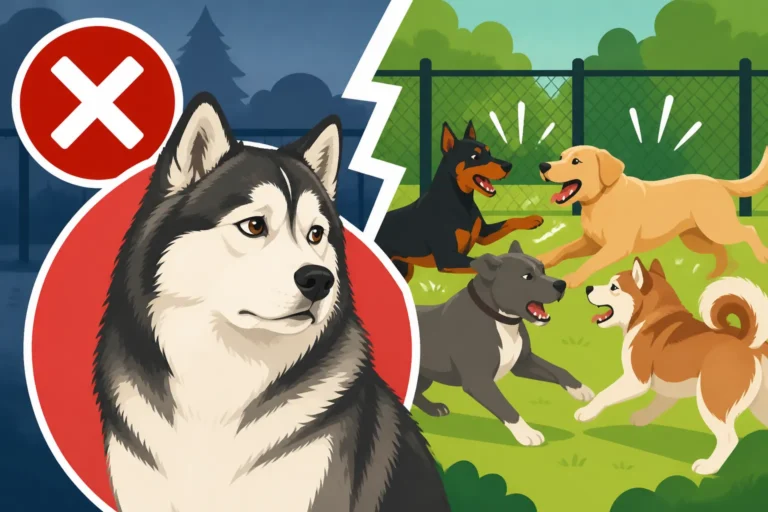
One of the biggest culprits behind perceived Malamute stubbornness is, quite simply, their incredibly high prey drive and keen senses. Imagine you're at the park, calling your Malamute, and suddenly a squirrel darts across the grass. Your dog locks onto that squirrel with every fiber of their being. Their ears swivel, their nose twitches, their body tenses. In that moment, your voice, your command, and your presence might as well be background noise. They're not being stubborn; they're being a Malamute responding to a primal instinct. What an Alaskan Malamute Was Bred to Hunt provides insight into this powerful drive.
This isn't an act of defiance; it's a hardwired response that overpowers other stimuli. They are genuinely and completely focused on the "hunt." This is why a truly reliable recall is almost impossible to achieve with a Malamute in an unsecured environment. They might have perfect recall in your quiet backyard, but introduce a rabbit or a passing jogger, and suddenly you're invisible. This isn't a flaw in their character, but a feature of their breed. Why a Malamute's Recall Cannot Be Trusted is a crucial read for any Malamute owner.
The Hallmarks of True Independence in a Malamute
Recognizing true independence means seeing your Malamute not as a disobedient pet, but as an intelligent, self-reliant individual. These traits are what make them such unique and fascinating companions, even if they can be challenging at times.
Selective Hearing: Prioritizing Their Own Agenda
Many Malamute owners joke about their dogs having "selective hearing." And honestly, there's a lot of truth to it! They absolutely hear you, but unlike some breeds that immediately spring to action, a Malamute processes your request through their own internal filter. They're asking themselves: "Is this important to me right now? What's the benefit? Is there anything more interesting happening?" If your request doesn't align with their current agenda or doesn't offer a sufficiently high reward, they might just, well, choose not to engage.
This isn't them pretending not to hear; it's them actively prioritizing. They might pause, look at you, process, and then decide to go sniff that interesting bush instead. It’s their independent nature shining through. They are intelligent enough to make these choices, and it's a trait that served their ancestors well in the Arctic, where conserving energy or choosing a safer path was paramount.
Problem Solvers and Innovators
An independent Malamute isn't just ignoring you; they are often actively thinking and problem-solving in their own way. This manifests in their incredible ability to figure things out. That gate latch that seemed secure? Your Malamute might spend hours observing, pawing, and manipulating until they discover how to open it. That treat hidden in a puzzle toy? They'll dismantle it, roll it, or even chew through it to get the prize. This is pure, unadulterated intelligence driven by independence and a desire to achieve their goals.
These are the dogs who will push furniture to get to forbidden countertops, learn to open cabinets, or even dig under what seemed like an impenetrable fence. They don't do these things out of spite; they do them because they are innately driven to find solutions to whatever they perceive as a problem or an opportunity. This problem-solving prowess is a direct result of their historical need for self-reliance. If you've ever had a Malamute, you know that a "Malamute-proof" home is a constant work in progress! The Gate Latch a Malamute Learns to Open and How a Malamute Climbs a Fence are testament to their ingenuity.
When Independence Morphs into Stubbornness (and What to Do)
While independence is a core Malamute trait, sometimes it can certainly feel like stubbornness, especially when combined with ineffective training or unmet needs. It's important to recognize when the natural independence of your Malamute is being exacerbated by your approach, rather than simply accepting it as an unchangeable characteristic.
The Lack of Motivation and Reinforcement
One of the biggest reasons a Malamute appears "stubborn" is a simple lack of sufficient motivation. These dogs are smart, but they're also highly practical. If a command or task doesn't have an immediate, high-value payoff, they often see no reason to comply. Asking a Malamute to "sit" for a dry, boring kibble when they could be exploring exciting new smells is a losing battle. Their ancestors didn't work for free, and neither will your Malamute!
If you consistently ask your Malamute to perform tasks without adequately rewarding them, or if the rewards aren't exciting enough, they will quickly lose interest. This isn't stubbornness; it's an intelligent dog making a cost-benefit analysis. Repetitive, unengaging training sessions will quickly lead to disinterest, and that disinterest looks a lot like defiance. This is why positive reinforcement training is not just recommended, but essential. Focusing on what your Malamute gains by cooperating is key. For more guidance on this, many owners find online resources like BAXTER & Bella helpful for developing engaging, positive training strategies that resonate with independent breeds. Whether Positive Training Alone Works on a Malamute is a great resource to explore this further.
Inconsistent Boundaries and Training
Malamutes, despite their independent nature, crave consistency and clear boundaries. If the rules are constantly changing, or if you only enforce them sometimes, your Malamute will absolutely test those boundaries. This isn't them being stubborn; it's them trying to figure out what the actual rules are. If "off the couch" means "sometimes off the couch," they will naturally assume "on the couch" is permissible until you escalate your request.
Inconsistency creates confusion and opportunities for them to push limits. This looks like stubbornness, but it's often a dog seeking clarity in an ambiguous situation. A firm, fair, and above all, consistent approach is vital. Every member of the household needs to be on the same page with commands and expectations. This applies especially during adolescence, when Malamutes are notorious for testing authority and rewriting the rules. The Adolescent Malamute That Rewrites the Rules at Fourteen Months delves into this challenging period.
Physical or Mental Under-stimulation
A bored Malamute is a destructive Malamute, and often, a "stubborn" Malamute. These dogs were bred for endurance and problem-solving, requiring immense physical and mental stimulation. If they don't get enough exercise or mental challenges, they will find their own ways to occupy themselves, and those ways are rarely conducive to a peaceful household. This pent-up energy and mental frustration can manifest as what we perceive as stubbornness – ignoring commands, pacing, destructive chewing, or just generally being unresponsive.
They're not being stubborn in these moments; they're being unfulfilled. A Malamute needs a "job" – whether it's pulling a cart, carrying a backpack, engaging in scent work, or simply going on very long, challenging walks. If their physical and mental needs aren't met, their independence can turn into exasperating behaviors. Providing ample outlets for their natural drives helps channel that independence constructively. Pulling Is the Only Job an Alaskan Malamute Really Wants is a good article to read to understand their inherent need for activity, and Whether a Malamute Needs a Job Every Day offers further insight.
Building a Partnership: Training Strategies for Independent Malamutes
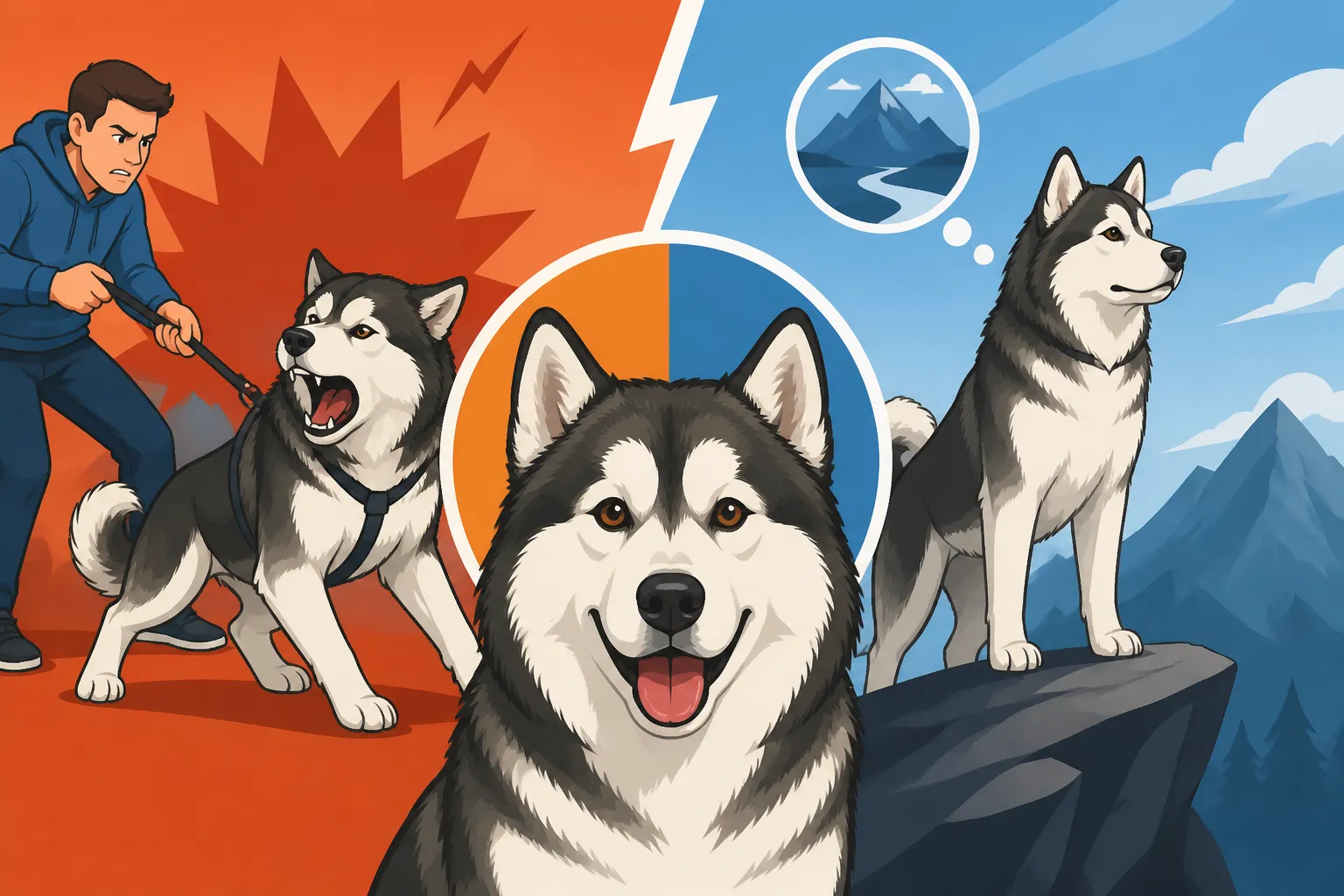
Working with an Alaskan Malamute isn't about breaking their will; it's about forging a partnership based on mutual respect, understanding, and clear communication. Embracing their independence while providing the right guidance is the key to a happy, well-adjusted Malamute.
High-Value Rewards and Engaging Training
Forget bland kibble as a primary reward. For an independent Malamute, you need to bring out the big guns! Think cooked chicken, cheese, hot dogs, or their absolute favorite store-bought training treats. The higher the value, the more likely they are to see the benefit in complying. These dogs are intelligent, and they will quickly realize when you're offering less than optimal compensation for their efforts.
Beyond just treats, make your training sessions fun, varied, and short. Malamutes get bored with repetition quickly. Instead of drilling "sit" twenty times in a row, incorporate it into a game, or practice it in different environments. Keep sessions to 5-10 minutes max, ending on a high note. This keeps them engaged and eager for the next session, rather than dreading it. You can find a vast array of high-value treats and engaging puzzle toys on platforms like Amazon to keep your Malamute's mind stimulated. Whether Short Sessions Suit an Alaskan Malamute offers further tips on keeping training effective.
The Importance of Leadership (Not Dominance)
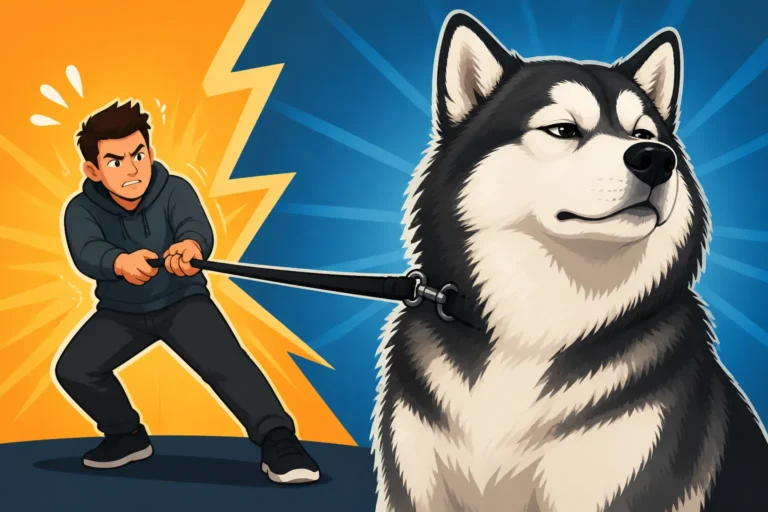
Malamutes respect fair, consistent leadership, but they utterly reject force or intimidation. Trying to "dominate" a Malamute using outdated alpha methods will not only backfire, but it can also damage your relationship and make them more resistant and distrustful. Their independent spirit means they will push back against perceived unfairness or aggression. Instead, focus on being a benevolent leader who sets clear expectations and provides guidance.
Leadership means consistently enforcing rules, providing for their needs (exercise, food, mental stimulation), and being a reliable source of information and safety. When your Malamute trusts that you know what you're doing and that cooperation leads to good things, they are much more likely to choose to follow your lead. They don't need a dictator; they need a confident, consistent guide. This approach respects their inherent nature and avoids the pitfalls of force. Why Force Fails on an Alaskan Malamute is a critical article to understand this concept.
Mental Enrichment and Physical Outlets
Remember, a tired Malamute is often a well-behaved Malamute. These dogs have immense energy and keen minds that need to be challenged daily. Simply letting them out in the yard isn't enough. They need purposeful activity that taps into their breed-specific drives. Consider activities like:
- Weight Pulling: This is a natural fit for their strength and love of work.
- Skijoring or Canicross: For those who enjoy active sports with their dogs.
- Long Hikes and Backpacking: Allowing them to carry a dog pack gives them a sense of purpose.
- Scent Work or Nose Games: Engages their powerful sense of smell and provides mental stimulation.
- Puzzle Toys and Interactive Feeders: Make them work for their food, slowing down mealtime and engaging their brains.
When a Malamute's physical and mental needs are adequately met, they are far less likely to resort to destructive behaviors or appear "stubborn" out of sheer boredom or frustration. Providing these outlets honors their heritage and channels their independence into positive endeavors. How Much Exercise an Alaskan Malamute Needs provides detailed guidance on meeting their activity requirements.
Comparing "Stubborn" vs. "Independent" Malamute Traits
Understanding the nuances between perceived stubbornness and true independence can fundamentally change your approach to your Malamute. Here’s a quick overview:
| Trait Aspect | Perceived "Stubbornness" Example | True "Independence" Example | What It Means |
|---|---|---|---|
| Response to Command | Ignores "come" in a stimulating environment despite knowing it. | Pauses, assesses situation, then chooses to investigate a smell before returning. | A Malamute prioritizes perceived value/instinct over immediate compliance. |
| Motivation | Refuses to do a trick for a generic treat. | Performs a complex task eagerly for a favorite, high-value reward. | They make a cost-benefit analysis; rewards must be worth the effort. |
| Problem Solving | Digs under the fence repeatedly after being told "no." | Figures out how to open a child-proof gate to explore the house. | Utilizes intelligence and ingenuity to achieve their own goals. |
| Consistency | Pushes boundaries where rules are inconsistently applied. | Tests limits to understand the true boundaries of their environment. | Seeks clarity in rules; inconsistency leads to testing, not defiance. |
| Emotional State | Appears unresponsive or disengaged due to boredom or frustration. | Exhibits confidence in making choices, even if they differ from yours. | Their demeanor is often a reflection of their current engagement and needs. |
| Learning Pace | Learns quickly but may appear to "forget" once the novelty wears off. | Can master complex tasks but requires consistent, high-value motivation. | Fast learners, but require ongoing, varied reinforcement to maintain interest. |
Disclaimer
This article is for general informational purposes only and does not constitute professional advice. Laws, prices and regulations vary by location and change over time. Consult a qualified professional for guidance on your specific situation.