Pulling Is the Only Job an Alaskan Malamute Really Wants
Many Alaskan Malamute owners find themselves bewildered by their dog's relentless energy, stubborn nature, and seemingly endless capacity for destruction. It's a common frustration, isn't it? You got this beautiful, majestic dog, expecting a calm companion, only to discover a furry wrecking ball with an insatiable desire to do something. This isn't naughtiness; it's a deeply ingrained instinct. This guide will help you understand why pulling isn't just a fun activity for your Malamute—it's the core job they were bred for, and embracing it is key to unlocking a happier, more harmonious life together.
The Ancient Roots of the Malamute's Pulling Drive
To truly understand why your Alaskan Malamute yearns to pull, you have to look back, far beyond the comfortable sofa they might currently be occupying, to the icy, unforgiving landscapes of the Arctic. These dogs aren't just pets; they are living testaments to centuries of purposeful breeding by the Mahlemut people. Their very existence was intertwined with the survival of their human companions, and that survival hinged on their ability to pull.
Born to Freight: More Than Just 'Dragging Things'
Imagine a world where your very existence depends on moving supplies, food, and people across vast, snow-covered territories. This wasn't a recreational activity; it was life itself. The Mahlemut people, from whom the Alaskan Malamute gets its name, selectively bred dogs for specific traits: immense strength, incredible endurance, a thick coat against extreme cold, and a calm, intelligent disposition that allowed them to work tirelessly day after day. They weren't bred for speed, like some of the lighter sled dogs; they were bred for freighting – hauling heavy loads over long distances at a steady, efficient pace.
This means that every fiber of your Malamute's being, from their powerful shoulders and deep chest to their efficient metabolism, is designed for sustained effort under harness. When we talk about "pulling," it's not simply about dragging a weight; it's about engaging their entire physical and mental being in a task that resonates with thousands of years of ancestral purpose. It's a job that requires focus, stamina, and a willingness to work, and denying them this fundamental expression of their breed identity often leads to a frustrated, restless dog.
The Gold Rush and the Modern Malamute
The rugged abilities of the Alaskan Malamute were further solidified during pivotal moments in history, perhaps none more famous than the Alaskan Gold Rush. As prospectors flooded into the harsh northern territories, they quickly realized that human strength alone was insufficient to transport the immense amounts of gear, food, and supplies needed for survival, let alone for striking it rich. The dogs, particularly the strong, hardy "Malamute" type, became indispensable. They weren't just animals; they were partners in the grueling pursuit of fortune.
This period, while challenging for the breed due to extensive crossbreeding to produce faster, often less true-to-type dogs, ultimately cemented the Malamute's reputation as the ultimate freighting dog. The best of the breed continued to demonstrate their prowess, and dedicated enthusiasts later worked to preserve the purebred lines, ensuring that the working heritage remained. Even today, though most Malamutes live far from the gold fields or Arctic villages, that genetic blueprint for work endures. Your modern Malamute carries the spirit of those tireless freighting dogs, and that inherent drive to pull is just waiting for an appropriate outlet. It’s not a choice for them; it’s a deep, genetic calling that shapes their entire outlook.
Why "Pulling" Fills a Malamute's Soul (and Body)
It might sound dramatic to say pulling fills a dog's soul, but for an Alaskan Malamute, it truly gets to the core of their being. They aren't just physically impressive; they're incredibly intelligent and driven. When these aspects aren't engaged, problems often arise. Providing them with a structured pulling activity taps into both their immense physical capabilities and their sharp minds, leading to a much more fulfilled and content canine companion.
Physical Exertion: Beyond a Leash Walk
Let's be honest, a twenty-minute walk around the block, even a brisk one, barely registers as a warm-up for an Alaskan Malamute. These are dogs built for covering vast distances, often with heavy loads, in extreme conditions. Their musculature, bone structure, and cardiovascular system are all optimized for sustained, powerful work. Think about it: they have powerful shoulders, a deep, capacious chest for lung capacity, and strong, well-angulated legs that provide maximum leverage and endurance.
When a Malamute is under-exercised in a way that respects their physical heritage, that pent-up energy doesn't just dissipate. It manifests. They might become restless indoors, unable to settle, pacing from room to room. Their exuberance on a leash can turn into an uncontrollable surge, not out of malice, but because they have so much unused power they don't know what to do with it. Proper pulling activities, like carting, weight pull, or even backpacking, provide the kind of sustained, effortful physical output that genuinely tires them out in a healthy way, leaving them content and ready to relax once the job is done.
Mental Stimulation: A Brain that Needs a Job
Beyond the sheer physical aspect, pulling offers profound mental stimulation. It’s not just mindless trotting; it’s a job that requires focus, decision-making, and teamwork. When your Malamute is in harness, they are often learning commands for direction (like "Gee" for right and "Haw" for left) and speed ("Hike" for faster, "Whoa" for stop). They learn to work steadily, navigate obstacles, and respond to their handler's cues.
This kind of engagement is crucial for a breed as intelligent as the Malamute. Without a "job" to do, their clever minds can quickly turn to more creative—and often destructive—endeavors around the house. They might learn to open doors, raid the pantry, or disassemble furniture, simply because their brains are craving a challenge. Engaging them in a pulling sport satisfies that intellectual hunger, channeling their problem-solving skills and independent spirit into a productive outlet. It shifts their focus from being a bored, opportunistic mischief-maker to a focused, driven worker.
Instinctual Fulfillment: Tapping into Their Core Identity
Ultimately, providing a Malamute with opportunities to pull taps into their deepest instinctual needs. It’s not just about burning calories; it’s about fulfilling their very identity. Imagine being born with an innate talent or passion, and never being allowed to express it. That’s how many Malamutes must feel when they're denied their calling. When they feel the harness on their back and the resistance of a load, it’s like a switch flips. They understand their purpose.
This fulfillment leads to a more balanced and confident dog. A Malamute that regularly engages in pulling activities is often calmer at home, more receptive to training in other areas, and generally less prone to anxiety or frustration. They are living authentically to their breed's history. It's a powerful thing to witness, and even more powerful to facilitate. By giving them this outlet, you're not just exercising them; you're allowing them to be the magnificent, purposeful dogs they were always meant to be. This connection to their ancestral purpose is a key factor in their overall well-being.
Recognizing the Signs Your Malamute Needs to Pull
It’s easy to dismiss certain Malamute behaviors as "just how they are" or stubbornness, but often, these actions are clear signals that your dog’s innate drive to pull and work is not being met. Understanding these signs can be the first step toward a more fulfilling life for both you and your furry companion. They’re not being naughty; they're communicating a deep-seated need.
Destructive Behaviors: Not Naughty, Just Bored
Let's talk about the chaos, shall we? Many Malamute owners arrive home to a scene reminiscent of a hurricane—chewed furniture, shredded pillows, excavated flowerbeds. This isn't usually born of spite. More often than not, it's a direct symptom of under-stimulation, both physical and mental. A Malamute with unchanneled energy and an intelligent mind will find ways to entertain themselves, and those ways rarely align with our homeowner sensibilities.
Consider the classic example: your perfectly manicured lawn suddenly looks like a lunar landscape. This isn't just a dog digging for fun; it's often a Malamute trying to create a cool spot, escape, or simply burn off energy through a natural, albeit inconvenient, activity. Or perhaps your couch didn't stand a chance after you left them alone for a couple of hours. That same immense power designed to move sleds can easily shred upholstery. When you discover What a Malamute Chews Through in a Year, you quickly learn that these aren't isolated incidents, but rather a pattern signaling a deeper need. Providing them with structured work, like pulling, gives them a productive way to expend that energy, significantly reducing the likelihood of them resorting to house-wrecking activities. It's a win-win: they get a job, and your house stays intact. Digging, in particular, is an instinctual behavior, and a bored Malamute will lean into it with gusto. Why a Bored Malamute Digs is an important read for any Malamute owner experiencing this particular headache.
Leash Pulling: A Misunderstood Call for Work
One of the most common and often frustrating behaviors in Malamutes is their tendency to pull on the leash. For many other breeds, this is seen as poor manners, easily corrected with a gentle leader or consistent "heel" training. For a Malamute, it's often something else entirely. It’s them trying to do their job. They feel the harness, the restraint, and their instinct tells them, "Go! Pull this human along!"
Traditional anti-pull training methods often fail or only work temporarily because they don't address the root cause. You're trying to suppress a fundamental drive, not just a learned bad habit. Instead of fighting against this powerful instinct, consider redirecting it. Imagine if every time you put on your running shoes, someone told you to walk slowly. Frustrating, right? That's how your Malamute feels. By giving them an appropriate outlet where pulling is not only allowed but encouraged, you can actually improve their loose-leash walking. When they know they'll get dedicated time to pull, they often become more amenable to polite walking the rest of the time. It’s about balance and understanding their unique communication style.
Restlessness and Vocalizations: Unchanneled Energy
A Malamute who isn't getting enough appropriate exercise and mental stimulation will often display a range of restless behaviors and vocalizations. This isn't just being "energetic"; it's a deep-seated inability to settle down because their core needs aren't being met. You might observe them pacing incessantly around the house, unable to relax even after a walk. They might constantly nudge you for attention, not just for affection, but for a job, a task, an outlet for their energy.
Their vocalizations also tell a story. While Malamutes are not typically barkers, they are masters of the "woo" and the howl. A Malamute who is frequently "wooing" or howling incessantly, especially indoors, might be expressing boredom, frustration, or a desperate plea for something to do. Why a Malamute Wooes Instead of Barking explains the nuances of their communication, but persistent vocalizations, particularly howling, can be a sign of deeper unhappiness. Why an Alaskan Malamute Howls delves further into this. When their natural drives for physical and mental work are engaged through pulling, you often find a much quieter, more serene dog in the home, one who is content to rest because their body and mind have been truly worked. They shift from a state of agitation to one of peaceful contentment.
Practical Ways to Incorporate Pulling into Your Malamute's Life
So, you're convinced your Malamute needs to pull. Great! But where do you start? The good news is that there are many ways to introduce pulling activities into your dog's routine, catering to different lifestyles, environments, and levels of commitment. The key is to start smart, stay safe, and make it a positive experience for both of you.
Getting Started: The Right Gear and Basic Training
Before your Malamute ever feels the thrill of pulling a load, you need to invest in the right equipment and lay a solid foundation of basic training. This isn't just about safety; it's about setting both of you up for success.
First, the harness. This is crucial. Forget the clip-on-the-chest harnesses designed to stop pulling; you need a proper freighting or pulling harness. These harnesses are designed to distribute pressure evenly across your dog's chest and shoulders, allowing them to lean into the pull comfortably and efficiently without restricting their movement or causing injury. Look for well-padded options with a long body that connects the chest strap to the attachment point far back on the dog's rear. Brands available on platforms like Amazon often offer a variety of robust harnesses suitable for Malamutes, but always prioritize fit and function over aesthetics. Remember, a cheap, ill-fitting harness can cause chafing, discomfort, and even injury, making your Malamute dislike the activity before they've even truly begun. Knowing What a Weight Pull Harness for a Malamute Costs can help you budget appropriately.
Next, basic commands. While your Malamute might be eager to pull, they need to do so with you, not just for you. Essential commands for pulling include:
- "Hike!" (or "Go!" or "Mush!"): To start moving forward.
- "Whoa!": To stop. This needs to be rock-solid, as stopping a powerful dog can be challenging.
- "Gee!": To turn right.
- "Haw!": To turn left.
- "On By!": To pass distractions without stopping or getting sidetracked.
These commands require positive reinforcement. Use high-value treats and enthusiastic praise to reward correct responses. Many online training resources, like BAXTER & Bella, offer structured positive reinforcement programs that can be adapted for working commands, even if they're not specifically geared towards pulling. The goal is to build clear communication and trust, ensuring that when your Malamute is in harness, they are a responsive and engaged partner, not just a runaway train. Start practicing these commands in low-distraction environments, gradually increasing the complexity as your Malamute gains confidence and understanding.
Different Pulling Activities to Explore
Once you have the right gear and your Malamute understands the basic commands, a world of pulling activities opens up. There's something for almost every Malamute and owner.
- Weight Pull: This is an organized sport where dogs pull a weighted cart or sled a short distance. It's fantastic for building muscle, focus, and confidence. The weights are gradually increased as the dog gains strength and technique, making it a safe and controlled way to engage their power. It's less about speed and more about brute strength and determination. Many regional Malamute clubs host weight pull events, offering a supportive environment to learn the ropes.
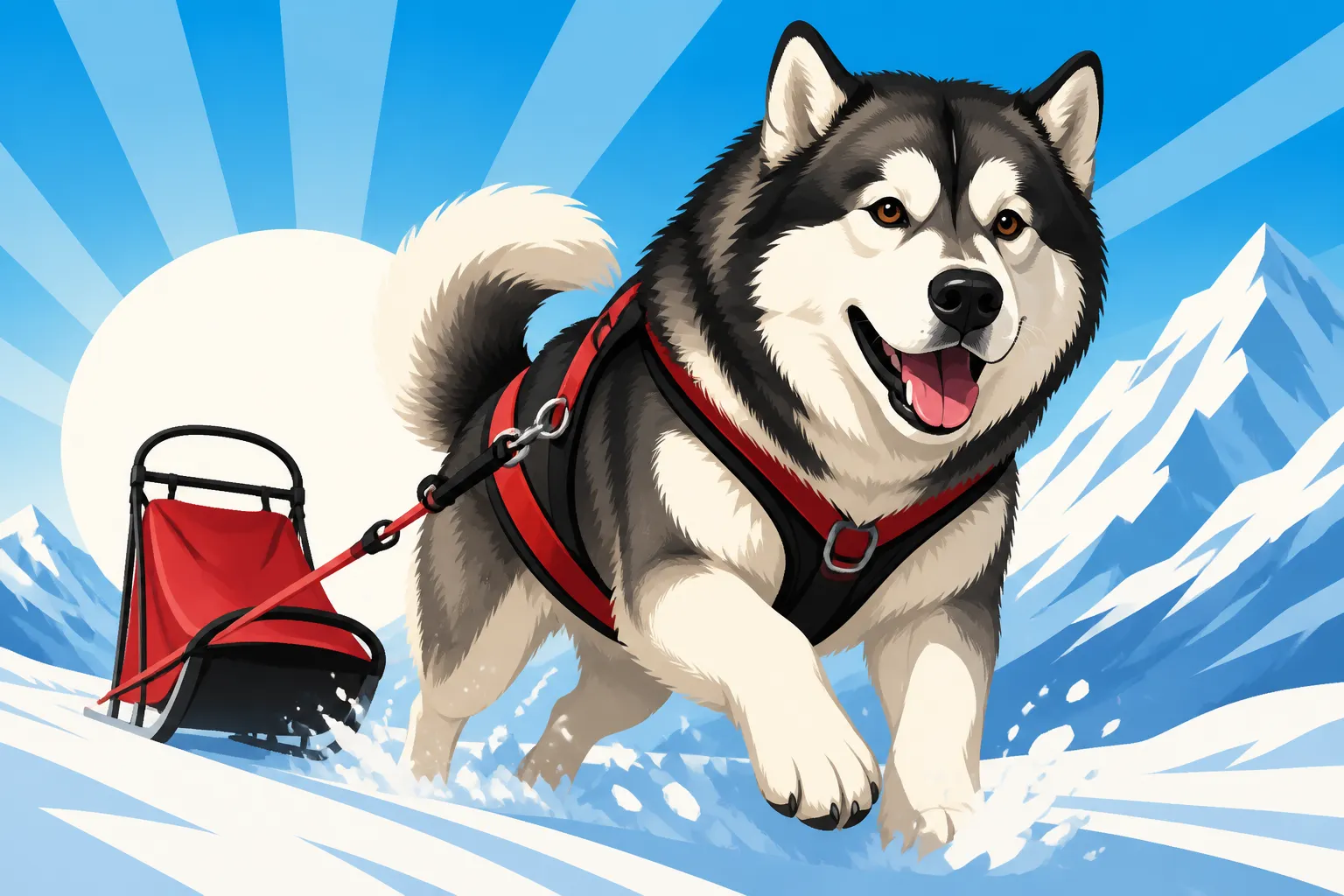
- Sledding/Carting: If you have access to snow, traditional sledding is the pinnacle of the Malamute's heritage. But even without snow, you can participate in "dryland mushing" with a scooter, bicycle (bikejoring), or a purpose-built cart. A single Malamute can easily pull a cart with a person or supplies, allowing them to experience the joy of continuous forward motion under harness. This simulates their original job of freighting and provides excellent cardiovascular exercise and mental engagement.
- Skijoring/Canicross: For the active owner who wants to participate alongside their dog, skijoring (where your dog pulls you on skis) and canicross (where your dog pulls you while you run) are fantastic options. These activities build an incredible bond as you work as a team. Your Malamute provides the power, and you provide direction and coordination. The Alaskan Malamute in Skijoring is a great resource if this sounds like an exciting option for you.
- Backpacking/Packing: This is a simpler way to give your Malamute a job on regular hikes. A specialized dog backpack allows them to carry their own water, treats, or even your lighter gear. This adds resistance and purpose to a walk, engaging their muscles and giving them a sense of responsibility. It's not heavy pulling, but it satisfies that drive to "work" and contribute. Just be mindful of how much weight they carry; How Much a Malamute Should Carry on a Hike is an important consideration to prevent injury.
Safety First: Age, Conditioning, and Weather Considerations
Safety should always be your top priority. Pushing your Malamute too hard, too fast, or in unsafe conditions can lead to injury or make them dislike pulling altogether.
- Age and Growth Plates: Never start heavy pulling or strenuous activities with a young Malamute puppy. Their growth plates (areas of cartilage at the ends of long bones that eventually harden) are not fully closed until around 18-24 months of age. Engaging in intense, repetitive impact or heavy pulling before this can cause irreversible damage to their joints. Start with light backpacking or short, very light carting sessions after they are at least a year old, and gradually increase intensity only after consulting with your vet. For a detailed guide on when it’s safe to begin, refer to The Age a Malamute Can Start Pulling.
- Conditioning: Just like human athletes, Malamutes need to be conditioned gradually. Don't take a couch potato Malamute and expect them to pull a heavy sled for miles on day one. Start with short sessions, light loads, and comfortable distances. Gradually increase the duration, weight, or speed as your dog's strength, stamina, and muscle tone improve. Pay attention to their breathing, gait, and overall enthusiasm. If they seem tired or unwilling, it's time to stop.
- Weather and Overheating: This is perhaps the most critical safety consideration for an Alaskan Malamute. They are built for the cold, with dense double coats that insulate them incredibly well. This makes them highly susceptible to overheating, especially when exercising. Summer Is the Season That Kills Alaskan Malamutes is a stark reminder of this danger.
- Avoid pulling in warm weather. This means no pulling activities when temperatures are above 50-60°F (10-15°C) for most Malamutes, and even cooler if humidity is high or the sun is strong.
- Always have water available and offer frequent breaks.
- Watch for signs of overheating: excessive panting, drooling, weakness, staggering, dark red gums. If you see these, stop immediately, cool your dog down with water, and seek veterinary attention.
- Whether a Malamute Should Pull in Warm Weather provides specific guidance on this life-saving topic. Early morning or late evening in cooler months are generally the best times for these activities.
By taking these precautions, you ensure that pulling remains a safe, enjoyable, and ultimately beneficial activity that honors your Malamute's heritage and promotes their well-being.
The Transformative Power of a Working Malamute
It might sound like a lot of effort to embrace your Malamute's pulling drive, but the rewards are truly transformative. When you provide an appropriate outlet for their deepest instincts, you don't just get a well-exercised dog; you gain a more balanced companion and foster a deeper, more meaningful relationship built on mutual understanding and respect.
A Happier, Calmer Companion
The most immediate and noticeable change in a Malamute that regularly engages in pulling activities is often their demeanor at home. Gone are the days of relentless pacing, frantic energy bursts, and the endless search for mischief. Instead, you’ll find a dog that is genuinely content, able to settle down, and enjoy downtime with their family. They’re no longer bursting with unspent energy that needs an outlet; they’ve had their "job" for the day, and now they can truly relax.
This contentment translates into fewer behavioral issues. A Malamute whose mental and physical needs are met through pulling is less likely to resort to destructive chewing, inappropriate digging, or constant vocalizations. They’re not bored, they’re not frustrated, and they’re not trying to invent their own entertainment. They are simply happy. This shift makes living with a Malamute infinitely more enjoyable and less stressful for everyone in the household, allowing their true, affectionate personalities to shine through without the overlay of pent-up energy.
Stronger Bond, Deeper Understanding
Working with your Malamute in a pulling sport or activity creates an unparalleled bond. When you are a team, guiding them, encouraging them, and trusting them to perform their role, something profound happens. It's not just about giving commands; it's about communicating, reading their body language, and sharing a common goal. This shared experience deepens the level of trust and respect between you.
You move beyond being just an owner to being a partner. You understand their motivations, their efforts, and their inherent joy in the work. And they, in turn, understand your leadership and appreciate the opportunity you're giving them to be their authentic selves. This type of relationship fosters a deeper loyalty and responsiveness. You'll find that a Malamute who is given the chance to work alongside you often becomes more attuned to your needs and desires in other aspects of daily life. It proves that positive reinforcement and respectful handling are far more effective than trying to force compliance. Why Force Fails on an Alaskan Malamute is a crucial read for any owner, especially when dealing with this independent breed. They want to work with you, not just for you.
A Legacy Honored
Perhaps the most fulfilling aspect of embracing your Malamute's pulling drive is the knowledge that you are honoring their magnificent legacy. These aren't just any dogs; they are living pieces of history, descendants of the indispensable companions of the Mahlemut people, who relied on them for survival. By providing them with opportunities to pull, you are keeping that history alive, acknowledging the incredible work their ancestors performed, and allowing your dog to connect with that powerful heritage.
It's a testament to the foresight and dedication of those who bred these dogs for freighting, ensuring that the traits of strength, endurance, and willingness to work were passed down through generations. Your Malamute is a purpose-bred animal, and giving them purpose is the greatest gift you can offer. It’s about recognizing who they are, deep in their bones, and giving them the chance to express that identity. You're not just exercising a pet; you're nurturing the spirit of a true working dog, allowing them to experience the joy of doing what they were literally born to do. This profound fulfillment is what every Malamute deserves, and it truly makes them a wonderful companion. Remember, Why a Pet Malamute Still Needs to Pull is a principle that applies regardless of whether they're a show dog or a beloved family member.
Here's a quick comparison of some popular pulling activities for your Alaskan Malamute:
| Activity | Description | Equipment Needed | Benefits | Considerations |
|---|---|---|---|---|
| Weight Pull | Dog pulls a weighted cart or sled over a short distance. Focus on strength and technique. | Weight pull harness, cart/sled, weights. | Builds muscle, strength, focus, confidence. Excellent mental and physical workout. | Requires specialized equipment. Often a competitive sport with specific rules. Start very light. |
| Sledding/Carting | Dog pulls a sled (snow) or cart/scooter (dryland) with a person or load. Focus on endurance. | Pulling harness, sled/cart/scooter, gangline. | Full body workout, endurance training, deep instinctual fulfillment. Great for multiple dogs. | Requires snow for traditional sledding. Dryland versions need safe, open trails. Can be a significant investment. |
| Skijoring | Dog pulls a person on cross-country skis. | Pulling harness, skijor belt (worn by human), bungee line, skis, poles. | Excellent cardio for both dog and human, strong team bonding, speed and agility. | Requires snow, cross-country skiing skills. Can be challenging to learn. Control relies on verbal cues. |
| Canicross | Dog pulls a running human. | Pulling harness, canicross belt (worn by human), bungee line. | High-intensity cardio for both, great for trail running, strengthens bond. | Requires good running form from human. Can be intense on joints. Careful attention to weather is crucial. |
| Backpacking | Dog carries a weighted pack on hikes or walks. | Backpacking harness with saddlebags. | Adds purpose and physical exertion to regular walks, builds stamina, good for mental engagement. | Limited weight capacity. Must ensure proper fit and balance to prevent chafing or injury. Avoid over-weighting. |
Disclaimer
This article is for general informational purposes only and does not constitute professional advice. Laws, prices and regulations vary by location and change over time. Consult a qualified professional for guidance on your specific situation.