Whether a Prong Collar Belongs on a Malamute
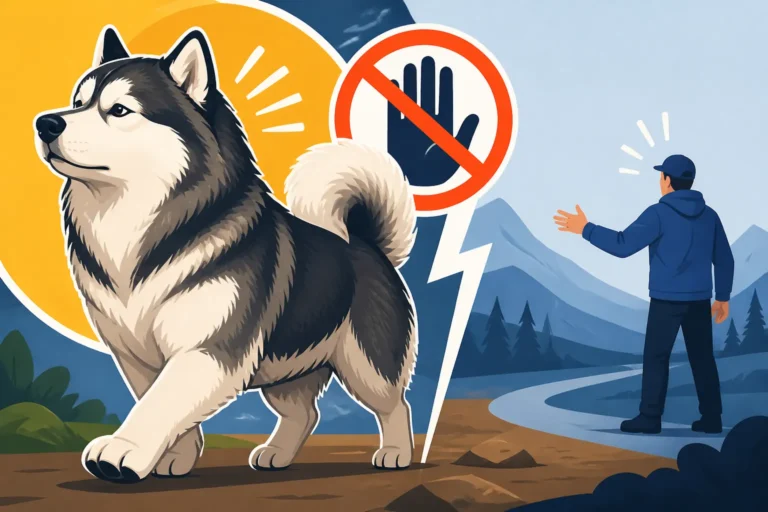
Many Alaskan Malamute owners find themselves at their wit's end, feeling like they're being pulled down the street by a freight train instead of walking their beloved companion. The sheer power and independent nature of these magnificent dogs can make leash manners a monumental challenge, leading some to consider tools like prong collars in search of effective control. This guide delves into the realities of using a prong collar on an Alaskan Malamute, exploring its mechanisms, potential impacts, and offering more humane and effective training alternatives.
The Allure of the Prong Collar for a Strong-Willed Malamute
It's completely understandable why an Alaskan Malamute owner might feel a certain pull (pun intended!) towards a tool that promises more control. When your dog is strong enough to easily tow an adult human, walks can quickly become a battle of wills and strength, rather than an enjoyable outing. The frustration is real, and the desire for a safer, more manageable walk often drives the exploration of various training aids.
Understanding the Alaskan Malamute's Natural Strength and Drive
Let's be honest, the Alaskan Malamute was bred for serious work. We're talking about pulling heavy loads over vast, often harsh, Arctic landscapes. This isn't just a casual stroll in the park; this is serious, sustained effort. Their physical build — powerful shoulders, deep chests, and muscular legs — is a testament to this heritage. When they decide to go, they go. Their instinctual drive to pull means that even a well-intentioned walk can quickly devolve into a tug-of-war if not managed correctly from the start. They are not naturally inclined to walk politely by your side; their genetic blueprint is for forward momentum. This inherent desire to pull is precisely why many owners feel overwhelmed. You might have tried every trick in the book – treats, toys, sudden changes in direction – and still find yourself wrestling with a furry powerhouse. This can be especially challenging during that adolescent phase, where they seem to The Adolescent Malamute That Rewrites the Rules at Fourteen Months.
The Immediate Appeal of "Instant" Control
The appeal of a prong collar, often marketed as a tool for "immediate" control, is undeniable for many struggling owners. You see people walking large, powerful breeds seemingly effortlessly with one, and the thought crosses your mind: "Could this finally be the answer for my Malamute?" The way it works, applying pressure evenly around the neck when the dog pulls, often results in a quick cessation of pulling for many dogs. This perceived "instant" fix is a huge draw for those who are physically exhausted and mentally drained by constant leash pulling. It feels like a magic bullet that can transform chaotic walks into manageable ones, providing a sense of relief and security that might have been missing. However, this immediate effect doesn't necessarily mean the dog has learned anything about walking politely; it often means they've learned to avoid the uncomfortable sensation.
Examining the Mechanics and Philosophy of Prong Collars
Before deciding if a prong collar belongs on your particular Malamute, it's vital to understand exactly how these collars function and the underlying training philosophy they represent. It's not just a fancy collar; it's a tool with a specific purpose and mechanism.
How a Prong Collar Applies Pressure and Its Intended Effect
A prong collar, sometimes called a pinch collar, is designed with a series of blunt metal links that create inward pressure around the dog's neck. Unlike a choke chain that constricts the windpipe, a prong collar aims to distribute pressure more evenly, mimicking the corrective nip a mother dog might give her puppies on the back of the neck. When the dog pulls, the prongs pinch the skin, creating an uncomfortable, but generally not piercing, sensation. The idea is that the dog will associate the discomfort with pulling and will cease the behavior to alleviate the pressure. When properly fitted, it sits high on the neck, just behind the ears, and is meant to be used with a quick, decisive "pop" and release, rather than constant tension. Many people mistakenly use it as a constant tension collar, which defeats its intended purpose and can cause continuous discomfort. The goal, in theory, is to create a negative consequence that the dog learns to avoid, thus encouraging slack-leash walking.
The Debate: Aversive Tool vs. Communication Aid
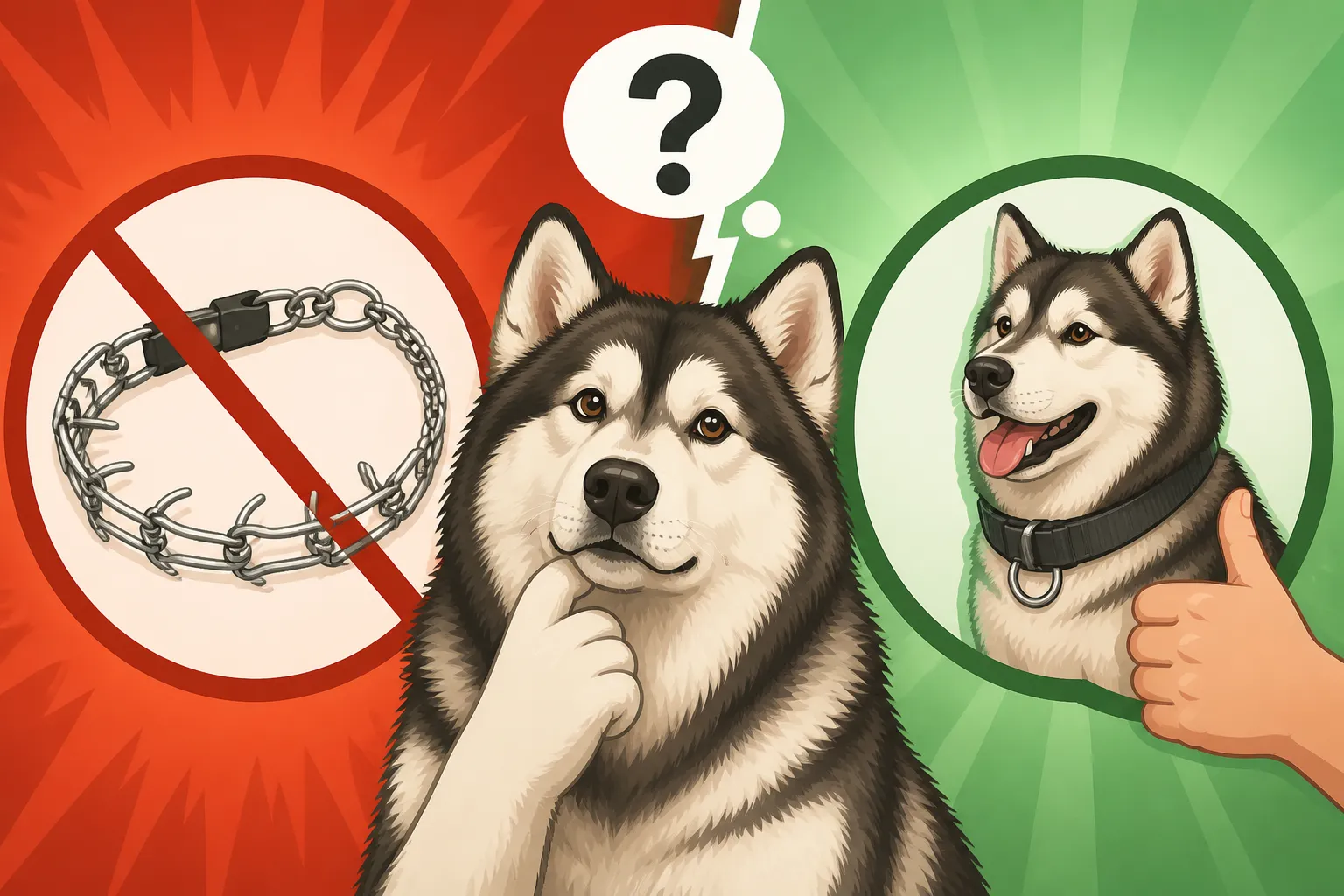
This brings us to the heart of the debate surrounding prong collars. On one side, proponents often argue that it's a highly effective communication tool, providing clear and immediate feedback to a dog about unwanted behavior. They might say it's more humane than a choke chain because the pressure is distributed and doesn't cut off air. For a breed like the Alaskan Malamute, known for its incredible strength and stubbornness, some trainers believe it's a necessary tool to establish control and safety, especially when dealing with behaviors like relentless pulling or leash reactivity. You'll find many advocates for their careful use, often emphasizing proper fitting and technique.
On the other side, many positive reinforcement trainers and animal behaviorists classify prong collars as aversive tools. They argue that any tool that relies on discomfort or pain to modify behavior can have unintended negative consequences. While it might stop the pulling, it doesn't teach the dog what to do instead. It merely teaches them what not to do, under threat of an unpleasant sensation. Furthermore, using aversive tools can damage the bond of trust between owner and dog, and potentially lead to fear, anxiety, or aggression if misused or if the dog becomes sensitized to the discomfort. For a breed that thrives on partnership and trust, like the Malamute, undermining that bond can lead to other behavioral issues down the line. It's a fundamental philosophical divide in dog training.
Potential Pitfalls and Ethical Considerations for Alaskan Malamutes
While a prong collar might offer immediate relief from intense pulling, it's crucial to consider the potential downsides, especially when dealing with a complex and sensitive breed like the Alaskan Malamute. These aren't just minor inconveniences; they can have lasting impacts on your dog's well-being and your relationship.
The Risk of Physical Injury and Psychological Harm
Despite claims that prong collars are "humane," there are undeniable risks of physical injury if not used correctly. If the collar is ill-fitting, or if the handler uses excessive force, the prongs can dig into the skin, causing abrasions, punctures, or even nerve damage in severe cases. The delicate structures in a dog's neck, including the trachea, thyroid, and lymph nodes, can be affected. For an energetic Malamute that might lunge suddenly at a squirrel or another dog, the sudden, sharp correction can cause a whip-like injury to the neck.
Beyond physical harm, there's the very real potential for psychological damage. When a dog experiences pain or discomfort during walks, they might associate that negative feeling with other things in their environment—the sight of other dogs, children, or even just being outside. This can lead to increased fear, anxiety, or even reactive aggression. Instead of learning to walk nicely, the dog learns to fear the situation. A Malamute that is already prone to being Leash Reactivity in an Alaskan Malamute might find these tendencies exacerbated by the stress of a prong collar, potentially escalating into more serious behavioral problems rather than solving the initial one. The goal is a confident, happy dog, not one constantly anticipating discomfort.
Undermining Trust and Suppressing Natural Malamute Behaviors
Alaskan Malamutes are intelligent, independent thinkers. They thrive on clear communication and a strong, trusting relationship with their people. Using a tool that relies on aversion can erode that trust. If every time your Malamute pulls, they receive an uncomfortable correction, they may start to view you as the source of that discomfort, rather than a trusted leader guiding them. This can manifest as reluctance to engage, avoidance, or a general shutdown, where the dog appears "calm" but is actually just suppressing natural behaviors to avoid punishment.
Think about it: the Malamute's natural inclination is to pull. It's in their DNA. While we need to teach them appropriate manners in a human world, suppressing such a fundamental drive through discomfort can be deeply frustrating for the dog. Instead of teaching them how to engage with their pulling instinct in an acceptable way (e.g., pulling a cart or sled, which is their true joy), it simply tells them that pulling is bad, regardless of context. This can lead to a dog that is less joyful, less interactive, and less likely to offer behaviors freely. A healthy relationship is built on cooperation, not coercion.
The Myth of the "Quick Fix" and Training Fallout
The immediate effect of a prong collar can be incredibly deceptive, leading owners to believe it's a "quick fix." While it might stop pulling in the moment, it rarely addresses the root cause of the pulling. Why is your Malamute pulling? Is it over-excitement? Lack of early leash training? A desire to explore? High prey drive (What an Alaskan Malamute Was Bred to Hunt)? A prong collar doesn't teach polite leash walking; it just makes pulling unpleasant.
What often happens is "training fallout." The dog might stop pulling while wearing the prong collar, but without understanding why or what to do instead, the moment the collar comes off, or a new highly motivating distraction appears, the pulling behavior returns, often with a vengeance. Or, the dog might develop new, undesirable behaviors as a coping mechanism, like redirected aggression, fear of novel situations, or even a complete lack of enthusiasm for walks. Relying solely on aversive tools can create a vicious cycle where more and more pressure is needed, or new problems crop up as old ones are superficially "fixed." True training involves teaching and reinforcing desired behaviors, building understanding and cooperation, not just suppressing unwanted actions.
Building a Better Bond: Humane Alternatives and Positive Training
Instead of relying on aversive tools, let's explore how we can work with our Alaskan Malamutes, understanding their unique needs and motivations to achieve harmonious walks and a stronger bond. This breed responds incredibly well to positive reinforcement and clear, consistent guidance.
Harnessing Power: Exploring Front-Clip Harnesses and Head Halters
For a strong Malamute that pulls, the right equipment can make a world of difference without causing discomfort.
- Front-Clip Harnesses: These harnesses have a leash attachment ring on the dog's chest, rather than on their back. When your Malamute pulls, the leash redirects their forward momentum to the side, gently turning them around. This makes it difficult for them to pull effectively and naturally discourages the behavior. It's a physical redirection, not a painful correction. Brands like Freedom Harness or Easy Walk Harness are popular choices and can often be found readily on Amazon. They allow you to maintain control and guide your dog without any pressure on their throat or neck, preserving their comfort and your relationship.
- Head Halters (or Head Collars): A head halter, like the Gentle Leader or Halti, fits over your dog's muzzle and around their neck, similar to a halter for a horse. The leash attaches under the chin. When your Malamute pulls, the halter gently turns their head, which naturally guides their body. Where the head goes, the body follows! This provides excellent control for even the strongest pullers, as it leverages the dog's head movement. Many Malamutes take some time to get used to wearing a head halter, and it requires careful introduction with positive associations (treats, praise). It's crucial that it's fitted correctly and not used to yank the dog's head aggressively. Once accustomed, it can be an incredibly effective and humane tool for teaching loose-leash walking.
| Collar/Harness Type | Primary Mechanism | Pros | Cons | Best For |
|---|---|---|---|---|
| Prong Collar | Aversive pressure/pinch | Immediate stop to pulling for many dogs | Risk of physical/psychological harm, trust erosion, suppresses behavior | (Debated) High-drive, strong pullers with experienced, precise handlers; generally not recommended by positive trainers |
| Flat Buckle Collar | Neck pressure | Identification, basic leash attachment | No control over pulling, risk of throat injury if dog pulls hard | Dogs with good leash manners, ID tag holder |
| Front-Clip Harness | Redirects forward momentum | Prevents pulling by turning dog, comfortable, safe | Can sometimes rub under armpits if ill-fitting | Strong pullers, dogs prone to choking on flat collars, all-around good choice |
| Head Halter | Controls head direction | Excellent control over pulling, gentle, safe | Requires adaptation period, some dogs dislike wearing it on muzzle | Very strong pullers, dogs with high reactivity, good for teaching focus |
| Back-Clip Harness | Attaches on back | Comfortable, distributes pressure evenly | Can encourage pulling (like a sled harness) | Dogs with good leash manners, protection from neck injury, dogs who prefer minimal neck pressure |
Positive Reinforcement: Tapping Into Your Malamute's Motivations
The real magic in training a Malamute isn't in what you stop them from doing, but in what you teach them to do. Alaskan Malamutes are highly intelligent and incredibly food-motivated. They also thrive on praise and engagement with their human. What an Alaskan Malamute Will Work For is often a delicious treat!
- Reward Desired Behavior: Instead of punishing pulling, reward non-pulling. Every time your Malamute walks with a loose leash, even for a step, mark that moment with a verbal cue like "Yes!" or a clicker, and immediately follow with a high-value treat. Repeat, repeat, repeat. Your goal is to make walking politely far more rewarding than pulling.
- Engagement is Key: Malamutes are smart and can get bored easily. Make walks an engaging experience for them. Incorporate short bursts of training, practice "watch me" exercises to maintain eye contact, and use varying paces. This turns the walk into a partnership, rather than a battle. A good online training program, like those offered by BAXTER & Bella, focuses heavily on positive reinforcement and building engagement, which is crucial for a strong, independent breed.
- Manage the Environment: If your Malamute pulls relentlessly in a busy park, start training in a quieter environment with fewer distractions. Gradually introduce more stimulating surroundings as their leash manners improve. Setting your dog up for success is paramount. If you know a certain scent or sight will trigger a strong pulling response, anticipate it and proactively reward their focus on you before they even have a chance to pull.
Remember, training takes patience and consistency, especially with a breed as independent as the Malamute. But the reward is a happier dog and a stronger, more trusting relationship.
When to Seek Professional Guidance for Leash Manners
Sometimes, despite your best efforts, you might feel stuck. Your Malamute's pulling might be so ingrained, or their reactivity so intense, that you're just not making progress on your own. This is not a sign of failure; it's a sign that you care enough to get extra help.
- Certified Professional Dog Trainers (CPDT-KA): Look for trainers who use positive reinforcement and fear-free methods. A good trainer can assess your Malamute's specific challenges, your handling skills, and develop a personalized training plan. They can teach you the timing and mechanics of effective reward-based training and help you troubleshoot problem areas. They often have specific experience with northern breeds and understand their unique temperaments and motivations. When considering a trainer, always ask about their methods, certifications, and experience with strong, independent breeds. Whether a Malamute Needs a Professional Trainer is a question many owners face, and the answer is often yes, especially for challenging behaviors.
- Behavioral Consultations: If pulling is accompanied by significant reactivity, aggression, or anxiety, a veterinary behaviorist or a certified applied animal behaviorist (CAAB) might be more appropriate. These professionals have advanced education and can diagnose underlying behavioral issues that might be contributing to the pulling and develop comprehensive treatment plans, often involving both training and management strategies.
Investing in professional guidance can be a game-changer. It not only helps you and your Malamute achieve better leash manners but also strengthens your bond and improves your dog's overall quality of life. The goal is to create a situation where both you and your Malamute enjoy walks, confidently navigating the world together, rather than dreading every outing.
Disclaimer
This article is for general informational purposes only and does not constitute professional advice. Laws, prices and regulations vary by location and change over time. Consult a qualified professional for guidance on your specific situation.