Whether Alpha Rolling a Malamute Is Dangerous
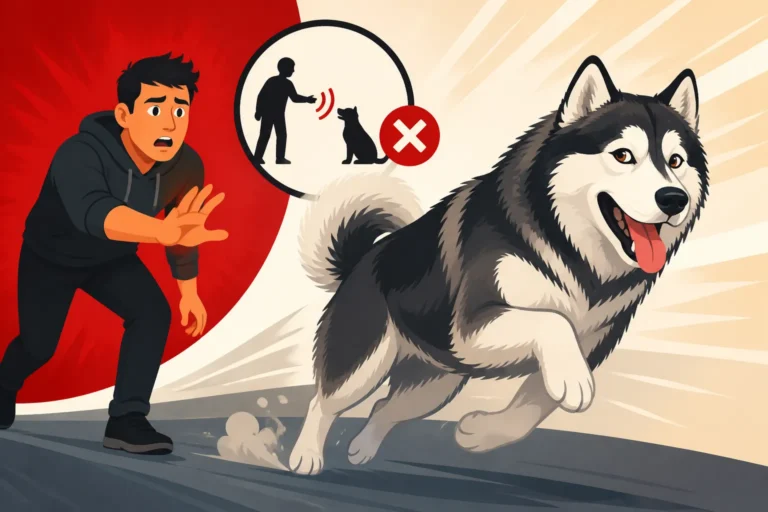
It’s a common, heartbreaking scenario: you're struggling with your strong-willed Alaskan Malamute, feeling like you've tried everything, and someone suggests an "alpha roll" to show your dog who's boss. This guide is here to tell you definitively why that old-school advice is not only ineffective but profoundly dangerous for you and your beloved Malamute, and what truly works instead.
What "Alpha Rolling" Actually Is (and Isn't)
For generations, dog owners, often through well-meaning but misguided advice, have been told that to manage a difficult dog, they need to assert dominance, to literally "show them who's alpha." The idea behind an "alpha roll" comes from a flawed understanding of wolf pack behavior and incorrectly applying it to domestic dogs. It’s important to understand what this method entails and where its flawed origins lie.
The Origins of the "Alpha" Myth
The concept of the "alpha roll" largely stems from misinterpreted studies of captive wolves in the 1940s and onward. Researchers observed wolves in unnatural, confined groups fighting for dominance, concluding that a rigid hierarchy with an "alpha" male and female was the norm, enforced through physical displays like pinning. However, later, more extensive studies of wild wolf packs revealed a completely different picture. Wild wolf packs are typically family units, with parents leading their offspring, not through aggressive dominance, but through guidance, teaching, and example. The conflicts observed in captive packs were a result of unrelated wolves being forced together in an artificial environment, not natural behavior.
Unfortunately, this early, flawed "dominance theory" caught on like wildfire in dog training circles. It suggested that if your dog was misbehaving – pulling on the leash, growling, jumping, or not listening – it was trying to "dominate" you, and you needed to put it in its place. Hence, the "alpha roll" became a proposed solution, a physical confrontation meant to re-establish human supremacy.
The Physical Act of an Alpha Roll
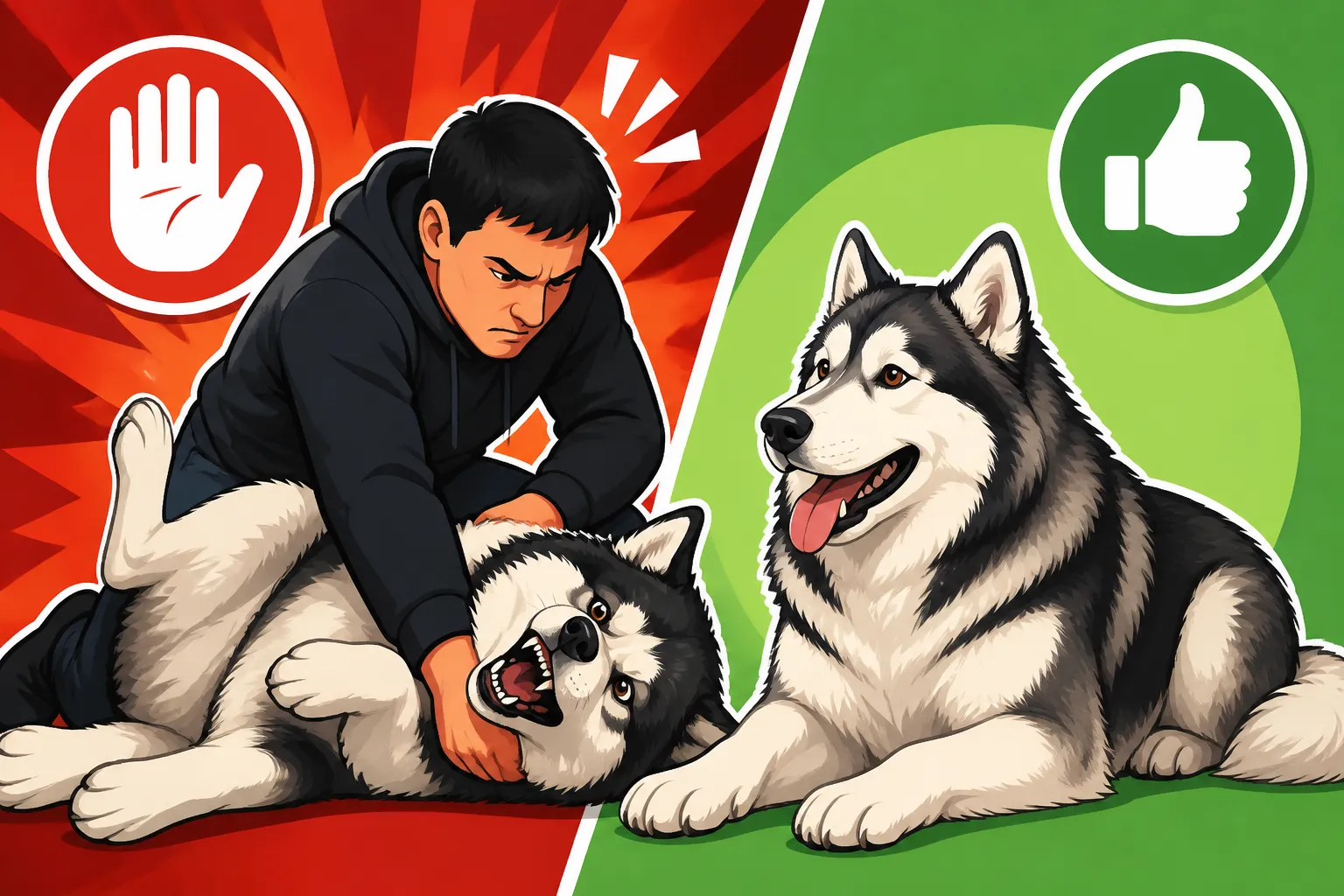
So, what does an "alpha roll" typically involve? It's often described as physically forcing a dog onto its back and pinning it there, holding it down by the scruff of the neck or by applying pressure to the chest, often accompanied by a stern verbal reprimand or a stare. The intent is to mimic what was incorrectly believed to be an "alpha wolf" asserting its dominance over a subordinate, forcing the "subordinate" (your dog) into a submissive posture.
Imagine trying to do this to a powerful, independent Alaskan Malamute. These are dogs bred for centuries to work alongside humans as partners, making their own decisions in harsh environments. They are physically formidable, intelligent, and often possess a strong sense of self. Attempting to physically overpower such a dog is not only incredibly dangerous for the human involved but is also a profound betrayal of trust for the dog. Instead of fostering respect, it breeds fear, confusion, and potentially, aggression. It's a method born from misunderstanding canine behavior, and it completely ignores the deep bond and clear communication that forms the foundation of a successful human-Malamute relationship.
Why Alpha Rolling is Dangerous for Alaskan Malamutes
When you consider the specific characteristics of an Alaskan Malamute, the dangers of alpha rolling become even more pronounced. These are not dogs that respond well to force or intimidation. They are powerful, intelligent, and, above all, desire a trusting relationship with their human companions.
Escalating Aggression and Fear
An alpha roll is, at its core, an act of physical confrontation. For a dog, especially a strong and independent breed like a Malamute, being physically forced into a vulnerable position like being pinned on its back is terrifying and threatening. Their instinct will be to defend themselves. What you intend as a show of dominance, your Malamute perceives as an attack.
Think about it from their perspective: the person they rely on for food, shelter, and companionship is suddenly assaulting them. This doesn't teach them respect; it teaches them fear. A fearful dog is much more likely to resort to aggression to protect itself. You might see a Malamute bite, snap, or growl not because it's "dominant," but because it's terrified and feels it has no other option. This can quickly escalate a minor behavioral issue into a serious aggression problem, creating a dog that is defensive and unpredictable around its owner, which is a truly heartbreaking outcome. It completely undermines the foundation of trust that is so crucial with these magnificent animals. Remember, a Malamute that feels threatened is a dangerous Malamute, not a submissive one.
Damaging the Trust Bond
Malamutes thrive on partnership and clear, consistent communication. They are not mindless followers; they are intelligent problem-solvers who want to work with you. When you resort to an alpha roll, you shatter the trust your Malamute has in you. The bond you've painstakingly built through walks, training, play, and quiet companionship can be destroyed in an instant.
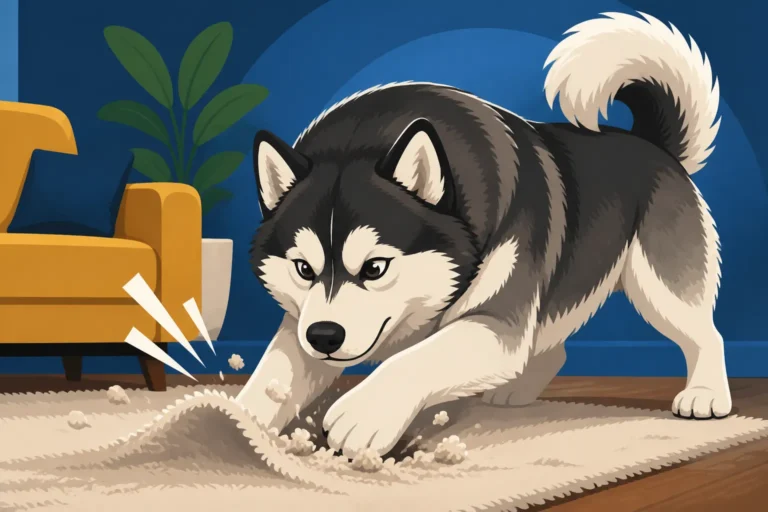
Imagine your Malamute, who looks to you for guidance and reassurance, suddenly seeing you as a source of pain and fear. That connection is vital for their well-being and for their willingness to listen and learn. Once broken, trust is incredibly difficult to rebuild. A Malamute that doesn't trust its owner becomes anxious, withdrawn, and less likely to respond to any cues, even positive ones. They may start to avoid you, exhibit subtle signs of stress, or even become more prone to destructive behaviors borne out of anxiety, like chewing on things or digging incessantly, which are already traits they are known for. The First Year With an Alaskan Malamute Puppy is all about building this trust, not breaking it.
Malamute Strength and Temperament
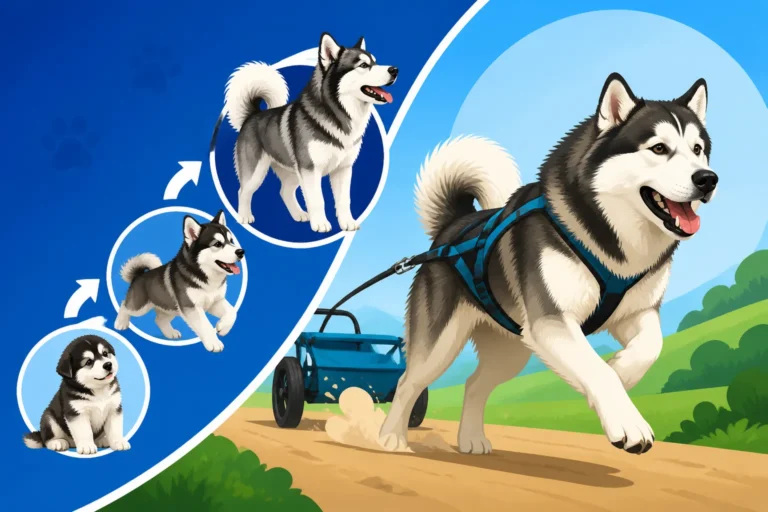
Alaskan Malamutes are powerful dogs, originally bred to pull heavy loads in Arctic conditions. They possess immense physical strength, dense fur, and a formidable presence. Attempting to physically overpower a Malamute, even a young one, is a recipe for disaster. An adult Malamute can weigh upwards of 75-85 pounds, sometimes even more for males, and they are incredibly athletic. A struggling Malamute can easily injure an owner, whether through accidental scratching, biting, or simply their sheer force.
Beyond their physical prowess, Malamutes have a distinct temperament. They are independent thinkers, highly intelligent, and can be quite stubborn. They are not inherently eager to please in the same way some other breeds might be. They are bred to make independent decisions while working. This means that coercion and force simply do not work. Why Force Fails on an Alaskan Malamute is a concept every Malamute owner needs to understand deeply. They will resent it, resist it, and ultimately, it will erode their willingness to cooperate. Instead of dominance, they respond to clear, fair leadership and positive reinforcement, where they are motivated to choose the desired behavior because it benefits them. Trying to force a Malamute into submission goes against their very nature and is an exercise in futility and danger.
Understanding Malamute Behavior: Beyond "Dominance"
To truly live harmoniously with your Alaskan Malamute, you need to shed outdated "dominance theory" and embrace a modern, science-backed understanding of canine behavior. Your Malamute isn't trying to be "alpha" over you; it's simply behaving like a dog.
Pack Dynamics vs. Owner-Dog Relationships
The idea that your household needs a strict "pack hierarchy" with you at the top, enforced through physical displays of dominance, is a myth. As we discussed, wild wolf packs are family units, not warring factions. Domestic dogs have evolved alongside humans for thousands of years, creating a unique interspecies bond. Your Malamute views you as a provider, a companion, and a leader, but not as a rival pack member to be overthrown.
When your Malamute "misbehaves," it's almost always due to one of several reasons:
- Lack of clear communication: They don't understand what you want.
- Lack of training: They haven't been taught the appropriate behavior.
- Unmet needs: They're bored, under-exercised, anxious, or uncomfortable.
- Instinctual behavior: They're doing something natural for a Malamute (like digging or howling) that clashes with human expectations.
For example, if your Malamute pulls on the leash, it's not trying to "lead the walk"; it's simply excited, wants to get somewhere faster, or hasn't been properly taught loose-leash walking. If it jumps on you, it's likely seeking attention or expressing excitement, not asserting its status. Understanding these motivations is the first step toward effective training and a strong relationship.
The Importance of Leadership, Not Domination
Instead of domination, what your Malamute truly needs is consistent, fair, and reliable leadership. Think of yourself as a benevolent guide, a parent figure who sets clear rules, provides resources, and teaches appropriate behavior through positive means. This kind of leadership creates security and predictability for your dog.
A good leader for a Malamute:
- Sets clear boundaries: They know what's expected of them.
- Provides structure and routine: This helps reduce anxiety and build confidence.
- Communicates effectively: Using consistent cues, body language, and positive reinforcement.
- Meets their needs: Ensuring they get enough physical exercise, mental stimulation, and social interaction.
- Protects them: Creating a safe environment where the dog feels secure.
This leadership style builds genuine respect and a strong bond, rather than fear. Your Malamute learns to trust you to guide them through the world, making them much more likely to follow your lead willingly. This is especially crucial during challenging periods like The Adolescent Malamute That Rewrites the Rules at Fourteen Months, where clear, positive guidance is paramount.
Reading Your Malamute's Cues
Malamutes are constantly communicating with us, often through subtle body language. Learning to read these cues is essential for avoiding misunderstandings and building a stronger bond. A Malamute might show stress or discomfort through:
- Lip licking or yawning (when not tired): Signs of anxiety.
- Turning away or avoiding eye contact: Attempting to de-escalate a perceived threat.
- Tail tucked or low: Fear or submission.
- Ears flattened: Fear or discomfort.
- Whale eye (showing the whites of their eyes): Feeling uneasy or threatened.
- Stiff body language: Indicates tension and potential for aggression.
If your Malamute exhibits any of these signs when you're trying to correct a behavior, it's a clear signal that your approach is causing stress or fear, not cooperation. Continuing to use confrontational methods will only worsen the situation. Instead, pause, reassess, and shift to a positive, reassuring approach. Understanding what your Malamute is telling you verbally and non-verbally is far more effective than trying to impose your will through force. It allows you to address the root cause of the behavior rather than just suppressing the symptoms.
Effective, Positive Training Methods for Your Malamute
Now that we understand why alpha rolling is detrimental, let's explore what does work for these magnificent, intelligent dogs. Positive reinforcement training is not only safer but far more effective for Alaskan Malamutes, building a lasting bond based on trust and mutual respect.
Building a Strong Relationship Through Reinforcement
The cornerstone of successful Malamute training is positive reinforcement. This means rewarding behaviors you want to see repeated. Malamutes are incredibly smart and will quickly learn what earns them good things – whether it's a tasty treat, a favorite toy, enthusiastic praise, or even a game of tug. What an Alaskan Malamute Will Work For often revolves around these motivators.
Here’s how it typically works:
- Identify the desired behavior: Want your Malamute to sit? Lure them into a sit position with a treat.
- Mark the behavior: The instant their rear touches the ground, say "Yes!" or click a clicker. This clearly tells them what they did right.
- Reward immediately: Give them the treat, toy, or praise.
Consistency is key. Everyone in the household needs to use the same cues and reward the same behaviors. Short, fun training sessions, even just 5-10 minutes a few times a day, are much more effective than long, drawn-out drills. Malamutes can get bored easily, so keeping it engaging is crucial. Whether Repetition Bores an Alaskan Malamute is a real consideration.
Consider enrolling in online courses from reputable trainers, some of which can be found through platforms like BAXTER & Bella. They offer excellent resources that guide you step-by-step through positive training techniques, often with video demonstrations that are invaluable for visual learners. These programs are designed to help you communicate effectively with your dog without resorting to outdated, harmful methods.
Managing Challenging Malamute Behaviors
Even with positive reinforcement, Malamutes present unique challenges due to their independence, intelligence, and strong instincts. Things like leash pulling, digging, or selective listening (where your Malamute "forgets" a command it knows perfectly well) are common. Whether an Alaskan Malamute Ignores a Cue It Knows is a classic Malamute owner lament!
For these challenges, a multi-faceted approach is often best:
- Management: Prevent the behavior from happening in the first place. For leash pulling, a front-clip harness or head halter can provide better control without pain. For digging, consider supervising closely or creating a designated Giving an Alaskan Malamute Its Own Digging Pit.
- Redirection: If your Malamute is doing something you don't like, redirect their energy to an appropriate activity. Chewing on the furniture? Offer a durable chew toy (there are many great options on Amazon!).
- Environmental enrichment: A bored Malamute is a destructive Malamute. Provide plenty of puzzle toys, regular walks, opportunities for sniffing, and training sessions to keep their minds and bodies active. A working breed needs a job, even if it's just a "pet" job.
- Consistent boundaries: While not about dominance, clear boundaries are vital. If jumping on guests is not allowed, everyone must ignore the jumping and reward calm greetings. This means being utterly consistent.
| Feature | Alpha Rolling (Dominance-Based) | Positive Reinforcement (Relationship-Based) |
|---|---|---|
| Philosophy | Establish human "alpha" over dog | Build trust, teach desired behaviors |
| Method | Physical force, intimidation, punishment | Rewards, clear communication, environmental management |
| Dog's Reaction | Fear, anxiety, defensive aggression | Engagement, willingness to learn, confidence |
| Owner's Role | Dominator, punisher | Guide, teacher, protector |
| Relationship | Fear-based, potentially broken trust | Trust-based, strong bond, partnership |
| Long-Term Efficacy | Suppresses behavior (often temporarily), creates new problems | Teaches lasting behaviors, strengthens bond, prevents problems |
| Safety | High risk of injury to dog and human | Low risk of injury, promotes safety |
Seeking Professional Guidance
There's absolutely no shame in seeking help from a professional dog trainer, especially one experienced with northern breeds like Alaskan Malamutes. In fact, it's a sign of a responsible and committed owner. Look for trainers who use positive reinforcement methods exclusively and are certified by reputable organizations. Avoid anyone who suggests physical punishment, choke chains, prong collars, e-collars, or, of course, alpha rolls.
A good trainer can help you:
- Understand your Malamute's unique personality and motivations.
- Develop a customized training plan for specific behavioral issues.
- Teach you effective communication techniques.
- Provide guidance on socialization, especially critical for a breed with strong prey drive and potential Same Sex Aggression in a Pack Bred Alaskan Malamute.
- Help you troubleshoot problems as they arise.
Sometimes, what appears to be a behavioral issue can have underlying medical causes. A good trainer will often suggest consulting your veterinarian to rule out any health problems contributing to your Malamute's behavior. Investing in professional, positive training is an investment in a happier, safer, and more fulfilling life with your Alaskan Malamute. Whether a Malamute Owner Needs a Professional Trainer is often yes, especially for first-time Malamute owners.
Disclaimer
This article is for general informational purposes only and does not constitute professional advice. Laws, prices and regulations vary by location and change over time. Consult a qualified professional for guidance on your specific situation.