Same Sex Aggression in a Pack Bred Alaskan Malamute
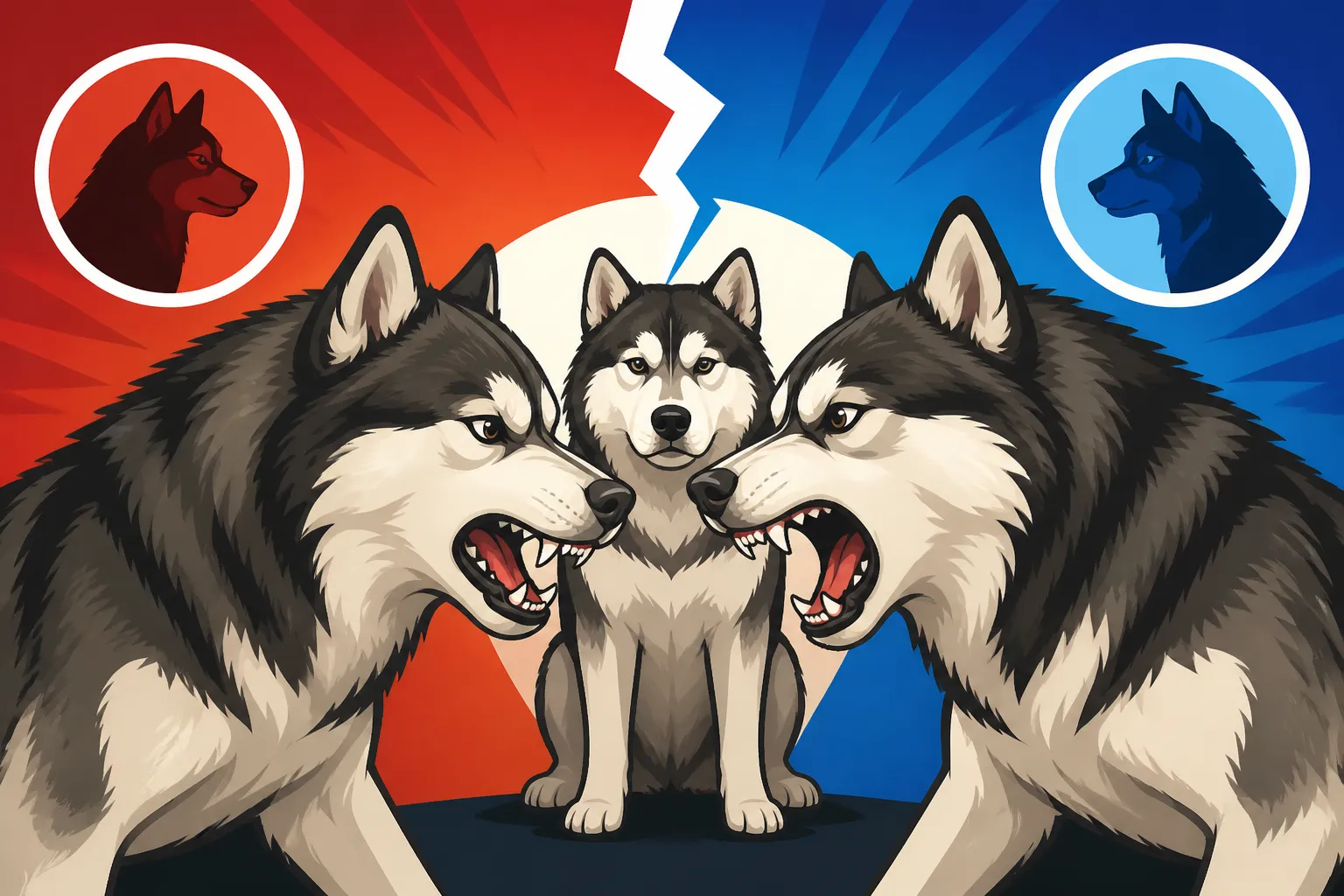
One of the most heart-wrenching challenges many Alaskan Malamute owners face is navigating same-sex aggression within their own homes, or even just out in public. It's a deeply frustrating and often frightening situation when two dogs, sometimes even ones raised together, suddenly decide they cannot tolerate each other simply because they share the same sex. This isn't just about a squabble over a toy; it's a fundamental conflict rooted deep in their ancient lineage. This comprehensive guide will delve into why this aggression is so prevalent in pack-bred dogs like the Malamute, how to recognize its earliest signs, and most importantly, how to manage and potentially mitigate these intense conflicts for a harmonious household.
Understanding the Roots of Same-Sex Aggression in Malamutes
Alaskan Malamutes are magnificent, powerful dogs, but their history is undeniably tied to working in hierarchical pack structures. They weren't bred to be docile family pets in the way some other breeds were; they were bred to pull heavy freight, often in teams, and their social dynamics were crucial for survival. This intrinsic pack mentality, coupled with their strong prey drive and independent nature, means they come hardwired with certain behaviors that can manifest as same-sex aggression in a domestic setting. It's not a flaw in their character, but a deeply ingrained part of their genetic makeup.
The Malamute's Pack Heritage and Instincts
Imagine a team of Malamutes, pulling a sled across the frozen tundra. Each dog had a role, and within that role, a pecking order was established. This wasn't always a violent hierarchy, but it was clear and firm. When you bring two Malamutes of the same sex into your home, especially two males or two females, you are essentially asking them to create their own pack within your family unit. Their ancient instincts kick in, pushing them to determine who leads, who has access to resources, and who holds higher status. This drive for dominance, even when subtle, can easily escalate into conflict, as neither dog is typically willing to back down entirely. They are strong-willed creatures, and their lineage reinforces this independence and natural assertiveness. This isn't a behavior problem as much as it is a breed characteristic that needs careful management.
Sometimes, owners mistakenly believe that because their Malamute is friendly with other dogs outside the home, they won't have an issue with a same-sex housemate. However, the dynamics are entirely different. An established territory, shared resources, and constant proximity amplify those pack instincts, making any perceived challenge far more significant. It's akin to inviting a new alpha into your established wolf pack – a complex and often volatile scenario. Understanding What an Alaskan Malamute Was Bred to Hunt gives you insight into the intensity of their drives, which extends beyond prey to social standing.
Hormonal Influences and Neutering Decisions
The presence or absence of reproductive hormones certainly plays a significant role in same-sex aggression, though it's not the sole factor. Intact males, driven by testosterone, are often more prone to challenging other males for dominance, scent marking, and breeding rights, even if no females are present. This drive is powerful and can lead to intense, sometimes brutal, fights. Similarly, intact females have their own hormonal cycles, leading to periods of heightened irritability, territoriality, and competition, especially around their heats. Two intact females can engage in truly vicious battles that are often far more difficult to break up than male fights.
Neutering or spaying can help reduce the intensity of these hormonal drives, but it's not a magic bullet, especially if the aggressive behaviors are already deeply ingrained. For males, neutering before puberty can sometimes prevent the full expression of testosterone-fueled aggression, but once established, it merely dials back the hormonal fuel, not the learned behavior. For females, spaying eliminates heat cycles, which often removes a major trigger for aggression, but it doesn't erase the underlying instinct for competition over resources or status. It's a complex decision that should be discussed thoroughly with your veterinarian and potentially a certified professional behaviorist, weighing the pros and cons for your specific dogs. Whether Neutering Calms an Alaskan Malamute is a common question, and the answer is often nuanced.
The Role of Early Socialization (or lack thereof)
While Malamutes have innate predispositions, early and ongoing socialization plays a critical role in shaping how those instincts are expressed. A Malamute puppy that is well-socialized to a wide variety of dogs, people, and environments from a young age is better equipped to handle novel situations and interactions without immediately resorting to conflict. This means careful, positive exposure, not simply letting them "figure it out" with other dogs. However, even the best socialization cannot entirely override strong genetic tendencies, particularly in same-sex pairings within the home.
A common pitfall is misunderstanding what "socialization" truly means for a Malamute. It's not about forcing them to play with every dog they meet at the dog park, which can actually be detrimental for a breed prone to same-sex aggression. Instead, it's about teaching them appropriate canine etiquette, impulse control, and how to exist calmly around other dogs, rather than always having to interact. A lack of proper, supervised socialization can exacerbate natural tendencies toward same-sex aggression, making a Malamute more likely to perceive other same-sex dogs as threats or competition rather than companions. This is especially true if a dog was removed from its litter too early or had negative experiences with other dogs during critical developmental periods.
Recognizing the Signs: Subtle and Overt Aggression
Identifying the onset of same-sex aggression isn't always as obvious as a full-blown fight. Malamutes, being intelligent and often subtle communicators, will often display a range of body language signals before an actual altercation. Learning to read these nuanced cues is absolutely vital for preventing serious incidents and understanding the underlying tension in your household. Ignoring these early signs can lead to dangerous situations, as Malamutes are incredibly powerful and capable of inflicting significant injury.
Early Warning Signals and Body Language
Before a growl or a snap, your Malamutes will be communicating their discomfort or intent through their bodies. Look for things like a stiffening of the body, a hard stare, a slight raise in hackles along the back, or a subtle change in the tail carriage – often becoming more rigid or tucked, rather than its usual happy plume. One dog might intentionally block another from accessing a doorway, a person, or a preferred sleeping spot. Resource guarding, even of seemingly insignificant items like a favorite bed or a water bowl, can be a precursor. A low growl that seems almost imperceptible, a prolonged lip lick, or a sudden yawn can also indicate stress or an attempt to de-escalate (or sometimes escalate) a situation.
Observe interactions around food, toys, or even your attention. If one Malamute consistently pushes the other out of the way to get pets first, or glares at the other if they come too close to your side, these are signs of underlying tension. These signals might be so fleeting that an untrained eye misses them, but they are crucial indicators that a power dynamic is shifting or being challenged. Think of it like a silent chess game being played out, where each subtle move carries meaning for the dogs involved.
Escalation Patterns in Same-Sex Conflicts
When tensions are left unaddressed, or if a trigger suddenly appears, the escalation can be swift. What might start as a low growl or a stiff body can quickly move to a snarl, a lunge, a snap, and then a full-blown fight. Often, there's a trigger, like a high-value treat, a new dog entering the house (even temporarily on TV!), or an owner inadvertently reinforcing one dog over another. Owners often report that fights "come out of nowhere," but in almost all cases, there were subtle signals missed. Malamute fights can be incredibly intense, loud, and can involve significant biting and shaking, especially between males.
It's also important to note that once a serious fight has occurred, the likelihood of future fights increases, and the threshold for aggression often lowers. The dogs learn that this is how conflicts are resolved, and the trust between them can be severely broken. This means even minor provocations can ignite a full-blown battle, making management exponentially more difficult. The longer the pattern of conflict continues, the harder it becomes to break, and the greater the risk to the dogs and anyone who attempts to intervene. How Common Dog Aggression Is in Alaskan Malamutes underscores that these are not isolated incidents.
Differentiating Play from Aggression
This is a tricky one, especially with young, boisterous Malamutes, whose play can look quite rough to the uninitiated. Their play often involves wrestling, open-mouthed biting, and loud growls. However, there are key differences: in healthy play, both dogs take turns being "on top" or "chasing," and their body language remains loose and fluid. Play bows, exaggerated movements, and pauses in action are common. If one dog consistently dominates, if the play escalates too quickly without breaks, or if a dog vocalizes in a high-pitched yelp rather than a play growl, it's likely veering into aggression.
Look at the eyes: are they soft and blinking, or hard and staring? Are the mouths open in a relaxed, "smiling" way, or are lips pulled back in a snarl? Is the tail wagging loosely or stiffly held? If you see signs of tension, fear, or persistent one-sidedness, intervene immediately. It's always better to interrupt potential conflict than to let it escalate into an actual fight. Learning to distinguish between rough Malamute play and true aggression is an acquired skill, but one that is crucial for any owner of multiple same-sex Malamutes.
Living with Same-Sex Aggression: Management Strategies
When same-sex aggression becomes an issue, especially between resident Malamutes, the priority shifts from training away the behavior to managing the environment to prevent conflicts. This often means making significant changes to your household routine and physical setup to ensure the safety of all animals and people. It's not a failure on your part, but a realistic response to a complex breed trait.
The "Crate and Rotate" Method for Multi-Malamute Homes
For many owners dealing with established same-sex aggression, the "crate and rotate" method becomes a necessary way of life. This involves keeping the dogs completely separated when unsupervised, and often even when supervised, rotating which dog has access to different parts of the house or yard. This might mean one dog is crated while the other is out, or they are confined to separate rooms with solid barriers. It's a demanding system that requires meticulous planning and vigilance, but it's often the safest way to prevent fights.
This strategy requires more than just physical separation. It means separate feeding areas, separate exercise times, and separate one-on-one attention from you. It ensures that neither dog feels the need to constantly compete for resources or your affection, as they each get their dedicated time and space. While it can feel exhausting and isolating for owners, it's a testament to your commitment to their well-being. Investing in high-quality, durable crates found on platforms like Amazon can be a lifesaver here, providing secure, individual spaces for each dog. For a detailed guide on this, consider reading How Crate and Rotate Works With Two Malamutes.
Secure Containment and Supervision
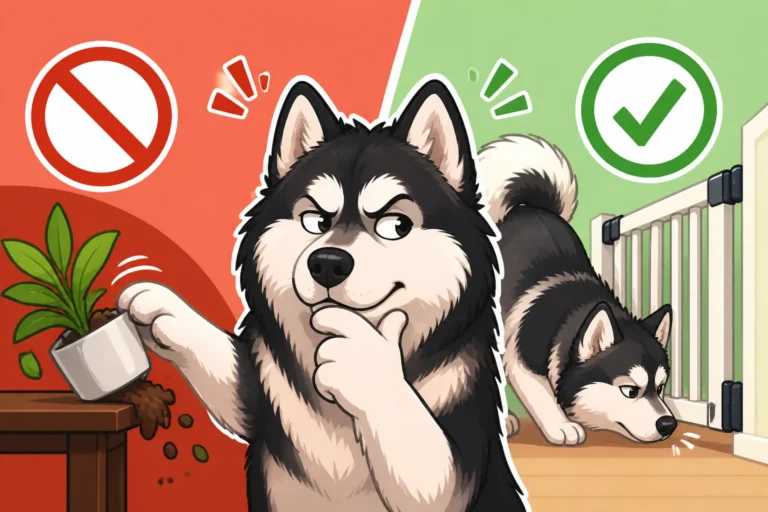
Beyond crates, secure containment around your home and property is paramount. This means sturdy gates that the Malamutes cannot jump over or chew through, and ensuring all doors and exits are always secured. Many Malamutes are escape artists, and adding aggression to the mix means any lapse in containment can have severe consequences, not just for your dogs but potentially for neighborhood pets. Supervision is also critical. Even when dogs are together, you must be actively engaged, watching for those early warning signs of tension.
Never leave two same-sex Malamutes who have a history of aggression unsupervised, even for a moment, unless they are securely separated. This includes stepping out to grab the mail, going to the bathroom, or even falling asleep on the couch. Accidents happen in a blink, and with dogs as powerful as Malamutes, those accidents can be catastrophic. Consider cameras or baby monitors in areas where they might be together to provide an extra layer of awareness, though active, human supervision remains irreplaceable.
Safe Outings and Public Space Management
Taking your Malamute out into public spaces when same-sex aggression is a concern requires extra precautions. Always use a sturdy leash and harness, and be prepared to manage interactions. Avoid dog parks or crowded areas where unexpected encounters with other same-sex dogs are likely. If you have two same-sex Malamutes, walking them together may not be an option, or it might require two handlers and strict parallel walking with no direct interaction. The goal is to minimize stress and prevent any situations that could trigger aggression.
Muzzle training is not just for aggressive dogs, but for any dog that might be put in a situation where a bite is a possibility. A well-fitting basket muzzle allows your Malamute to pant and drink, but prevents bites. This can be invaluable for vet visits, emergencies, or during highly managed walks. If you're walking one Malamute and encounter another same-sex dog, be proactive: create distance, use positive redirection, or simply turn and walk away. Protecting your Malamute and preventing incidents is always the priority. Understanding Why Every Malamute Should Be Muzzle Trained provides a deeper dive into this important safety measure.
Training and Behavior Modification Approaches
While management is key for immediate safety, dedicated training and behavior modification can help mitigate the intensity and frequency of aggressive responses. This is a long-term commitment that requires consistency, patience, and often, professional guidance. It's about teaching your Malamute alternative, more appropriate responses to triggers and reinforcing calm behavior.
The Importance of Positive Reinforcement and Leadership
Malamutes respond best to positive reinforcement and clear, consistent leadership. Trying to "dominate" a Malamute through harsh methods will almost always backfire, eroding trust and potentially escalating aggression. Instead, focus on building a strong relationship based on mutual respect. This means rewarding desired behaviors, like calmness around triggers, polite greetings, or disengaging from a potential conflict. A well-established positive training program, such as those offered by BAXTER & Bella, can provide a solid foundation for teaching obedience and impulse control, which are crucial when addressing aggression.
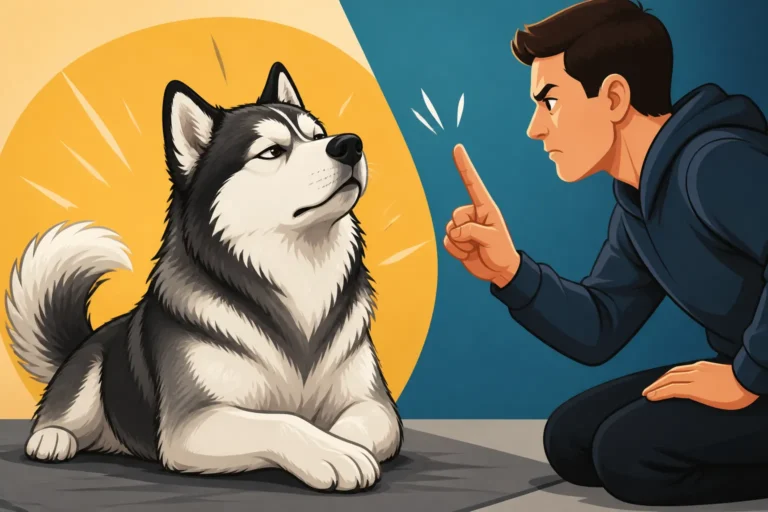
Leadership, in the context of Malamutes, isn't about being "alpha" in a confrontational way. It's about being a consistent, fair, and reliable guide. Your Malamute needs to trust that you are in control of situations and that you will keep everyone safe. This translates to setting clear boundaries, enforcing rules consistently, and managing resources so that no dog feels the need to compete. When your Malamutes see you as a benevolent leader, they are more likely to defer to your judgment and less likely to engage in power struggles among themselves.
Muzzle Training for Safety
As mentioned earlier, muzzle training is an indispensable tool for Malamutes prone to aggression. It's not a punishment; it's a safety device that can literally save lives and prevent injuries. Introduce the muzzle gradually and positively, associating it with treats and pleasant experiences. The goal is for your Malamute to see the muzzle as a neutral or even positive item, not something that appears only when they're in trouble or about to be put in an uncomfortable situation.
A well-conditioned Malamute will willingly stick its nose into the muzzle. This allows for safe vet visits, grooming, and crucially, for managed reintroductions or controlled training sessions with other same-sex dogs if a professional behaviorist deems it appropriate. It provides peace of mind that even if a dog lunges or snaps, a serious bite will be prevented. There are many excellent, breathable basket muzzles available on Amazon that allow for panting and drinking, essential for active dogs like Malamutes.
Professional Help: Trainers and Behaviorists
Navigating same-sex aggression, especially in a powerful breed like the Malamute, is incredibly challenging and rarely something owners can successfully tackle alone. Seeking professional help from a certified professional dog trainer or a veterinary behaviorist is highly recommended, if not essential. These experts can help you accurately assess the triggers, develop a tailored behavior modification plan, and teach you the necessary handling skills. They can also differentiate between aggression that is manageable at home and aggression that poses too great a risk.
A good professional will use positive, force-free methods and understand the unique characteristics of Arctic breeds. They can guide you through protocols like parallel walking, desensitization, and counter-conditioning. They can also help you understand the nuances of your dogs' body language and provide strategies for managing your household effectively. Sometimes, medication might be considered by a veterinary behaviorist as part of a comprehensive treatment plan to reduce anxiety or reactivity, allowing the dog to be more receptive to training. Whether a Malamute Needs a Professional Trainer is almost always answered with a resounding yes when aggression is involved.
Prevention: Setting Your Malamute Up for Success
The best approach to same-sex aggression, like many behavioral issues, is prevention. While you can't erase a Malamute's inherent genetic predispositions, you can certainly take steps to minimize the likelihood and severity of conflicts. This starts even before you bring a Malamute into your home, through careful selection and thoughtful planning.
Responsible Breeding Practices and Pedigree Research
Choosing a Malamute from a responsible breeder is foundational. A reputable breeder will not only health test their dogs (for issues like Hip Dysplasia in an Alaskan Malamute or Inherited Polyneuropathy and the Malamute That Stumbles at a Year) but will also have a deep understanding of temperament and behavior. They should be able to discuss the temperaments of their breeding stock and the puppies, screening for overly dominant or fearful traits that might contribute to aggression later on. They should also be transparent about any known aggression issues in their lines, even if rare.
Furthermore, a good breeder will properly socialize their puppies during their critical early weeks, exposing them to various sights, sounds, and gentle handling. They will observe litter dynamics and can often give insight into which puppies might be more prone to dominance or submission, helping you select a puppy whose temperament is best suited to your household, especially if you already have a same-sex dog. Don't be afraid to ask detailed questions about the parents' personalities and how the puppies interact with each other. The Health Tests Both Alaskan Malamute Parents Should Have often goes hand-in-hand with assessing temperament.
Choosing a Second Malamute Wisely
If you already have a Malamute and are considering adding another, especially one of the same sex, think long and hard. Many experienced Malamute owners will advise against housing two same-sex Malamutes unless they are specifically bred and raised for working teams and are managed expertly. If you do choose to proceed, select a puppy or adult dog whose personality is likely to complement, rather than clash with, your existing dog. Often, this means choosing a dog that is significantly younger, more submissive, or has a very different energy level.
The "rule of thumb" in many Malamute circles is to stick to opposite-sex pairs if you want multiple Malamutes, or to carefully choose a very submissive second dog if you insist on same-sex. Even then, success is not guaranteed. Consider fostering a dog from a Malamute rescue before committing, to see how the dynamics play out in your home before making a permanent decision. This can provide invaluable insight into potential conflicts without the long-term commitment.
Early Training and Continued Socialization
As soon as your Malamute puppy comes home, begin positive reinforcement training. Focus on foundational obedience commands like sit, stay, come, and leave it. These aren't just tricks; they are tools for communication and impulse control, which are vital for preventing and managing aggression. A well-trained Malamute is a joy, and their responsiveness can be a critical safety net. Look for puppy classes that emphasize positive methods and controlled, positive interactions with other well-socialized puppies and adult dogs.
Socialization isn't a one-time event; it's an ongoing process throughout your Malamute's life. Continue to expose them to new environments, people, and appropriate canine interactions in a controlled, positive manner. However, once a dog reaches adolescence and adulthood, "dog park" free-for-alls are generally not recommended for Malamutes, especially those with same-sex aggression tendencies. Instead, arrange structured playdates with known, stable dogs of the opposite sex, or focus on parallel walks with trusted dog-owning friends. The goal is positive exposure without putting your Malamute (or others) at risk.
| Aspect | Male Same-Sex Aggression | Female Same-Sex Aggression |
|---|---|---|
| Typical Triggers | Dominance challenges, territoriality, intact status, resource guarding, presence of females. | Resource guarding, territoriality, intact status (especially heat cycles), perceived competition for owner's attention, space. |
| Onset Age | Often emerges during adolescence (1-3 years old), sometimes earlier if intact. | Can emerge during adolescence, or later; often tied to hormonal cycles or perceived challenges to hierarchy. |
| Intensity | Can be very physical, loud, and potentially destructive; often more "in your face." | Can be equally, if not more, intense and vicious; often more silent and targeted with severe damage. |
| Warning Signs | Stiffening, hard stares, direct blocking, low growls, raised hackles, mounting attempts. | Stiffening, hard stares, air snapping, blocking, sometimes silent, intense grappling. |
| Management Focus | Strict "crate and rotate," management of resources, neutering (if applicable), professional behaviorist. | Strict "crate and rotate," management of resources, spaying (if applicable), professional behaviorist. |
| Prognosis | Can be managed with consistent intervention, but risk of recurrence remains significant without diligent effort. | Often considered more difficult to resolve completely, with a higher risk of serious injury in subsequent fights. |
When to Make Tough Decisions: Quality of Life Considerations
Despite the most dedicated efforts in management and training, there are unfortunate situations where same-sex aggression becomes unmanageable, posing a significant risk to the dogs, other pets, and even people in the household. These are the heartbreaking moments where tough decisions about quality of life must be made. It's crucial to approach these decisions with realism, compassion, and the guidance of professionals.
Assessing Risk and Safety for All Involved
The paramount consideration must always be safety. If you are living in a constant state of anxiety, worried about the next fight, or if fights are becoming more frequent, more intense, or resulting in serious injury, the current living situation is no longer sustainable. It's not fair to the dogs, who are living in perpetual stress, nor is it fair to you or your family. Objectively assess the level of risk: could a fight result in a child being injured attempting to intervene? Could one dog seriously injure or kill the other?
Be honest with yourself and your professional behaviorist about the reality of the situation. Are your management strategies truly foolproof, or are there frequent lapses? Is the aggression escalating despite all your efforts? If the risk of serious harm outweighs the possibility of a harmonious coexistence, then alternative solutions must be explored. This isn't about giving up; it's about acknowledging a reality that can be incredibly difficult for a breed with such powerful drives.
Rehoming as a Last Resort
If same-sex aggression cannot be safely managed in your home, rehoming one of the dogs may be the most humane option. This is an incredibly painful decision, but it might be the only way to ensure both dogs can live safe, happy, and stress-free lives. Finding the right home for a Malamute with a history of same-sex aggression requires absolute honesty about their behavioral challenges. A rescue organization specializing in Malamutes or northern breeds is often the best resource, as they understand the breed's needs and can screen potential adopters thoroughly.
The new home must be fully aware of the dog's history and committed to managing it, ideally as an only dog or with an opposite-sex companion whose temperament is known to be tolerant. It's not a decision to be taken lightly, but sometimes, separating the dogs is the kindest path forward for their individual well-being and for the peace of your household. Many Malamutes Why Alaskan Malamutes Fill Rescues at Eighteen Months for various behavioral challenges, and same-sex aggression is unfortunately a common one.
The Emotional Toll on Owners
Living with same-sex aggression takes a tremendous emotional toll on owners. The constant vigilance, the stress of preventing fights, the guilt, and the heartbreak of potentially having to rehome a beloved pet can be overwhelming. It's important to acknowledge these feelings and seek support if needed. Talk to trusted friends, family, or even a therapist who understands the unique bond people have with their pets. You are not alone in facing these challenges.
Remember that you are doing your best for your Malamutes. Making difficult decisions out of love and a commitment to their safety and well-being is a sign of responsible pet ownership, not failure. Sometimes, the bravest thing you can do is recognize when a situation is beyond repair within your current capacity and take steps to ensure a better future for everyone involved. The health, safety, and happiness of all living beings in your home, human and canine alike, should be the ultimate priority.
Disclaimer
This article is for general informational purposes only and does not constitute professional advice. Laws, prices and regulations vary by location and change over time. Consult a qualified professional for guidance on your specific situation.