Why Alaskan Malamutes Fill Rescues at Eighteen Months
It’s a heartbreakingly common story: a beautiful Alaskan Malamute, full of youthful exuberance, finds itself surrendered to a rescue organization or shelter right around its eighteen-month mark. This isn't just a sad statistic; it represents a profound mismatch between owner expectations and the reality of living with this magnificent, powerful, and utterly unique breed. This guide aims to shed light on why this critical age often becomes a breaking point for many Malamute owners, exploring the developmental, behavioral, and care challenges that often surprise unprepared families.
The Adolescent Avalanche: Understanding the 18-Month Mark
Eighteen months isn't just an arbitrary number; for an Alaskan Malamute, it's a pivotal stage. Your adorable, fluffy puppy has now morphed into a full-grown, strong, and mentally maturing adult. What was once seen as cute puppy antics can suddenly become challenging, even destructive, behaviors if not understood and managed properly. This is the period where their inherent Malamute traits truly begin to solidify, often catching owners off guard.
The Peak of Independence and Stubbornness
Imagine a teenager who's just discovered their own voice and sense of self – that's your Malamute at 18 months. They are no longer the biddable puppy eager to please your every command. This is when their ancestral independence, bred into them for centuries as a self-sufficient working dog, comes to the forefront. Commands they once knew might suddenly be "forgotten" or, more accurately, selectively ignored. They are testing boundaries, pushing limits, and asserting their own will, which can be incredibly frustrating for an owner expecting continued obedience.
This isn't about malice; it's about their heritage. These dogs were expected to make their own decisions in the vast, unforgiving Arctic, often far from their human companions, to find game or navigate treacherous terrain. Their survival depended on their ability to think for themselves, not on slavish devotion to commands. So, when your 18-month-old Malamute decides that chasing a squirrel across a busy street is a more compelling idea than coming back to you, it's an expression of this deeply ingrained independence, not a personal slight. You'll find that The Adolescent Malamute That Rewrites the Rules at Fourteen Months often starts around this time, and it's a phase that requires immense patience and consistent, positive reinforcement.
Owners often report a sudden increase in defiance, a tendency to "negotiate" every request, and a general air of "What's in it for me?" before complying. This isn't necessarily aggression, but rather a strong, independent spirit that views partnership differently than many other breeds. Understanding this fundamental aspect of their personality is crucial to building a successful relationship and avoiding resentment. Without a solid foundation of trust and clear, consistent boundaries established earlier, this adolescent phase can quickly turn into a power struggle that the average owner feels ill-equipped to win.
When Physical Maturity Outpaces Mental Maturity
By 18 months, most Alaskan Malamutes have reached their full physical size and strength. They are imposing animals, capable of immense power and endurance. However, their mental maturity often lags behind. You have a physically adult dog with the brain of a rambunctious, boundary-testing adolescent. This combination can be a recipe for disaster in unprepared homes. Their physical capabilities mean they can jump higher, dig deeper, and pull harder than ever before, yet their decision-making skills might still be impulsive and short-sighted.
This gap between physical prowess and mental development can lead to situations that are both dangerous and costly. A fully grown Malamute, still learning impulse control, might suddenly decide to bolt through an open gate or pull hard enough on the leash to dislocate an owner's shoulder. Their developing minds are still figuring out the world, and they might react to novel situations with more intensity than a younger puppy or a more mentally mature adult. It's a challenging period where patience and continued training are paramount, not a time to assume they've "learned everything" and can be left to their own devices.
The sheer strength of an 18-month-old Malamute can be overwhelming. Even if they're generally well-behaved, a sudden lunge after a rabbit can send an unsuspecting owner flying. This physical power, coupled with their independent streak, highlights why early and consistent leash training, and even using specialized harnesses, are not just recommendations but absolute necessities. Expecting a physically mature Malamute to behave with the settled wisdom of a much older dog is a common mistake that contributes to many surrenders.
The Clash of Expectations vs. Reality
Many owners fall in love with the adorable Malamute puppy – the fluffy ball of playful energy that looks like a miniature wolf. They envision a loyal, majestic companion, perhaps even a gentle giant lounging by the fireplace. What they often don't anticipate is the full force of the breed's working dog heritage coming to bear during adolescence. The reality of a high-energy, stubborn, strong-willed, and often destructive 18-month-old Malamute can shatter these idealized expectations.
The charming fluffball grows into a dog that demands extensive exercise, constant mental engagement, and a specific type of training that emphasizes partnership over pure obedience. They are not content to be solely house pets; their genetic blueprint screams for a job, for adventure, and for challenging physical and mental outlets. When these needs aren't met, frustration mounts on both sides, leading to behavioral issues that owners may interpret as "bad dog" behavior, when in fact, it's just a Malamute being a Malamute.
This period often coincides with owners realizing the true commitment involved, not just in terms of time and energy, but also financially. What an Alaskan Malamute puppy costs can be deceptive, as the ongoing expenses for proper food, durable equipment from retailers like Chewy, potential vet bills (perhaps covered by Healthy Paws), and behavior support far exceed the initial purchase price. The fantasy of a beautiful, low-maintenance companion crumbles under the weight of a powerful, demanding reality, leading many to feel overwhelmed and ultimately, to make the difficult decision to rehome their adolescent dog.
Unleashed Instincts: Prey Drive and Wanderlust
Two of the most dominant traits in the Alaskan Malamute are their powerful prey drive and their insatiable wanderlust. These aren't minor quirks; they are fundamental, deeply ingrained instincts that dictate much of their behavior and often create insurmountable challenges for owners who aren't prepared for them. At 18 months, these instincts are fully developed and often irresistible to the young adult Malamute.
The Irresistible Call of the Hunt
Malamutes were bred for survival in the harsh Arctic, which included hunting small game for sustenance and working alongside humans to take down larger prey like bears or seals. This history has endowed them with an exceptionally strong prey drive. An 18-month-old Malamute will often see squirrels, rabbits, cats, small dogs, and even neighborhood deer not as potential friends, but as moving targets. This instinct is incredibly powerful and, frankly, almost impossible to train out of them.
This inherent drive means that off-leash excursions in unsecured areas are a constant risk. Even the most well-trained Malamute, one that has a generally good relationship with its owner, can and will ignore commands when a high-value prey animal triggers this primal instinct. The consequences can range from lost pets to tragic accidents involving wildlife or even other domestic animals. It's not a matter of whether they might chase, but when and what they will chase.
For families with existing smaller pets, particularly cats or toy-breed dogs, this can become a terrifying realization. While some Malamutes can be raised successfully with cats from puppyhood, an adolescent Malamute's prey drive can suddenly "switch on," turning a once-tolerated housemate into a target. Owners might find themselves in a constant state of vigilance, unable to fully relax, and realizing that their home environment isn't truly safe for everyone.
The Truth About Recall: An Exercise in Futility
Related to their prey drive and independence is the Malamute's notoriously unreliable recall. It's often said that "a Malamute off-leash is a lost Malamute," and while that might sound dramatic, it holds a kernel of truth for many. By 18 months, their confidence and independence have grown, and their desire to explore and chase is at an peak. Asking a Malamute to abandon an exciting chase or an intriguing scent to return to its human is often asking it to go against its very nature.
This isn't to say a Malamute can't learn a recall in a controlled, low-distraction environment. They absolutely can. But the moment a truly high-value distraction appears – a deer, a rabbit, another dog, or even just a fascinating scent trail – that recall often becomes non-existent. Owners frequently learn this the hard way, after a terrifying incident where their Malamute vanished over the horizon. This makes responsible ownership incredibly challenging, as it means virtually no off-leash freedom outside of a securely fenced area.
The inability to trust a Malamute off-leash directly impacts their exercise routine. Many owners dream of hiking with their dog bounding freely beside them, but with a Malamute, this is a dangerous fantasy. This often leads to insufficient exercise, which in turn fuels destructive behaviors and further frustration. Understanding Why an Alaskan Malamute Will Never Have a Reliable Recall is a crucial piece of knowledge for any potential owner, and a leading reason why so many end up in rescue when their wanderlust becomes too much to handle.
Fencing Against a Born Digger and Escape Artist
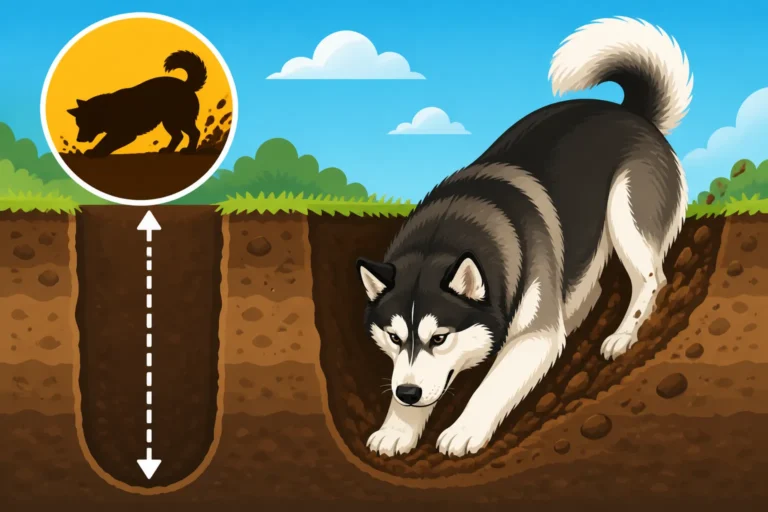
To a Malamute, a fence isn't a barrier; it's a puzzle to solve or an obstacle to overcome. They were bred to travel vast distances and live outdoors in extreme conditions, and they possess an innate drive to move, explore, and "improve" their environment. At 18 months, this means that even a seemingly secure yard can become a launchpad for adventure. They are expert diggers, capable of creating impressive tunnels in short order, and many are surprisingly agile climbers or jumpers.
Owners at this stage often discover the hard truth about Fencing a Yard Against a Malamute That Was Bred to Dig. A standard 6-foot fence is often insufficient if not properly secured at the bottom. These dogs will dig under, jump over, or even learn to open latches with surprising dexterity. The commitment to securing a Malamute-proof yard is substantial, often requiring buried wire, concrete footings, or additional height. The expense and effort involved can be a major shock to owners who thought their existing fence was adequate.
The consequences of a Malamute escaping are severe: danger from traffic, potential conflicts with other animals, and livestock claims if they encounter farm animals. The stress of constantly worrying about escapes, combined with the financial burden of repairing fences or replacing damaged property, often leads to burnout. Many rescues are filled with adolescent Malamutes whose owners simply could not contain their Houdini-like tendencies, highlighting the critical need for robust containment from day one.
The Social Dynamics: Dog Aggression and Pack Mentality
Alaskan Malamutes are pack animals, but their social dynamics are often misunderstood, especially when it comes to interactions with other dogs. Bred to work and live in a hierarchy, they possess a strong sense of territory and status that can manifest as aggression, particularly as they mature. This is another area where the 18-month mark can bring significant challenges.
Navigating Same-Sex Aggression
A common trait, particularly in adolescent male Malamutes, is the development of same-sex aggression. What might have been friendly play with other male puppies can quickly escalate into serious confrontations as they mature and challenge each other for dominance. This isn't usually about outright viciousness, but about establishing or maintaining rank within a perceived pack structure. This can be incredibly difficult for owners to manage, especially if they have another male dog or frequent dog parks.
Same Sex Aggression in a Pack Bred Alaskan Malamute is a well-documented characteristic of the breed, rooted in their history of working and living in groups. While some individuals may be more tolerant than others, it's a risk factor that owners must be aware of and actively manage. Dog parks, for instance, are often unsuitable environments for an adolescent Malamute due to the unpredictable nature of interactions and the potential for a friendly sniff to turn into a serious scuffle if boundaries are crossed.
Female Malamutes can also exhibit same-sex aggression, sometimes even more intensely than males, though perhaps less frequently. It's often described as a more "quiet" aggression, but once a fight breaks out, it can be just as fierce. Owners who were hoping for a multi-dog household where their Malamute would happily coexist with any new furry friend are often devastated to learn this reality, finding themselves managing separate playtimes or, in severe cases, permanently separating their dogs.
The Challenges of Multi-Dog Households
For owners with existing dogs, particularly smaller breeds or those with a submissive temperament, introducing an adolescent Malamute can become a tightrope walk. Even if a Malamute puppy has lived harmoniously with another dog, the shift to adolescence can bring changes in behavior. Their sheer size and strength can be intimidating, and their play style can be rough, even if not intentionally aggressive. A game of chase that might be fun for a Malamute could easily injure a smaller, more delicate dog.
This can lead to constant anxiety for owners, fearing that a playful interaction could turn dangerous. Managing meal times, toys, and even resting spots can become a source of tension. Owners may find themselves having to "crate and rotate" their dogs, or keep them completely separate when unsupervised, which is far from the harmonious multi-pet household they envisioned. The dream of a large pack often dissolves into the reality of managing individual dogs to ensure everyone's safety and peace.
The breed's strong prey drive can also complicate relationships within a multi-dog household, particularly if one of the resident dogs is significantly smaller. While a Malamute might initially accept a tiny Chihuahua as part of the family, the ingrained instinct to chase and "hunt" can surface during boisterous play, leading to tragic accidents. Owners often report being caught completely off guard when their Malamute, usually gentle with its housemate, suddenly exhibits a predatory response.
Misinterpreting Malamute Play Styles
Alaskan Malamutes play differently than many other breeds. Their play can be loud, physical, and involve a lot of body slamming, mouth wrestling, and "woo-wooing." What looks like a fight to an inexperienced owner or a bystander might simply be two Malamutes engaging in vigorous, normal play. However, this boisterous style can easily be misinterpreted, leading to undue alarm or even actual conflicts if played with dogs who don't understand their cues.
This misunderstanding can lead to problems at dog parks or even just on walks where they encounter other dogs. Another dog owner might perceive the Malamute's intense play as aggressive, leading to accusations or avoidance. This further isolates the Malamute and its owner, making it harder to provide adequate socialization and exercise outlets. Owners often face judgment and fear from others simply because their dog's play looks "too rough."
Conversely, an owner might misinterpret their own Malamute's escalating play cues, missing the subtle signs that a friendly interaction is about to tip into actual aggression. Learning to read Malamute body language, understanding their vocalizations, and knowing when to intervene are critical skills that many first-time owners simply don't possess. This lack of understanding contributes to the challenges of managing their social lives, and sadly, to the reasons they end up in rescue.
Beyond the Fluffy Puppy: Destructive Chewing and Digging
That adorable puppy who chewed on a few slippers has now grown into a powerful animal capable of serious destruction. At 18 months, their jaws are strong, their instincts are fully engaged, and their capacity for mischief is unparalleled. Boredom, anxiety, or simply the natural urge to "do something" can lead to significant damage to your home and yard.
The Malamute as a Canine Excavator
Digging is not a bad habit for an Alaskan Malamute; it's an intrinsic part of who they are. They dig for comfort (creating cool spots in summer), for entertainment, to bury treasures, and to escape. At 18 months, this instinct is often in full swing, turning lush lawns into moonscapes and threatening the integrity of fences. A Malamute's Digging Is Not a Problem, It Is the Breed – it's something owners must accept and manage, not expect to eradicate entirely.
Many owners, unprepared for the scale of Malamute digging, become frustrated by the constant battle to preserve their yard. Flowerbeds are excavated, sprinkler systems are unearthed, and muddy paws become a permanent fixture. This isn't spite; it's instinct. Providing a designated digging pit can sometimes help, but it doesn't always deter them from exploring other "diggable" areas.
The consequences extend beyond aesthetics. Digging near fences compromises security, making escapes more likely. If a Malamute starts digging under the house or deck, it can cause structural damage or create hard-to-reach hiding spots. The sheer physical effort a Malamute can put into digging means they can transform a yard in a surprisingly short amount of time, leaving owners feeling defeated and overwhelmed.
Chewing as a Boredom Buster (or a Design Choice)
Just like digging, chewing is a natural Malamute behavior. At 18 months, it's not just about puppy teething anymore; it's about exploring the world with their mouths, relieving boredom, and exercising powerful jaws. And they aren't particular about what they choose to chew. Furniture legs, doorframes, baseboards, shoes, remote controls, and even drywall are all fair game if not properly redirected. What a Malamute Destroys Before It Turns Two can be astonishingly extensive and expensive.
Owners often underestimate the need for constant, durable chew toys and appropriate outlets for this behavior. Leaving an adolescent Malamute unsupervised for extended periods without mental stimulation or appropriate chews is an open invitation for destruction. Imagine coming home to find your couch cushions ripped out, or a hole chewed through your wall – these are not uncommon stories from Malamute owners.
The cost of replacing damaged items or repairing structural elements of a home can quickly add up, turning what was once a financial manageable pet into a significant burden. The market offers durable toys from brands like Chewy, but even these can succumb to a determined Malamute. Finding a What a Crate a Malamute Cannot Break Costs becomes a real consideration for many owners who need to safely contain their dog when they can't supervise directly. This constant vigilance and the financial strain often lead to owners feeling like they've made a mistake.
Proofing Your Home and Yard (and Your Sanity)
Living with an adolescent Malamute requires a proactive approach to home and yard proofing. This isn't just about moving a few valuables; it's about redesigning your environment to withstand a powerful, curious, and often destructive force of nature. This can involve securing cabinets, removing tempting items, reinforcing gates, and possibly installing elaborate digging barriers.
The commitment needed to "Malamute-proof" a home is immense and often underestimated. It requires constant vigilance and adaptation as the dog finds new ways to test boundaries. Owners might feel like they're living in a fortress, constantly on guard, which can be exhausting. The ideal of a perfectly landscaped garden or a pristine interior often goes out the window, replaced by a functional, Malamute-friendly environment.
Ultimately, the inability or unwillingness to fully Malamute-proof a home and yard is a significant factor in surrenders at 18 months. The continuous cycle of destruction, frustration, and repair takes its toll on an owner's patience, finances, and sanity. This is a crucial aspect of What the Destructive Year Costs a Malamute Owner, making many question if they can continue to provide a suitable home.
Exercise, Engagement, and the Working Ethic
One of the biggest misconceptions about Alaskan Malamutes is their exercise requirements. While often described as "high energy," it's more accurate to say they are "high endurance" and "high engagement." At 18 months, these needs are not just present; they are roaring. Failing to meet them is a fast track to behavioral problems and owner burnout.
More Than Just a Walk in the Park
A leisurely stroll around the block twice a day simply won't cut it for an adolescent Malamute. These dogs were bred to pull heavy loads over vast distances in challenging conditions. Their bodies are engineered for sustained activity, not short bursts. They need long, vigorous exercise daily to be truly content and well-behaved. This isn't just about physical exertion; it's about fulfilling their innate drive to go.
Many owners, especially those living in urban or suburban environments, struggle to provide this level of exercise consistently. The logistical challenges of finding safe, appropriate places for long runs, hikes, or even pulling activities can be immense. When their substantial physical needs aren't met, that pent-up energy manifests in destructive chewing, incessant digging, frantic pacing, or even aggressive outbursts.
This realization often hits hard around 18 months when the Malamute is at its physical peak and its energy levels are robust. The owner who thought a couple of walks would suffice finds their home being systematically dismantled, and their dog becoming increasingly restless and vocal. The commitment to providing the necessary exercise is a lifestyle choice that many are not prepared to make on a daily basis for the next decade.
The Mental Stimulation a Malamute Craves
Beyond physical exercise, Alaskan Malamutes are highly intelligent and independent thinkers who require significant mental stimulation. They thrive on challenges, problem-solving, and having a "job" to do. If their minds aren't engaged, they will find their own entertainment, and it's usually not in a way that aligns with human preferences (e.g., excavating your sofa, reorganizing your trash, or learning The Gate Latch a Malamute Learns to Open).
At 18 months, their problem-solving abilities are sharpening, and they are constantly observing and learning. This is why puzzle toys, training sessions, scent work, and other brain games are so vital. Without these outlets, boredom can quickly set in, leading to the destructive behaviors mentioned earlier. Owners who solely focus on physical exercise without addressing mental enrichment often find themselves frustrated by a dog that seems "untrainable" or "stubborn."
Engaging a Malamute's mind also helps to channel their intelligence constructively. They are not dogs that will passively wait for instructions; they will actively seek out engagement. This means owners need to be creative, consistent, and committed to ongoing training and enrichment activities throughout the dog's life. The expectation that a dog can simply entertain itself in the backyard often leads to disappointment and behavioral issues that lead to rescue.
Why a Pet Malamute Still Needs a Job
The phrase "a bored Malamute is a destructive Malamute" is absolutely true. These dogs were bred to work, and even if they live a life of luxury as a beloved pet, they still retain that intrinsic need for purpose. They aren't content to simply exist; they want to contribute, to exert effort, and to feel useful. This is why Why a Pet Malamute Still Needs to Pull is a common refrain among experienced owners.
Whether it's pulling a sled, a cart, a bike, or even just a person on skis (skijoring), engaging in pulling activities is incredibly fulfilling for a Malamute. It taps into their natural instincts, provides immense physical and mental exercise, and strengthens the bond with their owner. Beyond pulling, activities like backpacking, long-distance hiking, or competitive obedience can also provide that sense of purpose.
When owners fail to provide these outlets, the Malamute's energy and intelligence get redirected into less desirable activities, often causing significant damage and stress. The realization that their pet requires such specialized and intensive "work" often comes as a shock to owners around 18 months, when the dog's full working potential becomes undeniable. Without a job, even a pet Malamute can become deeply unhappy and unmanageable, driving many owners to consider rehoming.
Owner Preparedness and Lifestyle Mismatches
Ultimately, many Malamutes end up in rescue at 18 months because of a fundamental mismatch between the owner's preparedness and the dog's specific needs. It's often not the dog's fault, but a combination of unrealistic expectations, underestimation of commitment, and lifestyle incompatibilities.
Underestimating the Commitment
Bringing home an Alaskan Malamute is not like bringing home just any dog. It's an adoption of a lifestyle. These are dogs that require a significant commitment of time, energy, and resources for their entire lifespan of The Ten to Fourteen Years an Alaskan Malamute Lives. Many first-time Malamute owners, or those accustomed to less demanding breeds, simply underestimate the sheer scale of this commitment.
The needs for constant supervision, robust containment, extensive exercise, consistent training, and substantial socialization are far beyond what many initially anticipate. At 18 months, when the dog is physically mature and its ancestral traits are in full bloom, this underestimation becomes painfully clear. What seemed manageable with a cute puppy becomes a daunting, daily challenge with a strong, independent adult.
This often leads to a cycle of frustration, where owners feel overwhelmed and the dog, in turn, acts out due to unmet needs. The idea of "just having a dog" is shattered by the reality of having a Malamute, a dog that demands a deep understanding of its breed-specific instincts and a willingness to adapt one's life to accommodate them.
The Financial Strain of a Large, High-Maintenance Breed
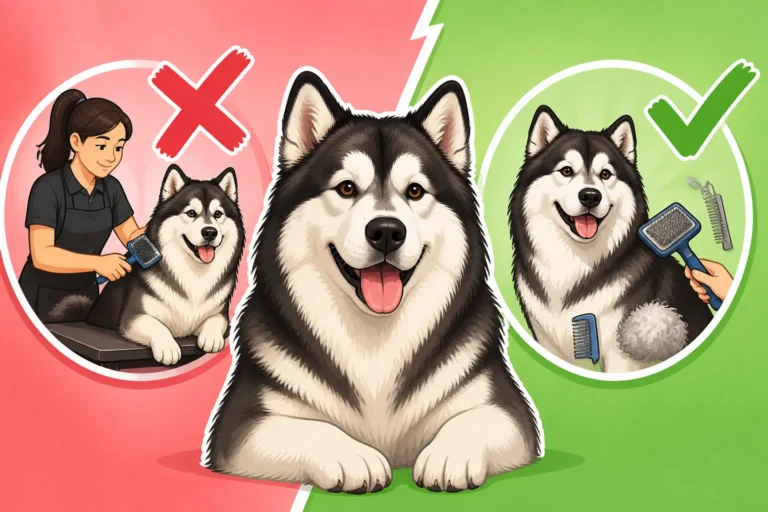
Beyond the initial What an Alaskan Malamute Puppy Costs Against a Husky in 2026, the ongoing financial commitment for an Alaskan Malamute is substantial. This is a large breed that eats a lot of food (though The Efficient Metabolism That Surprises Every New Malamute Owner means they might eat less than their size suggests, they still need quality food). They need durable equipment, professional grooming (especially during The Malamute Coat Blow That Fills a Vacuum in an Afternoon), and can incur significant vet bills.
Consider the cost of high-quality food, especially if opting for premium brands like Ollie or specialized diets. Then there are the potential costs of repairs to your home and yard due to their destructive tendencies. Secure fencing or a robust kennel run can be a significant investment. Training classes, specialized gear for pulling activities, and regular vet check-ups add up quickly.
| Category | Initial Puppy Costs | Monthly Recurring Costs (Estimated) | Potential Annual Variable Costs (Estimated) |
|---|---|---|---|
| Purchase/Adoption | Significant | N/A | N/A |
| Food & Treats | Moderate | Substantial | N/A |
| Vet Care | Moderate | Minor (preventative) | Significant (unexpected illness/injury) |
| Supplies (Initial) | Moderate to High | N/A | N/A |
| Training | Moderate to High | Minor (refresher) | Significant (behaviorist if needed) |
| Grooming | Minor (DIY tools) | Moderate (seasonal professional) | N/A |
| Containment/Yard | High (fence upgrade) | Minor (maintenance) | Significant (damage repair) |
| Insurance (Healthy Paws) | N/A | Variable | Variable |
| Destruction | N/A | Variable | High (furniture, property damage) |
Many owners also face unexpected health costs. While generally robust, Malamutes can be prone to certain genetic conditions, or simply accidental injuries due to their active lifestyle. Investing in pet insurance from providers like Healthy Paws can help, but it's an added monthly expense. The cumulative financial burden, especially when coupled with property damage and behavior management, often becomes too much for owners to bear, leading to rehoming around the 18-month mark. What Zinc Supplements Cost a Malamute Owner Yearly is another consideration, as some Malamutes have specific dietary needs.
Adapting Your Life to a Malamute's Needs
Owning an Alaskan Malamute isn't about fitting a dog into your existing life; it's about adapting your life to accommodate the dog. Their needs are so specific and profound that they necessitate changes in routine, living arrangements, and even social activities. This is a level of adaptation that many owners are unwilling or unable to make, especially as the dog transitions into a challenging adolescence.
This could mean foregoing spontaneous trips because of the difficulty of finding suitable boarding, choosing specific vacation destinations that can accommodate a large, active dog, or structuring your entire day around their exercise and training schedule. It might mean a constant battle against dog hair, managing a dog that cannot be trusted off-leash, or living with a dog that has a powerful prey drive towards neighborhood cats.
The inability to adapt, to truly commit to these lifestyle changes, creates a widening gap between the dog's needs and the owner's capacity to meet them. This gap often culminates around 18 months, when the full extent of the Malamute's adult personality and requirements become undeniable, leading to the painful decision to surrender the dog to a rescue, hoping they can find a home better suited to their unique demands.
Seeking Help and Responsible Rehoming
When an owner reaches the breaking point with an adolescent Malamute, there are critical steps to take. Recognizing the problem and seeking appropriate help is paramount, and if rehoming becomes the only responsible option, understanding how to do so ethically is crucial.
Recognizing the Signs of Strain
For many owners, the stress and frustration build gradually. It starts with small annoyances – a chewed shoe here, a dug hole there – but by 18 months, these can escalate into significant behavioral problems that strain the owner-dog relationship to its limits. Signs of strain include constant anxiety about the dog's behavior, resentment towards the dog, feeling overwhelmed by their needs, and a noticeable decline in the dog's quality of life (e.g., lack of exercise, increased confinement).
It's important for owners to honestly assess their situation and recognize when they are no longer able to provide a suitable environment for their Malamute. This often requires setting aside guilt and admitting that while they love their dog, they might not be the right fit for its specific needs. The well-being of the dog must come first, and sometimes that means acknowledging that another home would be better equipped.
Waiting too long to address these issues can lead to more deeply ingrained behavioral problems, making the dog harder to rehome successfully. Early intervention, whether through professional training or considering rehoming, is always in the best interest of both the dog and the owner.
The Role of Professional Training and Behaviorists
Before considering rehoming, exploring professional help is always recommended. A certified professional dog trainer, particularly one experienced with Arctic breeds, can provide invaluable guidance and tools. They can help owners understand Malamute behavior, implement effective positive reinforcement training strategies, and address specific issues like leash pulling, destructive chewing, or reactivity. Why Force Fails on an Alaskan Malamute is a crucial lesson for owners to learn, as these independent thinkers respond poorly to harsh methods.
For more severe behavioral challenges, such as aggression or separation anxiety, a veterinary behaviorist can offer a more comprehensive approach, often combining behavioral modification with medication if necessary. These professionals can delve into the underlying causes of the behavior and create a tailored plan to help both dog and owner. Investing in professional help can save the relationship and prevent the dog from entering the shelter system.
This isn't just about training the dog; it's also about training the owner. Learning how to communicate effectively with a Malamute, understanding their motivations, and providing appropriate outlets for their instincts can transform a challenging relationship into a harmonious partnership. Many owners find that with the right guidance, they can overcome the difficulties of the 18-month mark.
Connecting with Breed-Specific Rescues
If, after exhausting all other options, rehoming is determined to be the most responsible choice, connecting with an Alaskan Malamute breed-specific rescue organization is the best path forward. These organizations are dedicated to the breed, understand their unique needs and challenges, and have experience placing them in appropriate homes. They also typically have a rigorous screening process for potential adopters to ensure a good match. What an Alaskan Malamute Rescue Asks and Why It Screens Hard is a testament to their commitment to finding forever homes.
Surrendering a Malamute to a general shelter or animal control facility, while sometimes necessary, often puts the dog at a higher risk. Their size, strength, and behavioral complexities (like same-sex aggression or high prey drive) can make them harder to adopt out to the general public, and some shelters may not have the resources or experienced staff to manage them effectively.
A breed-specific rescue will typically ask for a detailed history of the dog, including any behavioral issues, health records, and an honest assessment of why the rehoming is necessary. While it can be an emotionally difficult process, choosing this route ensures that the Malamute has the best possible chance of finding a knowledgeable and prepared family who understands and embraces everything that comes with owning this magnificent, but demanding, breed.
Disclaimer
This article is for general informational purposes only and does not constitute professional advice. Laws, prices and regulations vary by location and change over time. Consult a qualified professional for guidance on your specific situation.