What the Destructive Year Costs a Malamute Owner
Bringing an Alaskan Malamute puppy home is an experience filled with joy, boundless energy, and often, a hefty dose of reality when that sweet fluffball hits adolescence. Many new Malamute owners are completely blindsided by the sheer scale of destruction their furry companion can unleash, leading to broken belongings, damaged homes, and a heavy hit to the wallet. This guide is here to shed light on what that "destructive year" truly entails, from understanding its roots to the actual financial and emotional costs, and how to navigate it without losing your mind or your home.
Understanding the "Destructive Year" in Malamutes
That period between roughly 6 months and 2 years old is often dubbed the "destructive year" for many large, powerful breeds, and the Alaskan Malamute is certainly no exception. It's a time when their immense physical capabilities fully develop, but their mental maturity lags behind, creating a perfect storm for chaos. Owners are often left scratching their heads, wondering why their once-manageable puppy has suddenly transformed into a furry wrecking ball.
Why Adolescence Is a Prime Time for Destruction
Think of a Malamute adolescent like a human teenager – full of hormones, burgeoning independence, and a need to test boundaries, but with the added complication of powerful jaws and an instinct to move earth. During this phase, a Malamute's energy levels are through the roof. They need significant physical exercise, yes, but often overlooked is the critical need for mental stimulation. Without appropriate outlets, that energy and intelligence have to go somewhere, and unfortunately for your home, that "somewhere" often involves chewing, digging, and generally rearranging your possessions. It's not malice; it's simply a strong, developing creature expressing its natural drives in the absence of proper guidance and enrichment.
Instinctual Drives Behind Chewing and Digging
Alaskan Malamutes were bred for hard work in harsh environments, and their instincts are deeply ingrained. Chewing isn't just a puppy thing; for a Malamute, it's a way to explore the world, strengthen jaws, relieve stress, and even self-soothe. They don't differentiate between your favorite armchair and a chew toy – if it feels good to mouth, they'll mouth it. Digging is perhaps even more primal. These dogs historically dug dens for shelter, cached food, and hunted burrowing prey. So, when your Malamute excavates your prize-winning rose garden, they're not doing it to spite you; they're simply fulfilling a deep-seated, genetic imperative. Understanding these drives is the first step towards managing them. You can't eliminate the instinct, but you can redirect it. A Malamute's Digging Is Not a Problem, It Is the Breed is a must-read for anyone struggling with a persistent digger.
The Role of Boredom and Insufficient Exercise
This is where many owners unwittingly contribute to the "destructive year." A Malamute is not a couch potato. A quick walk around the block twice a day isn't going to cut it, especially for an adolescent dog bursting with energy. If they are bored, under-exercised, or lack mental engagement, they will invent their own entertainment. And their idea of entertainment usually involves things you value. Imagine being a powerful, intelligent creature confined to a small space with nothing to do all day. You'd probably find ways to entertain yourself too, even if it meant tearing apart the furniture. This is where the true cost begins to accrue, not just in repairs, but in the lost potential for a happy, well-adjusted companion. For a deeper dive into their daily needs, check out What an Alaskan Malamute Needs Every Day.
The Financial Hit to Your Home
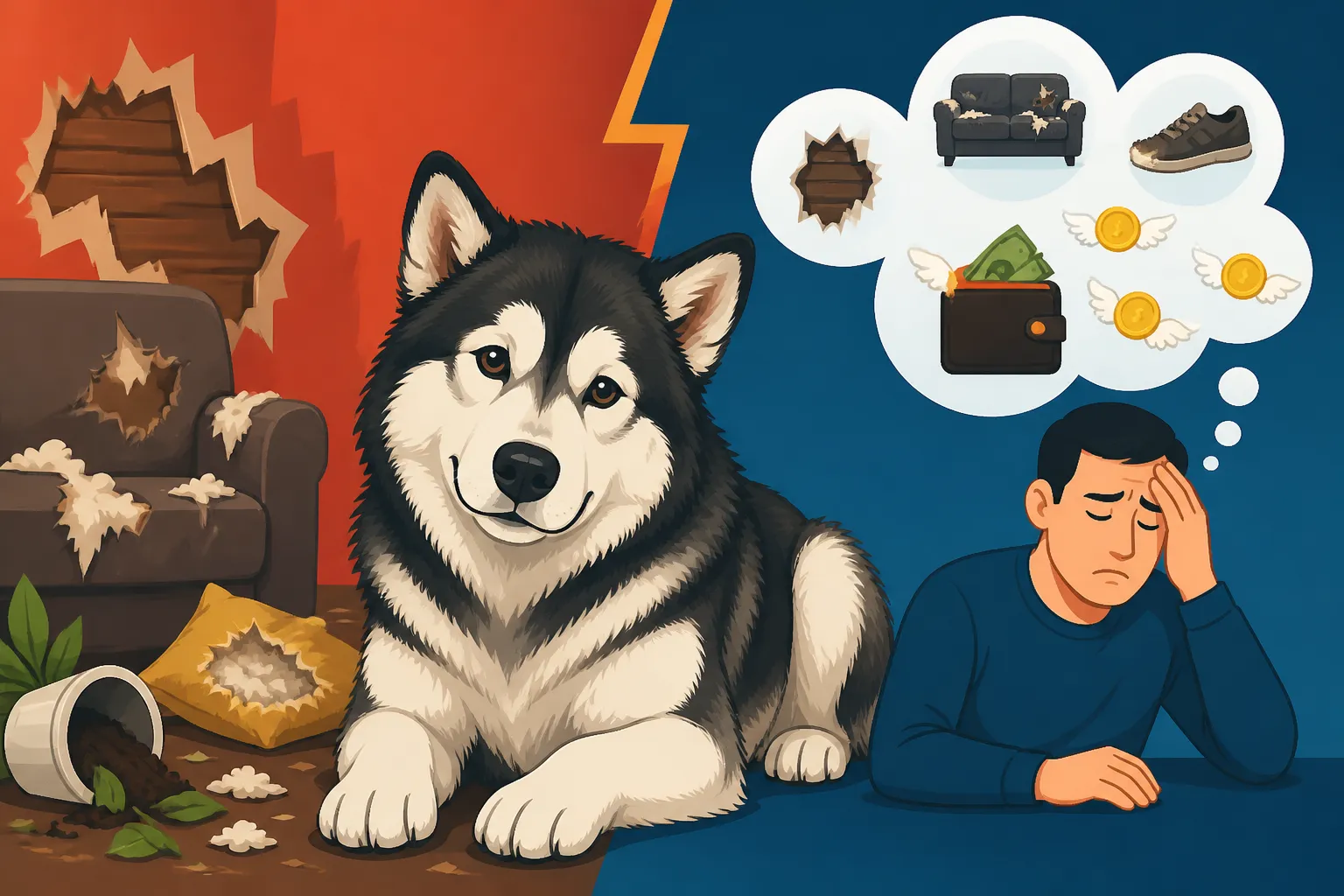
The "destructive year" can feel like you're constantly bailing out a sinking ship, financially speaking. It's not just the big-ticket items; it's the cumulative cost of a thousand small acts of mischief that add up rapidly. From shredded sofas to gnawed baseboards, the damage can be extensive and disheartening.
Furniture, Rugs, and Personal Belongings
This is often the first casualty. A Malamute puppy, especially during teething, sees little difference between a squeaky toy and the leg of your antique coffee table. As they grow, their powerful jaws make quick work of softer targets. A chewed sofa corner, a shredded rug, or even an entire mattress can be ruined in a surprisingly short amount of time. I've heard stories of everything from eyeglasses to remote controls, shoes, and even passports becoming chew toys. Replacing these items isn't cheap. A new sofa could easily set you back a significant sum, and smaller personal items might hold immense sentimental value, which is truly priceless. Investing in truly chew proof beds (What a Chew Proof Bed for a Malamute Costs) can be a recurring expense if you don't find the right one early on. Many owners find themselves replacing beds from brands like Kuranda or even searching Chewy for the most indestructible options available.
Walls, Doors, and Structural Damage
While less common than furniture destruction, a determined Malamute can inflict serious damage on the structure of your home. Doors can be scratched, chewed around the frame, or even have holes gnawed through them by a frustrated or anxious dog. Baseboards become irresistible chew sticks. Carpeting can be dug up, exposing the subfloor. I’ve known Malamutes who have pulled down curtains and blinds, not to mention those who’ve managed to get behind appliances, severing cables. Repairing drywall, repainting, or replacing entire sections of trim can quickly escalate into a renovation project you never planned for, with associated labor costs adding significantly to the bill. What a Malamute Chews Through in a Year explores just how extensive this damage can become.
Appliance and Electronic Casualties
This particular type of destruction can be both expensive and dangerous. Electrical cords for lamps, TVs, computers, or kitchen appliances can be chewed through, posing a severe electrocution risk to your Malamute and a fire hazard to your home. Beyond cords, some Malamutes have been known to attempt to chew on the appliances themselves, particularly those made of plastic. Imagine coming home to find your brand-new vacuum cleaner missing a vital hose, or your refrigerator door gasket shredded. These are not minor fixes. The replacement cost for even a small appliance can be substantial, and the peace of mind knowing your home is safe from electrical hazards is invaluable. You might find yourself searching Chewy not just for dog toys, but for cord protectors and other safeguards.
The Battle for Your Backyard
Just when you think you've secured the indoors, the outdoors presents a whole new arena for Malamute mayhem. Their love for digging and exploring means your perfectly manicured lawn or secure fence might not stand a chance against a bored or determined Malamute.
Landscaping and Garden Destruction
A Malamute considers your backyard their personal excavation site. Flowerbeds, vegetable patches, and even established shrubs can be dug up, roots and all. If you've invested time and money into creating a beautiful landscape, be prepared for potential heartbreak and repeated replanting costs. Mulch, decorative rocks, and even small paving stones can be displaced or spread around the yard. It's not uncommon for owners to discover craters where a prized rose bush once stood, or a trench running along the fence line. The desire to dig is so strong that some Malamutes will even create elaborate tunnel systems, transforming your lawn into a lunar landscape. What a Malamute Does to a Yard provides more insight into this common Malamute pastime.
Fence Lines and Escape Routes
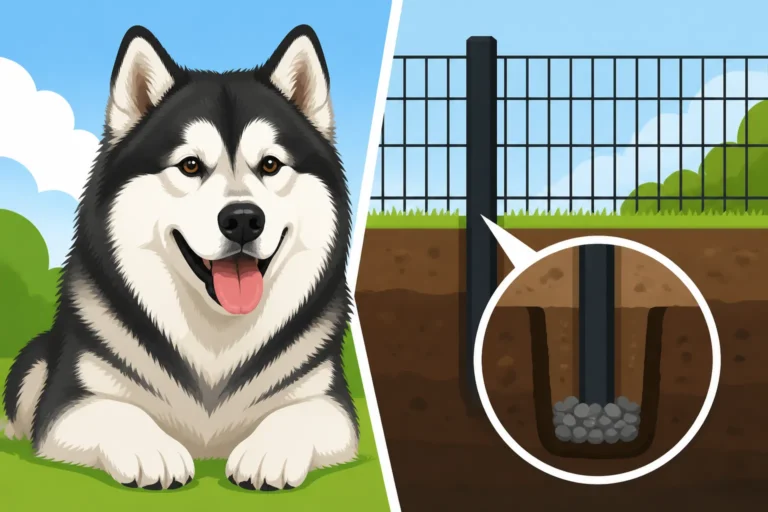
This is arguably the most critical area of outdoor destruction, as it poses a serious safety risk for your Malamute and others. Malamutes are notorious escape artists. They will test every weak point in a fence, and if they can't jump over it (which many can, given enough motivation), they will absolutely dig under it. This can lead to expensive repairs or even the need for a complete fence overhaul. Many owners resort to burying concrete footings or L-footings to prevent tunneling, which is a significant upfront expense. The cost isn't just in the fence itself; it's the potential for a loose Malamute to chase livestock, get hit by a car, or even cause harm to another animal, leading to vet bills or legal liabilities. For comprehensive advice on securing your perimeter, read Fencing a Yard Against a Malamute That Was Bred to Dig and How Deep a Malamute Fence Must Be Buried.
Irrigation Systems and Buried Treasures
If you have an underground irrigation system, consider it a prime target for a digging Malamute. The plastic pipes are often just below the surface, and a Malamute's powerful paws can easily unearth and rupture them. Repairing these systems can be complex and costly, requiring professional help to identify and fix leaks, especially if the damage isn't immediately visible. Beyond irrigation, anything buried or partially buried in the yard – from garden lights to children's toys – can become an object of curiosity and eventual destruction. It’s important to remember that for a Malamute, every mound of dirt is a potential treasure chest waiting to be unearthed.
Mitigating the Damage: Prevention and Management Strategies
While the "destructive year" can feel overwhelming, it's not a life sentence. With proactive measures, consistent training, and a deep understanding of your Malamute's needs, you can significantly reduce the financial and emotional toll. This isn't about "fixing" your Malamute, but about channeling their natural behaviors into appropriate outlets.
Crate Training and Containment Solutions
A well-introduced and positively associated crate is not a punishment; it's a safe den for your Malamute and a sanity-saver for you. It prevents unsupervised destruction, especially during times when you can't actively supervise. For a breed as powerful as a Malamute, a flimsy wire crate simply won't do. You'll need a heavy-duty, chew-proof model that can withstand their strength. Think about impact-resistant crates made from reinforced steel. This is an investment, but far less expensive than replacing your entire living room. Proper crate training ensures your Malamute sees their crate as a comfortable, secure space, rather than a prison. This can drastically reduce the number of destroyed items, giving you peace of mind. What a Crate a Malamute Cannot Break Costs can help you prepare for this essential purchase.
Enrichment, Exercise, and Mental Stimulation
This is the cornerstone of preventing destructive behavior. A tired Malamute is a good Malamute, but "tired" doesn't just mean physically exhausted. They need their brains worked too. Daily, vigorous exercise – long walks, hikes, jogging, or even introducing them to activities like Pulling Is the Only Job an Alaskan Malamute Really Wants – is crucial. But equally important are puzzle toys, interactive feeders, scent work, and consistent training sessions. Brands like Chewy offer a vast array of enrichment toys designed to challenge intelligent dogs. If your Malamute is mentally stimulated, they're less likely to create their own (destructive) games. Rotate toys, hide treats, and engage them in problem-solving activities to keep their minds sharp and their jaws off your belongings. For dogs with specific dietary needs or those needing high-quality protein for sustained energy, food brands like Ollie can be part of a holistic approach to their well-being, though always consult with your vet.
Professional Help and Training Investments
Sometimes, despite your best efforts, the destruction persists or escalates. This is not a sign of failure on your part, but an indication that you might need external expertise. A professional dog trainer experienced with large, independent working breeds like Malamutes can offer invaluable guidance. They can help you identify the root cause of the destructive behavior – is it boredom, separation anxiety, frustration, or something else? They can then develop a tailored training plan to address these issues, teaching you how to communicate effectively with your Malamute and redirect their natural drives. While an investment, the cost of a few training sessions is often far less than the cumulative cost of ongoing property damage or, even worse, the heartbreak of having to rehome your beloved companion.
The Hidden Costs: Time, Stress, and Relationship Strain
Beyond the tangible financial expenses, the "destructive year" carries significant non-monetary costs. These are often overlooked but can have a profound impact on an owner's well-being and the bond they share with their Malamute. The constant vigilance, the frustration of repeated damage, and the emotional toll can be just as, if not more, draining than the dent in your bank account.
The Constant Cleanup and Repair Cycle
Imagine coming home, day after day, to find another item chewed, another hole dug, another mess to clean. This isn't just about replacing things; it's about the endless cycle of damage control, repair, and cleanup. Your evenings might be spent sweeping up shredded paper, patching drywall, or trying to salvage a beloved possession. This continuous effort consumes valuable time and energy that could be spent enjoying your Malamute, or simply relaxing. It transforms pet ownership from a joyful companionship into a never-ending chore list, chipping away at your patience and enthusiasm. The mental load of always being on guard, anticipating the next act of destruction, is exhausting.
Emotional Toll on Owners
The emotional impact of a destructive Malamute can be immense. Feelings of frustration, anger, sadness, and even guilt are common. Owners might feel like they're failing their dog, or that their dog is acting out of spite. This can lead to a sense of helplessness and exasperation. It's easy to get caught in a cycle of negativity, where every interaction with your Malamute is tinged with anxiety about what they might do next. This emotional strain can affect your overall mental well-being, making it difficult to enjoy the positive aspects of Malamute ownership. It's crucial to remember that destructive behavior usually stems from unmet needs, not malice, and understanding this can help shift your emotional response. The Adolescent Malamute That Rewrites the Rules at Fourteen Months often presents these emotional challenges.
Impact on Family Dynamics and Living Arrangements
A destructive Malamute can put a significant strain on relationships within a household. Arguments might arise over who is responsible for supervising the dog, who cleans up the mess, or who pays for repairs. For couples or families, this shared stress can become a source of contention. It can also limit social activities, as guests might be hesitant to visit a home where property damage is a frequent occurrence. In some cases, the persistent destruction might even lead to reconsidering living arrangements, especially for renters who face losing their security deposit or even eviction. Tragically, these overwhelming challenges are often Why Alaskan Malamutes Fill Rescues at Eighteen Months, which is a heartbreaking outcome for both dog and owner. Understanding these hidden costs is just as important as tallying up repair bills, as they truly represent the full burden of the "destructive year."
Disclaimer
This article is for general informational purposes only and does not constitute professional advice. Laws, prices and regulations vary by location and change over time. Consult a qualified professional for guidance on your specific situation.