Which Lab Runs the Malamute Polyneuropathy Test
Discovering that your beloved Alaskan Malamute might be susceptible to a serious inherited condition like polyneuropathy can be incredibly unsettling. As owners, we pour our hearts and souls into these magnificent dogs, and the thought of them suffering from a progressive neurological disorder is truly heartbreaking. This guide is here to walk you through the essential steps of identifying the right laboratory to test your Malamute for polyneuropathy, helping you gain clarity and peace of mind, or prepare for the road ahead.
Understanding Alaskan Malamute Inherited Polyneuropathy
Alaskan Malamute Polyneuropathy (AMPN) is a genetic disorder that affects the peripheral nervous system in our beloved Mals. It's not something that just pops up randomly; it's passed down through generations, making genetic testing for carriers and affected dogs crucial for responsible breeding and proactive care. Imagine your strong, powerful Malamute, bred for incredible endurance, suddenly struggling with basic movements – it's a stark reality for those affected by this condition.
What Polyneuropathy Does to a Malamute
This isn't just a mild limp or a bit of clumsiness. AMPN causes a progressive weakness and loss of muscle control, primarily affecting the hind limbs first, but often progressing to all four legs. Owners often notice their dog struggling to get up, losing coordination, or showing an altered gait. It can feel like watching your robust companion slowly lose their strength and independence. Think about a Malamute, a breed known for its incredible work ethic and physical prowess, being unable to enjoy a simple walk or a run. This is the profound impact of this disease. You might even notice changes in their bark, becoming hoarse or weaker, which is another tell-tale sign that their vocal cords are being affected by nerve damage. Why a Malamute's Bark Changes With Polyneuropathy can provide more insight into this specific symptom.
When Polyneuropathy Appears in a Malamute
One of the frustrating things about inherited conditions is the variable onset. With AMPN, symptoms typically begin to manifest in young adult dogs, usually between one and two years of age. This period can be particularly confusing because a Malamute at this age is often still full of youthful energy and enthusiasm. One day they might seem perfectly fine, pulling on the leash with their usual gusto, and the next you might notice a subtle weakness in their rear, or a slight unsteadiness as they navigate stairs. It's easy to dismiss these early signs as a pulled muscle from enthusiastic play, or just a growth spurt making them a little awkward. However, it's during this critical window that recognizing the signs and seeking testing can make all the difference. The Age Polyneuropathy Appears in a Malamute explores this further, highlighting the importance of early detection.
The Critical Role of Genetic Testing for Alaskan Malamutes
Genetic testing for conditions like polyneuropathy isn't just a luxury; it's a vital tool for current and prospective Malamute owners and especially for breeders. It provides invaluable information that can influence everything from breeding decisions to how you care for your dog throughout its life. Without this knowledge, we're essentially navigating in the dark, hoping for the best but without any real map.
Why Every Malamute Needs to Be Tested
Consider the scenario: you bring home a beautiful Malamute puppy, full of life and promise. You've done your research on diet and training, perhaps even buying high-quality gear from retailers like Chewy. But what about their genetic health? If your Malamute is a carrier or, heartbreakingly, affected, knowing this early allows you to provide the best possible supportive care, plan for potential future challenges, and potentially even slow the progression of symptoms through management strategies. For breeders, this knowledge is paramount. Testing allows them to make informed decisions, ensuring they don't unwittingly pass on detrimental genes, thereby strengthening the breed's health overall. This proactive approach helps to reduce the prevalence of these conditions in future generations, protecting the integrity and well-being of the breed we all cherish. Imagine the heartbreak of a polyneuropathy Malamute owner realizing too late that their dog could have been spared. The Health Tests Both Alaskan Malamute Parents Should Have emphasizes the necessity of comprehensive screening.
What the DNA Test Finds
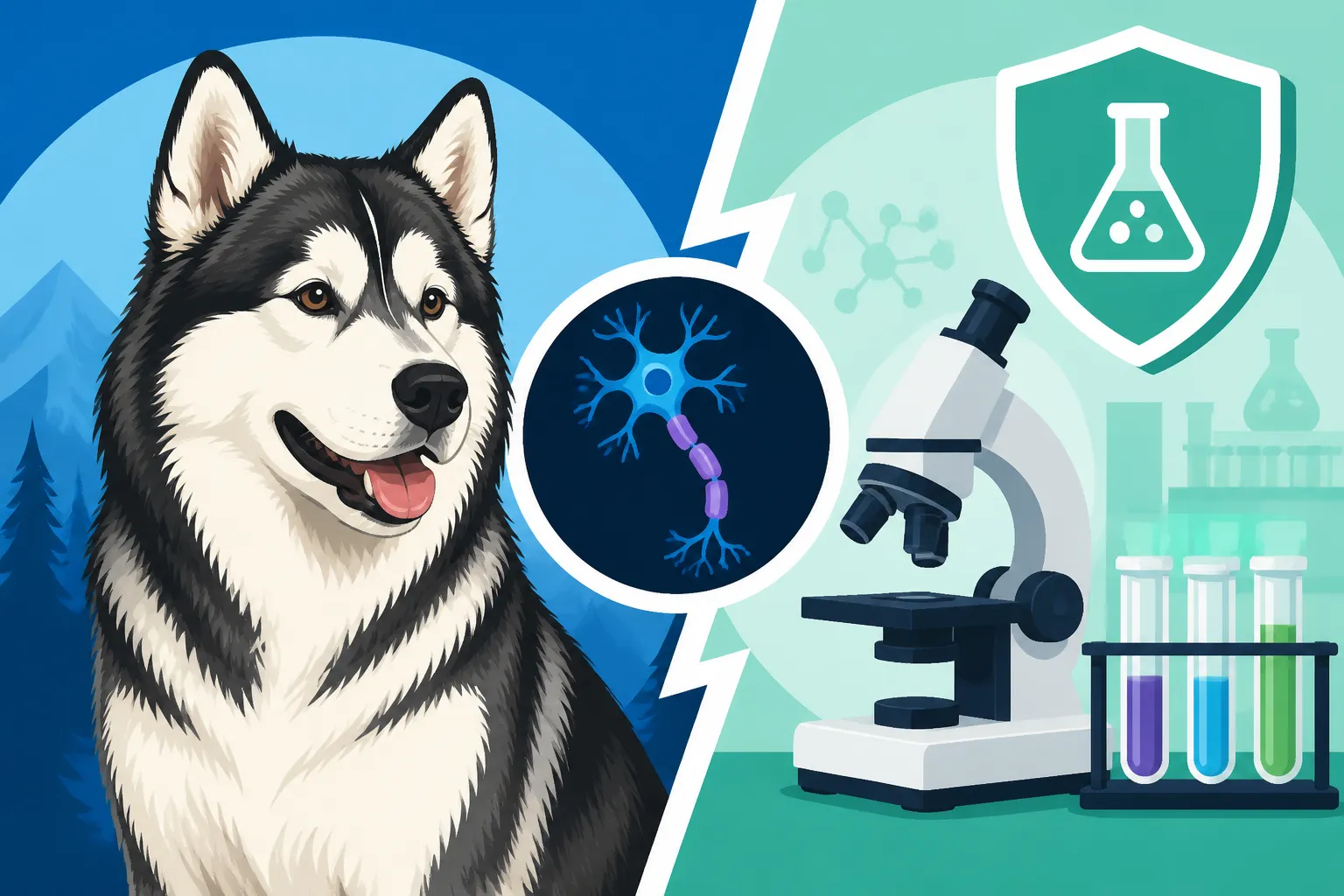
The DNA test for Alaskan Malamute Polyneuropathy is designed to identify specific genetic markers or mutations associated with the condition. It's not just a diagnostic tool for affected dogs; it also identifies carriers. A carrier Malamute won't show symptoms themselves because they only have one copy of the recessive gene, but they can pass it on to their offspring. If two carriers are bred, there's a 25% chance of producing an affected puppy. The test essentially gives you a clear "all clear," "carrier," or "affected" status for that specific genetic mutation. This kind of clarity empowers owners and breeders to make responsible choices. For example, if you know your dog is a carrier, you might choose to never breed them, or only breed them with a dog that has tested clear.
| Test Result | Genetic Status | Clinical Signs | Breeding Advice |
|---|---|---|---|
| Clear | No copies of the mutated gene | Will not develop AMPN | Can be safely bred with any Malamute |
| Carrier | One copy of the mutated gene | Will not develop AMPN, but can pass it on | Should only be bred with a Clear Malamute |
| Affected | Two copies of the mutated gene | Will develop AMPN | Should not be bred |
This table provides a quick overview, but remember, the decision to breed a carrier is complex and should involve consultation with experienced breeders and veterinary geneticists. Whether a Carrier Malamute Can Be Bred delves deeper into these considerations.
Identifying the Right Laboratory for Malamute Polyneuropathy Testing
Now that you understand why genetic testing is so important, the next step is figuring out where to get it done. The landscape of canine genetic testing can feel a bit like a maze, with different labs offering various tests and panels. For Alaskan Malamute Polyneuropathy, you need to ensure the lab you choose specifically offers this test, or includes it in a breed-specific panel.
Leading Canine Genetic Testing Laboratories
Several reputable laboratories offer genetic testing for a wide array of dog breeds and conditions. These labs are at the forefront of canine genetics, utilizing advanced technology to provide accurate and reliable results. When you're looking for a specific test like AMPN, it's usually best to start with the big players who have a broad catalog of breed-specific tests.
Two of the most well-known and respected names in the field of canine genetic testing are:
- Embark Veterinary: Embark offers comprehensive DNA testing panels that screen for hundreds of genetic conditions, including many breed-specific ones. They often have specific panels tailored to individual breeds, which can be an excellent way to cover multiple bases with one test. When considering Embark, you'd want to check their current Alaskan Malamute breed-specific panel to see if AMPN is included. Their user-friendly online portal makes ordering and viewing results quite straightforward.
- Optimal Selection (MyDogDNA by Wisdom Panel): This lab, part of Wisdom Panel, also offers extensive genetic testing, often focusing on health, traits, and breed identification. Similar to Embark, they provide breed-specific health screenings. You would navigate to their Malamute offerings to confirm the inclusion of the polyneuropathy test.
While these are prominent options, there are other specialized veterinary genetics laboratories that may also offer this specific test or partner with breed clubs. The key is to verify directly with the lab for their most up-to-date test offerings for the Alaskan Malamute.
How to Confirm the Polyneuropathy Test Offering
Simply knowing the big names isn't enough; you need to confirm that they specifically offer The DNA Test That Finds Malamute Polyneuropathy. Here's how to go about it:
- Visit the Lab's Website: Head directly to the "health testing," "genetic tests," or "breed-specific panels" section of their website. Use their search function to look for "Alaskan Malamute Polyneuropathy" or "AMPN."
- Check Breed-Specific Panels: Many labs offer bundled tests for specific breeds. Look for an "Alaskan Malamute Health Panel" or similar. The details of what's included in that panel should explicitly list AMPN.
- Contact Customer Service: If you can't find clear information, or if you want to double-check, don't hesitate to reach out to the lab's customer support. They can confirm whether they offer the test, if it's part of a panel, and provide ordering instructions. This is crucial because test offerings can sometimes change or be updated.
- Consult Your Breed Club: The Alaskan Malamute Club of America (AMCA) or similar national breed clubs are excellent resources. They often maintain lists of recommended testing protocols and labs that offer the necessary tests for the breed. They can guide you directly to the right place and might even have special pricing or recommendations for members.
- Talk to Your Veterinarian: Your vet can also be a valuable resource. While they might not run the tests in-house, they often work with specific diagnostic labs and can guide you through the process, help interpret results, and advise on follow-up care if needed. They can also provide the necessary sample collection (usually a cheek swab or blood sample).
What to Expect When Ordering a Test Kit
Once you've identified a lab, ordering a test kit is usually a straightforward process. Most labs allow you to order directly from their website. The kit will typically include:
- Instructions: Clear, step-by-step guidance on how to collect the DNA sample.
- Swabs: Usually cheek swabs that you'll rub on the inside of your Malamute's cheek to collect epithelial cells. Some tests may require a blood sample, which your vet would collect.
- Collection Tubes/Vials: To secure the swabs or blood samples.
- Return Packaging: A pre-paid envelope or box to send your sample back to the lab.
It’s generally a good idea to collect the sample before your dog has eaten or had anything in its mouth for at least an hour to ensure a clean sample free of food contaminants. This simple step can prevent the need for retesting, saving you time and stress.
Interpreting Your Malamute's Polyneuropathy Test Results
Receiving your Malamute's genetic test results can be a moment of anxiety or relief. Understanding what the results mean is crucial, not just for your individual dog, but for the breed as a whole. Remember, these results are powerful tools for making informed decisions.
Understanding "Clear," "Carrier," and "Affected"
The genetic tests will typically categorize your Malamute's status regarding AMPN into one of three classifications:
- Clear (or Homozygous Normal): This is the best-case scenario. It means your Malamute does not carry the gene mutation for polyneuropathy and therefore will not develop the condition due to this specific genetic cause. They also cannot pass it on to their offspring. This gives a wonderful sense of relief, knowing your dog is genetically free of this particular burden.
- Carrier (or Heterozygous): A carrier Malamute has one copy of the mutated gene and one normal gene. Critically, these dogs do not develop polyneuropathy symptoms themselves. They are phenotypically normal. However, they can pass the mutated gene to 50% of their offspring. This is where responsible breeding decisions become vital. If you have a carrier, it's imperative to understand the implications for any potential breeding.
- Affected (or Homozygous Affected): An affected Malamute has two copies of the mutated gene (one from each parent) and will develop polyneuropathy. The onset and severity can vary, but the genetic predisposition is there. If your dog tests as affected, it's time to work closely with your veterinarian to understand what What Inherited Polyneuropathy Does to a Malamute entails and to develop a management plan. This is a tough pill to swallow for any owner, but knowing allows for compassionate and proactive care. Whether a Polyneuropathy Malamute Gets Worse can help you prepare for the progression.
What to Do with Your Results
Once you have your results, the next steps depend on your Malamute's status:
- For Clear Dogs: Celebrate! Continue to provide excellent general care, good nutrition (perhaps even looking into options like Ollie for tailored food plans), and regular vet check-ups. You can confidently consider breeding them if they meet other health and conformation standards.
- For Carrier Dogs: This requires careful consideration, especially if you had planned to breed your Malamute. While carriers are healthy themselves, breeding them with another carrier or an affected dog is highly irresponsible due to the risk of producing affected puppies. Reputable breeders will only breed carriers to clear dogs to avoid producing affected offspring. Your vet can advise you on managing your dog's overall health, perhaps with an eye on preventive measures, and you might also want to consult with a genetic counselor.
- For Affected Dogs: This is where the real work begins. Your focus will shift to managing the condition and ensuring your Malamute's quality of life. Work closely with your veterinarian. This might involve physical therapy, nutritional support, comfortable living arrangements, and ongoing monitoring. While there's no cure, early diagnosis means you can proactively address symptoms and support your dog for as long as possible. You may also want to investigate pet insurance options, like Healthy Paws, early in your dog's life, as some policies may cover diagnostics or treatments if the condition isn't pre-existing before coverage begins.
Sharing results, especially within breed communities and with the original breeder, is also a powerful way to contribute to the overall health database for the Alaskan Malamute. Transparency helps everyone make better decisions.
Beyond the Test: Living with an Alaskan Malamute
Genetic testing is a cornerstone of responsible Malamute ownership, but it's just one piece of the puzzle. Understanding the breed's unique needs, both physical and behavioral, is crucial for a happy, healthy life. These dogs are powerful, intelligent, and deeply independent, requiring a committed owner.
Comprehensive Health Screening
Polyneuropathy is just one of several inherited conditions that can affect Alaskan Malamutes. While you're going through the effort of genetic testing, it's wise to consider a more comprehensive approach. Many labs offer panels that cover multiple conditions, giving you a fuller picture of your dog's genetic predisposition. Other important health screenings for Malamutes often include hip and elbow dysplasia evaluations, eye exams, and thyroid function tests. Zinc Is the Thread Running Through Three Malamute Diseases is another crucial read, as zinc responsive dermatosis is a common issue that, while not directly tied to polyneuropathy, highlights the Malamute's unique metabolic needs.
The Financial Realities of Malamute Ownership
Owning an Alaskan Malamute is a significant financial commitment, especially when dealing with health issues. Beyond the initial cost of a puppy and the price of genetic testing, you'll need to budget for high-quality food (which can be pricey for a large breed), regular veterinary care, and potential specialized treatments if a health condition arises. This is where pet insurance, like Healthy Paws, can be incredibly valuable, helping to mitigate the often-shocking costs of unforeseen illnesses or accidents. Proactive care, like purchasing quality food and supplements from Chewy, can also go a long way in maintaining overall health and potentially reducing future vet bills. Planning for these expenses from the outset can save a lot of stress down the line. What Zinc Supplementation Costs Over a Malamute's Life provides a detailed look into one aspect of ongoing care costs.
Committed Care and Training
No matter the genetic results, every Malamute thrives with consistent training, appropriate exercise, and clear boundaries. These aren't dogs that you can just leave in the backyard and expect them to entertain themselves. Their intelligence and independence mean they need mental stimulation as much as physical activity. Regular walks, opportunities to "work" (even if it's just pulling a cart in the park), and consistent training are non-negotiable. A well-exercised and well-trained Malamute is a much happier and healthier Malamute, regardless of genetic predispositions. This commitment to their well-being, coupled with smart health screening, ensures you're giving your magnificent companion the best possible chance at a long, joyful life.
Disclaimer
This article is for general informational purposes only and does not constitute professional advice. Laws, prices and regulations vary by location and change over time. Consult a qualified professional for guidance on your specific situation.