Whether a Polyneuropathy Malamute Gets Worse
It’s truly heartbreaking to watch your vibrant, powerful Alaskan Malamute, a dog bred for strength and endurance, begin to struggle with everyday movements. When you’re faced with a diagnosis of inherited polyneuropathy, the immediate, agonizing question that usually leaps to mind is, "Will it get worse?" This guide is here to walk you through the progressive nature of this challenging neurological condition in Alaskan Malamutes, outlining what you can expect and how best to support your beloved companion through its journey.
Understanding Inherited Polyneuropathy in Alaskan Malamutes
Inherited polyneuropathy in Alaskan Malamutes isn't just a simple lameness; it's a complex and often devastating neurological disorder that specifically targets the peripheral nerves. These nerves are the communication highways between your dog's brain and spinal cord and the rest of its body, including its muscles and organs. When these nerves start to malfunction, the signals don't get through properly, leading to a cascade of physical challenges. It's a condition that truly impacts their ability to do what Malamutes love most – move, explore, and be active.
What Inherited Polyneuropathy Does to a Malamute
When we talk about what this condition actually does to an Alaskan Malamute, we're describing a gradual erosion of their motor skills and overall physical function. Initially, you might notice subtle changes: a slight drag in a paw, a less enthusiastic run, or an awkwardness that wasn't there before. As the disease progresses, these subtle signs give way to more overt symptoms such as weakness in the limbs, poor coordination, and a noticeably altered gait. Eventually, the muscles, deprived of proper nerve stimulation, can begin to atrophy or waste away. It's a truly sad sight for any owner who has cherished their Malamute's powerful physique.
This isn't a condition your dog "catches" or develops due to something in their environment; it's an inherited trait, meaning it's coded into their genes. Understanding this genetic link is crucial, not just for managing affected dogs but for preventing its spread through responsible breeding practices. For a deeper dive into the specifics, you can explore what exactly happens within the body when a Malamute is afflicted with What Inherited Polyneuropathy Does to a Malamute – it provides a detailed look at the mechanisms behind the symptoms you might observe.
The Age Polyneuropathy Appears in a Malamute
One of the most frustrating aspects of inherited polyneuropathy is the age at which it typically manifests. While the genetic defect is present from birth, the clinical signs usually don't appear until the dog is entering young adulthood, often between 12 and 24 months of age. This means you might have spent a year or more with a seemingly healthy, energetic puppy, only for these worrying symptoms to begin showing up just as they're hitting their stride. It can feel like a cruel twist of fate, catching you completely off guard.
This period of onset can also be tricky because, in their adolescence, puppies can be clumsy, and owners might initially dismiss subtle signs as just part of a growth spurt or typical puppy shenanigans. However, a keen eye for changes in gait, energy levels, or coordination during this critical window is essential for early detection. If you're curious about the specifics of when these signs might first emerge, understanding The Age Polyneuropathy Appears in a Malamute can help you be more vigilant.
Why a Malamute's Bark Changes With Polyneuropathy
Beyond the obvious physical weakness in their limbs, one of the most concerning and often distressing symptoms of polyneuropathy is its impact on a Malamute's voice. Many owners describe a change in their dog's characteristic "woo-woo" or bark, evolving into a hoarser sound, a quieter "whisper," or even a complete loss of their ability to vocalize effectively. This happens because the peripheral nerves that control the muscles of the larynx – the voice box – also become affected by the disease.
This laryngeal involvement isn't just about sound; it's a critical functional issue. The larynx plays a vital role in protecting the airway during swallowing. When the nerves controlling it are compromised, the muscles can't move properly to close off the trachea, leading to a risk of aspiration. This means food or water can accidentally enter the lungs, potentially causing severe and recurrent aspiration pneumonia. It’s a serious complication that can significantly impact a Malamute’s quality of life and longevity. If your Malamute's vocalizations are changing, don't dismiss it; it could be a significant indicator. For more details on this particular symptom, read about Why a Malamute's Bark Changes With Polyneuropathy.
The Progressive Nature of Alaskan Malamute Polyneuropathy
The most crucial thing for any owner to understand about inherited polyneuropathy in Alaskan Malamutes is that it is, unfortunately, a progressive disease. This means that, over time, the symptoms will generally worsen. It's not a condition that typically plateaus or resolves on its own; rather, it often follows a trajectory of gradual decline, impacting more aspects of your dog's life as the nerve damage accumulates. This can be incredibly difficult to accept, especially when you're used to your Malamute's robust and spirited nature.
Early Signs and Subtle Progression
The early signs of polyneuropathy can be incredibly subtle, making them easy to miss if you're not specifically looking for them. Owners might first notice their Malamute tripping over its own feet more often, especially during walks or playful bursts. You might observe a slight 'high-stepping' gait, sometimes referred to as a hackney gait, particularly in the front limbs, as the dog tries to compensate for nerve weakness. They might also start "bunny hopping" with their hind legs when running, or show a newfound reluctance to jump into the car or climb stairs. These behaviors, while seemingly minor, are often the first whispers of a larger neurological issue.
Many a concerned owner has brought in a Malamute puppy, worried because it seems to be stumbling or tripping more than its littermates or other puppies its age. It's a valid concern, and indeed, Whether a Polyneuropathy Malamute Puppy Trips Constantly is a question frequently asked, highlighting how early and subtly these symptoms can emerge, often dismissed as mere puppy clumsiness until they become more pronounced. This period is critical, as early identification, even without a cure, allows for proactive management and a better understanding of what lies ahead.
The Inevitable Worsening of Symptoms
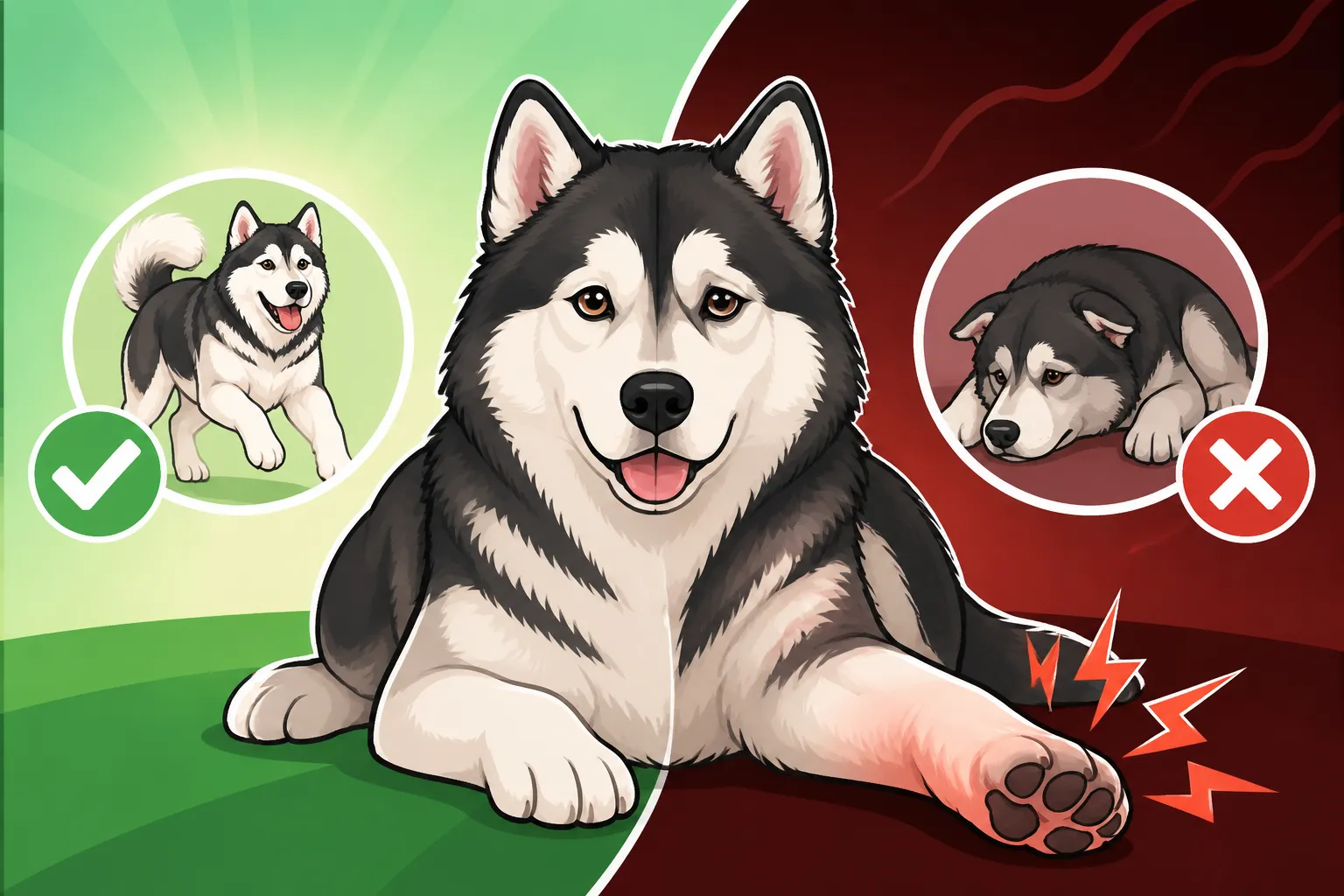
As heartbreaking as it is to acknowledge, the trajectory for most Malamutes with inherited polyneuropathy involves a gradual, but inevitable, worsening of their condition. What might start as mild weakness can progress to significant paresis (partial paralysis) and, in severe cases, even full paralysis. The powerful muscles of a Malamute, once capable of pulling heavy loads, will visibly start to waste away or atrophy due to the lack of proper nerve signals. This muscle loss can be particularly noticeable over the hindquarters and along the spine, transforming their once athletic physique.
This progression profoundly impacts their ability to perform daily activities. Standing up from a lying position becomes a monumental effort, walking turns into a laborious shuffle, and even simple acts like holding their head up or eating can become challenging. The disease can rob them of their independence and joy in movement, forcing owners to adapt constantly to their declining physical capabilities. To understand the extent of this physical decline, it's worth exploring Whether a Polyneuropathy Malamute Loses Muscle and how this impacts their overall well-being.
Respiratory Complications and Laryngeal Paralysis
Perhaps one of the most critical and life-threatening aspects of polyneuropathy's progression is the development or worsening of respiratory complications, most notably laryngeal paralysis. As mentioned earlier, the nerves controlling the voice box can become severely affected, preventing the cartilages in the larynx from opening and closing properly. This leads to a narrow airway, causing noisy breathing – a harsh, raspy sound known as stridor – especially during exertion, excitement, or in warmer temperatures.
The risk here is twofold: severe breathing difficulties can lead to heat stroke more easily, as the dog struggles to cool itself through panting. More dangerously, the compromised laryngeal function greatly increases the risk of aspiration pneumonia, where food, water, or even saliva accidentally enters the lungs. This can lead to recurrent, severe lung infections that are difficult to treat and can ultimately be fatal. This complication is often the turning point where a Malamute's quality of life truly diminishes, and owners are faced with extremely difficult decisions. Being aware of Whether a Polyneuropathy Malamute Can Breathe Normally can help you recognize the signs and seek immediate veterinary attention.
Managing the Progression and Supporting Your Malamute
While there is currently no cure for inherited polyneuropathy in Alaskan Malamutes, understanding its progressive nature empowers owners to provide the best possible supportive care. This involves a multi-faceted approach aimed at maintaining comfort, maximizing mobility for as long as possible, and managing secondary complications. It’s about focusing on quality of life and adapting to your Malamute’s changing needs.
Veterinary Diagnosis and Monitoring
The first crucial step is obtaining a definitive diagnosis from a veterinary neurologist. This typically involves a thorough neurological examination, followed by more advanced diagnostics such as electromyography (EMG) and nerve conduction velocity (NCV) studies to assess nerve function. Sometimes, muscle and nerve biopsies are performed to confirm the diagnosis. Additionally, DNA testing is available to identify affected dogs and carriers, which is vital for both current care and future breeding decisions.
Once diagnosed, regular veterinary check-ups become paramount to monitor the progression of the disease and address any emerging symptoms promptly. Your vet can help track muscle loss, assess respiratory function, and make recommendations for supportive care. While the diagnosis itself can be a significant financial burden, some pet insurance providers, like Healthy Paws, may offer assistance with diagnostic testing and ongoing treatments, provided the condition isn't considered pre-existing at the time of policy enrollment. Understanding The DNA Test That Finds Malamute Polyneuropathy is a vital piece of this puzzle for both diagnosis and prevention.
Supportive Care and Palliative Measures
Since a cure isn't available, the focus shifts entirely to supportive care, aimed at making your Malamute's life as comfortable and fulfilling as possible for as long as it can be. This can include a range of interventions:
- Physical Therapy: Gentle exercises, passive range of motion, and hydrotherapy (under veterinary supervision) can help maintain muscle mass, prevent joint stiffness, and improve circulation. Even short, controlled walks on a leash can be beneficial if your dog is able.
- Nutritional Adjustments: Your vet might recommend a diet that is easy to chew and swallow, especially if laryngeal involvement is present. Elevated food and water bowls can make eating less strenuous.
- Home Modifications: Making your home accessible is key. This might mean adding ramps for stairs or car access, using non-slip rugs on slick floors, and providing orthopedic beds to prevent pressure sores.
- Medication for Secondary Issues: While there's no drug to reverse the nerve damage, medications might be prescribed to manage pain, discomfort, or secondary infections like aspiration pneumonia. Antibiotics are essential for the latter.
- Assistive Devices: For dogs with significant weakness, harnesses with handles can help you support them when walking or getting up. Dog wheelchairs can provide a new lease on mobility for some, allowing them to continue enjoying outdoor activities.
These ongoing care strategies can be expensive, and this is where a robust pet insurance plan, such as those offered by Healthy Paws, can truly ease the financial burden. They can help cover a significant portion of veterinary bills for physical therapy, specialist consultations, medications, and even emergency care related to complications, allowing you to focus on your Malamute's well-being. For owners looking for potential avenues of relief, understanding Whether a Polyneuropathy Malamute Can Be Treated dives into these various supportive therapies.
When Quality of Life Diminishes
This is, without a doubt, the most agonizing part of owning a dog with a progressive, incurable disease. There comes a point where, despite all your best efforts and supportive care, the disease's progression significantly impacts your Malamute's quality of life. This can be recognized by several heartbreaking indicators: severe and persistent respiratory distress, constant struggles to move or even stand, chronic pain that can no longer be adequately managed by medication, or a noticeable loss of interest in activities they once loved, such as eating, interacting with family, or simply enjoying their surroundings.
The decision of when to say goodbye is intensely personal and fraught with emotion. It's about finding that delicate balance between extending life and preventing suffering. Your veterinarian will be an invaluable partner during this time, helping you assess your Malamute's comfort levels and overall well-being. They can provide guidance on humane euthanasia when the time is right, ensuring your beloved companion passes peacefully and with dignity. The financial aspect of end-of-life care, even for difficult decisions, can be supported by comprehensive pet insurance like Healthy Paws, allowing owners to make decisions based purely on compassion rather than cost. While specific to older dogs, the difficult decisions around end-of-life care resonate with the advice found in Knowing When an Old Alaskan Malamute Has Had Enough.
Responsible Breeding and Genetic Testing
Given that inherited polyneuropathy is a genetic condition, the most powerful tool we have against it is responsible breeding and widespread genetic testing. This isn't just about managing the disease in affected dogs, but actively working to reduce its prevalence in future generations of Alaskan Malamutes.
The Importance of Screening Parents
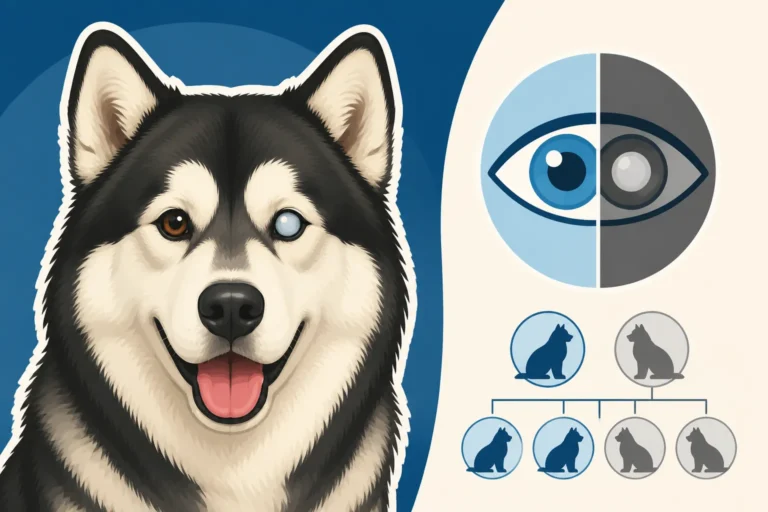
For an inherited disease like polyneuropathy, prevention starts long before a puppy is even conceived. Reputable breeders are diligent about screening their breeding stock. This involves using the available DNA test to determine if a potential parent is clear, a carrier, or affected by the gene. Only by knowing the genetic status of both parents can breeders make informed decisions to avoid producing affected puppies. This is because polyneuropathy is typically an autosomal recessive trait, meaning a puppy must inherit a copy of the defective gene from both parents to develop the disease.
Therefore, breeders should never breed two carriers together, as this carries a 25% chance of producing an affected puppy. They also wouldn't breed an affected dog. A carrier, however, can be safely bred to a "clear" dog, producing only carriers and clear offspring, thus preventing affected puppies while maintaining genetic diversity. When seeking an Alaskan Malamute puppy, always insist on seeing the genetic test results for both parents. This simple step can save you and your future dog immense heartache. If you're pondering the genetics behind this condition, understanding Whether Both Malamute Parents Must Carry Polyneuropathy will give you vital insights.
Working Towards a Healthier Future
Dedicated Alaskan Malamute breeders, in collaboration with veterinary geneticists and breed clubs like the Alaskan Malamute Club of America (AMCA), are committed to leveraging genetic testing to progressively reduce the incidence of polyneuropathy. By testing all breeding animals and making responsible choices, the goal is to gradually remove the defective gene from the Malamute gene pool without excessively narrowing the breed's genetic diversity. This takes time, commitment, and transparency within the breeding community.
As a prospective puppy owner, supporting these responsible breeders by choosing puppies from genetically screened parents is paramount. It's a collective effort that helps ensure the long-term health and vitality of the Alaskan Malamute breed. The ongoing availability and use of these tests are making a real difference. For more information on these efforts and the progress being made, consider learning about Whether Malamute Polyneuropathy Is Being Bred Out. Even pet insurance companies like Healthy Paws indirectly support this by covering conditions, indirectly incentivizing better health practices from breeders and owners alike.
| Symptom Category | Early Stage Polyneuropathy | Late Stage Polyneuropathy |
|---|---|---|
| Gait/Movement | Subtle clumsiness, occasional tripping, mild hind limb weakness, slight high-stepping (hackney gait), bunny hopping. | Severe weakness, stumbling, difficulty rising, paresis (partial paralysis) or full paralysis, muscle atrophy, reluctance to move, difficulty with stairs/jumping. |
| Vocalization | Normal bark, occasional hoarseness, slight change in "woo-woo" sound. | Hoarse bark, weak or absent bark, whisper-like vocalizations. |
| Respiratory | Normal breathing, panting slightly heavier after exertion. | Noisy breathing (stridor), inspiratory difficulty, coughing/gagging while eating/drinking, increased risk of aspiration pneumonia, exercise intolerance. |
| Muscle Mass | Normal or slight, barely noticeable loss in hindquarters. | Significant muscle atrophy, particularly in hind limbs and along spine. |
| General | Otherwise bright and alert, good appetite, minimal discomfort. | Decreased appetite, lethargy, obvious discomfort or pain, loss of interest in activities, significant reduction in overall quality of life. |
Disclaimer
The information provided in this guide is intended for general informational purposes only and does not constitute veterinary advice. Always consult with a qualified veterinarian for any health concerns or before making any decisions about your Alaskan Malamute's care, especially concerning inherited polyneuropathy. The progression and severity of this condition can vary between individual dogs.