Which Cancers Alaskan Malamutes Get
Few things hit harder than the news that your beloved Alaskan Malamute might have cancer. It's a devastating prospect, often leaving us feeling helpless and overwhelmed. This guide is here to walk you through the types of cancers Malamutes can face, what signs to watch for, and how to navigate this challenging journey with as much knowledge and support as possible.
Understanding Cancer in Alaskan Malamutes – A Harsh Reality
Alaskan Malamutes are magnificent, robust dogs, but like many large and giant breeds, they aren't immune to certain health challenges, and sadly, cancer is one of them. It's a disease that can manifest in countless ways, affecting different organs and systems, and it often feels like a cruel twist of fate when it touches our strong, resilient companions. The reality is that cancer is a leading cause of death in older dogs, and understanding the breed-specific predispositions can help you be more vigilant.
Why Some Breeds Face Higher Cancer Risks
It’s true that some dog breeds seem to draw the short straw when it comes to cancer, and Malamutes, while not topping every "most cancer-prone" list, certainly have their susceptibilities. This often comes down to a complex interplay of genetics, breeding practices, and even their sheer size. Larger breeds tend to have a shorter lifespan, and the larger they are, the more cell divisions occur throughout their lives, increasing the statistical chance of a mutation leading to cancer. While dedicated breeders strive to produce healthy puppies through careful selection and health testing, some genetic predispositions can still linger within breed lines, passed down through generations. These underlying factors mean that while we can't prevent every case, we can be proactive in monitoring our dogs and understanding their inherent risks.
The Emotional Toll of a Cancer Diagnosis
When the vet says "cancer," it’s like a punch to the gut. The world seems to tilt, and suddenly, all your plans and hopes for your Malamute's future are thrown into question. You might feel a whirlwind of emotions: fear, sadness, anger, confusion, and even guilt. It's completely normal to feel this way. Our Malamutes aren't just pets; they're family members, loyal companions, and sources of immense joy. Facing their illness can be incredibly isolating, and the thought of them suffering or of an eventual goodbye is heartbreaking. Remember, you're not alone in these feelings. Many Malamute owners have walked this path, and acknowledging these emotions is the first step in finding the strength to support your dog through their illness.
Common Cancers Affecting Alaskan Malamutes
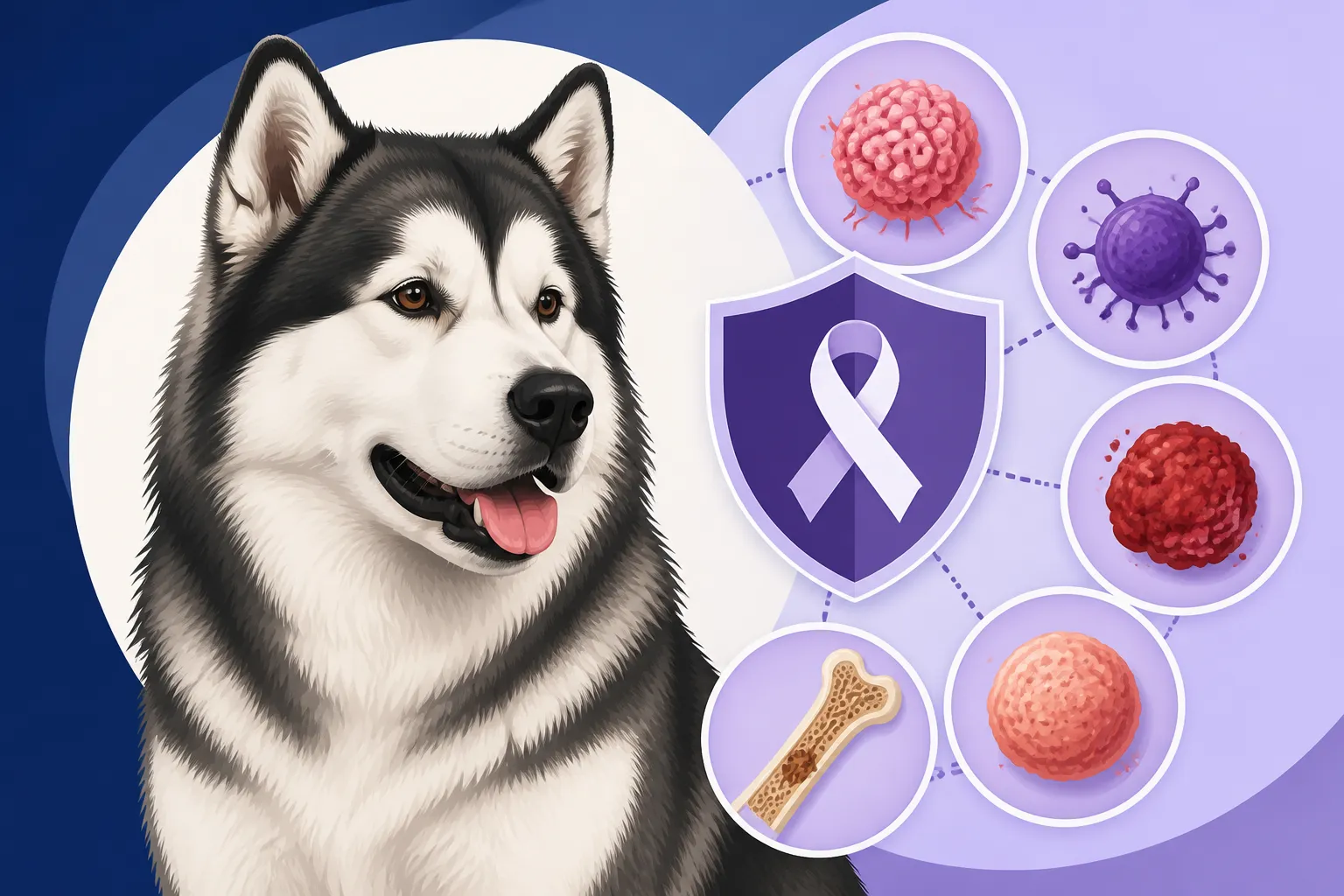
While no dog is entirely safe from cancer, certain types are more frequently seen in Alaskan Malamutes, or in large breeds generally. Knowing these can help you and your veterinarian be more watchful.
Lymphoma
Lymphoma is a cancer of the lymphatic system, which is part of the immune system. It’s one of the most common cancers diagnosed in dogs, including Malamutes. This cancer can appear in various forms, but the most common is multicentric lymphoma, where the lymph nodes throughout the body become enlarged. You might notice swollen glands under your dog's jaw, in their armpits, or behind their knees. Other forms include mediastinal lymphoma (affecting lymph nodes in the chest, potentially causing breathing difficulties), gastrointestinal lymphoma (causing vomiting, diarrhea, and weight loss), and cutaneous lymphoma (affecting the skin).
Diagnosis typically involves a fine needle aspirate or biopsy of an affected lymph node. While lymphoma can be aggressive, it often responds well to chemotherapy, which can lead to remission and extend a good quality of life for months or even years. However, it's important to understand that it's rarely cured, but managed. Early detection, often by simply feeling your dog's lymph nodes regularly during petting, can make a significant difference in treatment success.
Osteosarcoma
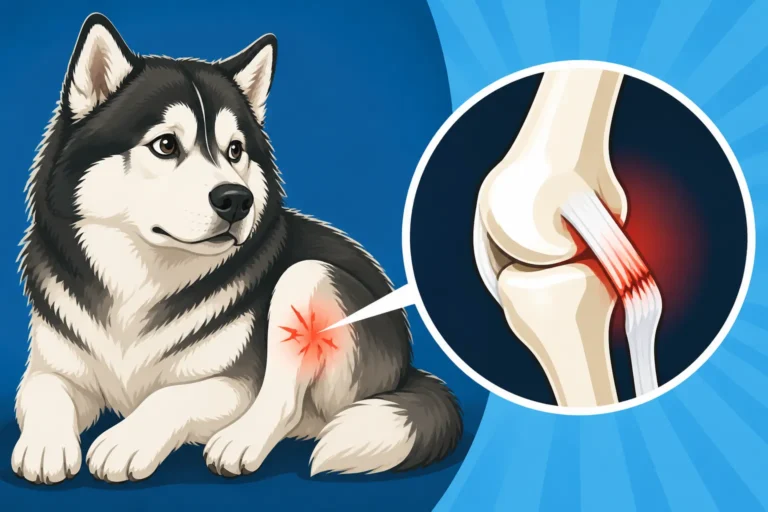
Osteosarcoma is a highly aggressive bone cancer that sadly affects many large and giant breeds, including the Alaskan Malamute. It most commonly strikes the long bones of the limbs, particularly near the shoulder, knee, or wrist. The insidious nature of osteosarcoma is that early signs can often be mistaken for an injury or arthritis, like a persistent lameness or swelling in a leg. Your Malamute might start limping, show reluctance to put weight on a particular leg, or you might even feel a firm, painful swelling on the bone itself.
This cancer is not only painful but also has a high metastatic rate, meaning it spreads quickly to other parts of the body, most often the lungs. Diagnosis usually involves X-rays, followed by a bone biopsy to confirm. Treatment often includes amputation of the affected limb to alleviate pain, combined with chemotherapy to target any microscopic spread. While the prognosis can be grim, these treatments can significantly improve comfort and extend life, sometimes by many months. Owners of an older dog with sudden, unexplained lameness should always consider Lumps Worth Checking on an Alaskan Malamute or a possible bone tumor as a differential.
Hemangiosarcoma
This is another particularly nasty cancer that Alaskan Malamute owners dread. Hemangiosarcoma is a malignant tumor of the cells that line blood vessels. It can occur anywhere in the body, but it’s most frequently found in the spleen, heart, and liver. What makes hemangiosarcoma so dangerous is its tendency to grow silently, forming large blood-filled tumors that can rupture without warning. If a tumor on the spleen ruptures, it leads to internal bleeding, which can cause sudden weakness, collapse, pale gums, and abdominal distension.
Owners often don't realize their dog is ill until such an emergency occurs. The bleeding can sometimes be subtle and intermittent at first, leading to waxing and waning lethargy before a major rupture. Diagnosis often happens during an emergency visit, involving ultrasound or X-rays to locate the tumor and fluid in the abdomen. Surgical removal of the spleen can be performed if the tumor is confined, but due to its aggressive nature and high metastatic potential, recurrence and spread are common. Chemotherapy may be used to try and slow the progression.
Mammary Tumors
While not exclusive to Malamutes, mammary tumors are a common cancer in intact (unspayed) female dogs. Spaying your female Malamute significantly reduces her risk, especially if done before her first heat cycle. These tumors can range from small, benign lumps to large, aggressive malignant masses. You might discover them during routine petting, feeling a lump or series of lumps along your dog's mammary chain, which runs from the chest down to the groin.
Any lump found in the mammary area should be examined by a veterinarian promptly. While some might be benign, others can be aggressive and metastasize. Diagnosis typically involves a physical exam, possibly X-rays to check for spread, and ultimately, surgical removal of the tumor(s) for biopsy. The prognosis depends heavily on the type of tumor and whether it has spread. Early detection and surgical removal offer the best chance for a positive outcome. This is one instance where preventative care, like spaying, can have a huge impact on your Malamute's long-term health.
Mast Cell Tumors
Mast cell tumors are notorious for being "the great imitators" because they can appear in almost any location and look like almost anything. They are derived from mast cells, which are part of the immune system and involved in allergic reactions. These tumors can be found on or under the skin, or internally in organs like the spleen, lymph nodes, or bone marrow. On the skin, they might look like a benign wart, a fatty lump, or even an irritated sore. Their appearance can change, sometimes swelling up or becoming red and itchy, then shrinking again, which often leads owners to delay seeking vet attention.
Because of their varied appearance, any new lump or bump on your Malamute should be checked by a vet. A fine needle aspirate can often provide a preliminary diagnosis, but a biopsy is usually needed to determine the tumor's grade (how aggressive it is) and to plan treatment. Treatment often involves surgical removal with wide margins, and depending on the grade and location, radiation therapy or chemotherapy may also be recommended. Some Malamutes may develop multiple mast cell tumors over their lifetime, making regular skin checks crucial.
Recognizing the Warning Signs: What to Look For
Early detection is paramount when it comes to cancer. As Malamute owners, we spend so much time with our dogs that we become attuned to their normal behavior and physical state. Trust your gut if something feels off. Our dogs can be incredibly stoic and stoic, often masking discomfort until a disease is quite advanced, a characteristic often observed as Why a Malamute Shows Nothing Until It Cannot Work.
Subtle Changes in Behavior and Appetite
Cancer can manifest in ways that aren't immediately obvious as a "tumor." Sometimes, the first signs are subtle shifts in your Malamute's daily routine or personality. Has your usually boisterous Malamute become more lethargic, sleeping more than usual, or showing less enthusiasm for walks or play? Are they suddenly turning up their nose at food they once devoured, or is their appetite generally decreased? Unexplained weight loss, even if they're still eating, can be a major red flag. Persistent coughing, difficulty swallowing, or changes in their bathroom habits (diarrhea, constipation, straining) should also prompt a vet visit. These seemingly minor changes, especially if they persist for more than a few days, could be indicative of an underlying issue, including internal cancers affecting organ function.
Lumps, Bumps, and Swellings
This is perhaps the most obvious sign people look for, and for good reason. Regular full-body "pat-downs" of your Malamute are incredibly important. As you're petting them, run your hands over their entire body, paying close attention to their head, neck (especially under the jaw for lymph nodes), chest, abdomen, legs, and even their paw pads. Feel for any new lumps, bumps, or areas of swelling. Note their size, texture (soft, firm, movable, fixed), and whether they seem painful to your Malamute.
Not all lumps are cancerous, of course; many are benign fatty tumors (lipomas) or cysts. However, you can't tell just by looking or feeling. Any new or changing lump, no matter how small, warrants a veterinary check. Even if it's benign, it's always better to be safe than sorry. Keep a record of where you find lumps and when, noting any changes in size. This information will be incredibly helpful for your vet.
Persistent Lameness or Difficulty Moving
As discussed with osteosarcoma, a persistent lameness, stiffness, or reluctance to move can be a sign of bone cancer, particularly in large breeds like Malamutes. If your Malamute suddenly develops a limp that doesn't resolve with rest, or seems to have localized pain in a limb without an obvious injury, it's crucial to have it investigated. This is especially true if you notice any swelling or tenderness over a bone.
Beyond bone cancer, difficulty moving could also be related to tumors pressing on nerves or affecting joints. Watch for signs like struggling to get up, reluctance to jump into the car, or a change in gait. While these could also be signs of arthritis or hip dysplasia, which can affect an Alaskan Malamute, it's essential to rule out more serious conditions. Always remember to check their paws and nails too, as issues there can cause limping.
Breathing Changes and Abdominal Swelling
Internal cancers can present with a variety of subtle and not-so-subtle signs. If you notice your Malamute developing a persistent cough that isn't resolving, or if their breathing becomes labored, rapid, or shallow, it could indicate a tumor in the lungs or chest cavity (like mediastinal lymphoma). Any changes in the sound of their breathing or increased effort to breathe should be an immediate cause for concern.
Similarly, unexplained abdominal swelling or distension can be a critical warning sign, particularly for hemangiosarcoma affecting the spleen or liver, or other abdominal masses. The abdomen might feel firm or tender to the touch. Your Malamute might also seem uncomfortable, reluctant to lie down in certain positions, or show signs of pain when you gently press on their belly. If you see any of these signs, especially if accompanied by weakness or pale gums, seek emergency veterinary care.
Diagnosis and Prognosis: Navigating the Vet's Office
Receiving a cancer diagnosis can be overwhelming, but understanding the steps your veterinarian will take can help you feel more prepared and in control.
Initial Vet Visit and Diagnostic Tools
Your journey usually begins with a thorough physical examination by your veterinarian. They'll feel for lumps, check lymph nodes, listen to your Malamute's heart and lungs, and assess their overall condition. If cancer is suspected, a battery of diagnostic tests will likely be recommended. This might include blood work (a complete blood count and chemistry panel) to check for anemia, organ function, and inflammation. Urinalysis can also provide important clues about overall health.
Imaging is often crucial. X-rays can reveal bone lesions (like osteosarcoma) or masses in the chest (lungs, heart) or abdomen. For a more detailed view of soft tissues and organs, an abdominal ultrasound might be performed to look for tumors in the spleen, liver, kidneys, or lymph nodes. Sometimes, a CT scan or MRI might be recommended, especially if a tumor is in a complex area or to determine the extent of its spread. These tools help create a clearer picture of what's going on inside your Malamute's body.
Biopsy and Staging: Getting a Definitive Answer
The only way to definitively diagnose cancer and determine its specific type and grade (how aggressive it is) is through a biopsy. This involves taking a tissue sample from the suspected tumor, which is then sent to a veterinary pathologist for examination under a microscope. Depending on the location and nature of the mass, a biopsy might be a simple fine needle aspirate (FNA), a punch biopsy (a small piece of tissue removed under local anesthetic), or an incisional or excisional biopsy (surgical removal of part or all of the mass).
Once cancer is confirmed, your vet will discuss "staging." This process determines if the cancer has spread to other parts of the body (metastasized). Staging tests can include more extensive X-rays of the chest and abdomen, abdominal ultrasound, and possibly bone marrow aspirates or lymph node biopsies. Knowing the stage of cancer is vital for determining the prognosis and selecting the most appropriate treatment plan. This is a critical conversation, and don't hesitate to ask your vet to explain everything in detail, even if it takes a while to sink in.
Discussing Treatment Options and Quality of Life
Facing a cancer diagnosis means making some tough decisions, and your vet will be your primary guide. Treatment options vary greatly depending on the type of cancer, its stage, your Malamute's overall health, and your family's resources and wishes. Common treatments include surgery (often the primary approach for solid tumors like mammary tumors or osteosarcoma if caught early), chemotherapy (medications to kill cancer cells, used for systemic cancers like lymphoma or after surgery for aggressive tumors), and radiation therapy (targeted radiation to kill cancer cells in a specific area).
Sometimes, palliative care is the most humane option. This focuses on managing pain, improving comfort, and maintaining the best possible quality of life without aggressive treatments aimed at cure. This can involve pain medications, anti-inflammatory drugs, nutritional support, and even alternative therapies. The discussion about quality of life is paramount. It's about weighing the potential benefits of treatment against the side effects and the stress it might cause your Malamute. Thinking about Caring for an Alaskan Malamute Past Eight and their comfort during treatment is always the priority.
| Cancer Type | Common Locations | Typical Early Signs | Treatment Approach (General) |
|---|---|---|---|
| Lymphoma | Lymph nodes, spleen, liver | Enlarged lymph nodes (neck, armpits, groin), lethargy, decreased appetite, weight loss | Chemotherapy, sometimes surgery/radiation |
| Osteosarcoma | Long bones (legs) | Persistent lameness, swelling on affected limb, pain | Amputation, chemotherapy |
| Hemangiosarcoma | Spleen, heart, liver | Sudden weakness/collapse, pale gums, abdominal distension, lethargy | Emergency surgery (splenectomy), chemotherapy |
| Mammary Tumors | Mammary glands (females) | Lumps/masses along the mammary chain | Surgical removal, possibly chemotherapy |
| Mast Cell Tumors | Skin, internal organs | Skin lumps (variable appearance), itching, swelling, vomiting (internal) | Surgical removal, radiation, chemotherapy |
Support and Prevention: Proactive Care for Your Malamute
While a cancer diagnosis is never easy, there are things we can do as Malamute owners to potentially mitigate risks, support our dogs through treatment, and prepare for the financial implications.
The Role of Genetics and Responsible Breeding
Genetics play a significant role in a Malamute's susceptibility to certain cancers. Responsible breeders are the unsung heroes in the fight against inherited diseases. They diligently screen their breeding stock for a multitude of health conditions, including those that might indirectly increase cancer risk or are simply part of a comprehensive health profile. This includes hip and elbow evaluations, eye exams, and genetic testing for conditions like polyneuropathy and day blindness. While there isn't a single "cancer gene" test for Malamutes, breeders who prioritize overall health and longevity are indirectly working to reduce the incidence of various health issues.
When looking for a puppy, always choose a breeder who is transparent about their dogs' health history and provides proof of health testing for the parents. Understanding The Health Tests Both Alaskan Malamute Parents Should Have is crucial. This helps ensure you're starting with the healthiest possible foundation for your Malamute puppy, even though no guarantees can be made against all future illnesses.
Lifestyle and Environmental Factors
Beyond genetics, a Malamute's lifestyle and environment can also influence their cancer risk. Maintaining a healthy weight throughout their life is critical; obesity is linked to increased inflammation and a higher risk of several cancers. Feeding a high-quality, balanced diet provides essential nutrients and antioxidants, supporting a strong immune system. While there's no magic "anti-cancer" diet, good nutrition is foundational to overall health. Regular, appropriate exercise, as detailed in What an Alaskan Malamute Needs Every Day, keeps their body systems functioning optimally.
Minimizing exposure to environmental toxins is another piece of the puzzle. This includes avoiding secondhand smoke, certain lawn chemicals, pesticides, and harsh cleaning products. Consider using pet-safe products in your home and yard. While it's impossible to eliminate all risks, making conscious choices about their environment can contribute to their long-term well-being.
Financial Considerations and Pet Insurance
Let's be realistic: cancer treatment can be incredibly expensive. Diagnosis, surgery, chemotherapy, radiation, and ongoing palliative care can quickly accumulate into thousands, even tens of thousands of dollars. This financial burden, on top of the emotional stress, is a major concern for many owners. It's a conversation you need to have openly with your vet about costs and your budget.
This is where pet insurance can be a literal lifesaver. Companies like Healthy Paws offer comprehensive plans that can cover a significant portion of unexpected veterinary bills, including those for cancer treatment. Having a policy from Healthy Paws in place before a diagnosis occurs can give you the freedom to pursue the best possible care for your Malamute without crippling financial stress. It’s definitely something to consider from the moment you bring your Malamute home, to help cover major illnesses or accidents throughout The Ten to Fourteen Years an Alaskan Malamute Lives. Thinking proactively about financial planning, perhaps by putting aside funds each month, or opting for pet insurance, can ease a huge burden should cancer strike.
Living with a Malamute with Cancer
If your Malamute receives a cancer diagnosis, remember that you are their best advocate. Work closely with your veterinarian and any specialists (oncologists) they refer you to. Ask questions, seek second opinions if you feel it's necessary, and ensure you understand all the options, potential outcomes, and quality of life implications. The focus should always be on your Malamute's comfort and happiness.
Palliative care can make a huge difference, allowing your Malamute to enjoy their remaining time with minimal pain. This might involve adjustments to their diet, pain management, physical therapy, or simply ensuring they have a comfortable, loving environment. It's about cherishing every moment and knowing you've done everything you can to provide them with peace and dignity. There are also many support groups and online communities for owners whose dogs are battling cancer, offering invaluable emotional support and practical advice.
Disclaimer
The information provided in this article is for educational and informational purposes only and does not constitute veterinary advice. Always consult with a qualified veterinarian for any health concerns or before making any decisions about your pet's medical care.