Lumps Worth Checking on an Alaskan Malamute
Discovering a new lump or bump on your Alaskan Malamute can immediately send a wave of panic through any devoted owner. It's natural to jump to the worst conclusions, especially when our big, fluffy companions can hide so much under their magnificent double coats. This guide aims to demystify those scary discoveries, walking you through what to look for, what questions to ask, and when to seek veterinary attention for those mysterious lumps.
The Immediate Reaction: Don't Panic, But Don't Ignore
That moment your hand brushes against an unexpected bump beneath your Malamute's fur can be truly alarming. Our first instinct is often fear, wondering if it's something serious like cancer. While it's true that some lumps can be malignant, many, perhaps even most, are completely benign. The key isn't to ignore it or to catastrophize, but rather to approach it with a calm, observant mindset and a plan of action.
Alaskan Malamutes are robust dogs, but they are not immune to growths and skin anomalies. Their thick coats can often obscure these lumps until they are quite large or you happen upon them during a thorough petting session or grooming. This is why regular tactile examinations – a good rub-down and feel of their skin – are so crucial. Think of it as a weekly health check disguised as affection. When you do find something, take a deep breath. Your next steps are about gathering information to share with your vet, not about making a diagnosis yourself.
Initial Assessment: What to Observe About the Lump
Once you've discovered a lump, your role is to become a detective. You're not diagnosing, but you're collecting vital clues for your veterinarian. The more information you can provide, the better equipped they will be to assess the situation quickly and accurately. This initial observation can help you communicate effectively and decide on the urgency of a vet visit.
Size, Shape, and Consistency
The first things you'll want to note are the physical characteristics of the lump itself. Is it small, like a pea, or larger, like a grape or even an egg? Its shape can also be a clue – is it perfectly round, irregular, or does it have defined edges? Gently palpate the lump to determine its consistency. Is it soft and squishy, feeling almost like a water balloon? Is it firm, like a rubber eraser, or hard, like a rock? Does it feel fixed in place, or can you move it around freely under the skin? Lumps that are soft, well-defined, and movable often tend to be benign, such as a lipoma, a common fatty tumor that often appears in older dogs. However, this is not a hard and fast rule, and even benign lumps can feel firm.
Location and Number
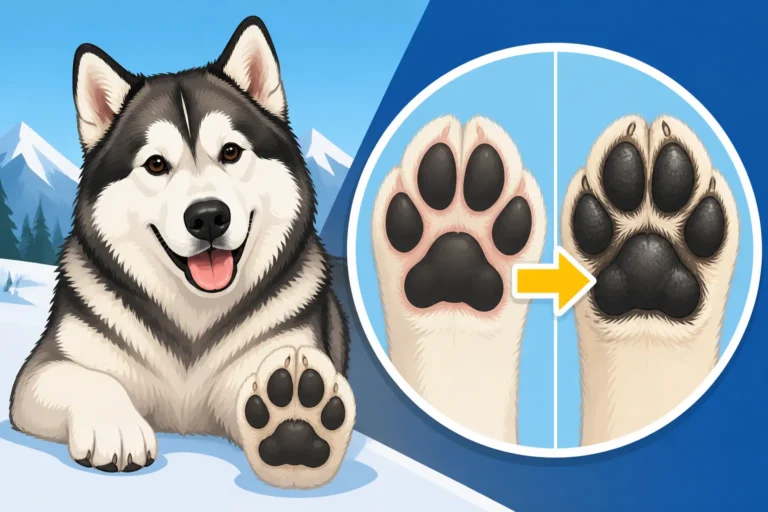
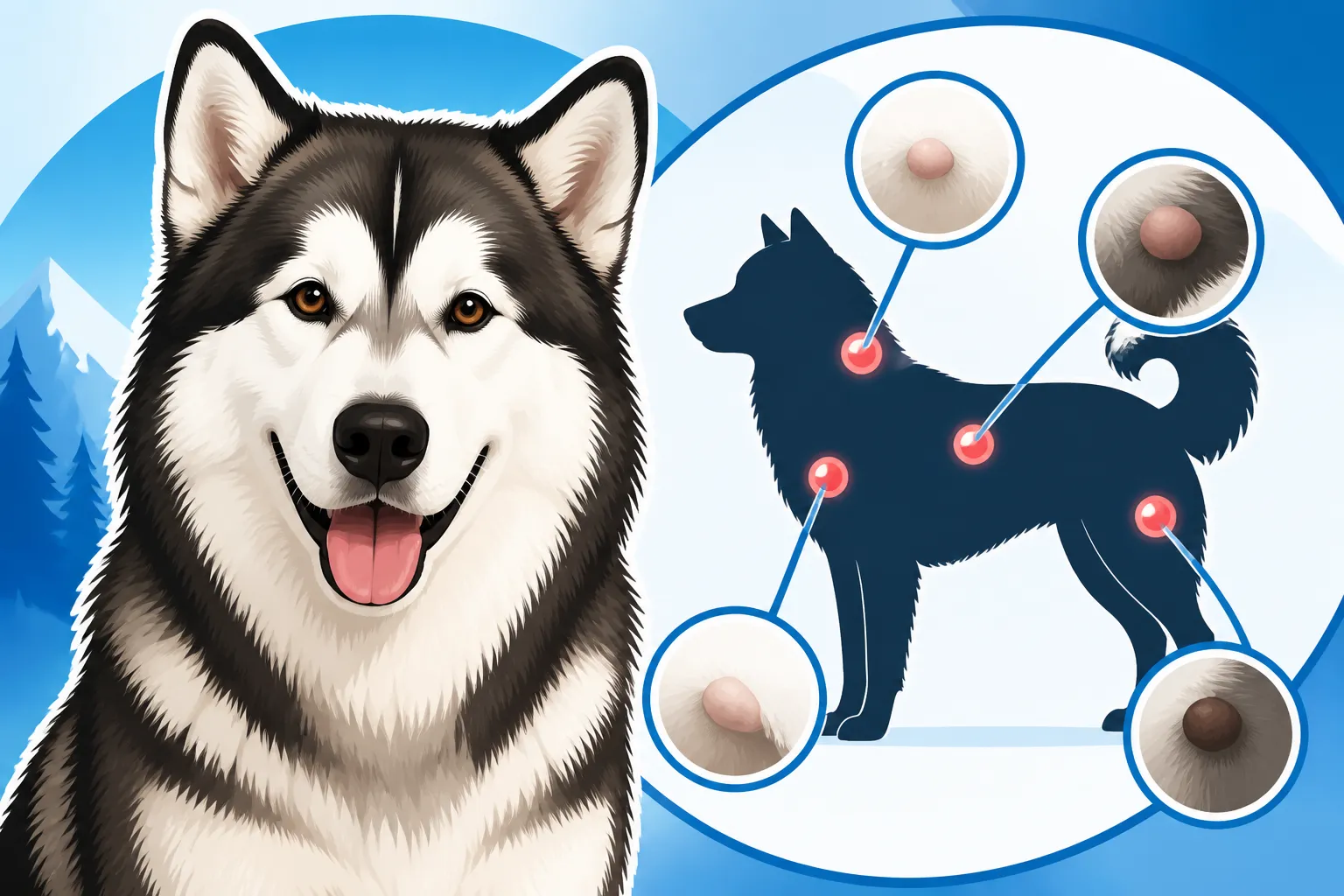
Where is the lump located? Is it on the torso, a leg, the head, or perhaps in a less common spot like the paw pad or inside the mouth? The location can sometimes narrow down the possibilities. For instance, lumps in the armpit or groin could indicate swollen lymph nodes. Is it a single lump, or are there multiple lumps clustered together or spread across the body? While a single lump can be concerning, multiple lumps might point to something more systemic or several independent benign growths. Keeping a log of when you first noticed it and its exact position, perhaps even taking a photo for future comparison, can be incredibly helpful for tracking its progression or lack thereof.
Changes Over Time and Associated Symptoms
How long has the lump been there? Did it appear suddenly, or has it been growing slowly over weeks or months? Has its size or consistency changed since you first noticed it? Is your Malamute showing any other symptoms related to the lump? Is it bothering them? Are they licking, biting, or scratching at it constantly? Is the skin over the lump red, inflamed, or losing hair? Is it warm to the touch? Any signs of pain or discomfort when you touch the lump should be noted. Also, observe your Malamute's general demeanor: are they still eating normally, full of energy, and otherwise acting themselves? Or have you noticed a decrease in appetite, lethargy, or other changes that might indicate a systemic issue?
For instance, a lump that appears suddenly, is warm, painful, and rapidly growing could be an abscess, a pocket of infection that needs immediate attention. On the other hand, a slow-growing, soft, movable lump in an older Malamute might very well be a benign fatty tumor. Regardless of your observations, it's always best to consult your vet for a definitive diagnosis.
Common Benign Lumps on Alaskan Malamutes
It's a huge relief when a scary lump turns out to be nothing serious. While only a vet can make that call, knowing about common benign lumps can help manage initial anxiety. Many of these are harmless, though some might still require removal if they grow too large or bother your Malamute.
Lipomas: The Fatty, Harmless Bumps
Lipomas are probably the most common type of benign lump you'll encounter, especially as your Alaskan Malamute gets older. These are essentially just fatty tumors, and they feel exactly how you'd expect: soft, squishy, and usually very mobile under the skin. You can often push them around quite easily. They can vary in size from a small pea to a large grapefruit. While they're generally harmless, a vet might recommend removal if they grow to an inconvenient size, restricting movement, or if their location makes them prone to irritation, for example, under the leg. Keep in mind that not all soft, movable lumps are lipomas, so don't self-diagnose! This is especially important as your Malamute enters their senior years, which can start around the age of The Age an Alaskan Malamute Counts as a Senior.
Sebaceous Cysts and Other Skin Cysts
Imagine a clogged pore, but on a much grander scale. That's essentially what a sebaceous cyst is. These occur when a sebaceous gland, which produces oil for the skin and coat, gets blocked. The oil and dead skin cells build up, forming a palpable lump. They can range from soft to firm and might feel like a sac under the skin. Sometimes, they can rupture, releasing a cheesy, foul-smelling substance. While generally benign, ruptured cysts can become infected and might need veterinary attention to clean and prevent further issues. Other types of cysts can also appear, such as follicular cysts or apocrine cysts, all generally benign but can become problematic if they get irritated or infected. A related condition, though presenting differently as crusty skin, might be Zinc Responsive Dermatosis in an Alaskan Malamute, so it's good to be aware of various skin issues.
Warts, Skin Tags, and Histiocytomas
- Warts (Papillomas): These are caused by viruses and typically appear as small, cauliflower-like growths. They are more common in young dogs, particularly around the mouth or eyes, and often regress on their own as the dog's immune system matures. In older dogs, they might persist.
- Skin Tags: These are small, fleshy growths that hang off the skin. They are usually soft and benign, often appearing in areas where skin rubs, like armpits or groin. They are generally harmless but can be removed if they get caught or irritated.
- Histiocytomas: These are benign skin tumors, most commonly seen in young Alaskan Malamutes, typically under two years old. They usually appear as red, button-like lesions that can be hairless and grow quickly. The good news is that most histiocytomas regress on their own within a few months, often disappearing completely without intervention. However, they can be mistaken for more serious growths, so a vet check is always recommended to confirm.
Concerning Lumps: When to Worry and What They Might Be
While many lumps are benign, some can be indicative of more serious conditions, including various forms of cancer. It's crucial to understand which characteristics warrant immediate attention and what some of these more concerning lumps might be. Early detection significantly improves prognosis for many malignant conditions.
Mast Cell Tumors: The Great Impostors
Mast cell tumors are one of the most common skin cancers in dogs, and they are notorious for being "the great impostors" because they can look and feel like almost anything. They can be soft or firm, raised or flat, and often appear as a solitary lump. They might even seem to wax and wane in size, which is a classic, though not exclusive, sign. This unpredictable nature means that any new lump on your Malamute should be evaluated, especially if it's changing or irritating them. Mast cells are found throughout the body, so these tumors can appear internally as well, though skin masses are most common. Because they can vary so much, prompt veterinary examination and diagnostic testing are essential.
Lymphoma: Swollen Lymph Nodes and Skin Manifestations
Lymphoma is a cancer of the lymphatic system, which is a crucial part of the immune system. While it often presents as generalized enlargement of lymph nodes (which are palpable in areas like the neck, armpits, and groin), it can also manifest as skin lesions. Cutaneous lymphoma can appear as single or multiple lumps, plaques, or generalized redness and scaling. These skin lesions can be itchy and can progress over time. If you feel any enlarged, firm, non-painful lymph nodes on your Malamute, or notice unusual, persistent skin lesions, it's a clear signal to see your vet without delay. Understanding the various health challenges your Malamute might face throughout The Ten to Fourteen Years an Alaskan Malamute Lives helps in being vigilant about all health changes.
Soft Tissue Sarcomas and Melanoma
- Soft Tissue Sarcomas: This is a broad category of malignant tumors that can arise from connective tissues like fat, muscle, or fibrous tissue. They often feel firm and are typically fixed or poorly movable beneath the skin. They tend to infiltrate surrounding tissues, making surgical removal challenging. Early detection is key here for successful treatment.
- Melanoma: While often associated with dark-pigmented skin, melanoma can appear as black, brown, gray, or even pink (amelanotic) lesions. They can be found anywhere on the body, but are particularly aggressive when found in the mouth, on the paw pads, or around the nail beds. These often appear as raised, firm masses. Any dark, changing lesion, especially in these high-risk areas, should be checked immediately.
Remember, the appearance of a lump doesn't automatically mean it's malignant. However, because of the potential for serious conditions, it is always best to have any new lump or persistent skin change checked by a veterinarian. This proactive approach is part of responsible Malamute ownership.
The Vet Visit: Diagnosis and Treatment Options
Once you've made the call to your veterinarian, you're taking the most important step towards understanding and addressing the lump. The vet's job is to accurately diagnose the lump, and then discuss the best course of action. This process usually involves a physical exam, followed by diagnostic tests, and finally, a treatment plan tailored to your Malamute's specific situation.
Diagnostic Tools: From FNA to Biopsy
Your vet will start with a thorough physical examination, feeling the lump and assessing your Malamute's overall health. Don't be surprised if they ask about other aspects of your Malamute's health, even seemingly unrelated ones, as they build a full picture. The first diagnostic step for a lump is often a Fine Needle Aspirate (FNA). This involves using a small needle to collect a sample of cells from the lump. The cells are then spread on a slide and examined under a microscope (cytology). An FNA is quick, minimally invasive, and often provides immediate answers, especially for lipomas or cysts. However, it's not always definitive, as some tumors don't shed cells easily, or the sample might not be representative.
If the FNA is inconclusive or suggests a more serious condition, your vet might recommend a biopsy. A biopsy involves surgically removing a small piece (incisional biopsy) or the entire lump (excisional biopsy) for histopathological examination by a veterinary pathologist. This provides a more definitive diagnosis, including the type of cells, whether they are benign or malignant, and the grade of the tumor if it's cancerous. Depending on the lump's location and nature, your vet might also suggest imaging like X-rays, ultrasound, or even a CT scan to see if the lump is superficial or connected to deeper structures, or if there's any spread to internal organs. This is especially true if considering procedures like a gastropexy for a Malamute which is sometimes done at neuter, where vets often assess internal organ health.
Treatment Paths: Surgery, Medication, or Monitoring
Based on the diagnosis, your vet will discuss treatment options. For benign lumps like small lipomas or cysts that aren't causing problems, the recommendation might simply be monitoring. You'll be advised to keep an eye on the lump for any changes in size, shape, or texture, and report back if anything concerning develops. This can save you unnecessary costs and stress.
If the lump is causing discomfort, growing rapidly, or is diagnosed as malignant, surgical removal is often the primary treatment. The extent of surgery will depend on the type and aggressiveness of the tumor. For malignant tumors, wider margins of healthy tissue might be removed to ensure all cancerous cells are gone. In some cases, especially for certain types of cancer or if surgery isn't feasible, other treatments like chemotherapy or radiation therapy might be recommended. Your vet will explain the pros and cons of each approach, the potential side effects, and the prognosis. The costs associated with these advanced treatments can be substantial, so having pet insurance from providers like Healthy Paws can be a real lifesaver, helping to cover a significant portion of unexpected veterinary bills.
The Importance of Follow-Up and Prevention
Even after a lump is treated, follow-up appointments are crucial to ensure your Malamute is recovering well and to check for recurrence or the development of new lumps. Regular health checks, including thorough physical exams by your vet at least once a year (more often for senior Malamutes), are your best defense against serious health issues. During these exams, your vet can feel for subtle changes you might miss.
Additionally, don't forget the importance of proper nutrition, exercise, and preventative care. While you can't prevent all lumps, a healthy lifestyle supports overall immune function. It's also vital to ensure that if you're considering a Malamute puppy, you ask about the health tests both parents have undergone, as this can give insight into predispositions for certain conditions. When facing potentially expensive diagnostics or treatments, remember that pet insurance, such as a plan from Healthy Paws, offers financial peace of mind. They can help cover everything from diagnostic tests like FNAs and biopsies to more intensive treatments like surgery or chemotherapy.
| Lump Type | Typical Feel | Common Location | Common Age Group | Action Recommended |
|---|---|---|---|---|
| Lipoma | Soft, squishy, mobile | Torso, legs | Older Malamutes | Vet check, often monitoring; removal if large/bothersome |
| Sebaceous Cyst | Soft to firm, sac-like | Anywhere on skin | Any age | Vet check, possible drainage/removal if infected |
| Histiocytoma | Red, firm, button-like | Head, ears, limbs | Young Malamutes | Vet check, often resolves on its own |
| Wart/Skin Tag | Fleshy, cauliflower-like | Mouth, eyes, skin folds | Young/Old Malamutes | Vet check, usually monitoring; removal if irritated |
| Abscess | Firm, painful, warm, rapid | Anywhere | Any age | Immediate vet visit for drainage/antibiotics |
| Mast Cell Tumor | Variable, "wax & wane" | Anywhere on skin | Any age | Prompt vet visit, FNA/biopsy crucial |
| Lymphoma (cutaneous) | Lumps, plaques, red areas | Anywhere on skin, lymph nodes | Any age | Prompt vet visit, biopsy/further diagnostics |
| Soft Tissue Sarcoma | Firm, fixed, infiltrative | Anywhere | Any age | Prompt vet visit, aggressive treatment likely |
| Melanoma | Dark, raised, firm | Mouth, paw pads, nail beds | Any age | Prompt vet visit, aggressive treatment likely |
Staying informed and working closely with your veterinarian is the best approach to ensure your beloved Alaskan Malamute lives a long, healthy, and happy life, free from the worries of unexplained lumps. Even seemingly small issues like a Malamute's voice change might mean nerve disease, so always be attentive to any alterations in your dog's well-being. Proactive care, backed by a good pet insurance policy like those offered by Healthy Paws, gives you the best chance to handle whatever comes your way.
Disclaimer
The information provided in this article is for general informational purposes only and is not intended as a substitute for professional veterinary advice. Always consult with a qualified veterinarian regarding any health concerns or before making any decisions about your Alaskan Malamute's care.