Whether a Day Blind Malamute Squints Outdoors
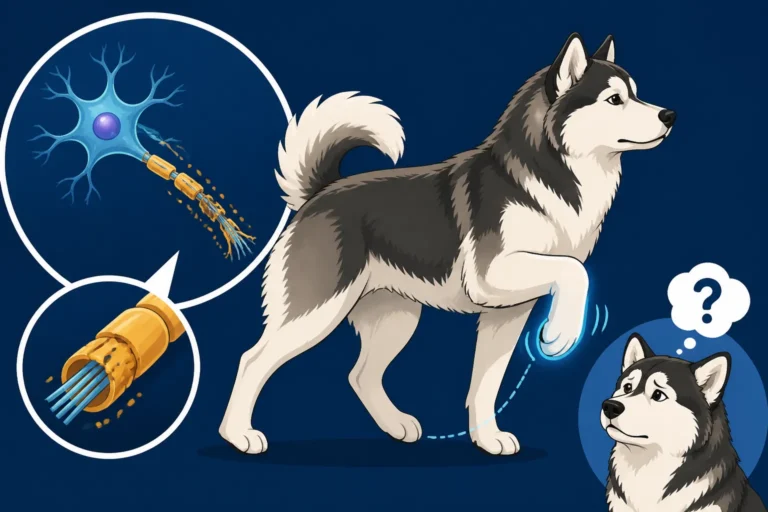
It’s truly unsettling to watch your usually robust Alaskan Malamute struggle or seem uncomfortable in bright daylight, especially when they start to squint or hesitate in familiar outdoor settings. This particular behavior, often observed in bright sunlight, can be a clear indicator of a challenging genetic condition known as Day Blindness (CNGB3 cone degeneration). This guide will delve into why a day blind Malamute squints outdoors, what this means for their daily life, and how you can support your furry family member.
Understanding Day Blindness in Alaskan Malamutes
Day Blindness, or Cone-Rod Dystrophy Type 1 (CRD1) in Alaskan Malamutes, is a fascinating yet heartbreaking genetic condition. It specifically affects the cone photoreceptor cells in a dog's retina, which are responsible for vision in bright light and for color perception. While dogs don't rely on color vision as much as humans, their ability to see clearly and navigate confidently in well-lit environments is significantly impacted when these cone cells aren't functioning correctly.
Imagine trying to walk around on a sunny day with constant glare, where everything is washed out and fuzzy. That’s a bit like what a dog with Day Blindness experiences. It’s not just a minor inconvenience; it can be truly disorienting and stressful for them. This condition is inherited in an autosomal recessive pattern, meaning a puppy must inherit a copy of the faulty gene from both parents to be affected. If they only inherit one copy, they are considered a carrier but will not show symptoms themselves. Understanding what Day Blindness Does to a Malamute is the first step toward compassionately addressing their needs. The good news is that advancements in genetic testing have made it possible to identify carriers and affected dogs, significantly reducing the prevalence of this condition in responsible breeding programs.
Historically, this condition could be a real problem, with affected puppies often going undiagnosed until their struggles became obvious. Now, thanks to dedicated research and genetic testing, breeders have a powerful tool to make informed decisions. The CNGB3 Test for Malamute Day Blindness, for instance, allows breeders to screen their dogs and avoid breeding two carriers together, thereby preventing affected puppies from being born. This proactive approach has been instrumental, and the efforts behind it have meant that Day Blindness and the CNGB3 Test That Nearly Ended It in Malamutes truly tell a story of scientific progress improving canine welfare.
The Tell-Tale Signs: Why a Day Blind Malamute Squints Outdoors
The most overt and often first noticed symptom of Day Blindness in an Alaskan Malamute is precisely what brings many owners concern: persistent squinting when exposed to bright outdoor light. It’s not just a momentary blink; it's a sustained effort to reduce the amount of light entering their eyes. Think about how you squint when stepping out into intense sunlight without sunglasses – it’s a similar mechanism, but for a day blind Malamute, that discomfort doesn't subside, and their vision remains compromised.
This squinting is a direct physiological response. Their eyes are hypersensitive to the light, and by narrowing their eyelids, they're instinctively trying to block out some of the overwhelming brightness. This also has the effect of slightly sharpening what little vision they have by reducing scatter. But it’s not just squinting. Owners often describe their day blind Malamutes exhibiting a range of behaviors that clearly indicate discomfort and visual impairment in daylight. They might become hesitant to move, bumping into familiar objects, or showing an unusual reluctance to venture out from shaded areas into direct sun. They might walk with their head lowered, avoiding direct light, or exhibit an almost clumsy gait in bright conditions.
You might notice that your Malamute, who is usually so confident and agile, seems to lose their footing or misjudge distances when the sun is high. This is because their ability to perceive depth and detail is severely hampered. It's heartbreaking to see your dog struggle where others thrive. This visual impairment leads to a significant reduction in their confidence and enjoyment of outdoor activities during the day. This is a common experience, and understanding How a Day Blind Malamute Behaves in Sunlight can help you distinguish between normal light sensitivity and a genuine vision problem. Contrast this with their behavior as dusk approaches or indoors, where their rod cells, responsible for low-light vision, function normally. It’s almost like they have two different modes of vision, which is why a day blind Malamute Sees Better at Dusk, often transforming from a hesitant, disoriented dog to a much more confident and playful companion once the sun begins to set. It truly underscores the specific nature of this condition.
| Behavior Trait | Healthy Malamute in Bright Sun | Day Blind Malamute in Bright Sun |
|---|---|---|
| Squinting | Occasional, momentary | Persistent, pronounced |
| Navigation Outdoors | Confident, agile, no hesitation | Hesitant, bumping into objects, slow movement |
| Pupil Dilation | Constricts normally | Often widely dilated, struggling to constrict fully |
| Preference for Light | Enjoys sunny spots | Seeks shade, avoids direct sun |
| Activity Level | Normal to high | Reduced, sluggish, less playful |
| Behavior at Dusk/Indoors | Normal | Marked improvement in confidence and movement |
Managing Life for a Day Blind Malamute: Practical Steps and Support
Living with a day blind Malamute means making some thoughtful adjustments to ensure their comfort and safety. While there's currently no cure for CNGB3 cone degeneration, the good news is that the condition is generally non-progressive, meaning it won't get worse over time once it manifests. The focus then shifts to management and creating an environment where your Malamute can thrive despite their limitations.
One of the simplest yet most effective strategies is to adjust your daily routine. If your Malamute struggles in bright daylight, plan walks and outdoor playtime for early mornings, late evenings, or even after sunset. These times offer lower light conditions where their vision is much more functional. Providing ample shaded areas in your yard is also crucial, offering them a safe and comfortable retreat when they do need to be outdoors during the day. This simple step can make a world of difference in their outdoor enjoyment and reduce their stress.
For those times when your Malamute absolutely must be out in brighter conditions, specialized dog goggles, often called "doggles," can be incredibly helpful. These are designed to fit a dog's face comfortably, providing UV protection and reducing glare, much like sunglasses do for humans. It might take a little patience to get your Malamute used to wearing them, but the relief they offer can be immense. It's a small investment that can significantly improve their quality of life. Owners often wonder Whether Sunglasses Help a Day Blind Malamute, and while not traditional human sunglasses, doggles serve this very purpose. When you're facing a diagnosis like day blindness, having a good pet insurance plan, like one from Healthy Paws, can really ease the financial burden of diagnostic tests and specialist consultations, allowing you to explore all options for their comfort, including specialized gear.
Beyond environmental adjustments and protective gear, regular veterinary check-ups are paramount. Even though day blindness itself doesn't progress, routine eye exams help ensure there aren't any secondary issues or other unrelated eye conditions developing. Your vet can offer further guidance on managing the condition and discuss any new therapies or aids that might become available. Ongoing vet check-ups are key, and a robust insurance policy from a provider like Healthy Paws can give you peace of mind that you're covered for these important appointments. Many owners are relieved to know that Whether a Day Blind Malamute Can Live Normally is largely dependent on thoughtful management and adaptation on the part of their human family.
The Impact of Day Blindness on Quality of Life and Breeding
The primary impact of Day Blindness on a Malamute's quality of life is the limitation it places on their daytime activities. An affected dog may be less enthusiastic about outdoor play, walks, or even just lounging in a sunny spot in the yard. However, with consistent management and understanding from their owners, these dogs can still lead very fulfilling lives. It simply requires a shift in perspective and routine. Instead of focusing on what they can't do during the day, focus on enhancing their experiences during the times when their vision is optimal. Evening adventures, indoor games, and scent work can all provide mental and physical stimulation without the visual stress.
This condition is non-progressive; a puppy with Day Blindness will not lose all vision or experience worsening symptoms beyond the initial manifestation. This is a crucial distinction and offers comfort to owners. Therefore, Whether Day Blindness Progresses in a Malamute can be confidently answered with "no." This knowledge helps owners plan for the long term, knowing what to expect and how to consistently provide care for many years, much like Caring for an Alaskan Malamute Past Eight might involve managing other age-related conditions. Even for a condition like day blindness which isn't progressive, routine eye exams are important, and many owners find that coverage from Healthy Paws helps with these preventative measures.
On the breeding front, the existence of a reliable genetic test has been a game-changer. Responsible breeders have made tremendous strides in identifying carriers and avoiding at-risk breedings. This commitment to genetic health means that the incidence of Day Blindness is significantly lower than it once was. Whether Screening Has Nearly Eliminated Malamute Day Blindness is a question that, thankfully, has a largely positive answer, demonstrating the power of informed breeding decisions. It underscores why The Health Tests Both Alaskan Malamute Parents Should Have are so critical before any breeding takes place, and why you, as a prospective puppy owner, should always ask to see proof of these health clearances. Specifically, inquiring Whether a Malamute Puppy Should Be Tested for CNGB3 is a perfectly valid and responsible question to ask your breeder.
Disclaimer
This article is for general informational purposes only and does not constitute professional advice. Laws, prices and regulations vary by location and change over time. Consult a qualified professional for guidance on your specific situation.