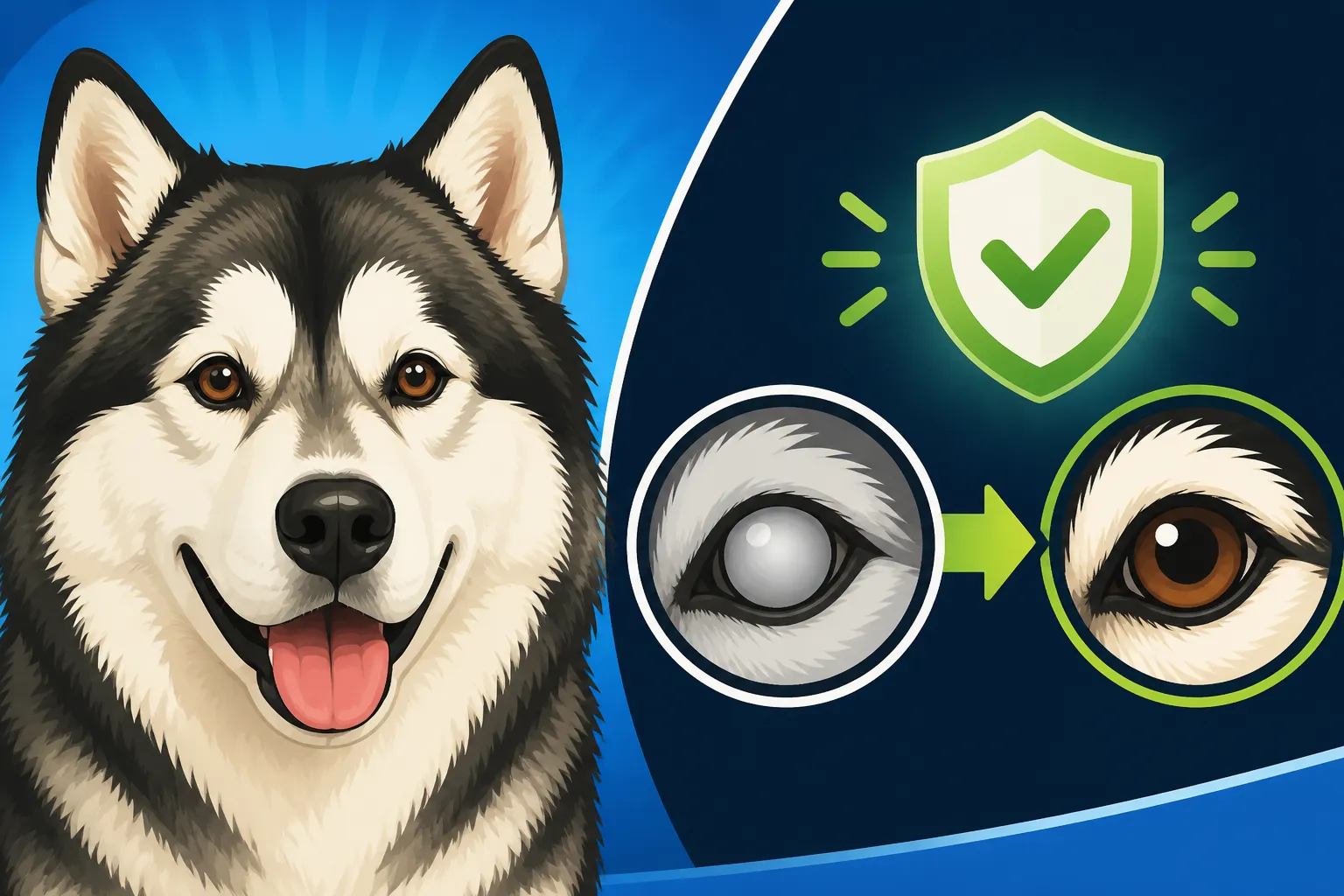
Whether Screening Has Nearly Eliminated Malamute Day Blindness
Few things are as heartbreaking for an Alaskan Malamute owner as discovering their beloved companion might suffer from a debilitating genetic condition. The fear of an inherited disease can overshadow the joy of bringing a new puppy home. Thankfully, for a condition like Day Blindness, or cone degeneration, dedicated efforts in genetic screening have profoundly impacted its prevalence, offering immense relief and hope for the breed's future. This guide will delve into what Day Blindness is, the revolutionary CNGB3 test, and whether responsible breeding has truly pushed this disease to the brink of eradication in Alaskan Malamutes.
Understanding Canine Day Blindness Cone Degeneration in Malamutes
Canine Day Blindness, scientifically known as cone degeneration, is a cruel condition that specifically affects the photoreceptor cells in a dog's eyes called cones. These cones are responsible for vision in bright light and color perception. Imagine trying to navigate the world when the sun is out, but everything is a blinding blur, or you simply can't process the details needed to move safely. That's essentially what an affected Malamute experiences.
The onset of this inherited disorder typically becomes apparent during puppyhood, often between 8 and 12 weeks of age. Owners might first notice their otherwise boisterous puppy becoming hesitant or clumsy when outside on a sunny day. They might squint excessively, bumping into familiar objects or struggling to track toys thrown in daylight. It's a stark contrast to their behavior indoors or during dusk, when their rod cells, which handle low-light vision, allow them to see relatively normally. This explains Why a Day Blind Malamute Sees Better at Dusk. The disease is not painful, but it severely impacts a dog's quality of life, especially for an active breed like the Malamute that thrives on outdoor adventures.
Day Blindness in Malamutes is an autosomal recessive inherited trait. This means that a puppy must inherit two copies of the faulty gene – one from each parent – to be affected. Dogs that inherit only one copy are considered carriers; they show no symptoms themselves but can pass the gene on to their offspring. This genetic pathway is why screening parents is so vital to preventing affected puppies. Without screening, a breeding pair of two healthy-looking carriers could produce a litter where 25% of the puppies are affected, 50% are carriers, and only 25% are clear.
The CNGB3 Test A Game-Changer for Malamute Day Blindness
For years, breeders faced the agonizing challenge of trying to eradicate genetic diseases like Day Blindness through observation and pedigree analysis, which was often a guessing game. Then came the scientific breakthrough: the development of the CNGB3 gene test. This DNA test specifically identifies the genetic mutation responsible for cone degeneration in Alaskan Malamutes, offering a clear and definitive way to determine a dog's genetic status. This test, often referred to as The CNGB3 Test for Malamute Day Blindness, changed everything for responsible breeders.
The beauty of the CNGB3 test lies in its simplicity and accuracy. It typically involves a non-invasive cheek swab or a blood sample taken by a veterinarian. These samples are then sent to a specialized veterinary genetics laboratory for analysis. The results are straightforward:
- Clear: The dog does not carry the mutation and cannot pass it on to offspring.
- Carrier: The dog carries one copy of the mutation but will not develop Day Blindness. They can pass the mutation to 50% of their offspring.
- Affected: The dog has two copies of the mutation and will develop (or has already developed) Day Blindness. They will pass the mutation to 100% of their offspring.
With this information in hand, ethical breeders can make informed decisions. They can confidently breed two "clear" dogs and know their puppies will also be clear. They can also safely breed a "carrier" dog with a "clear" dog, knowing that while some puppies might be carriers, none will be affected by the disease. This careful genetic management is the cornerstone of reducing the incidence of inherited conditions. Reputable breeders will be more than happy to share the results of such tests, as part of The Health Tests Both Alaskan Malamute Parents Should Have.
The cost of this test is relatively low, especially when weighed against the significant emotional distress and potential veterinary expenses that come with caring for an affected dog. While pet insurance providers like Healthy Paws can offer financial relief for unexpected illnesses, preventing a genetic disease through screening is always the most humane and responsible approach. The fact that such an accessible test exists has been a true blessing for the breed.
Impact of Screening Has it Nearly Eliminated the Disease?
So, the big question: has this remarkable screening tool, the CNGB3 test, nearly eliminated Day Blindness in Alaskan Malamutes? The answer, in short, is a resounding yes, largely. For a disease that once posed a significant threat to the breed, responsible breeding practices utilizing the CNGB3 test have dramatically reduced its occurrence. In many parts of the world, it's now quite rare to encounter an Alaskan Malamute affected by Day Blindness from a reputable breeder.
The success story of the CNGB3 test is a testament to the power of genetic screening and the dedication of breeders who prioritize health. When breeders know the genetic status of their dogs, they can confidently make pairing choices that ensure no affected puppies are produced. This diligence has essentially broken the chain of inheritance for Day Blindness within well-managed breeding programs. You'll find many breeders openly share their DNA results, and savvy buyers should always ask for them. This transparency is key to the ongoing health of the breed.
However, "nearly eliminated" doesn't mean "completely gone." There are still a few scenarios where Day Blindness might sadly emerge:
- Untested Breeding Stock: Unfortunately, not all breeders are equally committed to genetic health. Dogs from backyard breeders or puppy mills, where health testing is often overlooked, may still carry and pass on the CNGB3 mutation, leading to affected puppies. This is why it's crucial to always choose a breeder who performs all recommended health screenings.
- Older Generations: Before widespread testing became available, carrier dogs were unknowingly bred, and their lines might still exist outside of well-screened populations.
- Rescue Dogs: While rescues do incredible work, the genetic history of many rescued Malamutes is unknown. A rescue might occasionally have a dog or puppy affected by Day Blindness because their parents were not screened.
For these reasons, the vigilance cannot stop. As long as the gene exists, even at a low frequency, continued screening remains essential. Just because the incidence is low doesn't mean Whether Day Blindness Still Occurs in Malamutes is a definitive 'no' across the board. Every breeding dog should undergo the CNGB3 test to ensure this progress is maintained and reinforced. This proactive approach prevents heartbreak for future owners and upholds the health standards of the Alaskan Malamute breed.
Comparing Screening Success
It’s worth noting that the success with Day Blindness isn't always mirrored in other inherited conditions. Some diseases have more complex genetic bases, involve multiple genes, or lack a single, definitive DNA test. For example, conditions like hip dysplasia are polygenic and influenced by environmental factors, making them much harder to eliminate solely through genetic screening.
The clear, recessive inheritance pattern of Day Blindness, coupled with an accurate and accessible DNA test, created a perfect storm for successful eradication efforts. This makes it a shining example of how science and responsible breeding can work hand-in-hand to improve the lives of our beloved canine companions. The availability of precise genetic tests, such as the CNGB3, stands in contrast to the broader, more general health certifications like OFA for hips and elbows, which assess physical structure rather than genetic code directly.
The Ongoing Responsibility of Breeders and Owners
The journey to nearly eliminate Day Blindness from the Alaskan Malamute breed has been a remarkable success, but it's an ongoing effort that relies heavily on the continued commitment of both breeders and prospective owners. This isn't a "one and done" situation; maintaining the health gains requires persistent diligence.
For breeders, the responsibility is clear: every breeding Malamute should be DNA tested for the CNGB3 mutation. This isn't just a suggestion; it's a fundamental ethical practice. By knowing the genetic status of their dogs, breeders can prevent the birth of affected puppies and reduce the frequency of the carrier gene in the population over time. Transparent breeders will readily share their dogs' test results, often listing them on their websites or providing copies to potential puppy buyers. If a breeder is hesitant or claims testing isn't necessary because Day Blindness is "gone," it should raise a red flag. [Whether a Malamute Buyer Can See the Breeder's Results] is a question you should always feel empowered to ask.
| CNGB3 Test Result | Genetic Status | Will Develop Day Blindness | Breeding Recommendation |
|---|---|---|---|
| Clear | N/N | No | Can be bred to any dog. |
| Carrier | N/CD | No | Only breed to a "Clear" dog (N/N) to avoid affected puppies. |
| Affected | CD/CD | Yes | Should not be bred. |
For prospective Malamute owners, your role is equally crucial. Before bringing a puppy home, demand proof of genetic screening for both parents, including the CNGB3 test. Don't just take a breeder's word for it; ask to see the official documentation from a reputable genetics lab. This simple step ensures you're not inadvertently contributing to the problem by supporting breeders who aren't committed to health testing. Asking about Whether a Malamute Puppy Should Be Tested for CNGB3 is a good starting point for a conversation with a breeder.
Furthermore, supporting breed clubs and organizations that advocate for mandatory health testing helps to reinforce these standards across the entire breed community. These groups often work to gather and share data, educating breeders and the public about inherited diseases. Pet health insurance, such as Healthy Paws, can certainly provide peace of mind for unforeseen accidents or illnesses, but it's important to remember that preventing genetic diseases through responsible breeding is the first and best line of defense. The long-term goal is for genetic diseases like Day Blindness to become so rare that future generations of Malamutes can live lives unburdened by preventable suffering.
Disclaimer
The information provided in this article is for educational and informational purposes only and does not constitute veterinary advice. Always consult with a qualified veterinarian for any health concerns or before making any decisions about your pet's health or treatment.