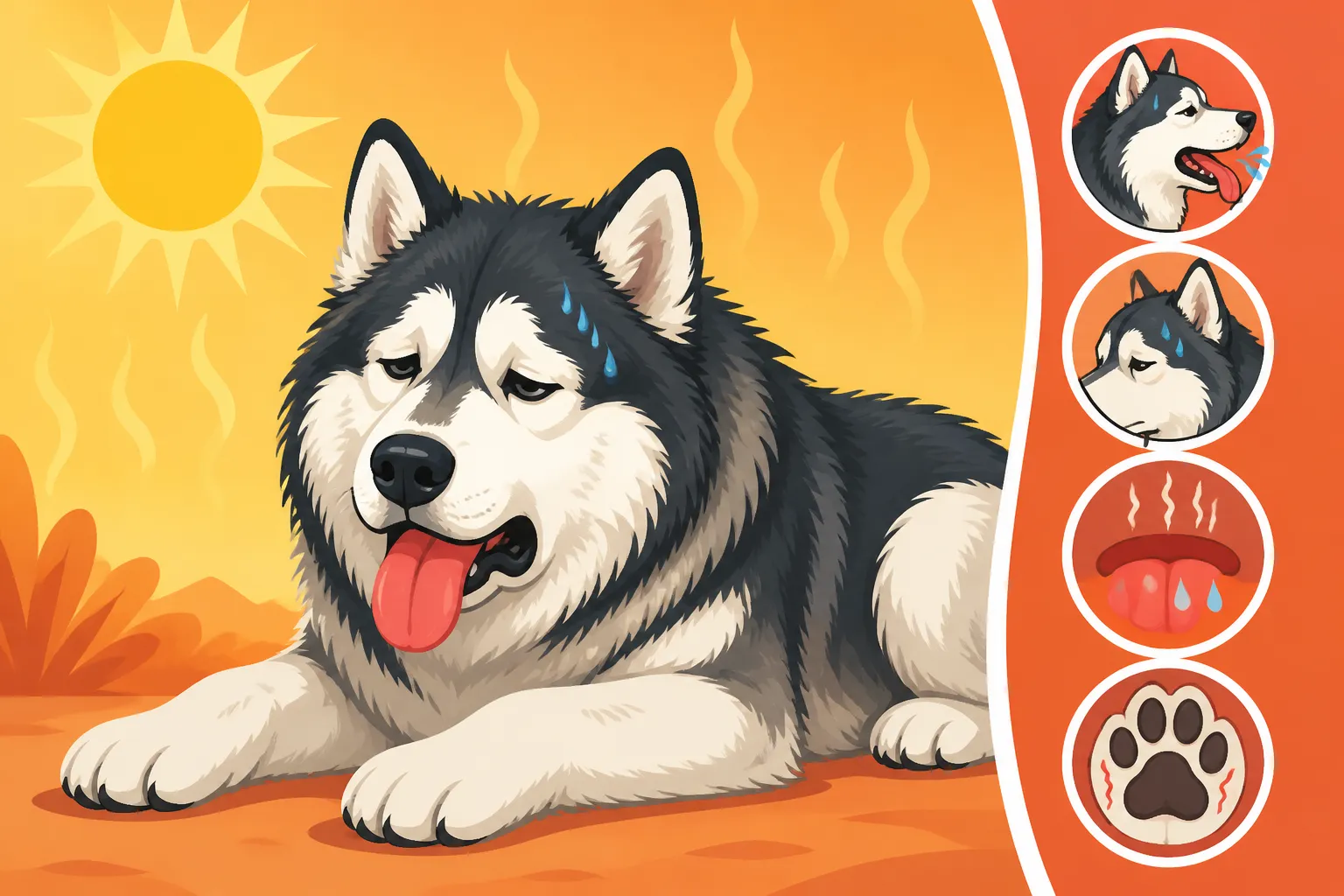
Signs an Alaskan Malamute Is Overheating
The chilling reality for many Alaskan Malamute owners is the constant worry about overheating, a danger that can strike silently and progress rapidly. These magnificent dogs, built for the freezing Arctic, simply aren't designed for warm climates or intense exercise in anything but cold conditions, and recognizing the subtle signs that your furry companion is struggling can literally be a matter of life and death. This comprehensive guide will walk you through everything you need to know about spotting the signs of overheating in your Malamute, from the earliest, most easily missed indicators to the critical symptoms that demand immediate veterinary attention, equipping you to act swiftly and confidently.
Understanding Why Malamutes Overheat Easily
It's truly unfair, isn't it? Our big, fluffy Malamutes look so regal and powerful, but underneath all that glorious fur lies a physiology uniquely adapted to cold, making them incredibly vulnerable to heat. It’s not just about how warm it feels to us; their bodies are constantly working against themselves in anything above a brisk chill.
The Double Coat's Role in Heat Retention
Let's talk about that magnificent coat. An Alaskan Malamute boasts one of the densest double coats in the canine world. It consists of a thick, oily, woolly undercoat and coarse guard hairs. In their ancestral Arctic environment, this coat is a marvel of insulation, trapping warm air against their skin and keeping bitter cold out, even allowing them to comfortably Whether a Malamute Sleeps in the Snow by Choice. It's designed to insulate so effectively that heat doesn't escape easily. However, this remarkable adaptation becomes their Achilles' heel when temperatures rise. Instead of keeping cold out, it keeps heat in, turning their glorious insulation into a suffocating blanket. Even when they've blown their coat, the remaining fur still offers significant insulation. Understanding How Much Undercoat Comes Off an Alaskan Malamute helps appreciate the sheer volume of insulating material we're talking about.
Efficient Metabolism and Exercise
Malamutes were bred for endurance, for pulling heavy freight loads over long distances in brutal conditions. This means they have an incredibly efficient metabolism that generates a lot of internal heat during physical activity. Unlike a sleek, short-haired dog that might dissipate heat quickly, a Malamute's body is built to retain heat and convert food efficiently into energy for sustained work. When they engage in vigorous exercise, especially in warmer weather, this internal furnace kicks into overdrive. The combination of their active metabolism and insulating coat creates a dangerous internal feedback loop where their body temperature can climb rapidly and dangerously. Even what seems like a normal walk for other breeds can be overexertion for a Malamute in less-than-ideal temperatures.
Geographic Disadvantage
Think about where the Alaskan Malamute originated: the frigid regions of Alaska. Their entire evolutionary history screams "cold." Today, many Malamutes live in climates far removed from their native lands, experiencing summers that are simply too hot for their physiology. Living in a place like Phoenix, Arizona, or even the humid southern states, puts them at a constant disadvantage. Owners in these regions face an uphill battle to keep their dogs safe and comfortable. It's a fundamental mismatch between breed and environment, and it's why Summer Is the Season That Kills Alaskan Malamutes is not an exaggeration but a tragic reality if proper precautions aren't taken. Understanding Whether an Alaskan Malamute Belongs in a Warm Climate is crucial for responsible ownership.
Subtle Early Warning Signs of Overheating
The insidious thing about overheating in Malamutes is that they often try to push through discomfort, a trait inherited from their working dog ancestors who had to keep going to survive. This means you need to be highly attuned to subtle cues, especially since Why a Malamute Shows Nothing Until It Cannot Work. Catching these early signs can prevent a full-blown emergency.
Changes in Behavior and Demeanor
One of the first things you might notice is a shift in their usual behavior. Your normally enthusiastic Malamute might seem unusually subdued or reluctant to move. They might seek out cool, tiled floors, patches of shade, or even try to dig a cool hollow in the dirt, which is a natural cooling instinct. They might appear restless, unable to settle, or conversely, be unusually lethargic and slow to respond. This isn't just "being a lazy Malamute"; it's a sign their body is working hard to regulate temperature and they're conserving energy. Keep a close eye on their activity levels, especially if you've been outside. A sudden disinterest in a favorite toy or a missed meal could also be a red flag.
Excessive Panting and Drooling
Panting is a dog's primary way to cool down, as they don't sweat like humans do across their skin. However, there's a difference between normal panting after a burst of play and excessive, labored panting that signals distress. If your Malamute's panting becomes very rapid, shallow, and persistent, even after they've stopped exerting themselves, it’s a warning. Their tongue might appear wider, almost flattened, as they try to maximize surface area for evaporation. Accompanying this might be excessive drooling, with thick, stringy saliva. This is their body struggling to offload heat. If you hear any wheezing, loud breathing, or strange gurgling sounds, that's an immediate cause for concern. These are definitive Signs an Alaskan Malamute Is Too Hot.
Skin and Gum Indicators
Checking your Malamute's gums can provide valuable insight into their circulation and hydration. Healthy gums are moist and a salmon-pink color. If your Malamute is overheating, their gums might become bright red initially, indicating increased blood flow to the surface to try and cool down. As dehydration and shock set in, the gums can turn pale or even bluish/purple. Gently pressing your finger on their gum should cause the color to return quickly (capillary refill time). If it takes more than 2 seconds, it suggests poor circulation. Another subtle sign is feeling their ears, groin, or armpits; these areas might feel unusually warm to the touch. Their skin, particularly under their dense fur, might also feel flushed.
Obvious and Advanced Symptoms of Heatstroke
When the subtle signs are missed or ignored, a Malamute's condition can rapidly escalate to full-blown heatstroke, a life-threatening emergency. These symptoms are far more obvious and demand immediate, aggressive intervention.
Gastrointestinal Distress
As a Malamute's body temperature continues to climb, internal organs begin to suffer damage. One of the clearest signs of severe heatstroke affecting the gastrointestinal system is vomiting and diarrhea. The vomiting might be foamy, or they might dry heave. The diarrhea can range from loose stool to severe, watery, and even bloody diarrhea. This isn't just a tummy ache; it indicates that the heat is causing internal bleeding and organ damage, specifically to the lining of the intestines. These are critical signs of a medical emergency and mean immediate veterinary attention is needed.
Neurological Signs
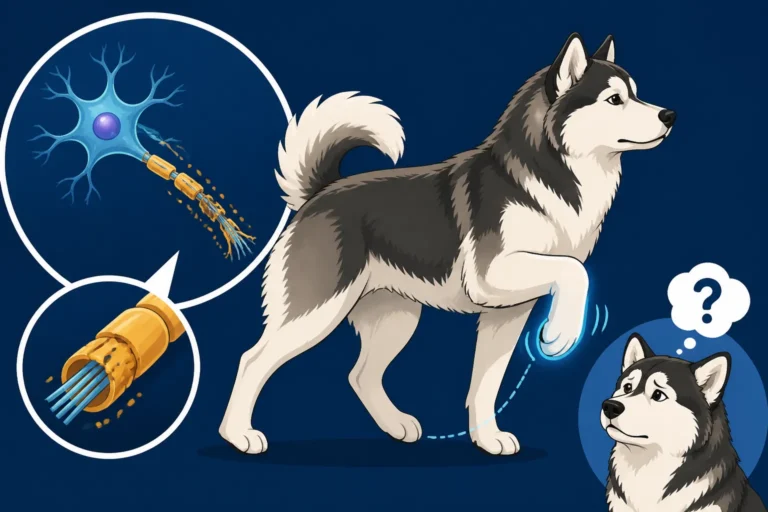
Heatstroke profoundly impacts the brain and central nervous system. As a Malamute's body temperature spirals out of control, you might observe a range of frightening neurological symptoms. They could become disoriented, stumbling or staggering as if drunk. Their coordination will be severely impaired. In more advanced stages, they might experience muscle tremors, seizures, or even collapse and lose consciousness. Their eyes might appear glazed or unfocused. These are unequivocal signs of a critical emergency. If your Malamute is exhibiting any of these, time is absolutely of the essence. It means their brain is cooking, and permanent damage or death can occur within minutes.
Elevated Body Temperature
While not always easy to measure accurately without a rectal thermometer, a significantly elevated body temperature is the hallmark of heatstroke. A dog's normal body temperature is generally between 101 to 102.5 degrees Fahrenheit (38.3 to 39.2 degrees Celsius). If you suspect overheating, a quick and safe way to check their temperature is crucial. A temperature exceeding 104°F (40°C) is dangerous and signifies heat stress, while anything over 106°F (41.1°C) is considered a full-blown emergency. Don't wait for your Malamute to hit these extreme numbers; if they feel very hot to the touch, their gums are bright red, and they are panting excessively, assume they are overheating. Knowing the typical The Average Age an Alaskan Malamute Reaches highlights the importance of protecting them throughout their lifespan from such preventable dangers.
Immediate Actions When You Suspect Overheating
If you see any of the advanced signs of overheating, or even persistent early warning signs, you need to act fast. Every minute counts.
Cooling Techniques
Your first priority is to get your Malamute out of the heat source immediately. Move them into the coolest available area, whether that's an air-conditioned room, a shady spot under a tree, or in front of a fan. Offer them cool (not ice-cold) water to drink, but don't force it.
The most effective way to cool them externally is to apply cool water to their body, focusing on areas with less fur and major blood vessels close to the surface, such as the groin, armpits, and paw pads. You can use a hose (on a gentle setting, avoiding spraying directly into their face), wet towels, or even let them stand in a shallow pool of cool water. A fan directed at their wet fur will dramatically increase evaporative cooling. Never use ice-cold water or ice packs, as this can cause blood vessels to constrict, trapping heat inside their core, and can even induce shock. It's about gradual, steady cooling. You can learn more about specific steps in How to Cool an Overheated Alaskan Malamute.
When to Seek Veterinary Care
Even if your Malamute seems to recover quickly with initial cooling efforts, a trip to the veterinarian is non-negotiable if they showed any signs of heatstroke. Internal organ damage can be occurring silently, leading to complications like kidney failure, liver damage, or disseminated intravascular coagulation (DIC), a severe bleeding disorder.
Call your vet or the nearest emergency animal hospital while you are cooling your dog. Tell them you're coming in with a suspected heatstroke case so they can prepare. Transport your Malamute in an air-conditioned car, if possible, continuing to apply wet towels. The vet will assess their condition, check for organ damage, administer IV fluids to combat dehydration, and continue professional cooling. Pet insurance, like that offered by Healthy Paws, can be incredibly helpful in covering these unexpected emergency costs, allowing you to focus on your Malamute's well-being without added financial stress. They will also advise on Whether an Alaskan Malamute Recovers From Heat Stroke, which depends heavily on the severity and promptness of treatment. Remember, Why a Malamute Should Not Walk at Midday is crucial preventative advice, but if an incident occurs, swift action is your best bet.
Here's a quick reference guide for spotting the signs:
| Symptom Category | Early/Mild Overheating | Moderate Heat Stress | Severe Heatstroke (Emergency) |
|---|---|---|---|
| Behavior | Lethargy, restlessness, seeking shade/cool surfaces, reluctance to move, slight confusion, disinterest in play | More pronounced lethargy, wobbly gait, agitation, whining, pacing | Collapse, loss of consciousness, seizures, disorientation, unresponsiveness |
| Panting/Breathing | Increased panting, deep breaths | Rapid, shallow, frantic panting, labored breathing, loud breathing, wheezing | Difficulty breathing, blue/purple gums (cyanosis), foamy discharge from mouth/nose |
| Oral/Mucous | Bright red gums, moist | Bright red gums, tacky/dry to the touch, excessive thick drooling | Pale or blue/purple gums, very dry, excessive thick, stringy drool |
| Body Temperature | Feels warm to touch (ears, belly), rectal temp 103-104°F | Very hot to touch, rectal temp 104-106°F | Extremely hot to touch, rectal temp >106°F, rapid cooling often ineffective |
| Gastrointestinal | Normal | Mild nausea | Vomiting (possibly bloody), diarrhea (possibly bloody) |
| Other Physical | Normal | Rapid pulse, glassy eyes, muscle tremors | Widespread bleeding (bruises, petechiae), muscle rigidity, uncontrolled urination/defecation |
Understanding these signs and acting quickly can make all the difference for your beloved Malamute. Proactive prevention, like ensuring they are not Whether an Overweight Malamute Overheats Faster and providing ample cooling options, along with careful monitoring of What an Alaskan Malamute Needs Every Day, is always the best approach. If you ever find yourself in a situation where your Malamute requires emergency veterinary care for overheating, knowing you have support from a provider like Healthy Paws can truly be a lifesaver, allowing you to make decisions based on health, not cost.
Disclaimer
This article provides general information and guidance regarding Alaskan Malamute health. It is not a substitute for professional veterinary advice. Always consult with a qualified veterinarian for any health concerns or before making any decisions about your dog's care.