Whether an Alaskan Malamute Belongs in a Warm Climate
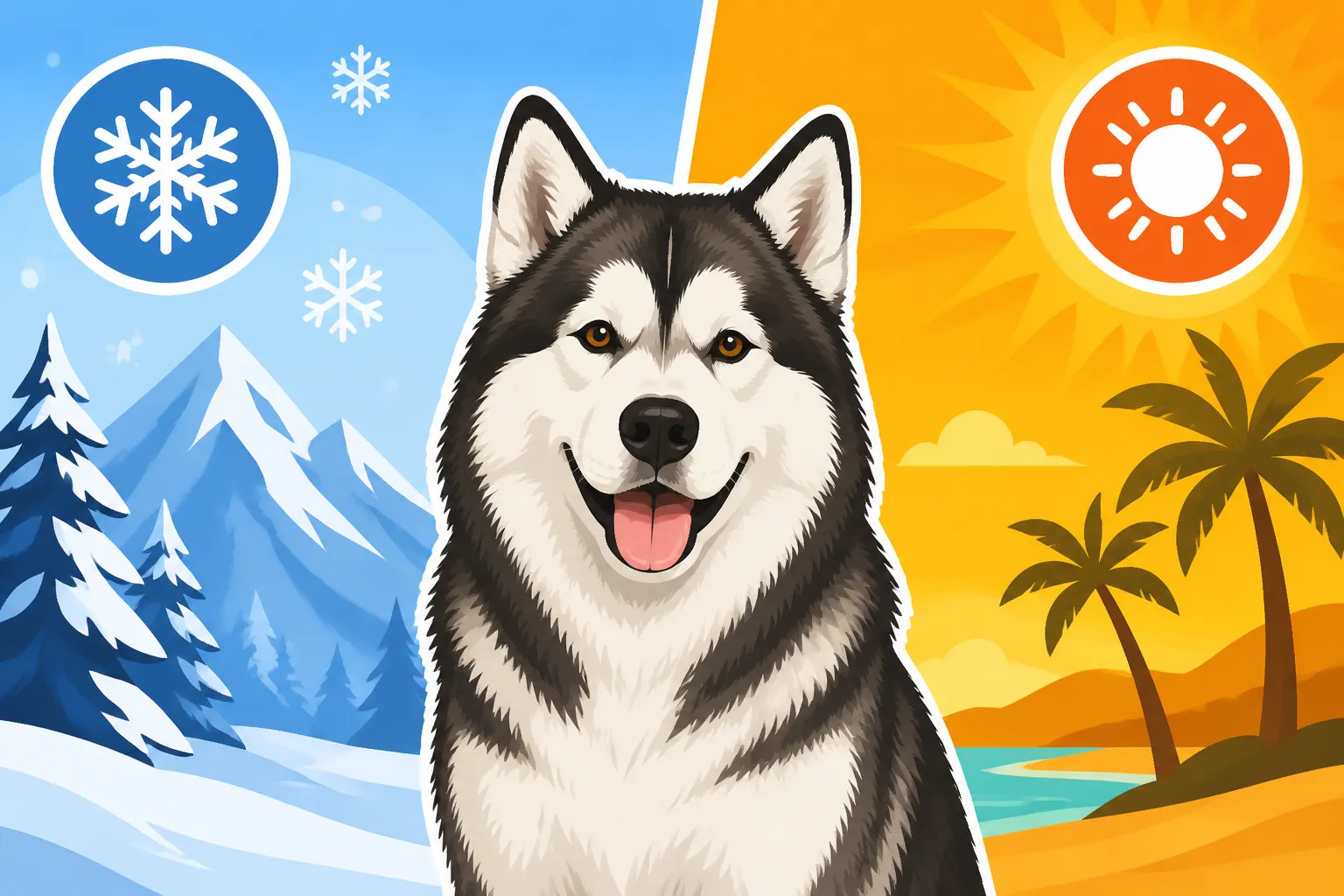
One of the biggest heartaches for aspiring Alaskan Malamute owners, especially those living outside of truly cold climates, is grappling with the question of whether their furry companion can truly thrive in warmer weather. It’s a harsh reality that these magnificent dogs, bred for the unforgiving Arctic, face immense challenges when temperatures rise, leading to discomfort, stress, and serious health risks. This comprehensive guide will delve deep into the inherent nature of the Malamute, the dangers of warm climates, and the extensive measures owners must take to ensure their well-being, helping you determine if your home can genuinely offer a suitable environment for an Alaskan Malamute.
Understanding the Malamute's Natural Habitat and Adaptation
To truly understand why a warm climate poses such a monumental challenge for an Alaskan Malamute, we have to go back to their roots. These dogs weren't just "built" for the cold; they are a living testament to centuries of natural selection and deliberate breeding in one of the most extreme environments on Earth. Their entire physiology, from their fur to their metabolism, is a finely tuned machine designed for survival and strenuous work in frigid temperatures.
A Coat Built for Arctic Survival
Imagine wearing a thick, double-layered wool coat, a down jacket, and a windbreaker, all at once, in the middle of summer. That’s essentially what an Alaskan Malamute feels like. Their iconic coat is a marvel of natural engineering, featuring a dense, oily outer guard coat that repels water and snow, protecting them from the elements. Beneath this lies an incredibly thick, woolly undercoat that acts as superior insulation, trapping warm air close to their body. This combination is absolutely vital for keeping them warm when temperatures plunge far below freezing, but it becomes a severe liability when the mercury rises.
This isn't just about looking fluffy; it's about survival. Their ancestors, developed by the Mahlemut people of Kotzebue Sound, relied on this coat to withstand blizzards and prolonged exposure to arctic winds. The Mahlemut of Kotzebue Sound Bred the Alaskan Malamute. This incredible insulation, while perfect for a crisp Alaska winter, turns into a suffocating burden in anything above mild temperatures, effectively making them wear their winter gear year-round. It's a coat designed to keep heat in, not let it out, and trying to force their bodies to adapt to heat with this built-in furnace is a struggle against nature itself.
Metabolism Designed for Cold Work
Beyond their impressive coat, an Alaskan Malamute's internal engine is also geared for cold. They possess a remarkably efficient metabolism, honed over generations to make the most of every calorie consumed. In their native environment, where food could be scarce and energy demands for pulling heavy loads were immense, this meant they could sustain themselves and perform strenuous tasks on relatively less food compared to other large breeds of similar size. The Efficient Metabolism That Surprises Every New Malamute Owner. This metabolic efficiency, while fantastic for conserving energy in the cold, translates into a propensity to overheat more easily when active in warmer temperatures, as their bodies are less inclined to rapidly dissipate excess heat.
This unique metabolic trait means they can get by on less food than you might initially assume for such a large dog, which might seem like a bonus. However, it also means their bodies are slow to release heat generated through activity or ambient warmth. They're not built for speed or quick bursts of energy; they're built for endurance at a steady, slower pace in freezing conditions. When you combine this with their dense coat, it becomes a perfect storm for internal heat buildup, making even moderate exercise in a warm climate a significant risk.
Historical Context of the Breed's Origins
The Alaskan Malamute’s history is steeped in the icy expanses of the Arctic. They were indispensable partners to the Inuit people, used primarily for hauling heavy freight over long distances in brutal conditions. Their strength, endurance, and thick coats were not luxuries; they were necessities for survival and the livelihood of their human companions. These dogs were bred for sheer power and resilience in the face of sub-zero temperatures, often spending their lives outdoors.
Their purpose wasn't just to survive the cold, but to thrive in it, to work in it. Every aspect of their physical design, from their muscular build to their dense paw pads, speaks to a life lived in snow and ice. The concept of an Alaskan Malamute lounging on a sunny patio in Florida is, quite frankly, anathema to their very being. Understanding this deep historical connection to extreme cold helps put into perspective just how fundamentally unsuited they are for warmer climates and why it's not simply a matter of "getting used to it."
The Real Risks of Heat for an Alaskan Malamute
Ignoring a Malamute's natural predisposition for cold can have severe, even fatal, consequences. The risks associated with exposing these dogs to warm temperatures are not theoretical; they are tangible and can manifest rapidly, turning a pleasant afternoon into a life-threatening emergency.
Recognizing the Signs of Overheating
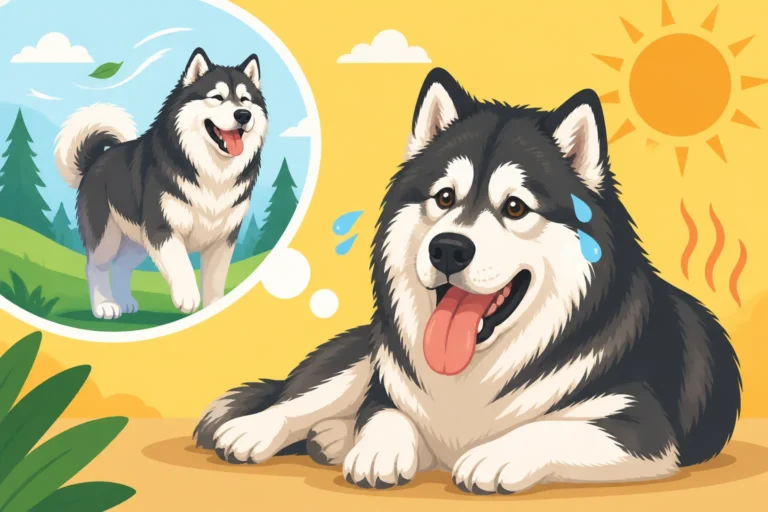
One of the most crucial skills any Malamute owner, especially in a warmer region, must master is the ability to recognize the subtle, and then not-so-subtle, signs that their dog is overheating. It's a progressive process, and early intervention can literally be the difference between life and death. Initially, you might notice excessive panting – more than usual for their activity level. Their tongue might hang out further, and the panting could become loud and labored, almost raspy. Signs an Alaskan Malamute Is Overheating. They might also appear restless, unable to settle, or actively seek out cool spots, lying on tile or digging at the ground.
As their body temperature continues to rise, more alarming symptoms emerge. Their gums might turn a bright red, indicating increased blood flow trying to dissipate heat. Their saliva might become thick and ropey, a sign of dehydration. They could start staggering, appearing disoriented, or even collapse. Vomiting and diarrhea are also common in later stages. Many owners, especially new ones, might mistake the initial signs for normal exertion, but with a Malamute, what looks like typical panting in another breed can be a red flag. Always err on the side of caution.
The Dangers of Heatstroke and Exhaustion
Heat exhaustion is the precursor to heatstroke, and both are incredibly dangerous for a Malamute. Heat exhaustion occurs when the body struggles to regulate its temperature, leading to symptoms like heavy panting, weakness, and elevated heart rate. If not addressed, this quickly escalates to heatstroke, a veterinary emergency where the dog's core body temperature rises to dangerous levels (often over 105°F or 40.5°C), overwhelming their cooling mechanisms. At this point, irreversible organ damage can occur rapidly.
The organs most susceptible to heatstroke damage include the kidneys, liver, brain, and gastrointestinal tract. Clotting disorders can develop, leading to internal bleeding. The brain can swell, causing seizures and neurological damage. Unlike humans who sweat profusely to cool down, dogs primarily rely on panting, which is far less efficient, especially for a breed with a thick double coat. A Malamute simply cannot shed heat fast enough in warm conditions, making them exceptionally vulnerable. This isn't just about feeling hot; it's about their internal systems beginning to shut down. Summer Is the Season That Kills Alaskan Malamutes.
Other Health Concerns Exacerbated by Heat
Beyond acute heatstroke, chronic exposure to warm climates can contribute to a host of other health issues in Alaskan Malamutes. The constant struggle to stay cool puts immense stress on their cardiovascular system. Dogs that are regularly overheated may be more prone to respiratory distress, especially if they have any underlying issues. Furthermore, the thick coat, when perpetually damp from panting and seeking water, can become a breeding ground for skin infections, hot spots, and yeast overgrowth, even with diligent grooming.
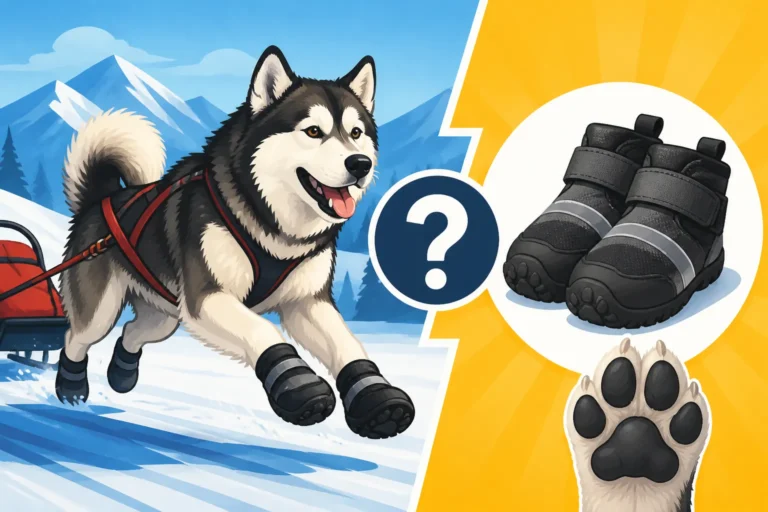
Their paw pads, designed for snow and ice, can also suffer in prolonged contact with hot pavement or sand, leading to burns and discomfort. The emotional toll is also significant; a Malamute forced to live in a climate where they are constantly uncomfortable will be miserable, lethargic, and unable to engage in the activities that are so fundamental to their breed, like long walks or even just feeling the cool breeze. The overall quality of life diminishes considerably when they are battling the heat day in and day out. Whether an Alaskan Malamute Pants Constantly in Summer.
Strategies for Managing a Malamute in a Warm Climate
If you find yourself with an Alaskan Malamute in a warm climate, either by choice or circumstance, the commitment required to keep them safe and comfortable is substantial. It involves a multi-faceted approach to their environment, exercise, and care.
Creating a Cool Environment Indoors
Your home essentially becomes a refrigerated haven for your Malamute. Air conditioning is not a luxury; it's a non-negotiable necessity, and it will need to be running almost constantly during warmer months. This means higher utility bills, which is an important financial consideration. What Cooling a House for a Malamute Costs in Summer. Beyond ambient air temperature, you'll need to provide direct cooling solutions. Elevated dog beds, cooling mats, and even strategically placed fans can offer some relief. Some owners create "cool rooms" – basements or tiled areas – where the air is naturally cooler and more circulation is present.
Access to fresh, cool water at all times is paramount. Consider multiple water bowls around the house, and perhaps even a pet fountain to encourage drinking. Some owners add ice cubes to water bowls or offer frozen treats to help lower core body temperature. Remember, even indoors, a Malamute can still get too warm if the AC isn't strong enough or if they're particularly active. You must be vigilant. The Temperature at Which a Malamute Should Stay Indoors.
Adapting Exercise Routines for Safety
Exercise for a Malamute in a warm climate needs a complete overhaul. Forget midday walks or long runs in the afternoon sun – those are simply too dangerous. All outdoor activity must be relegated to the very early morning hours, before the sun gains strength, or late in the evening after dark, once temperatures have significantly dropped and pavement has cooled. Even then, walks should be shorter, and breaks more frequent. If the pavement is too hot for your bare hand, it's too hot for your Malamute's paws.
Many owners opt for indoor alternatives, such as doggy treadmills in air-conditioned spaces, or engage in mental stimulation games that don't require physical exertion in the heat. Water activities, like swimming in a cool, shaded pool (with proper supervision and safety vests), can be a good way to exercise and cool down simultaneously, but even then, careful monitoring is essential. The goal is to provide adequate physical and mental stimulation without risking overheating. What an Alaskan Malamute needs every day still involves activity, but how that activity happens drastically changes.
Grooming Practices to Help, Not Harm
Grooming is always important for an Alaskan Malamute, but in warm climates, understanding how to groom them is critical. The most crucial rule to remember: never shave your Malamute. While it might seem counterintuitive, shaving their double coat actually removes their natural insulation, making them more susceptible to heatstroke and sunburn. Their coat protects them not only from cold but also from the sun's harsh UV rays. Why an Alaskan Malamute Must Never Be Shaved.
Instead of shaving, focus on meticulous de-shedding. Regular, thorough brushing, especially during their intense "coat blow" periods, helps remove dead undercoat, allowing for better air circulation closer to the skin. Tools like undercoat rakes and powerful force dryers (if your dog tolerates them) are invaluable for this. A clean, well-maintained coat, free of mats and excess dead hair, can actually provide better insulation against heat than a neglected one, as it allows air to circulate properly. Regular baths with appropriate shampoos can also help keep their skin healthy and free from irritations caused by humidity and lingering moisture.
Lifestyle Adjustments and Owner Commitment
Deciding to own an Alaskan Malamute in a warm climate isn't just about tweaking a few things; it requires a wholesale commitment to a different way of life, with significant implications for your finances, your routine, and even your dog's emotional well-being.
The Financial Implications of Cooling a Malamute
Let's be blunt: keeping an Alaskan Malamute cool in a warm climate is expensive. Your electricity bill will likely skyrocket during the summer months due to constant air conditioning. Beyond that, you might invest in specialized cooling equipment like high-quality cooling mats, powerful fans, or even dedicated portable AC units for certain rooms. Veterinary bills for heat-related emergencies can be astronomical, potentially running into thousands of dollars for diagnostics, intravenous fluids, and supportive care. This is why having pet insurance that covers emergency care is not just a good idea, but essential.
Consider the cost of durable, chew-proof cooling beds from brands like Chewy or specialty pet stores that offer robust options designed for large breeds. You might also find yourself buying more ice, preparing frozen treats, and investing in high-quality, easily digestible food, perhaps even exploring options like Ollie that offer fresh, human-grade ingredients, which some owners feel contribute to overall health. These aren't one-time expenses but ongoing costs throughout the dog's life, and they add up quickly. It's crucial to budget for these increased expenditures before bringing a Malamute into a warm environment.
Socializing and Enrichment in Limited Outdoor Time
A significant challenge in warm climates is providing adequate socialization and mental enrichment when outdoor time is severely restricted. Malamutes are intelligent, social dogs who need consistent interaction and stimulation. If they can only be outside for short periods in the early morning or late evening, how do you manage puppy classes, dog park visits, or long sniffy walks that are so vital for their development and happiness? The answer is: with great difficulty and creativity.
You'll need to find indoor training facilities that are air-conditioned, or schedule private training sessions during off-peak, cooler hours. Playdates with known, calm dogs might need to happen indoors or in carefully selected, shaded, cool environments. Enrichment becomes heavily reliant on indoor games, puzzle toys, and consistent one-on-one attention. This can be particularly challenging for a breed known for its energy and intelligence. Their natural instinct is to be out exploring, pulling, and running, and denying them that due to heat can lead to frustration and boredom, which in turn can manifest as destructive behaviors.
The Mental and Emotional Toll on the Dog (and Owner)
It's not just about physical safety; it's about the quality of life. Imagine being perpetually uncomfortable, always too hot, always craving cooler air. This is the reality for a Malamute in a warm climate, even with the best efforts. This constant discomfort can lead to chronic stress, lethargy, and a general lack of joy. A Malamute that is too hot too often might be less playful, less engaged, and even less tolerant of interactions. Their beautiful, powerful spirit can be dampened by the unrelenting heat.
For the owner, the stress is immense. You're constantly monitoring your dog, checking the temperature, worrying about signs of overheating, and feeling guilty about their restricted outdoor life. The freedom of spontaneously going for a walk or playing fetch whenever you want is replaced by a rigid schedule dictated by the sun and thermometer. This can lead to owner burnout and, sadly, is one of the reasons why many Malamutes end up in rescues. It's an overwhelming responsibility that many underestimate.
When a Warm Climate is Truly Not Feasible
Despite all the best intentions and diligent efforts, there are times when a warm climate is simply not a sustainable or humane environment for an Alaskan Malamute. Recognizing this reality is difficult, but it's a testament to responsible ownership.
Recognizing the Point of No Return
There comes a point when, no matter how much air conditioning you crank or how early you wake up for walks, your Malamute is still struggling. This might manifest as persistent lethargy, a dull coat, chronic skin issues despite excellent care, or recurring episodes of heat exhaustion. Perhaps they lose their appetite frequently during hot spells, or they seem perpetually restless indoors, unable to find comfort. If your Malamute is consistently exhibiting signs of discomfort, stress, or poor health directly related to the climate, you must honestly evaluate whether you are providing a truly suitable life for them.
This "point of no return" is highly individual and depends on the specific dog's tolerance, the severity of the climate, and the owner's resources. It's not a decision to be taken lightly, but it requires prioritizing the dog's well-being above personal attachment. Sometimes, despite loving them fiercely, admitting that you cannot provide the environmental conditions they need is the most compassionate choice you can make.
Ethical Considerations for Placement
If you reach the difficult conclusion that your Malamute cannot thrive in your warm climate, the next ethical step is to find them a more suitable home. This isn't a failure on your part, but an act of profound love and responsibility. Seek out reputable Alaskan Malamute rescues or breed-specific organizations. They often have networks of volunteers and foster homes in cooler climates or with facilities specifically designed for arctic breeds.
Be honest and transparent about your dog's needs and challenges with potential new owners or rescue organizations. Emphasize their need for a colder environment and experienced handlers. Avoiding shelters or general rescues that may not understand the specific needs of the breed is vital. The goal is to ensure a smooth transition to a home where they can truly flourish, ideally in a geographic location more aligned with their inherent nature.
Finding the Right Home for a Malamute in Need
Finding the perfect home for a Malamute in need involves more than just a quick ad online. It requires diligent screening, open communication, and patience. Many dedicated Malamute enthusiasts and experienced owners reside in areas with four distinct seasons, where their dogs can truly enjoy winter activities. These individuals often understand the breed's needs for exercise, mental stimulation, and a cool environment.
Reach out to the Alaskan Malamute Club of America (AMCA) or local breed clubs for guidance and resources. They can often connect you with rescue networks and individuals who are specifically looking to adopt a Malamute and are prepared for their unique requirements, including their need for a cooler climate. While it’s heartbreaking to consider parting with a beloved pet, ensuring they go to a home where they can genuinely thrive, free from the constant burden of heat, is the ultimate act of kindness for these magnificent, cold-weather dogs.
| Cooling Strategy | Description | Considerations | Brands/Products to Consider |
|---|---|---|---|
| Indoor AC | Essential for maintaining a consistently cool ambient temperature inside your home. | High electricity costs; ensure regular maintenance. | Your local utility provider. |
| Cooling Mats | Pressure-activated gel mats or water-filled pads that provide a cool surface for your dog to lie on. | Come in various sizes; check for durability, especially for chewers; some require refrigeration. | Amazon, Chewy (various brands available) |
| Elevated Beds | Beds that lift your dog off the floor, allowing air to circulate underneath and around them. | Provides airflow; can be paired with cooling mats; sturdy frames are best for Malamutes. | Chewy, Amazon (various brands available) |
| Fans & Air Circulation | Strategic placement of fans (standing, box, ceiling) to create airflow and aid evaporative cooling. | Ensure cords are safe from chewing; not a substitute for AC, but enhances comfort. | Any general electronics retailer. |
| Kiddie Pools (Shaded) | Shallow pools with cool water for your Malamute to splash or lie in outdoors, in a shaded area. | Requires constant supervision; regularly clean water; ensure easy entry/exit. | Local hardware or toy stores. |
| Frozen Treats & Ice | Ice cubes in water bowls, frozen kongs, or other pet-safe frozen treats. | Aids hydration and provides internal cooling; ensure treats are appropriate for your dog's diet. | Homemade recipes, various brands at Chewy. |
| Insulated Water Bowls | Bowls designed to keep water cooler for longer, especially outdoors. | Essential for outdoor water sources; look for stainless steel or double-walled options. | Chewy, Amazon (various brands available). |
Disclaimer
This article is for general informational purposes only and does not constitute professional advice. Laws, prices and regulations vary by location and change over time. Consult a qualified professional for guidance on your specific situation.