The Average Age an Alaskan Malamute Reaches
Bringing an Alaskan Malamute into your life is a huge commitment, filled with joy, challenges, and an incredible bond. Naturally, one of the most common questions, and often the most heartbreaking to consider, is "How long will I have with them?" It’s a thought that crosses every Malamute owner's mind, especially when you see their boundless energy as a puppy or their wise, snowy muzzle as they mature. This guide aims to provide a realistic overview of the average lifespan of an Alaskan Malamute and the many factors that play a role in how many precious years you get to spend together.
Understanding the Typical Lifespan of an Alaskan Malamute
It's a bittersweet reality that our beloved canine companions don't live as long as we do, and Alaskan Malamutes are no exception. Generally speaking, a well-cared-for Alaskan Malamute can expect to live between 10 and 14 years. This range isn't a hard-and-fast rule, of course; some Malamutes might sadly pass on earlier due to unforeseen circumstances or aggressive health issues, while others, with good genes and exceptional care, can comfortably cruise past their 14th birthday.
The "average" is just that – a middle ground. What we all strive for is to push that average to the higher end for our own furry family members. It’s a testament to the care, love, and attention we provide that can truly make a difference in helping them reach their full potential, not just in terms of years, but in quality of life throughout. Factors like genetics, diet, exercise, and access to veterinary care all contribute significantly to where your Malamute might land within or even beyond this typical age bracket.
The Ten to Fourteen Year Window
When we talk about the typical range, The Ten to Fourteen Years an Alaskan Malamute Lives is quite common. Many Malamute owners have celebrated their dog's tenth birthday with a sense of accomplishment and a touch of wistful joy, knowing they've entered their senior years. These dogs still often retain much of their playful spirit, though perhaps with a bit less stamina.
Consider a Malamute named Koda, who, at 11 years old, still loved his daily walks but would opt for a leisurely sniff-fest over a vigorous jog. His owners had been diligent with his diet and regular vet check-ups, and while he had some age-related stiffness, he was thriving. Then there's Luna, who, at 9, was suddenly diagnosed with an aggressive cancer and was gone within months. These stories, though different, illustrate the variability within that 10-14 year window and why every moment counts.
Factors Beyond Just "Average"
It's important to understand that while 10 to 14 years is the typical range, it's not a guarantee. There are so many individual variations. For instance, a Malamute from a long line of healthy, long-lived dogs, given optimal care, might outlive a Malamute with a less robust genetic background, even if the latter receives good care.
We also see differences based on lifestyle. A Malamute who actively works, like a freighting dog, might experience different wear and tear on their joints than a pampered house pet, influencing their later years. However, a working dog might also be in peak physical condition for longer, which can be a double-edged sword when they start to decline. It's a complex picture, and as owners, we simply do our best with the hand we're dealt and the information we have.
Key Factors Influencing Malamute Longevity
While genetics lay the groundwork, many environmental and lifestyle factors contribute significantly to how long and how well your Alaskan Malamute lives. These aren't just minor details; they are critical pillars of health that you, as an owner, have a direct influence over.
The Role of Responsible Breeding and Genetics
Genetics truly are the foundation. A Malamute puppy born from parents who have undergone extensive health testing and come from lines known for longevity starts with a significant advantage. Reputable breeders are committed to screening for common inherited conditions that can shorten a Malamute's life or severely impact its quality.
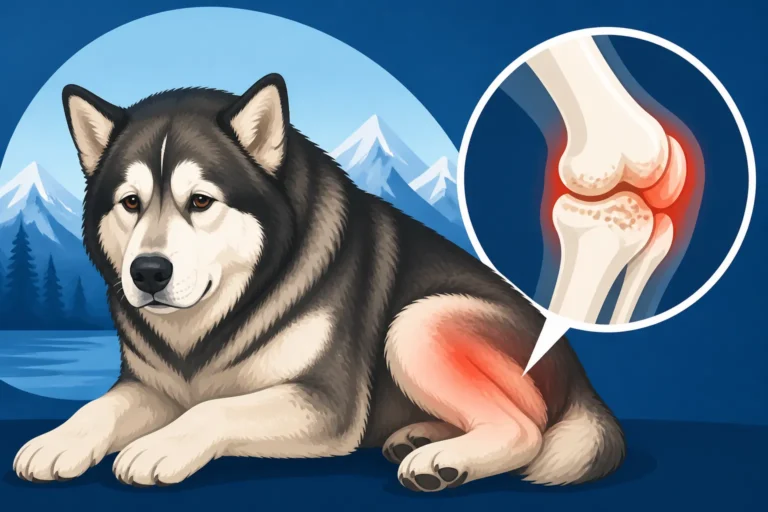
For example, conditions like hip dysplasia are a major concern. Responsible breeders will have their breeding stock certified by organizations like the Orthopedic Foundation for Animals (OFA) to ensure good hip health. You wouldn't want to bring home a puppy predisposed to crippling joint issues that could severely limit its mobility and shorten its active years. Similarly, understanding conditions like Inherited Polyneuropathy and the Malamute That Stumbles at a Year or certain eye conditions means breeders can work to eliminate them from their lines. Asking about these health clearances is not being nosy; it’s being a responsible future owner.
Nutrition and Weight Management
What you put in your Malamute's bowl directly impacts their health, from their coat to their joints to their internal organs. Alaskan Malamutes have an incredibly efficient metabolism, a legacy from their Arctic ancestors who had to make every calorie count during lean times. This means it's surprisingly easy to overfeed them, leading to obesity.
An overweight Malamute is at a higher risk for a host of health problems, including joint issues like Hip Dysplasia in a Freighting Alaskan Malamute, heart disease, diabetes, and even certain cancers. These conditions can drastically shorten their lifespan. Think of it like a heavy backpack they carry their whole life – it wears them down faster. Feeding them a high-quality diet appropriate for their activity level, and carefully monitoring their weight, is paramount. You should be able to feel their ribs without seeing them, and they should have a discernible waist when viewed from above.
Exercise and Mental Stimulation
Malamutes are working dogs, bred for endurance and pulling power. They are not couch potatoes by nature, and denying them adequate exercise is detrimental to both their physical and mental health. A bored, under-exercised Malamute is more likely to develop destructive behaviors, but more importantly, they miss out on the physical conditioning that keeps their bodies strong and healthy.
Regular, appropriate exercise, whether it's long walks, hiking, swimming, or even pulling a cart or sled, helps maintain a healthy weight, strengthens muscles and joints, and keeps their cardiovascular system in top shape. It also provides crucial mental stimulation. A Malamute that is physically fit and mentally engaged is less stressed and generally healthier. Even as they age, Caring for an Alaskan Malamute Past Eight still means finding ways to keep them active without overdoing it. Gentle walks, puzzle toys, and short training sessions can help maintain their vitality.
Environmental Factors and Preventative Care
The environment your Malamute lives in plays a big role. While they are built for cold climates, living in a hot, humid region without adequate cooling measures can lead to chronic stress on their system and overheating issues, which can be fatal. Providing a cool, comfortable living space is essential, especially in warmer months.
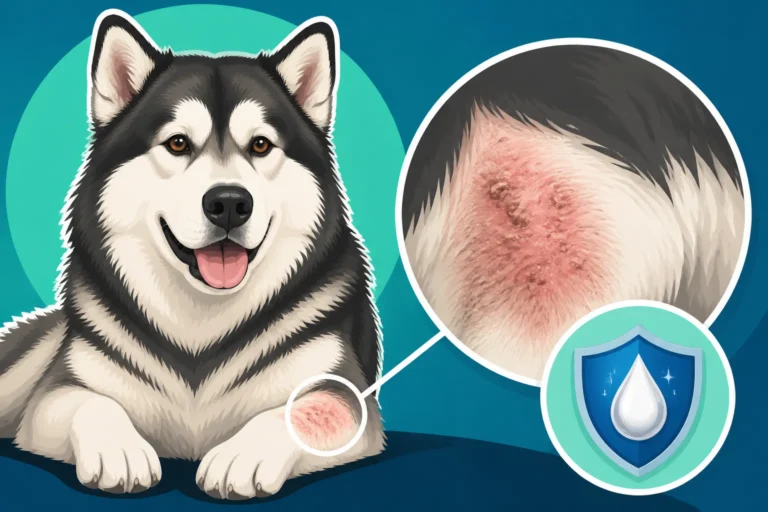
Perhaps most critically, consistent preventative veterinary care is non-negotiable. Regular check-ups, vaccinations, parasite prevention (heartworm, fleas, ticks), and routine dental care can catch problems early, before they become life-threatening. For example, early detection of issues like Zinc Responsive Dermatosis in an Alaskan Malamute can prevent painful skin infections and discomfort. Pet insurance, such as policies from providers like Healthy Paws, can be incredibly valuable here, helping to cover unexpected veterinary costs for illnesses or accidents, ensuring you can always choose the best course of treatment without financial strain. This peace of mind allows you to focus on your Malamute's health, rather than worrying about the bill.
Common Health Concerns Affecting Lifespan
Even with the best care, Alaskan Malamutes are predisposed to certain health conditions, some of which can unfortunately impact their longevity. Being aware of these common issues can help you recognize symptoms early and seek timely veterinary intervention.
Genetic Predispositions and Inherited Diseases
As mentioned, genetics play a huge role. Besides hip dysplasia, Malamutes are known to be susceptible to a few other inherited conditions.
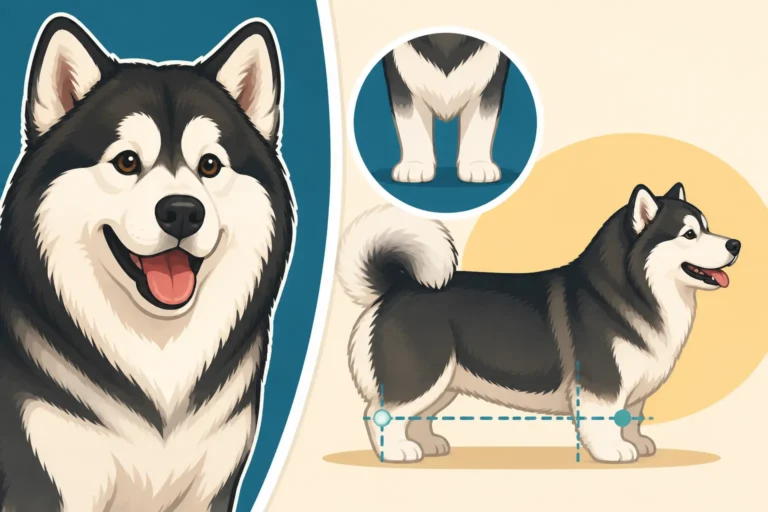
- Chondrodysplasia (Dwarfism): While not necessarily life-threatening on its own, this condition, where the dog has abnormally short limbs, can lead to secondary joint issues and impact mobility. Understanding How Poor Zinc Absorption Links a Malamute's Three Disorders is crucial, as chondrodysplasia is one of them.
- Inherited Polyneuropathy: This progressive neurological disorder affects the nerves, leading to weakness, loss of coordination, and eventually difficulty breathing. It typically manifests around 12-18 months of age and can be devastating. Early diagnosis through DNA testing is critical for breeders to prevent passing it on.
- Day Blindness (Cone Degeneration): While not typically life-shortening, this eye condition causes severe light sensitivity and poor vision in bright light. It can significantly impact a dog's quality of life and safety if not managed. Fortunately, genetic testing has made Day Blindness and the CNGB3 Test That Nearly Ended It in Malamutes much more preventable.
Breeders who use DNA testing and health clearances are actively working to reduce the incidence of these diseases, giving puppies a better chance at a full and healthy life.
Gastrointestinal Issues: Bloat
Bloat, or Gastric Dilatation-Volvulus (GDV), is a sudden, life-threatening condition where the stomach fills with gas and twists. It's a terrifying emergency that can affect deep-chested breeds like the Alaskan Malamute. Symptoms include a distended abdomen, unproductive retching, restlessness, and pain.
Without immediate veterinary intervention, often surgery, bloat is fatal. It's a swift and cruel killer, and owners must be vigilant. Knowing Signs a Malamute Is Bloating can literally save their life. Some owners opt for a prophylactic gastropexy, a surgery that tacks the stomach to the abdominal wall to prevent it from twisting, often performed during spay/neuter surgery.
Cancer
Cancer is a leading cause of death in older dogs across many breeds, and Alaskan Malamutes are unfortunately not immune. Which Cancers Alaskan Malamutes Get can vary, but like other large breeds, they can be susceptible to osteosarcoma (bone cancer), lymphoma, and various soft tissue sarcomas.
Early detection is key, which again highlights the importance of regular vet check-ups. Catching lumps, changes in appetite, unexplained weight loss, or persistent lameness early can make a significant difference in treatment options and prognosis. Maintaining a healthy weight and a good diet may also play a role in reducing cancer risk.
Joint Problems
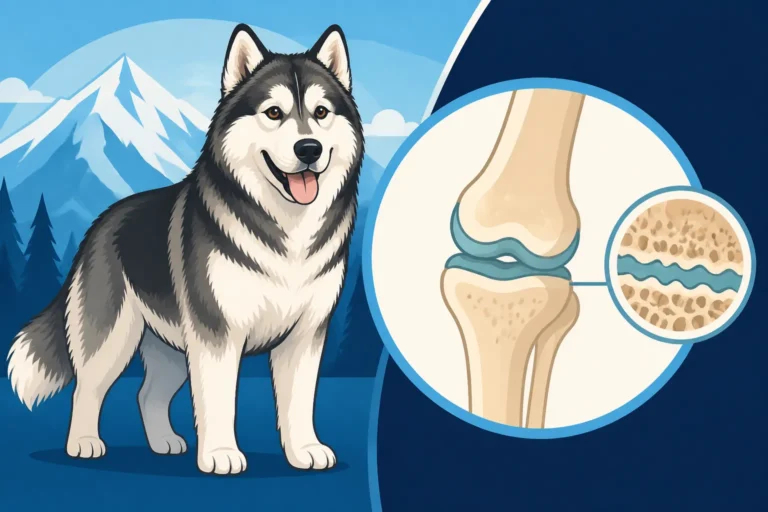
Given their size and active nature, joint issues like hip and elbow dysplasia are unfortunately common in Malamutes. These conditions can cause chronic pain, limit mobility, and severely impact their quality of life, especially in their senior years. While not directly fatal, the pain and reduced mobility can lead to other health complications or necessitate difficult decisions about their quality of life.
Preventative measures include purchasing from health-tested lines, maintaining a healthy weight, and providing appropriate exercise that supports joint health without excessive impact during their growth stages. Joint supplements can also be beneficial as they age.
| Health Concern | Typical Age of Onset | Impact on Lifespan | Symptoms | Prevention/Management |
|---|---|---|---|---|
| Hip Dysplasia | Puppyhood – Senior | Can reduce quality of life | Limping, reluctance to move, bunny hopping, pain | Responsible breeding, weight control, appropriate exercise, supplements |
| Inherited Polyneuropathy | 12-18 months | Potentially fatal | Weakness, stumbling, voice changes, difficulty breathing | DNA testing of breeding stock, avoid affected lines |
| Bloat (GDV) | Any age, more common in older | Acute, often fatal | Distended abdomen, unproductive retching, restlessness, pain | Smaller, frequent meals, slow feeders, gastropexy |
| Cancer | Middle age – Senior | Variable, often fatal | Lumps, weight loss, lethargy, lameness, changes in appetite | Regular vet checks, healthy lifestyle, early detection |
| Chondrodysplasia | Puppyhood | Can reduce quality of life | Abnormally short limbs, secondary joint issues | DNA testing of breeding stock |
| Zinc Responsive Dermatosis | Early adulthood | Not directly fatal, but causes discomfort | Crusty skin, hair loss, thickened paw pads around mouth, eyes, joints | Genetic testing, zinc supplementation |
Caring for an Alaskan Malamute Past Eight
The senior years for an Alaskan Malamute typically begin around age eight, and this phase of their life requires a dedicated shift in care. While your Malamute might still seem spry, their body is undergoing changes that necessitate extra attention and adjustments to their routine. The Age an Alaskan Malamute Counts as a Senior is not just a number; it's a call to action for specialized care.
Adjusting Diet and Exercise for Senior Malamutes
As Malamutes age, their metabolism often slows down, and their activity levels naturally decrease. This means their caloric needs change. Continuing to feed them the same amount of food they ate as a younger, more active dog can quickly lead to weight gain, exacerbating joint pain and other age-related issues. Switching to a high-quality senior dog food, which is often lower in calories but still nutrient-dense, or simply reducing portion sizes is usually necessary. Feeding an Old Alaskan Malamute also might involve considering supplements like glucosamine and chondroitin for joint support.
Exercise should still be a part of their daily routine, but the intensity and duration need to be adjusted. Instead of long, strenuous hikes, consider shorter, more frequent, and gentler walks. Swimming can be an excellent low-impact exercise for aching joints. The goal is to keep them mobile and mentally stimulated without causing undue strain or pain. Listen to your Malamute; they will tell you when they’ve had enough.
Increased Veterinary Care and Early Detection
Senior Malamutes benefit greatly from more frequent veterinary check-ups, often every six months instead of annually. This allows your vet to monitor for age-related conditions more closely, such as arthritis, dental disease, kidney issues, and the early signs of cancer. Regular blood work and urine tests can detect problems before they become clinically apparent, enabling earlier intervention.
For example, a slight increase in thirst could be an early indicator of kidney issues, which can be managed more effectively if caught promptly. Your vet might also recommend specific screenings based on your Malamute's individual health history and breed predispositions. proactive care during these golden years can significantly improve their comfort and extend their healthy lifespan. Again, a comprehensive pet insurance plan from a company like Healthy Paws can ease the financial burden of these increased vet visits and potential treatments, ensuring your Malamute receives the best possible senior care.
Maintaining Comfort and Quality of Life
Beyond medical care, focusing on your senior Malamute's comfort at home is vital. Orthopedic beds can provide relief for stiff joints. Ensuring they have easy access to food and water, perhaps with raised bowls to prevent neck strain, can make a difference. If stairs become difficult, consider ramps or limiting access to certain areas.
Mental stimulation is just as important as physical comfort. Continue engaging them with puzzle toys, gentle training sessions, or simply spending quality time together. As their senses might decline, be patient and understanding. Their eyesight or hearing may not be what it once was, and they might become a bit confused or anxious. Providing a consistent routine and a calm, predictable environment can help alleviate these stresses. Our ultimate goal is to ensure that even as they slow down, their remaining years are filled with joy, comfort, and the undeniable bond you share.
Disclaimer
This article is intended for informational purposes only and does not constitute veterinary advice. Always consult with a qualified veterinarian for any health concerns or before making any decisions about your pet's health or treatment.