Hip Dysplasia in a Freighting Alaskan Malamute
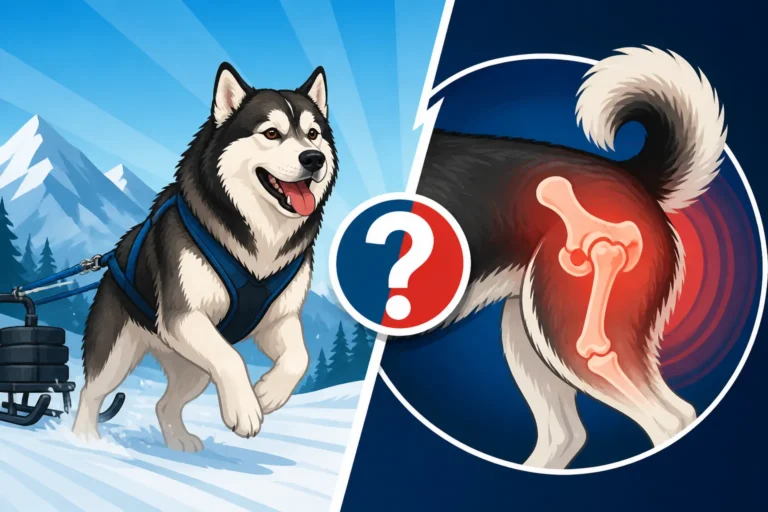
There's nothing quite like the sight of a powerful Alaskan Malamute in harness, eagerly anticipating the pull, their muscles rippling with purpose. These magnificent dogs were born to freight, to work tirelessly and move heavy loads across vast, unforgiving landscapes. But for many dedicated Malamute owners, a deeply worrying shadow often looms over their working dog's future: the specter of hip dysplasia. It's a common, heartbreaking reality that can prematurely end a working career or significantly impact a beloved companion's quality of life. This guide is here to unravel everything you need to know about hip dysplasia in Alaskan Malamutes, especially those bred and trained for freighting, from understanding its origins to managing and preventing its impact.
Understanding Hip Dysplasia in Alaskan Malamutes
Hip dysplasia is a condition that strikes fear into the hearts of large breed dog owners, and Malamute enthusiasts are certainly no exception. It's not just a fancy vet term; it represents a genuine structural failure that can cause significant pain and severely limit a dog's natural abilities. For a breed like the Alaskan Malamute, whose very essence is tied to physical exertion and powerful movement, hip dysplasia can be particularly devastating.
What Exactly Is Hip Dysplasia?
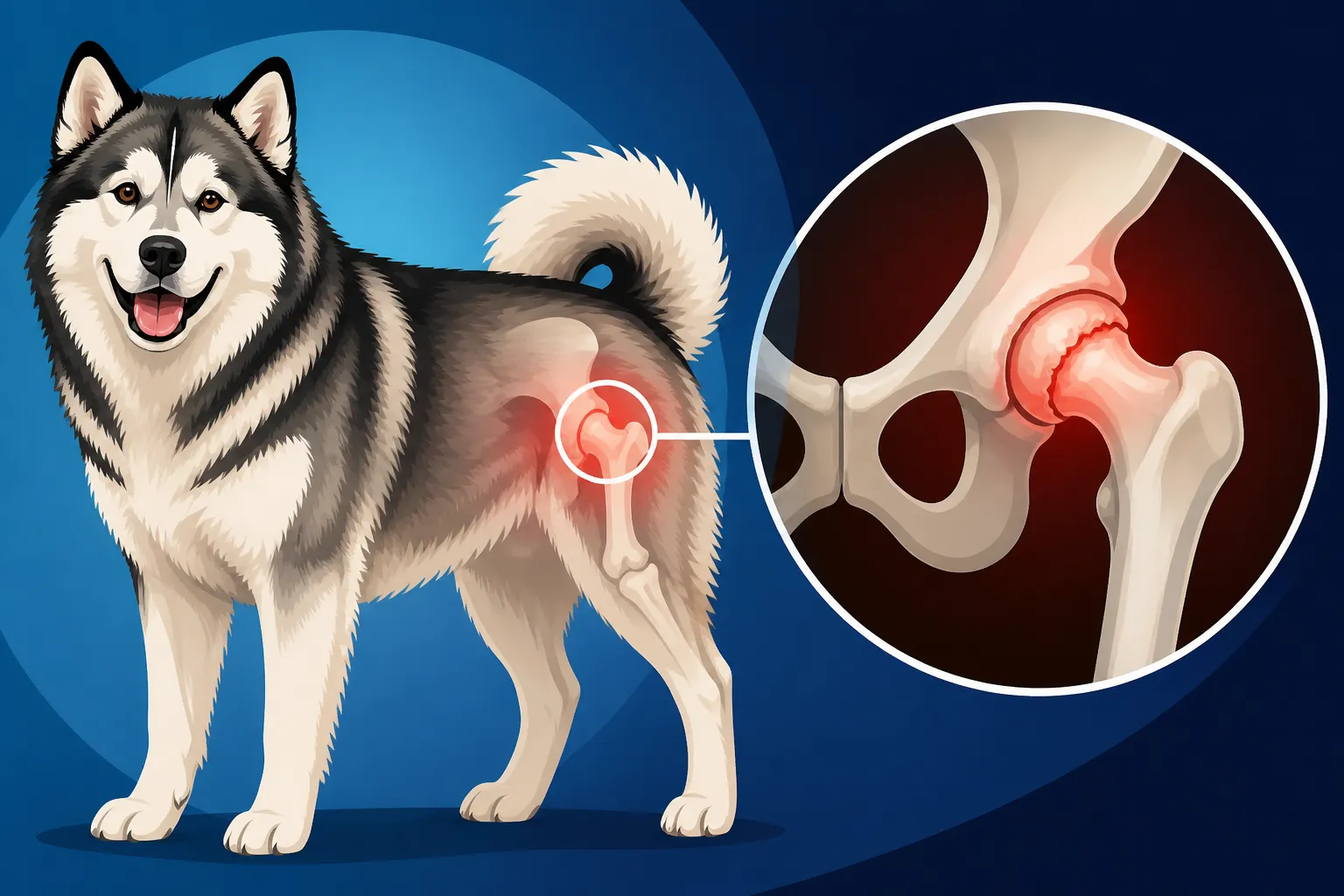
At its core, hip dysplasia is a developmental condition where the hip joint doesn't form correctly. Imagine a ball-and-socket joint – that's what a healthy hip is. The 'ball' is the head of the femur (thigh bone), and the 'socket' is called the acetabulum, part of the pelvis. In a dog with hip dysplasia, this ball and socket don't fit together snugly. Instead, they fit loosely, or the socket might be too shallow, or the ball might be misshapen. This improper fit means the joint isn't stable. Over time, with every step, every run, every pull, this loose connection causes abnormal wear and tear on the cartilage and bone. The body tries to compensate by laying down new bone, leading to painful degenerative joint disease, or osteoarthritis, which further exacerbates the problem. It’s a progressive condition, meaning it tends to worsen over a dog's lifetime.
For a Malamute built for freighting, this mechanical instability is a huge deal. Their entire purpose revolves around sustained, powerful movement. A dysplastic hip cannot withstand the repetitive stress of pulling heavy loads, climbing hills, or even just running through uneven terrain without accelerating the damage and pain. It's a cruel twist of fate for a dog so perfectly designed for work.
The Genetic Component: Why Malamutes Are Susceptible
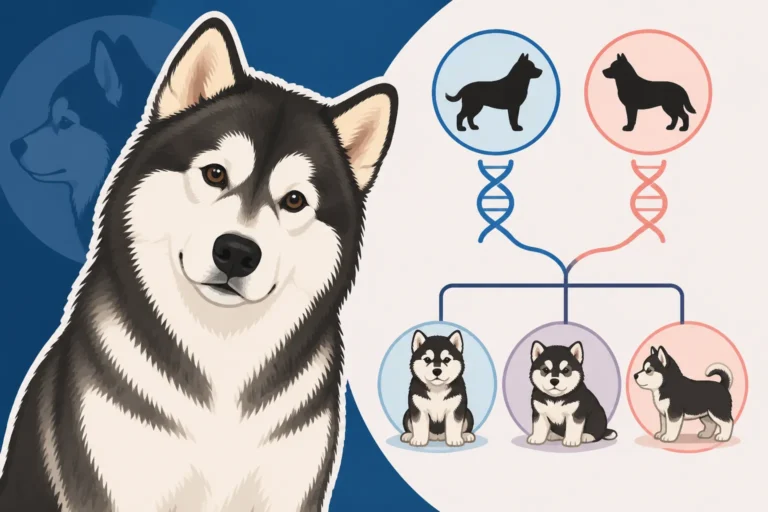
When we talk about hip dysplasia, genetics are undeniably a major player, particularly in Alaskan Malamutes. This isn't a condition that suddenly appears out of nowhere; it's inherited. While the exact mode of inheritance is complex – it's polygenic, meaning multiple genes are involved – there's no question that if a Malamute's parents or ancestors had hip dysplasia, their offspring are at a significantly higher risk. This is why responsible breeders go to great lengths to screen their breeding stock, utilizing tools like OFA and PennHIP evaluations, which we'll discuss in more detail later. They understand that ignoring this genetic predisposition is not only irresponsible but actively harmful to the breed.
The frustration for many owners, especially those who diligently chose a puppy from what they believed to be healthy lines, is that even with careful breeding, hip dysplasia can still appear. This is where the "environmental factors" come in, influencing whether those predisposed genes actually express themselves. It's a tricky balance, and it means that even with the best intentions, you might still face this challenge. Understanding that it's largely out of your direct control, stemming from their inherent makeup, can sometimes ease the burden of guilt, but it certainly doesn't lessen the worry.
Environmental Factors That Influence Expression
While genetics load the gun, environmental factors pull the trigger, so to speak. A Malamute might carry the genes for hip dysplasia, but how those genes manifest, or how severe the condition becomes, can be heavily influenced by their early life and ongoing care. Rapid growth, for instance, is a huge culprit. If a Malamute puppy grows too quickly, often due to overfeeding or a diet too high in calories and certain minerals, their bones and joints don't have enough time to solidify properly. This puts immense stress on developing joints, making them more vulnerable to laxity and abnormal wear. Excessive or inappropriate exercise during puppyhood is another major factor. Jumping from high places, strenuous long-distance running before growth plates close, or repetitive high-impact activities can exacerbate a genetic predisposition.
Imagine a young Malamute, full of boundless energy, wanting to run and play and start pulling small weights. It's hard to say no to that enthusiasm! But letting them overdo it, or pushing them into serious freighting work too young, especially before their bones are fully mature and their The Age a Malamute's Growth Plates Close, can be detrimental. Nutrition plays a critical role too. While overfeeding is a common issue, ensuring a balanced diet that supports slow, steady growth without excessive calcium or phosphorus is crucial. Maintaining a lean body weight throughout life, reducing stress on the joints, is paramount. This intricate dance between nature and nurture makes managing a Malamute's early development incredibly important for their long-term joint health.
Recognizing the Early Signs of Hip Dysplasia
One of the most frustrating aspects of hip dysplasia, especially in stoic breeds like the Alaskan Malamute, is how adept they are at hiding pain. Their instinct as working animals often compels them to push through discomfort, masking subtle signs that might indicate a problem. As an owner, you need to become a detective, keenly observing changes in their behavior and movement, even the smallest ones, to catch this condition early.
Subtle Changes in Gait and Activity
The earliest signs of hip dysplasia are often incredibly subtle and might easily be dismissed as a "bad day" or a bit of stiffness. You might notice your Malamute starting to bunny hop when they run, using both back legs together, almost like a rabbit. This is a classic sign of discomfort, as it minimizes the stress on each individual hip joint. They might show reluctance to jump into the car, climb stairs, or even get up from a lying position, especially after a period of rest. You might observe a slight limp or an unusual sway in their hindquarters when they walk. For a freighting Malamute, this might translate to a decreased willingness to engage in pulling, or a noticeable drop in their stamina or enthusiasm on the trail.
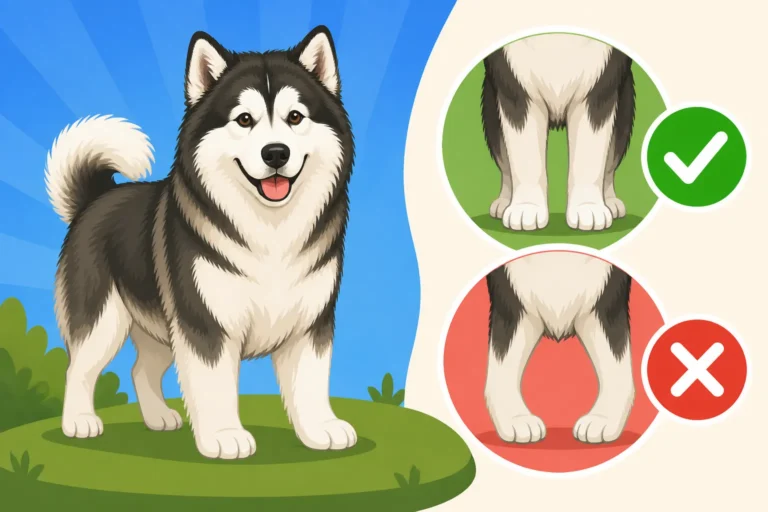
Think about how much they usually love to work. If their usual eagerness for a run or a pull seems diminished, or if they seem unusually stiff after exercise, don't dismiss it. It's not always a dramatic yelp of pain. Sometimes, it's just a subtle shift in their usual powerful, fluid movement. They might stand with their hind legs closer together than usual, or shift their weight more to their front end. These are all clues that their hips might be telling a story of discomfort, and it's up to us to listen closely.
Pain and Discomfort: How Malamutes Hide It
Malamutes, being tough, resilient working dogs, often possess an incredibly high pain tolerance. This trait, while admirable in their original role of pulling heavy sleds through harsh conditions, can be a double-edged sword when it comes to diagnosing health issues like hip dysplasia. They won't usually cry out in pain with every step. Instead, their discomfort often manifests as behavioral changes. They might become a little withdrawn, less playful, or even subtly irritable if you touch their hindquarters. They might avoid certain movements, such as stretching out fully when lying down.
You might also notice muscle atrophy in their hind legs. If they're favoring one hip or avoiding using their hindquarters effectively, the muscles in that area won't get the same workout and can start to waste away. This can create a vicious cycle where weaker muscles lead to even less joint stability. It's important to differentiate this from normal aging, as even Caring for an Alaskan Malamute Past Eight involves keeping an eye on mobility. A change in appetite or a general reluctance to engage in activities they once loved can also be indicators. Never underestimate a Malamute's ability to Why a Malamute Shows Nothing Until It Cannot Work; their instinct is to conceal weakness, making your observational skills all the more critical.
Age of Onset: When to Start Watching
Hip dysplasia isn't usually something that appears suddenly in old age; it's a developmental condition. While the degenerative arthritis that stems from it worsens with age, the underlying laxity is present much earlier. You can start seeing signs in Malamute puppies as young as 4-6 months old, though often the subtle symptoms might not become noticeable until they're around 1 to 2 years of age, as they reach their full size and activity levels increase. This is typically when their bodies are subjected to more stress, and the loose joints start to cause more noticeable issues.
However, the arthritis stemming from hip dysplasia can continue to develop and become more pronounced as the dog ages. An older Malamute who was previously asymptomatic or mildly affected might start showing more significant signs of pain and stiffness due to progressive osteoarthritis. This is why careful monitoring throughout their entire lifespan is essential. If you have a Malamute puppy and are concerned about early signs, discussing Whether a Limping Malamute Puppy Needs X Rays with your vet sooner rather than later can be incredibly helpful in developing a proactive management plan.
Diagnosing Hip Dysplasia in Your Malamute
If you suspect your Malamute might be struggling with hip dysplasia, the next crucial step is getting an accurate diagnosis. This isn't something you can guess at from home; it requires professional veterinary evaluation, often involving specific imaging techniques. Early and accurate diagnosis is key to implementing effective management strategies and, if necessary, exploring surgical options, particularly for a dog whose lifestyle involves demanding activities like freighting.
The Importance of X-rays and Sedation
A definitive diagnosis of hip dysplasia relies heavily on X-ray imaging of the hip joints. While a veterinarian can perform a physical examination to assess range of motion, detect pain, and check for joint laxity (known as the Ortolani sign), these findings are often subjective. X-rays provide a clear, objective view of the bone structure and joint congruity. For accurate X-rays, your Malamute will almost certainly need to be sedated. This isn't just to keep them still; it's essential for properly positioning them.
To get the best diagnostic images, the dog needs to be perfectly aligned on their back, with their hind legs extended straight back and parallel to each other, and their knees rotated inward. This position can be uncomfortable and unnatural, especially for a large, strong dog, and trying to force them into it while awake can be stressful and produce poor-quality, misleading images. Sedation ensures relaxation, proper positioning, and safety for both your Malamute and the veterinary staff, leading to the most reliable diagnostic results. It's a necessary step to get a true picture of what's going on inside those joints.
OFA and PennHIP: Understanding the Certification Bodies
When it comes to official screening for hip dysplasia, two main organizations are widely recognized in North America: the Orthopedic Foundation for Animals (OFA) and the University of Pennsylvania Hip Improvement Program (PennHIP). Both provide methods for evaluating hip health, but they approach it differently.
OFA traditionally relies on a single X-ray view (extended ventrodorsal) taken at two years of age or older. This X-ray is then reviewed by three independent, board-certified radiologists who grade the hips based on several criteria, including congruity, femoral head shape, and acetabular depth. The grades range from Excellent to Dysplastic. A major advantage of OFA is its historical presence and wide acceptance, particularly in conformation breeding circles. For a Malamute, The Age a Malamute Is Certified by OFA is generally 24 months, meaning no official "passing" grade can be given before then.
PennHIP, on the other hand, is a more quantitative method that can be performed on dogs as young as 16 weeks. It uses three distinct X-ray views: the standard extended view, a compression view, and a distraction view. The distraction view, in particular, measures hip laxity by gently pushing the femoral heads out of the sockets and quantifying the amount of displacement (distraction index). This index provides an objective measure of hip laxity, which is a primary indicator of hip dysplasia risk. PennHIP is often considered more predictive of future osteoarthritis and can identify at-risk dogs much earlier. Many breeders use both methods or choose PennHIP for earlier screening and greater objectivity. If your Malamute is involved in demanding activities like freighting, having the most comprehensive information on their hip structure is invaluable.
Interpreting the Grades and Scores
Once your Malamute's hips have been X-rayed and evaluated by OFA or PennHIP, you'll receive a report detailing their hip health. Understanding these results is crucial for managing your dog's care and for making informed breeding decisions if that applies to your situation.
For OFA, the hips are graded as Excellent, Good, Fair (all considered "passing" or non-dysplastic), Borderline, or Mild, Moderate, or Severe Dysplasia. An "Excellent" rating indicates nearly perfect hip conformation, while "Dysplastic" grades signify varying degrees of joint laxity and degenerative changes. Dogs graded Fair may still develop arthritis, but are considered clinically normal at the time of evaluation. Any dog receiving a dysplastic grade should ideally not be bred, to help reduce the incidence of the condition in future generations.
PennHIP results are given as a Distraction Index (DI) for each hip, ranging from 0 to 1. A DI close to 0 indicates very tight hips (less laxity), while a DI closer to 1 indicates very loose hips (more laxity). The report will also include a percentile ranking, showing how your dog's hips compare to other Malamutes evaluated by PennHIP. For example, a dog in the 90th percentile has tighter hips than 90% of Malamutes in the database. Dogs with DIs greater than 0.3 or 0.4 are typically considered at increased risk for developing hip dysplasia. These objective measurements are particularly useful for breeders trying to improve hip health within their lines, allowing them to select breeding dogs with the tightest hips possible. No matter which method is used, these reports are critical pieces of information for a Malamute owner committed to their dog's long-term health and ability to participate in activities like freighting.
Managing Hip Dysplasia in a Freighting Malamute
Discovering your Malamute has hip dysplasia can be incredibly disheartening, especially if you had dreams of them becoming a top freighting dog. However, a diagnosis isn't an immediate end to an active life. Many Malamutes with hip dysplasia can live fulfilling, comfortable lives with the right management strategy. The key is a proactive approach, tailoring their care to their specific needs, and understanding that their working capabilities might need adjustments.
Conservative Management: Medications and Physical Therapy
For many Malamutes with hip dysplasia, especially those with mild to moderate forms, conservative management is the first line of defense. This approach focuses on alleviating pain, reducing inflammation, and maintaining muscle mass and joint function without surgery. Non-steroidal anti-inflammatory drugs (NSAIDs) are commonly prescribed by veterinarians to reduce pain and inflammation, allowing your dog to move more comfortably. Brands like Rimadyl, Metacam, or Galliprant are typical choices, but always use them under vet supervision as they can have side effects. Other medications, such as gabapentin, might be used for neuropathic pain, or amantadine for chronic pain.
Beyond medication, physical therapy (PT) is a game-changer. A certified canine rehabilitation therapist can develop a tailored exercise program designed to strengthen the muscles supporting the hip joint, improve range of motion, and reduce pain. This might include hydrotherapy (underwater treadmill), therapeutic exercises, massage, stretching, and modalities like laser therapy or therapeutic ultrasound. The goal is to build a strong "muscle corset" around the hips, providing natural support. Joint supplements like glucosamine, chondroitin, and MSM, often found in products like Dasuquin or Cosequin, can also support cartilage health and reduce inflammation, though their efficacy varies between individuals. For a Malamute, considering Joint Supplements for an Alaskan Malamute early on can be a good proactive measure.
Surgical Options: When and Why They're Considered
While conservative management works for many, some Malamutes, particularly those with severe hip dysplasia or those who don't respond well to medication and PT, might benefit from surgical intervention. The decision for surgery is a significant one, with various factors to consider, including the dog's age, severity of the condition, and your financial situation. Pet insurance plans, such as those offered by Healthy Paws, can be invaluable here, as surgery costs can be substantial.
Several surgical procedures are available:
- Juvenile Pubic Symphysiodesis (JPS): This is a preventive surgery performed only on young puppies (typically 14-20 weeks old). It involves fusing a portion of the pelvis to encourage better development of the hip socket as the puppy grows. It's only effective if done before significant growth has occurred.
- Triple Pelvic Osteotomy (TPO) or Double Pelvic Osteotomy (DPO): These procedures are for younger dogs (usually under 10-12 months) with significant laxity but minimal existing arthritis. They involve cutting the pelvis in three (or two) places, rotating the segments to improve the coverage of the femoral head by the acetabulum, and then stabilizing them with plates and screws.
- Femoral Head Ostectomy (FHO): This is a salvage procedure where the head and neck of the femur are removed. The body then forms a "false joint" of scar tissue. It's often considered for smaller or less active dogs, or when a total hip replacement isn't feasible. While it can relieve pain, it may result in a slightly altered gait and may not be ideal for a dog expected to perform strenuous freighting work.
- Total Hip Replacement (THR): This is the gold standard for severe, painful hip dysplasia. It involves replacing both the ball and socket with prosthetic implants. THR offers the best chance for a pain-free, fully functional hip, often allowing dogs to return to high-level activities. However, it's a major surgery, expensive, and requires a long recovery period.
The choice of surgery depends on many factors, and a thorough discussion with a veterinary orthopedic specialist is essential to determine the best path for your Malamute.
Tailoring Workloads for a Dysplastic Malamute
For a freighting Malamute diagnosed with hip dysplasia, whether managed conservatively or surgically, one of the most challenging adjustments is tailoring their workload. The days of hauling maximum weight over long distances might be over, but that doesn't mean their working spirit needs to be extinguished. It's about modifying, not eliminating. Whether Pulling Weight Damages a Malamute's Hips is a common concern, and the answer, when dealing with dysplasia, is often yes, if not done carefully.
The primary goal is to minimize repetitive high-impact stress on the hip joints while still providing mental and physical stimulation. This might mean switching from heavy freighting to lighter loads, shorter distances, or activities like canicross or bikejoring where the impact is spread across all four legs and the pace is more controlled. Some dogs might excel at nose work or obedience, which still engages their intelligence and drive without stressing their hips. For those who can still pull, carefully assess their comfort levels, avoiding hills or uneven terrain that put extra strain on their hindquarters. It's also vital to respect rest days and use proper warm-up and cool-down routines. The key is to listen to your dog. If they show any signs of discomfort or stiffness, even after a modified session, it's time to re-evaluate. It's a journey of continuous adjustment, always prioritizing their comfort and long-term well-being over performance.
Lifestyle Adjustments for a Malamute with Hip Dysplasia
Living with a Malamute with hip dysplasia means making ongoing adjustments to their daily life to ensure their comfort, manage their pain, and preserve their mobility for as long as possible. These changes span everything from how they exercise to what they eat and even the setup of your home. It’s a holistic approach aimed at supporting their physical and mental health.
Exercise Modifications and Safe Activities
While a dysplastic Malamute might not be able to perform the heavy freighting work they were bred for, exercise is still critical for maintaining muscle mass, joint flexibility, and mental well-being. The focus shifts from high-impact, strenuous activity to low-impact, controlled movement. Swimming is often hailed as one of the best exercises for dogs with hip dysplasia, as it provides a full-body workout without any concussive force on the joints. If you have access to a pool or safe body of water, it can be a fantastic way to keep them fit.
Controlled leash walks on soft, even surfaces are also beneficial. Short, frequent walks are often better than one long, taxing one. Avoid activities that involve jumping, sudden stops and starts, or twisting motions. Think about replacing high-energy games of fetch with scent work or puzzle toys that engage their minds without straining their bodies. Some Malamutes can still enjoy lighter forms of pulling, like canicross or bikejoring, but with careful monitoring and strictly controlled distances and terrain. Remember, How Much Weight a Malamute Can Safely Pull needs to be drastically re-evaluated if they have hip dysplasia. Always consult with your vet or a canine rehabilitation specialist to devise an appropriate exercise plan that suits your dog's specific condition and limitations.
Nutritional Support and Weight Management
Maintaining a healthy weight is arguably one of the most impactful things you can do for a Malamute with hip dysplasia. Every extra pound puts additional stress on already compromised joints, accelerating wear and tear and increasing pain. It's a simple equation: less weight equals less stress. Work closely with your vet to determine an ideal lean body weight for your Malamute and stick to a feeding plan that helps them achieve and maintain it. This often means carefully portioning food, avoiding excessive treats, and choosing a high-quality diet appropriate for their activity level.
Beyond weight, certain nutritional supplements can support joint health. We've already touched on glucosamine and chondroitin. Omega-3 fatty acids, particularly EPA and DHA found in fish oil, are powerful natural anti-inflammatories that can help reduce joint pain and stiffness. Antioxidants like Vitamin E and C, and compounds like turmeric or green-lipped mussel, are also popular additions. While these supplements aren't a cure, they can be a valuable part of a comprehensive management strategy. Always introduce new supplements gradually and discuss them with your vet to ensure they're appropriate for your dog and won't interact negatively with any medications.
Home Modifications for Comfort and Mobility
Making simple changes around your home can significantly improve your Malamute's comfort and mobility. The goal is to reduce strain on their hips and prevent falls. Start with traction: slippery floors, like hardwood or tile, can be a nightmare for a dog with weak or painful hips. Lay down non-slip rugs or runners, especially in high-traffic areas or where they usually get up and lie down.
Consider investing in an orthopedic dog bed. These beds provide superior support and cushioning, alleviating pressure points and making it easier for them to get comfortable and to rise. Ramps can be invaluable for helping your Malamute get into and out of cars, onto furniture (if they're allowed), or up and down stairs, saving their hips from painful impact. If they struggle with stairs, try to limit access or carry them if they're small enough (though with a Malamute, that's rarely the case!). Raised food and water bowls can also make eating and drinking more comfortable, preventing them from having to bend down too far. Small changes can make a world of difference in their daily comfort and overall quality of life.
Preventing Hip Dysplasia: What You Can Do
While genetics play a huge role, and you can't guarantee a Malamute will never develop hip dysplasia, there are significant steps you can take to minimize the risk and give your dog the best possible chance at healthy joints. Prevention truly starts before your puppy even comes home and continues throughout their life.
Responsible Breeding Practices and Genetic Screening
This is the absolute cornerstone of preventing hip dysplasia. If you're looking for a Malamute puppy, choosing a responsible breeder is paramount. A responsible breeder will meticulously health-test their breeding stock for a variety of genetic conditions, including hip and elbow dysplasia, as well as inherited eye conditions and polyneuropathy. They will not breed any dog that has been diagnosed with hip dysplasia. They will also be transparent about the health history of their dogs and their lines, showing you the OFA or PennHIP certifications for both parents. Don't be shy about asking to see these records; a good breeder will be proud to share them.
The goal isn't just to breed "clear" dogs, but to use these tools to select dogs with the best possible hip conformation, striving for improvements in each generation. You should also ensure that the breeder has performed The Health Tests Both Alaskan Malamute Parents Should Have, not just for hips but for all common Malamute genetic ailments. Be wary of breeders who offer puppies at suspiciously low prices, don't conduct health testing, or make excuses for not having certifications. These breeders are contributing to the problem rather than solving it, and buying from them supports irresponsible practices.
Puppy Rearing: Early Life Care for Joint Health
Once you bring your Malamute puppy home, proper rearing plays a critical role in joint development. The goal is slow, steady growth, not rapid bulk. Feed a high-quality large breed puppy food that is formulated for controlled growth, ensuring appropriate calcium and phosphorus levels. Avoid overfeeding, as excessive weight gain in puppyhood puts immense stress on developing joints. Keep your puppy lean, letting them fill out naturally as they mature.
Equally important is appropriate exercise. While puppies need playtime, avoid high-impact activities like excessive jumping, leaping off furniture, or forced, long-distance running before their growth plates have closed. Short, frequent play sessions on soft surfaces are ideal. Allow them to self-regulate their play, meaning they should decide when they've had enough. Protect them from injury by preventing them from repeatedly going up and down stairs or engaging in activities that involve sharp turns or twists. The goal is to let their bones and joints develop naturally and strongly, without undue stress during those crucial first 12-18 months.
Ongoing Monitoring and Proactive Care
Prevention isn't just a one-time thing; it's an ongoing commitment throughout your Malamute's life. Regularly monitor their weight to ensure they stay lean. Whether a Malamute Gains Weight Easily is a concern, so consistent weight checks are crucial. Continue to provide appropriate, moderate exercise that keeps them fit without overtaxing their joints. This includes daily walks, swimming, or other low-impact activities. Pay close attention to their gait and movement patterns. Are they getting up slower? Are they reluctant to jump? Any subtle changes should prompt a call to your veterinarian.
Consider incorporating joint supplements into their diet as they age, even if they show no signs of dysplasia. Proactive supplementation with ingredients like glucosamine, chondroitin, and omega-3s can support joint health and potentially delay the onset or progression of arthritis. Regular veterinary check-ups are also essential, allowing your vet to assess their mobility and discuss any concerns you might have. For a working dog breed like the Malamute, ensuring they are not Whether a Working Malamute Wears Out Early due to preventable issues is key. With vigilance and consistent care, you can significantly improve your Malamute's chances of maintaining healthy, functional hips for years to come.
Long-Term Outlook and Quality of Life
Receiving a diagnosis of hip dysplasia can feel like a life sentence, especially for an active breed like the Alaskan Malamute. However, it's crucial to remember that a diagnosis is not the end of a good life. With dedicated care, thoughtful management, and an unwavering commitment to your dog's well-being, many Malamutes with hip dysplasia can continue to enjoy a high quality of life, even if their freighting days are limited or altered.
Prognosis with Conservative vs. Surgical Management
The long-term outlook for a Malamute with hip dysplasia largely depends on the severity of the condition and the chosen management strategy.
With conservative management, the prognosis for comfort and mobility is generally good for dogs with mild to moderate dysplasia, especially if caught early and managed diligently. This approach focuses on slowing the progression of arthritis, managing pain, and maintaining muscle support. Many dogs can remain comfortably active for years, but owners must be realistic about activity limitations and commitment to ongoing medication, supplements, and physical therapy. The goal is to keep them comfortable and mobile, not necessarily to return them to peak freighting condition.
For surgical management, the prognosis varies greatly by procedure. JPS and TPO/DPO, when performed on appropriate candidates (young dogs with minimal arthritis), can offer an excellent prognosis for long-term hip function and a significant reduction in the risk of severe arthritis. Dogs often return to a high level of activity. FHO can provide significant pain relief, but the outcome regarding full functionality can be more variable, often leading to some degree of gait abnormality or muscle loss, making strenuous pulling difficult. Total Hip Replacement (THR) offers the most promising outcome for restoring near-normal, pain-free function, even allowing some dogs to return to moderate working activities. However, it's a major undertaking with potential complications and requires a substantial recovery period. Regardless of the path, the commitment to post-operative rehabilitation is crucial for the best possible outcome.
Supporting Your Malamute's Mental Well-being
Beyond the physical aspects, it's vital not to overlook your Malamute's mental and emotional well-being when dealing with hip dysplasia. These are intelligent, driven dogs who thrive on purpose and activity. If their physical limitations prevent them from engaging in their usual freighting work or high-energy play, they can become bored, frustrated, or even depressed. This is where creative solutions come into play.
Find alternative activities that engage their powerful minds and keen senses without stressing their hips. Scent work, known as "nose work," is fantastic for this, allowing them to use their natural tracking abilities. Puzzle toys, interactive feeders, and trick training can also provide mental stimulation. Short, gentle walks in new environments can offer sensory enrichment. Positive reinforcement training sessions, focusing on basic obedience or fun tricks, keep them engaged and feeling productive. Even quiet companionship and consistent routines can offer immense comfort. The goal is to ensure they still feel valued, have a "job," and experience joy, even if that job looks different than initially envisioned. Remember, a happy dog is one whose mental needs are met, even if their body has limitations.
When to Make Difficult Decisions
This is perhaps the hardest part of owning any dog with a chronic, progressive condition like hip dysplasia. There may come a time when, despite all your efforts, medications, therapies, and love, your Malamute's pain becomes unmanageable, and their quality of life significantly diminishes. Recognizing this point requires honest self-reflection and close observation of your dog's overall well-being.
Signs that your Malamute might be struggling too much include constant, unremitting pain that isn't controlled by medication, extreme reluctance to move, inability to perform basic functions (like standing or eliminating comfortably), severe muscle wasting, or a profound loss of interest in food, family, or previously enjoyed activities. It’s a gut-wrenching decision, but ultimately, it’s a final act of love and kindness to prevent prolonged suffering. Having a frank discussion with your veterinarian about quality of life scales and what the "red flags" might look like is crucial. Being prepared for this possibility, and knowing that you've done everything in your power to give them a good life, can bring a small measure of peace during an incredibly difficult time. Organizations like Healthy Paws can also offer support and guidance for difficult decisions, as they understand the profound bond between pets and their families.
Disclaimer
This article is for general informational purposes only and does not constitute professional advice. Laws, prices and regulations vary by location and change over time. Consult a qualified professional for guidance on your specific situation.