The Age a Malamute’s Growth Plates Close
It's completely natural to be excited about getting your new Alaskan Malamute puppy out and about, ready to explore the world and maybe even start some light training. But pushing them too hard, too fast, before their bodies are fully developed can lead to a lifetime of pain and expensive veterinary bills. Understanding when your Malamute's growth plates close is absolutely vital to preventing irreversible joint damage and ensuring they grow into a robust, happy adult.
Understanding Growth Plates and Why They Matter for Your Malamute
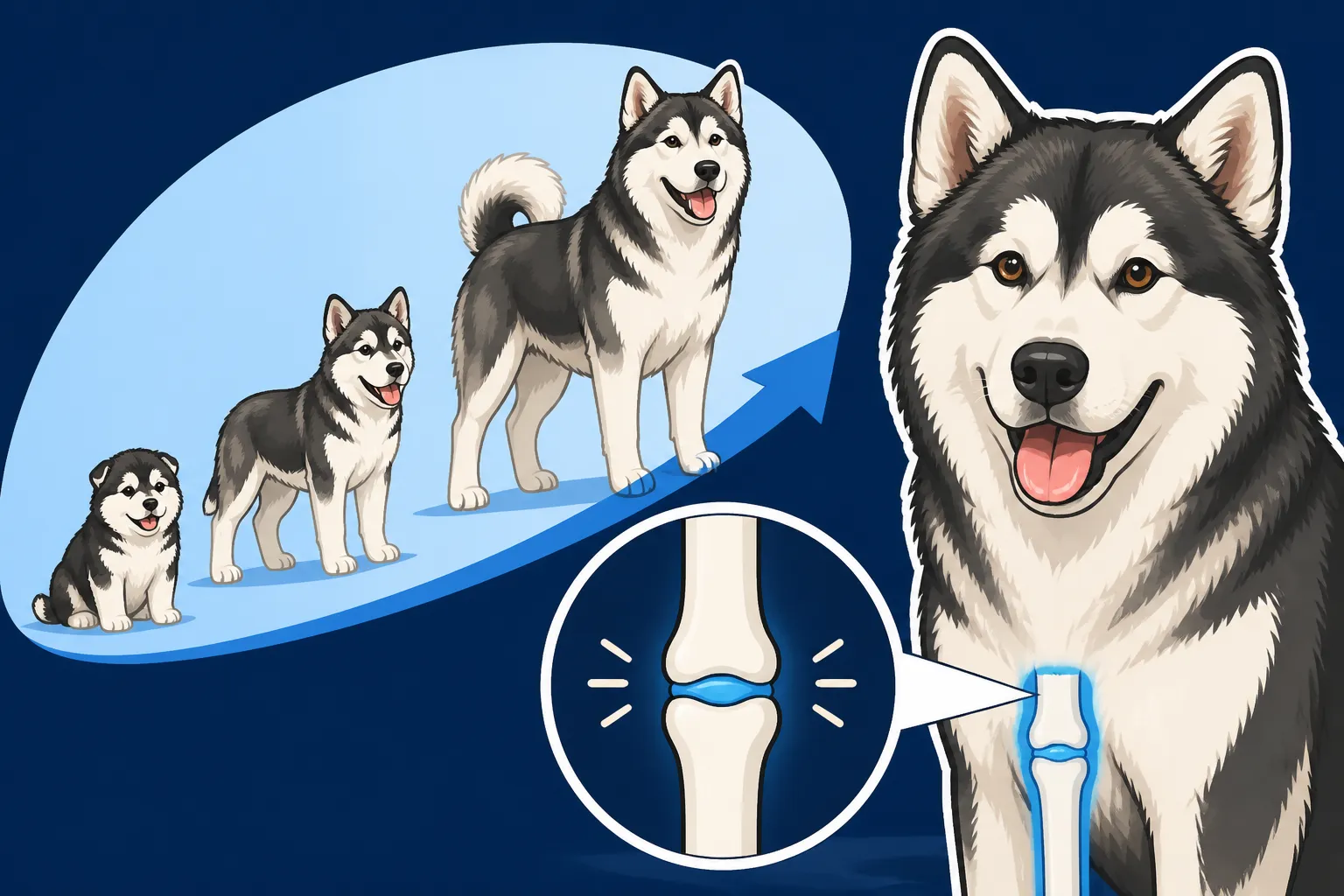
Before we dive into the specifics for our magnificent Malamutes, let’s talk a little about what growth plates actually are. Think of them as the unsung heroes of your puppy's bone development. These are areas of soft, cartilage-like tissue located near the ends of long bones in growing dogs, like those in their legs. They're basically the engine room for bone growth, allowing the bones to lengthen as your puppy gets bigger.
The Delicate Nature of Puppy Growth Plates
Unlike mature bone, which is strong and dense, growth plates are incredibly fragile. They are the weakest part of a puppy's skeleton, even weaker than ligaments or tendons. This means that a relatively minor bump, twist, or sustained impact that might barely faze an adult dog could cause significant damage to a puppy's growth plates. This vulnerability is why we're so careful about jumping, intense running, or forced exercise during their crucial development period. The consequence of damage can be severe, potentially leading to malformed limbs, lameness, or even conditions like osteochondritis dissecans (OCD) or early onset arthritis.
Imagine a young sapling, still flexible and easily bent, compared to a fully grown oak tree. Your Malamute puppy's bones are like that sapling. They're growing, but not yet hardened and resilient. Any excessive stress on these delicate areas can cause them to close prematurely, or to grow unevenly, leading to a permanent structural problem. It's a real worry for owners of large, fast-growing breeds like Malamutes, who put a lot of weight and stress on their developing joints.
Long-Term Impact of Growth Plate Injuries
The implications of a growth plate injury aren't just about a temporary limp. If a growth plate is damaged, it can stop growing on one side while the other side continues, leading to an angular limb deformity. This is not only unsightly but can cause chronic pain, abnormal gait, and significantly increase the risk of developing painful arthritis later in life. A leg might be permanently shorter, or bowed, creating an uneven weight distribution that strains other joints.
The sad reality is that many of these issues become chronic. While surgical intervention can sometimes correct severe deformities, it’s often complex, costly, and not always fully successful. This is why prevention is paramount. Investing in smart, cautious management of your Malamute's exercise and nutrition during their first couple of years is an investment in their long-term health and well-being. Thinking about potential issues like Hip Dysplasia in a Freighting Alaskan Malamute down the line, these early growth plate considerations are foundational.
The Typical Timeline for Malamute Growth Plate Closure
For an Alaskan Malamute, a large and relatively slow-maturing breed, the growth plates generally close later than in smaller dogs. While there isn't one single "magic date" for all growth plates in every Malamute, we can provide a pretty solid window.
General Age Range for Closure in Large Breeds
In large and giant breeds like our Malamutes, growth plates typically begin to close around 12 months of age, but many can remain open and continue to fuse until they are 18 to even 24 months old. The precise timing varies depending on the specific bone and the individual dog's genetics, nutrition, and overall health. Some bones, like those in the paws, might close earlier, while critical load-bearing joints like the elbows and hips take longer.
For instance, the growth plates in the elbows are notoriously slow to close, making them particularly vulnerable to injury during adolescence. This is why activities involving repetitive impact, such as jumping from heights, long-distance running, or intense agility work, are discouraged until well after the 18-month mark. It’s also why many breeders and veterinarians advocate for a slow and steady growth rate for Malamute puppies, as discussed in Why a Malamute Puppy Should Grow Slowly. Fast growth can put undue stress on these developing structures.
Specific Closure Times for Key Joints
While it's hard to give an exact chart that applies to every single Malamute, here’s a general overview for large breeds, which includes our magnificent Alaskan Malamutes. Keep in mind these are approximations, and some variation is normal:
| Bone/Joint | Typical Closure Age (Months) | Notes |
|---|---|---|
| Distal Ulna | 8 – 12 | Crucial for elbow development. Early closure can cause bowed legs. |
| Distal Radius | 8 – 12 | Also part of elbow development. |
| Proximal Humerus | 10 – 14 | Upper arm bone. |
| Femur (Thigh Bone) | 14 – 18 | Especially the proximal (hip end) and distal (knee end). |
| Tibia (Shin Bone) | 14 – 18 | Also proximal and distal ends. |
| Pelvis | 12 – 18 | Important for hip joint integrity. |
| Spine/Vertebrae | Up to 24 | Spinal growth plates can be some of the last to fully fuse. |
This table highlights that while many plates are starting to close around a year, many critical ones, especially in the hips and knees, are still vulnerable for several more months. This is why you'll often hear advice about keeping large breed puppies from intense activities until they are at least 18 months, or even two years old. It's a long wait, but it's entirely worth it for a sound, healthy adult dog. Ignoring these timelines can lead to serious conditions like elbow dysplasia or hip dysplasia, often manifesting in a puppy limping, which might necessitate X-rays to diagnose, as explored in Whether a Limping Malamute Puppy Needs X Rays.
Factors Influencing Growth Plate Closure
Several factors can influence how and when a Malamute's growth plates close. Genetics, of course, plays a huge role. A puppy from lines known for healthy joints and sound structure is generally at a lower risk, assuming proper care. This underscores the importance of seeking out reputable breeders who conduct The Health Tests Both Alaskan Malamute Parents Should Have.
Nutrition is another massive piece of the puzzle. Overfeeding or feeding a diet too high in calories and calcium can lead to excessively rapid growth, which puts immense strain on developing growth plates and joints. This is a common mistake owners make, thinking more food equals a bigger, stronger dog, when in fact, it often leads to developmental orthopedic diseases. Balanced nutrition designed for large breed puppies is crucial to support a steady, healthy growth rate. Think about it – a Malamute puppy doesn't need to bulk up fast; they need to grow strong and steady.
Lastly, and critically, activity levels matter. Excessive high-impact exercise, jumping, or forced running can cause repetitive microtrauma to the growth plates, potentially leading to premature closure or uneven growth. This is particularly true for heavy-bodied breeds like Malamutes, whose sheer mass exacerbates the forces on their young joints. It’s not about restricting all activity, but rather choosing appropriate, low-impact exercise until full skeletal maturity.
Protecting Your Malamute's Joints During Their Crucial Growth Period
Protecting your Malamute’s developing joints is one of the most important jobs you have as a puppy owner. It requires patience, diligence, and a solid understanding of what's appropriate for their age.
Appropriate Exercise Regimen for Growing Malamutes
During the first 18-24 months of your Malamute's life, the goal is controlled, low-impact exercise. Forget about long-distance running, intense agility, or demanding weight-pulling activities. Instead, focus on:
- Controlled Leash Walks: Short, frequent walks on soft surfaces like grass are ideal. Allow them to sniff and explore at their own pace.
- Supervised Play: Gentle play sessions with other well-matched, calm dogs can be beneficial for socialization and burning off energy, but strictly avoid roughhousing, jumping games, or excessive chasing.
- Swimming: This is fantastic for joint development because it's non-weight bearing. If your Malamute enjoys it, swimming is an excellent way to build muscle without stressing delicate growth plates.
- Short, Frequent Sessions: Instead of one long walk, several shorter walks throughout the day are much better for a growing puppy.
Avoid activities that involve high-impact landings, repetitive jumping (like off furniture or out of cars), or running on hard surfaces like concrete or asphalt for extended periods. Even playing fetch can be too intense if it involves sudden stops, starts, and leaps. Remember, a Malamute isn't fully mature until around two years old, and rushing them into demanding work, like determining How Much Weight a Malamute Can Safely Pull, before that time can have serious consequences.
The Role of Nutrition in Healthy Bone Development
Feeding your Alaskan Malamute puppy correctly is just as vital as managing their exercise. The common misconception that more protein or more calcium makes stronger bones is actually dangerous. For large breeds, too much of either, especially calcium, can disrupt normal bone and cartilage development.
- Large Breed Puppy Formulas: Always opt for a high-quality large breed puppy food. These formulas are specifically designed with appropriate calcium-to-phosphorus ratios and controlled calorie levels to support slow, steady growth. Brands like Royal Canin Large Breed Puppy or Hill's Science Diet Large Breed Puppy are formulated to prevent rapid growth spurts that can stress developing joints.
- Avoid Supplementation Unless Directed: Do not add extra calcium, vitamins, or minerals to your puppy's diet unless specifically instructed by your veterinarian. Excess supplementation can do more harm than good, leading to skeletal abnormalities.
- Maintain a Lean Body Condition: An overweight puppy puts additional stress on its growth plates and developing joints. You should be able to easily feel your Malamute's ribs without seeing them, and they should have a discernible waist. If your Malamute puppy is looking a bit chunky, that extra weight isn't helping their joints, and could lead to issues like Whether an Overweight Malamute Overheats Faster due to the insulating coat on top of excess body fat. Pay close attention to How Much an Alaskan Malamute Puppy Eats at Four Months to avoid overfeeding.
Regular Veterinary Check-ups and Preventative Care
Routine veterinary check-ups are essential throughout your Malamute's growth period. Your vet can monitor their growth rate, assess their gait, and provide personalized advice on exercise and nutrition. They can also address any concerns you might have about unusual limping or stiffness.
- Early Intervention: If you notice any signs of lameness, stiffness, reluctance to play, or an unusual gait, contact your veterinarian immediately. Early diagnosis and intervention can make a significant difference in the outcome of growth plate or joint issues. Pet insurance providers like Healthy Paws are excellent for covering unexpected vet costs, giving you peace of mind if an issue arises.
- Discussing Long-Term Health: Use these appointments to discuss your Malamute's long-term joint health strategy, including when it might be safe to introduce more strenuous activities or whether Joint Supplements for an Alaskan Malamute would be beneficial later on.
- Understanding Insurance: Many pet owners find themselves unprepared for the costs of orthopedic issues. Pet insurance can be a lifesaver. Companies like Healthy Paws offer comprehensive plans that can cover a significant portion of diagnostic tests, surgeries, and long-term treatments if your Malamute develops a condition like hip or elbow dysplasia. It’s always worth looking into during The First Year With an Alaskan Malamute Puppy, before any pre-existing conditions develop.
Recognizing Warning Signs and When to Seek Veterinary Advice
Even with the best preventative care, sometimes issues can arise. Knowing what to look for and when to act is crucial for your Malamute's well-being.
Common Indicators of Growth Plate or Joint Issues
It can be hard to tell if a puppy is truly injured or just clumsy. However, certain signs should never be ignored. Be vigilant for any of the following:
- Limping or Lameness: This is the most obvious sign. If your Malamute is consistently favoring a limb, or suddenly can't put weight on it, it's a red flag. This isn't just a "growing pain" issue; it warrants immediate veterinary attention.
- Stiffness or Reluctance to Move: A puppy that is usually full of boundless energy but suddenly becomes reluctant to jump, play, or go for walks might be experiencing discomfort. They might struggle to get up after resting or show stiffness, especially in the mornings.
- Changes in Gait: Observe how your Malamute walks and runs. Are they walking "crab-like"? Is one leg moving differently than the others? Are they bunny hopping? These could all indicate an underlying issue.
- Swelling or Pain to the Touch: Gently palpate your Malamute's legs and joints. If you notice any localized swelling, heat, or if they react negatively to you touching a specific area, it could indicate inflammation or injury.
- Decreased Appetite or Lethargy: While not specific to joint issues, if combined with other symptoms, a general malaise can signal that something is seriously wrong.
- Changes in Activity Level: If your Malamute stops wanting to play, becomes withdrawn, or seems generally "off," it’s always best to get them checked out.
Remember, Malamutes are generally stoic dogs. They were bred to work through discomfort, so if they are showing overt signs of pain, it means the issue is likely significant. Trust your gut; if something feels wrong, it probably is.
Diagnostic Procedures and Treatment Options
When you bring your Malamute to the vet with suspected growth plate or joint issues, they will perform a thorough physical examination, checking their range of motion, palpating joints, and observing their gait.
- X-rays (Radiographs): This is the primary diagnostic tool. X-rays allow the vet to visualize the bones and growth plates. They can determine if growth plates are open, if there's any damage, fractures, or signs of conditions like hip or elbow dysplasia. Sometimes, sedation might be necessary to get clear, precise images.
- Further Imaging: In more complex cases, your vet might recommend advanced imaging techniques like CT scans or MRI, which provide even more detailed views of soft tissues and bone structures.
- Blood Tests: While less direct for growth plate issues, blood tests can rule out other underlying health conditions or inflammatory processes.
- Treatment Pathways: Treatment depends entirely on the diagnosis. For minor injuries, rest, anti-inflammatory medications, and controlled rehabilitation might be sufficient. For more severe growth plate fractures or deformities, surgical intervention could be necessary. This might involve setting broken bones, fusing growth plates, or even complex corrective osteotomies (bone cutting and reshaping).
- Long-Term Management: Even after initial treatment, many growth plate or joint issues require long-term management, which can include physical therapy, weight management, Joint Supplements for an Alaskan Malamute, and potentially ongoing pain relief. Having pet insurance, like a policy from Healthy Paws, can significantly ease the financial burden of these extensive treatments and therapies. It's truly a safety net for those unexpected, costly health challenges.
Being proactive and educated about your Malamute's growth and development is the best way to ensure they lead a full, active, and pain-free life. Patience during their puppyhood will pay dividends for years to come.
Disclaimer
This article is for general informational purposes only and does not constitute professional advice. Laws, prices and regulations vary by location and change over time. Consult a qualified professional for guidance on your specific situation.