How Much Weight a Malamute Can Safely Pull
It’s a common sight: a magnificent Alaskan Malamute, harness on, pulling with purpose. But if you’re new to this powerful breed, or perhaps considering getting into activities like weight pull or sledding, you might find yourself wondering just how much weight these incredible dogs can actually haul without putting themselves at risk. This guide will delve into the factors that determine a Malamute's safe pulling capacity, helping you ensure your beloved companion can enjoy their natural instincts responsibly.
Understanding the Malamute's Natural Aptitude for Pulling
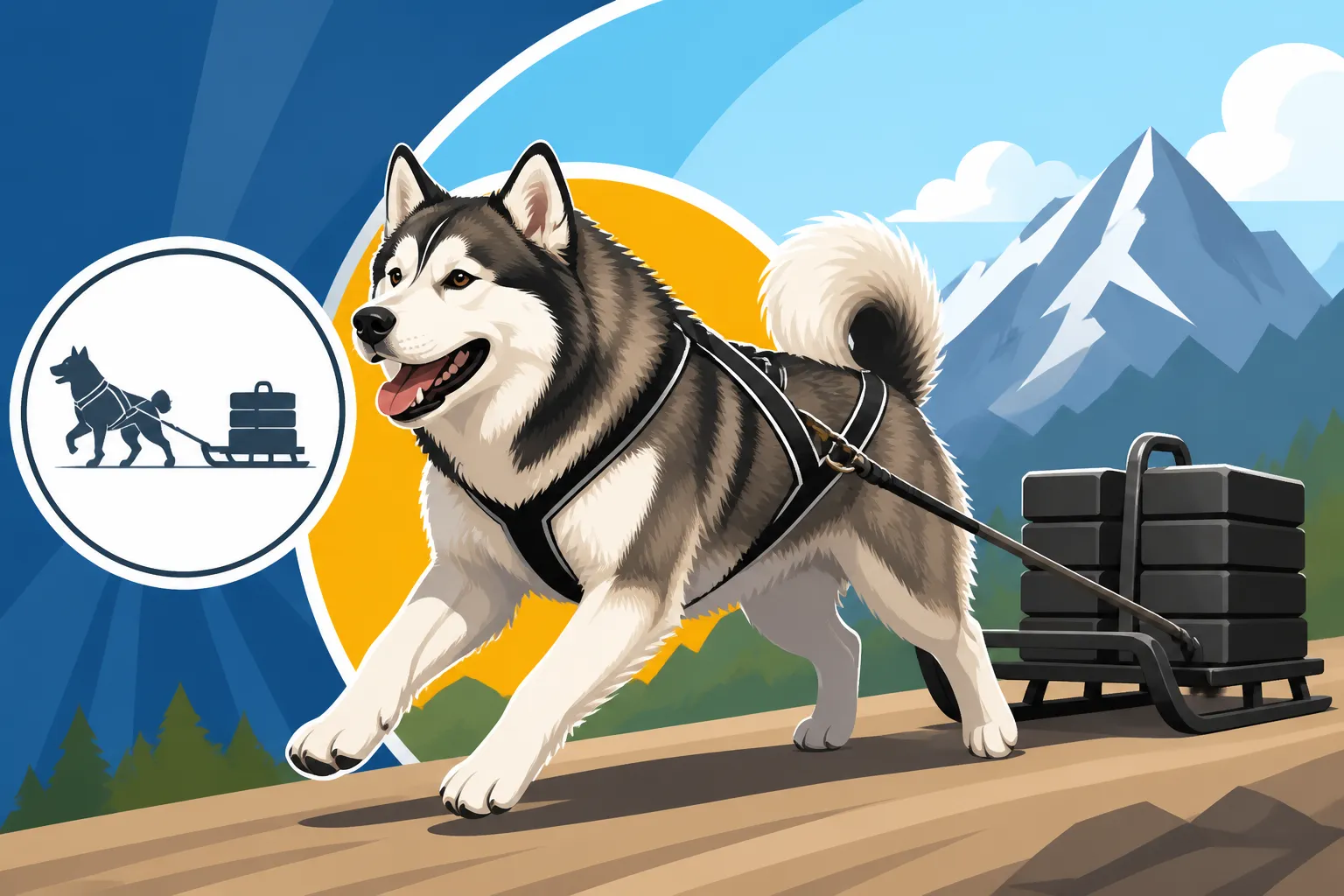
The Alaskan Malamute was literally bred for this. Their entire history, woven into the fabric of the Mahlemut people of Alaska, is centered around their role as heavy freighting dogs. They weren't designed for speed like some other sled dog breeds, but rather for endurance and the ability to pull substantial loads over long distances in harsh Arctic conditions. This isn't just a hobby for them; for many Malamutes, Pulling Is the Only Job an Alaskan Malamute Really Wants, it's an ingrained part of who they are, a deep-seated instinct that comes alive when they feel the tension in a harness.
Their physical build reflects this purpose perfectly. Malamutes possess a dense, muscular body, powerful shoulders, and deep chests, all designed to generate immense power and stamina. Their broad, well-padded feet provide excellent traction, even on snow and ice, while their thick double coat offers insulation against extreme cold. To ask a Malamute not to pull is, in many ways, to deny a fundamental part of its heritage and genetic makeup. They thrive on having a job, and pulling provides that mental and physical outlet in a way few other activities can.
Factors Influencing a Malamute's Safe Pulling Capacity
Determining how much weight your Malamute can safely pull isn't as simple as looking up a generic number. It's a complex equation involving several key variables, and a responsible owner will consider each one carefully to prevent injury and ensure their dog's well-being. Rushing into heavy loads without proper preparation can lead to serious health issues or, at the very least, a Malamute who quickly loses interest in the activity.
Age and Development
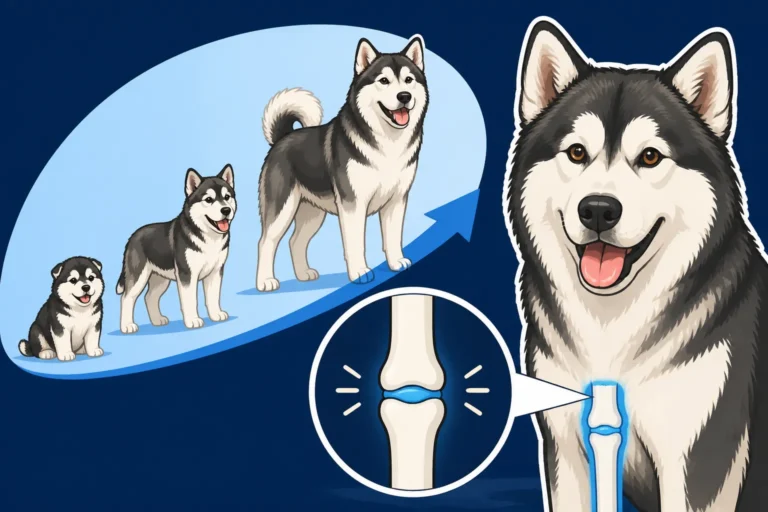
Just like human athletes, Malamutes need to mature before taking on heavy work. Puppies and young adolescents are still growing, and their bones, joints, and ligaments are not yet fully developed. Introducing weight pulling too early can lead to irreversible damage. Most experts and Malamute clubs recommend waiting until a dog is at least 18 months to two years old before engaging in serious weight-pulling activities. This gives their skeletal system time to fully ossify and strengthen. Even then, you should start with very light weights and gradually increase the load. Before that age, focus on basic obedience, leash manners, and building muscle through regular, moderate exercise. Understanding The Age a Malamute Can Start Pulling is critical for their long-term health.
Health and Physical Condition
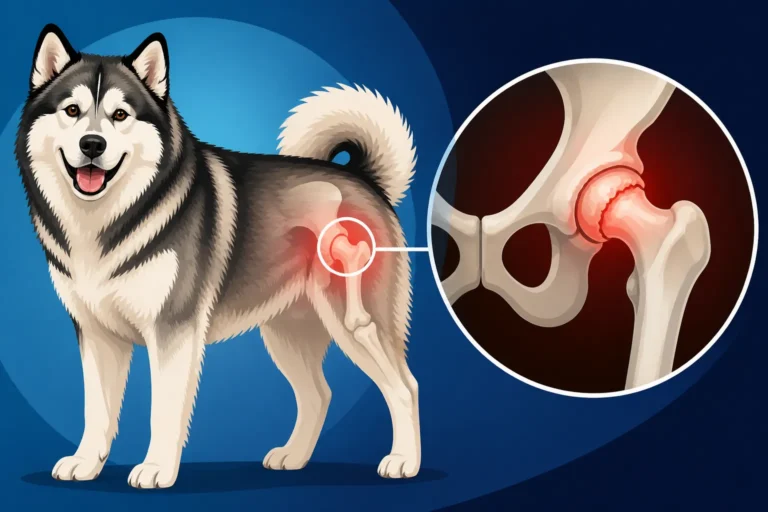
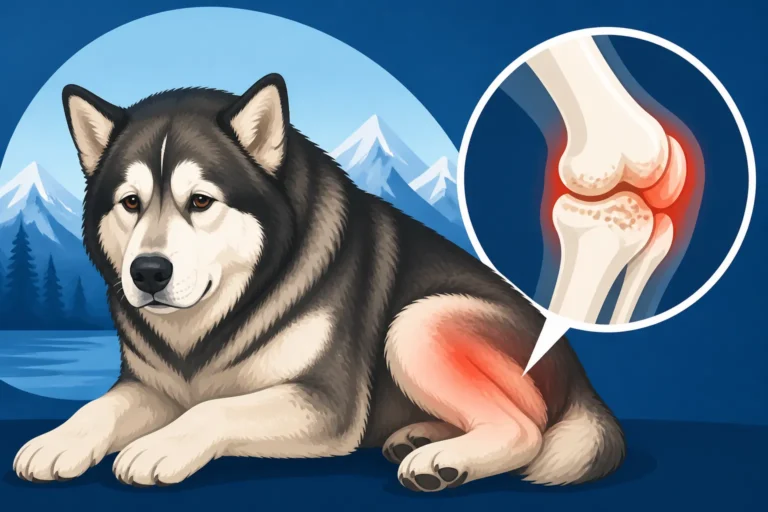
A Malamute needs to be in peak physical condition to pull weight safely. Any underlying health issues, no matter how minor, can be exacerbated by the strain of pulling. This means a thorough vet check-up is absolutely essential before starting any rigorous pulling regimen. Your veterinarian can assess joint health, cardiovascular fitness, and overall soundness. Issues like hip or elbow dysplasia, even if mild, can make weight pulling dangerous. Regular exercise, a balanced diet, and maintaining an ideal body weight are fundamental. Overweight dogs are at a much higher risk of injury, as are those who are not regularly conditioned. A good pet insurance plan, like those offered by Healthy Paws, can provide peace of mind if an unforeseen injury or health issue arises from their active lifestyle.
Training and Conditioning Level
You wouldn't expect a couch potato human to run a marathon without training, and the same applies to your Malamute. Proper conditioning is paramount. This involves a gradual increase in the intensity and duration of their pulling workouts. Start with an empty harness, then a light drag, and slowly build up. Their muscles need to adapt, and their cardiovascular system needs to strengthen. Consistent training, several times a week, is far more effective than sporadic, intense sessions. A well-conditioned Malamute will have strong core muscles, powerful hindquarters, and excellent stamina. This also includes mental conditioning – teaching them to focus, understand commands, and maintain good pulling form. Without proper training, a Malamute might pull awkwardly, leading to strain.
Equipment Quality and Fit
The right equipment is non-negotiable. A poorly fitting harness can cause chafing, restrict movement, and lead to injury. A proper weight-pulling harness is specifically designed to distribute the load evenly across the dog's chest and shoulders, allowing them to lean into the weight without undue pressure on their neck or spine. The harness should fit snugly but not restrict breathing or movement. Never use a regular walking harness or collar for weight pulling. The pulling line or chain should also be appropriate for the weight and activity, ensuring safety and efficiency. Learning What a Weight Pull Harness for a Malamute Costs is an important part of the financial planning for this activity.
Environmental Conditions
The environment plays a huge role in safe pulling limits. Alaskan Malamutes are built for cold weather. Pulling in hot or humid conditions can quickly lead to overheating, which is a serious, life-threatening emergency for this breed. Even moderate temperatures can be too much if the dog is working hard. Always prioritize your Malamute's comfort and safety. If the temperature is above 60-65°F (15-18°C), or if humidity is high, it's best to keep pulling activities light or skip them altogether. Snow and soft ground are generally easier on joints than hard pavement or asphalt. Consider the surface and temperature carefully. While some Malamutes may tolerate it, asking Whether a Malamute Should Pull in Warm Weather is usually answered with a resounding "no" for heavy loads.
Safe Weight Limits by Age and Training Level
Once your Malamute is mature, healthy, and properly conditioned, you can start to explore their pulling capabilities. However, it's vital to remember that "safe" pulling doesn't mean pushing them to their absolute maximum every time. The goal is to engage their natural instincts and build their strength and stamina, not to risk injury for a personal best.
Starting Out: Building a Foundation (18-24 Months)
When you first introduce a young adult Malamute (around 18-24 months) to more serious pulling, the focus should be on building muscle memory, proper form, and confidence, not on the sheer amount of weight.
- Initial Training: Begin with an empty harness and teach commands like "hike!" (go), "whoa!" (stop), "gee!" (right), and "haw!" (left). Practice walking with the harness.
- Light Dragging: Start with something very light that offers minimal resistance, like a small log, an old tire, or even a milk jug filled with a bit of water. The weight should be negligible, less than 10-20 pounds. The goal is for them to feel the sensation of pulling a load, not the strain of it.
- Duration: Keep these sessions short, no more than 10-15 minutes, 2-3 times a week. Focus on positive reinforcement and making it a fun experience.
Intermediate Pulling: Increasing the Challenge (2-4 Years Old)
Once your Malamute has mastered the basics and shows enthusiasm, you can gradually increase the weight. This phase is about steady strength building and endurance.
- General Guidelines: A healthy, conditioned adult Malamute can often comfortably pull 1 to 1.5 times their body weight in non-competitive settings. For a 75-pound Malamute, this would be 75-112 pounds.
- Example Activities: This weight range is suitable for recreational carting, pulling a child's sled with a small load, or pulling a small utility cart for yard work. The surface and distance still matter greatly. Pulling 100 pounds on a smooth, flat surface is very different from pulling the same weight uphill on uneven terrain.
- Consistency: Continue regular training. Many owners find that Why a Pet Malamute Still Needs to Pull helps keep their Malamutes happy and well-behaved.
Advanced and Competitive Pulling (4+ Years Old)
In organized weight pulling competitions, Malamutes truly show their incredible strength. These are highly specialized events with strict rules and often require years of dedicated training.
- Competitive Potential: A highly trained, superbly conditioned Alaskan Malamute in a professional weight pull competition can pull astonishing amounts of weight. On a good surface (like carpet, which reduces friction), they have been known to pull over 1,000 pounds, sometimes even exceeding 2,000-3,000 pounds. Some records show Malamutes pulling over 4,000 pounds on snow. This is an incredible feat of strength and technique.
- Average Competitive Pulls: More typically, in formal events, a well-trained Malamute might pull 5-10 times their body weight, potentially more depending on the surface and their individual strength. For a 75-pound Malamute, this means regularly pulling 375-750 pounds or more. This is why it's so important to understand How Much Weight a Malamute Can Pull in Competition and the specific training involved.
- Important Note: These competitive numbers are achieved under very specific, controlled conditions, with specialized equipment, and by dogs that have undergone years of rigorous, careful conditioning. It is not a target for casual recreational pulling.
Here's a simplified table outlining safe recreational weight pulling guidelines:
| Malamute Age / Condition | Activity Type | Recommended Weight (Relative to Body Weight) | Notes |
|---|---|---|---|
| < 18 Months | No Weight Pulling | 0 lbs | Focus on growth, basic training. |
| 18-24 Months | Introduction / Light Drag | < 0.25x Body Weight | Empty harness, small tire. Short, frequent sessions. |
| 2-4 Years (Conditioned) | Recreational Pulling | 1-1.5x Body Weight | Carting, light sledding. Moderate distances, appropriate surfaces. |
| 4+ Years (Highly Conditioned) | Recreational / Event Training | 1.5-2x Body Weight (Recreational) or More (Competition) | Heavy carting, preparing for competition. Expert supervision advised. |
Remember, these are general guidelines. Every dog is an individual, and their capacity will vary. Always err on the side of caution.
Recognizing Signs of Strain or Overexertion
Even with the best intentions and careful preparation, it's crucial to be vigilant for signs that your Malamute might be struggling or experiencing discomfort. They are stoic animals and might not always vocalize pain, especially when they are focused on a task they enjoy. Validating these frustrations is key, as sometimes a dog's desire to please can override their physical limits.
Physical Indicators
- Changes in Gait: Look for any lameness, limping, uneven stride, or reluctance to put weight on a particular leg. This is a clear red flag.
- Heavy Panting or Labored Breathing: While some panting is normal during exertion, excessive or prolonged heavy panting, especially with a bluish tint to their gums, indicates overheating or respiratory distress.
- Drooling Excessively: This can be another sign of overheating or distress.
- Shaking or Trembling: Could indicate muscle fatigue, pain, or even early signs of heat stroke.
- Stiffness or Reluctance to Move: After a pulling session, if your Malamute is unusually stiff, struggles to get up, or avoids normal movements, it's a sign they've been overexerted.
- Swelling: Any swelling around joints, muscles, or paw pads needs immediate attention. Regularly Checking an Alaskan Malamute's Pads After Pulling is important.
Behavioral Indicators
- Loss of Enthusiasm: A Malamute who usually loves to pull but suddenly seems hesitant, slow, or uninterested might be in pain or feeling unwell. They typically display immense joy when working.
- Looking Back at You: If your Malamute keeps turning its head to look at you with a worried or questioning expression, it could be trying to communicate discomfort.
- Yelping or Whining: While rare, if a Malamute yelps or whines while pulling, stop immediately.
- Becoming Withdrawn or Lethargic: After a session, if they are unusually quiet, sleepy, or don't want to engage, it could be a sign of overexertion.
If you observe any of these signs, stop the activity immediately. Assess your dog, provide water and rest, and if symptoms persist or are severe, contact your veterinarian. It’s always better to be overly cautious than to push them too far.
Essential Gear and Preparation for Weight Pulling
Getting into weight pulling, whether recreationally or competitively, involves more than just a harness and a weighted object. Proper preparation and the right gear are crucial for your Malamute's safety and your success.
The Right Harness
As mentioned, a specialized weight-pulling harness is paramount. These harnesses are typically wide across the chest and shoulders, with padding to prevent chafing, and designed to distribute the pulling force effectively across the dog's strongest muscles. They are very different from walking harnesses, which are not designed for heavy load distribution. Brands like Non-stop Dogwear and Alpine Outfitters are well-regarded for their quality sled and weight-pulling harnesses. Investing in a good quality harness protects your dog and is a one-time cost that pays dividends in safety and comfort.
Appropriate Weight and Drag System
For recreational pulling, simple items like old tires, logs, or small carts are common. Ensure the weight is evenly distributed and secured to prevent shifting or tipping, which could injure your dog. The chain or rope connecting the harness to the weight should be strong, the correct length (long enough to prevent the weight from hitting the dog's legs, but not so long that it snags easily), and free of tangles. For competitive pulling, specialized sleds or carts with calibrated weights are used, often running on carpeted tracks or snow.
Hydration and Nutrition
Active Malamutes need ample hydration, especially before, during, and after pulling sessions. Always carry fresh water and a bowl. Their nutritional needs will also increase. A working Malamute requires a diet rich in protein and healthy fats to fuel their muscles and maintain energy levels. Consult with your vet or a canine nutritionist to ensure you are Feeding a Working Malamute Against a Pet One appropriately. Some working dogs may benefit from Joint Supplements for an Alaskan Malamute to support cartilage health and reduce wear and tear, and your vet might recommend brands like Dasuquin or Cosequin. Keeping your Malamute in lean, working condition is essential; excess weight puts undue strain on their joints.
Paw Protection
Depending on the terrain and weather, your Malamute's paw pads can take a beating. Rough surfaces, ice, or very cold temperatures can cause cracks, abrasions, or frostbite. Consider Whether an Alaskan Malamute Needs Booties for Pulling in certain conditions. Brands like Ruffwear or Muttluks offer durable paw protection. Even without booties, regularly checking and conditioning their pads with paw balm can help.
Safety and First Aid
Always supervise your Malamute during pulling activities. Keep an eye on them for any signs of fatigue or discomfort. Know the route you're taking and ensure it's safe from hazards. Carry a basic canine first-aid kit, including essentials like antiseptic wipes, bandages, and paw balm. In case of a serious injury, having a plan for immediate veterinary care is crucial. This is where pet insurance, like a policy from Healthy Paws, can be incredibly beneficial, helping to cover unexpected emergency vet bills.
Mentorship and Clubs
If you're serious about weight pulling, especially competitively, seek out experienced mentors or join a local Malamute club or dog sports organization. They can offer invaluable advice on training techniques, conditioning, proper equipment, and safety protocols specific to the breed. The Alaskan Malamute Club of America (AMCA) is an excellent resource for breed-specific information and can help you find local events or experienced handlers.
It's a huge privilege to work alongside an Alaskan Malamute as they tap into their ancient instincts. With careful consideration of their age, health, conditioning, and environment, you can safely engage in pulling activities, building a stronger bond and providing your magnificent dog with the fulfilling job they were born to do. Just be mindful of the risks; remember that Whether Pulling Weight Damages a Malamute's Hips depends heavily on responsible management and appropriate limits.
Disclaimer
Please note that the information provided in this article is for general educational purposes only and should not be considered a substitute for professional veterinary advice. Always consult with a qualified veterinarian or a certified canine rehabilitation specialist before starting any new exercise regimen or if you have concerns about your Malamute's health or physical capabilities. Individual results may vary, and the safe pulling capacity of any dog can be affected by numerous factors not explicitly covered here.