Whether Pulling Weight Damages a Malamute’s Hips
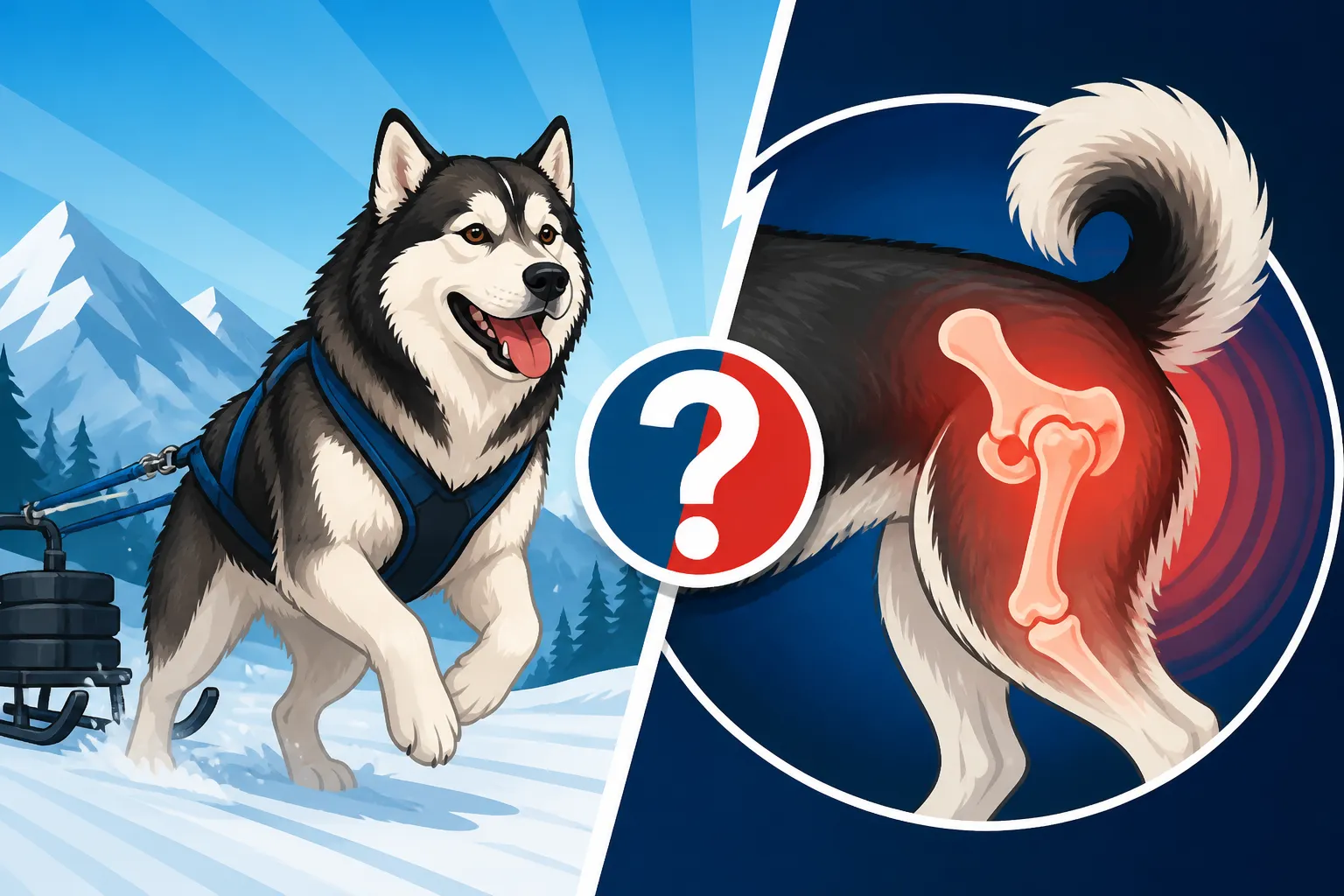
It's a common fear among Alaskan Malamute owners, especially those who dream of harnessing their powerful dogs to a sled or cart: will all that pulling actually damage their precious hips? This concern isn't just an idle worry; it stems from a deep love for our companions and a desire to ensure their long-term health, particularly given the breed's known predispositions. This guide will meticulously explore whether pulling weight truly harms a Malamute's hips, delving into the critical factors, preventative measures, and how to keep your working dog sound for years to come.
The Truth About Pulling and Malamute Hips: Demystifying the Damage Myth
Let's get straight to the heart of the matter: the act of pulling weight, in and of itself, does not inherently damage a Malamute's healthy hips. In fact, for a properly conditioned Malamute with good hip structure, controlled pulling can be an excellent form of exercise, building crucial muscle mass that actually helps stabilize the hip joint. The issue isn't the act of pulling, but rather how it's done, when it's started, and the underlying health of the dog. Many a proud owner will tell you that the joy their Malamute exhibits when harnessed and working is unparalleled, a testament to their breed's heritage as powerful freighting dogs. The problem arises when owners unknowingly place undue stress on immature or compromised joints, or when they neglect proper training and conditioning.
For instance, consider a young Malamute, eager and full of boundless energy. If you throw a harness on them and ask them to pull a heavy sled before their bones are fully formed, you're absolutely inviting trouble. Their growth plates are still open, cartilage is still developing, and the joints are simply not ready for high-impact or heavy-resistance work. This is why understanding the developmental stages of your Malamute is paramount. Just like human athletes, a dog needs a solid foundation before they can perform demanding tasks safely. We're talking about years, not months, for these big dogs to reach full maturity.
The Crucial Role of Age and Conditioning
One of the most critical factors in preventing hip damage from pulling is waiting until your Malamute has reached skeletal maturity. Generally, this means no serious weight pulling or long-distance freighting work until at least 18-24 months of age, and for some larger individuals, even later. Before then, their growth plates are still fusing, and any significant stress could lead to irreversible damage. Think about it: would you let a teenager lift competitive weights before their body has fully developed? Of course not. The same logic applies to our powerful canine athletes. Even light conditioning before this age should be carefully monitored and focused on building core strength and endurance without heavy loads.
The phrase "proper conditioning" isn't just a buzzword; it's the bedrock of safe working practices. A Malamute cannot go from being a couch potato to pulling a substantial load overnight. Their muscles, ligaments, and tendons need to be gradually strengthened. This means a consistent exercise regimen that includes regular walks, runs, and perhaps light, unloaded pulling (such as a walk in a harness with no resistance) to get them accustomed to the gear and the motion. Building a strong hindquarter and core musculature is key, as these muscles act as natural shock absorbers and stabilizers for the hip joints. Without this foundation, the strain on the joints themselves becomes excessive, potentially leading to inflammation, micro-trauma, and accelerating any underlying weaknesses. This gradual build-up is vital to prevent injuries that could sideline your dog permanently or lead to chronic pain.
Distinguishing Safe Work from Harmful Stress
It's important to differentiate between appropriate, controlled pulling activities and those that could genuinely harm your Malamute's hips. Safe pulling involves several key elements:
- Appropriate Weight: Your Malamute should never pull so much weight that they are struggling excessively, straining, or exhibiting signs of pain. The amount of weight a Malamute can safely pull needs to be introduced gradually and is highly individual, depending on their size, conditioning, and experience. For detailed guidance, you might explore topics like How Much Weight a Malamute Can Safely Pull.
- Proper Equipment: A well-fitting, padded harness designed for pulling (like a sledding or weight pull harness) is non-negotiable. It distributes the load evenly across the dog's chest and shoulders, away from the neck and spine, and critically, away from the hips. A poorly fitting harness can chafe, restrict movement, or concentrate force in unhealthy ways.
- Correct Technique: Teaching your Malamute to pull efficiently, with a steady gait and proper body mechanics, is also part of prevention. This often involves teaching them to lean into the harness and use their powerful hindquarters for propulsion, rather than just pulling with their front end.
- Suitable Terrain: Pulling on soft, even terrain is preferable to hard, uneven surfaces. Snow and dirt trails offer natural cushioning, while asphalt or concrete can be jarring, especially with a load, and contribute to wear and tear on joints over time.
Ignoring these factors turns a beneficial activity into a risky one. Think of a human weightlifter: they use specific form, warm-up, and proper equipment to prevent injury. A Malamute deserves no less. The frustration comes when eager owners push too hard, too fast, or too young, leading to issues that could have been avoided with patience and education.
Understanding Hip Dysplasia in Working Malamutes
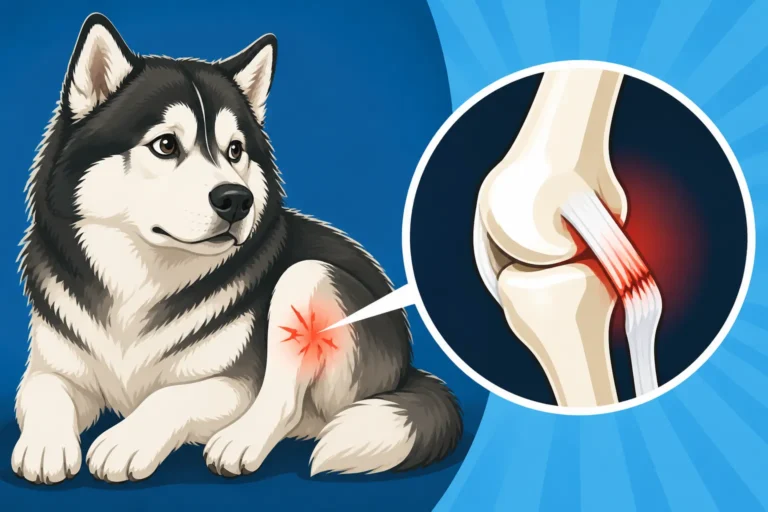
Alaskan Malamutes, like many large and giant breeds, are genetically predisposed to hip dysplasia. This condition occurs when the hip joint (a ball-and-socket joint) doesn't form correctly, leading to looseness, instability, and eventually degenerative joint disease (arthritis). This isn't a condition caused by pulling, but rather one that can be exacerbated by it if not properly managed or if the dog has an undiagnosed case. The crucial distinction here is between a healthy hip joint and a dysplastic one.
It's incredibly disheartening for an owner to discover their beloved Malamute has hip dysplasia, especially if they had dreams of them working. The good news is that not all degrees of dysplasia preclude a dog from light, appropriate work, but it absolutely requires careful veterinary consultation and management. The critical takeaway is that proactive screening is your best defense against inadvertently harming your Malamute.
The Genetic Predisposition and Screening
Hip dysplasia is a polygenic trait, meaning multiple genes contribute to its expression, and environmental factors can influence its severity. This makes genetic screening of breeding stock absolutely vital. Reputable breeders will have their breeding dogs certified by organizations like the Orthopedic Foundation for Animals (OFA) or PennHIP. OFA certifies hips with ratings of Excellent, Good, or Fair, indicating a healthy joint structure. PennHIP provides a quantitative measurement of hip laxity, which is a key indicator of dysplasia risk. It's a non-negotiable step to ask for these certifications from any breeder you consider purchasing a puppy from. In fact, you should be looking for breeders who are transparent about The Health Tests Both Alaskan Malamute Parents Should Have.
Without this screening, you're essentially playing a genetic lottery. An owner might get a puppy with perfectly sound hips from untested parents, or they might end up with a dog destined for hip issues, regardless of how carefully they manage their exercise. This is a source of immense frustration for many new owners who may not realize the importance of these tests until it's too late. When looking at potential working dogs, it's critical to know The Age a Malamute Is Certified by OFA to ensure you're getting a dog from sound lines.
How Existing Conditions Affect Suitability for Pulling
If your Malamute does have hip dysplasia, or even a milder form of joint laxity, their suitability for pulling weight becomes a much more nuanced conversation with your veterinarian. In some cases, light, controlled pulling might still be possible if it helps build supportive muscle and doesn't cause pain. However, heavy freighting or competitive weight pulling would likely be contraindicated. The goal is always to enhance their quality of life, not diminish it.
A Malamute with confirmed hip dysplasia will need a tailored exercise plan that prioritizes muscle development, joint support, and pain management. This might include hydrotherapy, physical therapy, and specific exercises designed to strengthen the surrounding muscles without putting excessive strain on the compromised joint. In these cases, consistent veterinary care and monitoring are even more critical. Having robust pet insurance like Healthy Paws can be a lifesaver here, as the diagnostic tests, therapies, and potential surgeries for hip dysplasia can be incredibly expensive, easing the financial burden on concerned owners.
Protecting Your Malamute's Hips: Prevention and Proactive Care
Preventative measures are your best friends when it comes to safeguarding your Malamute's hips, whether they're destined for serious pulling or simply a life of happy romps. This isn't just about avoiding obvious dangers; it's about a holistic approach to their health and well-being from puppyhood through their senior years. Many owners often overlook the seemingly small daily habits that cumulatively make a huge difference in joint health over a Malamute's The Ten to Fourteen Years an Alaskan Malamute Lives.
Nutrition, Supplements, and Maintaining Ideal Weight
A balanced, high-quality diet is fundamental for overall health, including joint development and maintenance. For puppies, it's particularly important to feed a large-breed puppy formula that supports slow, steady growth, rather than rapid growth spurts that can put undue stress on developing joints. Overfeeding, leading to excessive weight gain in puppyhood, is a known contributor to hip dysplasia severity. Keep them lean!
For adult working Malamutes, maintaining an ideal body weight is crucial. Extra pounds place extra stress on all joints, including the hips. If your Malamute is engaging in regular pulling activities, their caloric needs will be higher, but it's a delicate balance to provide enough energy without leading to weight gain. Regularly checking their body condition, making sure you can feel their ribs easily but not see them, is key.
Joint supplements can play a supportive role, especially for working dogs or those with a genetic predisposition to joint issues. Glucosamine, chondroitin, MSM, and Omega-3 fatty acids (like fish oil) are commonly recommended ingredients that can help support cartilage health, reduce inflammation, and improve joint lubrication. Brands like Nutramax's Dasuquin or Cosequin are often recommended by veterinarians. While not a cure for dysplasia, these supplements can certainly aid in joint resilience and comfort. You might want to explore Joint Supplements for an Alaskan Malamute for more specific recommendations.
Regular Veterinary Check-ups and Early Detection
Routine veterinary care is indispensable. Your vet can monitor your Malamute's gait, palpate their hips for any signs of discomfort or laxity, and advise on appropriate exercise levels. They can also recommend X-rays if they suspect any issues, especially as your Malamute approaches the age for OFA certification. Early detection of any developing joint problems allows for timely intervention, whether that means modifying their activity, starting supportive therapies, or adjusting their diet and supplements.
Furthermore, annual check-ups are an excellent opportunity to discuss your Malamute's activity level and any concerns you might have. Your vet can also advise on maintaining the optimal weight for your Malamute's activity level and overall health. Having a solid pet insurance plan from providers like Healthy Paws can provide peace of mind, knowing that you're covered for unexpected veterinary costs, which can certainly arise when managing conditions like hip dysplasia or injuries from strenuous activity.
The Role of Conditioning and Warm-up/Cool-down Routines
Just like any athlete, a working Malamute needs a structured conditioning program. This isn't just about building strength; it's about flexibility, endurance, and injury prevention. A proper warm-up before pulling (a brisk walk, some stretching) prepares muscles and joints for exertion, increasing blood flow and elasticity. A cool-down period afterward (a slow walk, gentle massage) helps remove metabolic waste products from muscles, reduces stiffness, and aids in recovery.
A well-rounded conditioning program should include:
- Cardiovascular exercise: Regular walks, runs, or swimming to build stamina.
- Strength training: Gradual introduction to pulling light loads, uphill walking, or controlled jumping (if appropriate for their age and joint health).
- Flexibility and balance: Gentle stretches and exercises that encourage good body awareness.
Neglecting these routines is a common pitfall, and it can lead to strains, sprains, and accelerated wear and tear on joints. The patience required to build a well-conditioned working dog is immense, but the payoff is a healthier, happier Malamute who can enjoy their innate desire to pull for many years.
Recognizing Signs of Hip Discomfort and Knowing When to Adjust
Even with the best preventative care and conditioning, our dogs can experience discomfort or develop issues. Malamutes are stoic animals, often bred to work through adversity, so they might not always vocalize pain clearly. It's up to us as owners to be vigilant, observant, and responsive to subtle cues that could indicate hip discomfort or a more serious problem. This is especially true for working dogs, who might push themselves beyond what's comfortable.
Knowing when to pump the brakes or seek professional help is critical. Ignoring early signs can lead to worsening conditions and more extensive, costly treatments down the line. It's a hard truth, but sometimes the most empathetic action is to temporarily, or even permanently, stop a beloved activity for your dog's long-term well-being.
Specific Symptoms to Watch For During and After Pulling
Be a keen observer of your Malamute, both during and after any pulling activity. Here are some signs that could indicate hip discomfort:
- Changes in Gait: This is often the first and most noticeable sign. Watch for a subtle limp, stiffness, a "bunny hopping" gait (where both hind legs move together), or a reluctance to put weight on a hind leg. They might seem to drag their back feet slightly.
- Reluctance to Move: Is your Malamute slower to get up after resting, hesitant to jump into the car, or avoids stairs? These can all be signs of joint pain.
- Decreased Performance: If your previously enthusiastic puller is now lagging, struggling with loads they once handled easily, or losing interest in working, it could be due to pain.
- Pain Response: Whining, yelping, or guarding their hip area when touched are obvious red flags. However, more subtle signs might include flinching, a tense expression, or a sudden change in temperament when the area is approached.
- Muscle Atrophy: Over time, if one leg is painful, the dog might favor the other, leading to visible muscle loss in the affected limb. Regularly feel your Malamute's hindquarters; both sides should feel equally muscular.
- Licking/Chewing: Excessive licking or chewing at the hip or flank area can be an attempt to self-soothe pain.
If you notice any of these signs, especially if they are persistent or worsen, it's time to take action. It's far better to be overly cautious than to let a problem escalate. This vigilance can prevent minor issues from becoming major ones, safeguarding your Malamute's ability to live a full and comfortable life. Pet insurance, such as Healthy Paws, can be incredibly beneficial here, covering diagnostic tests and treatments for sudden illnesses or accidents, which joint injuries can often be.
When to Consult a Vet and Consider Modifications
Any persistent sign of discomfort warrants a trip to your veterinarian. Don't try to self-diagnose or wait it out, especially with a working dog. Your vet can perform a thorough physical examination, including orthopedic tests, and recommend diagnostic imaging such as X-rays. These images will provide a clear picture of the hip joint's structure and any signs of degeneration.
Based on the diagnosis, your vet will help you decide on the best course of action. This might include:
- Rest: A period of strict rest to allow inflammation to subside.
- Medication: Anti-inflammatory drugs (NSAIDs) to manage pain and reduce inflammation.
- Physical Therapy: Specialized exercises, stretches, hydrotherapy, or laser therapy to strengthen muscles, improve range of motion, and reduce pain.
- Activity Modification: This is often the most challenging part for active Malamute owners. It might mean reducing the weight pulled, shortening distances, changing terrain, or even transitioning to less impactful activities like swimming. For an old Malamute, activities might need to shift significantly; you can learn more about Caring for an Alaskan Malamute Past Eight.
- Surgery: In severe cases of hip dysplasia, surgical intervention might be recommended, ranging from less invasive procedures to total hip replacement, depending on the dog's age, size, and severity of the condition.
- Retirement from Pulling: For some Malamutes, particularly those with severe, painful hip issues, complete retirement from pulling activities might be necessary. This can be heartbreaking, but it's the responsible choice for their quality of life. Even a Working Malamute Wears Out Early if not properly managed, and knowing when to let them enjoy a less strenuous life is key.
Rehabilitation and Supportive Care Options
If your Malamute is diagnosed with a hip issue, a comprehensive rehabilitation plan can make a significant difference. This often involves a combination of therapies tailored to their specific needs.
- Hydrotherapy: Swimming or underwater treadmill sessions can build muscle and improve joint mobility with minimal weight-bearing stress.
- Therapeutic Exercises: Specific exercises prescribed by a certified canine rehabilitation therapist to target weaknesses and improve stability.
- Massage and Manual Therapy: To relieve muscle tension and improve circulation.
- Cold Laser Therapy: To reduce pain and inflammation and promote tissue healing.
- Acupuncture: Some owners find this helpful for pain management.
Beyond professional therapies, supportive care at home is vital. Providing comfortable, orthopedic bedding, ensuring easy access to food and water bowls, and using ramps or steps to help them navigate elevated surfaces (like beds or cars) can greatly enhance their comfort. For dogs with chronic arthritis from hip dysplasia, ongoing management might include long-term medications, regular vet check-ups, and a continued focus on weight management and gentle exercise. It's a commitment, but one that ensures your Malamute can live out their The Ten to Fourteen Years an Alaskan Malamute Lives as comfortably as possible.
| Factor | Risk to Hips (High) | Risk to Hips (Low/Beneficial) |
|---|---|---|
| Age of Dog | Under 18-24 months (open growth plates) | Over 24 months (skeletally mature) |
| Pre-existing Condition | Undiagnosed or severe hip dysplasia | OFA Excellent/Good, no symptoms |
| Weight Pulled | Excessively heavy, struggling, straining | Appropriate, gradually increased load |
| Conditioning | Out of shape, sudden strenuous work | Well-conditioned, strong core and hindquarter |
| Equipment | Ill-fitting harness, neck collar for pulling | Properly fitted, padded pulling harness |
| Terrain | Hard, uneven, jarring surfaces | Soft, even, natural surfaces (snow, dirt) |
| Gait/Technique | Jerky, awkward, poor body mechanics | Smooth, efficient, powerful propulsion |
| Monitoring | Ignoring subtle signs of discomfort | Vigilant observation, prompt vet visits |
Disclaimer
The information provided in this article is for educational purposes only and is not intended to be a substitute for professional veterinary advice, diagnosis, or treatment. Always seek the advice of your veterinarian or other qualified health provider with any questions you may have regarding a medical condition. Never disregard professional veterinary advice or delay in seeking it because of something you have read in this article.